
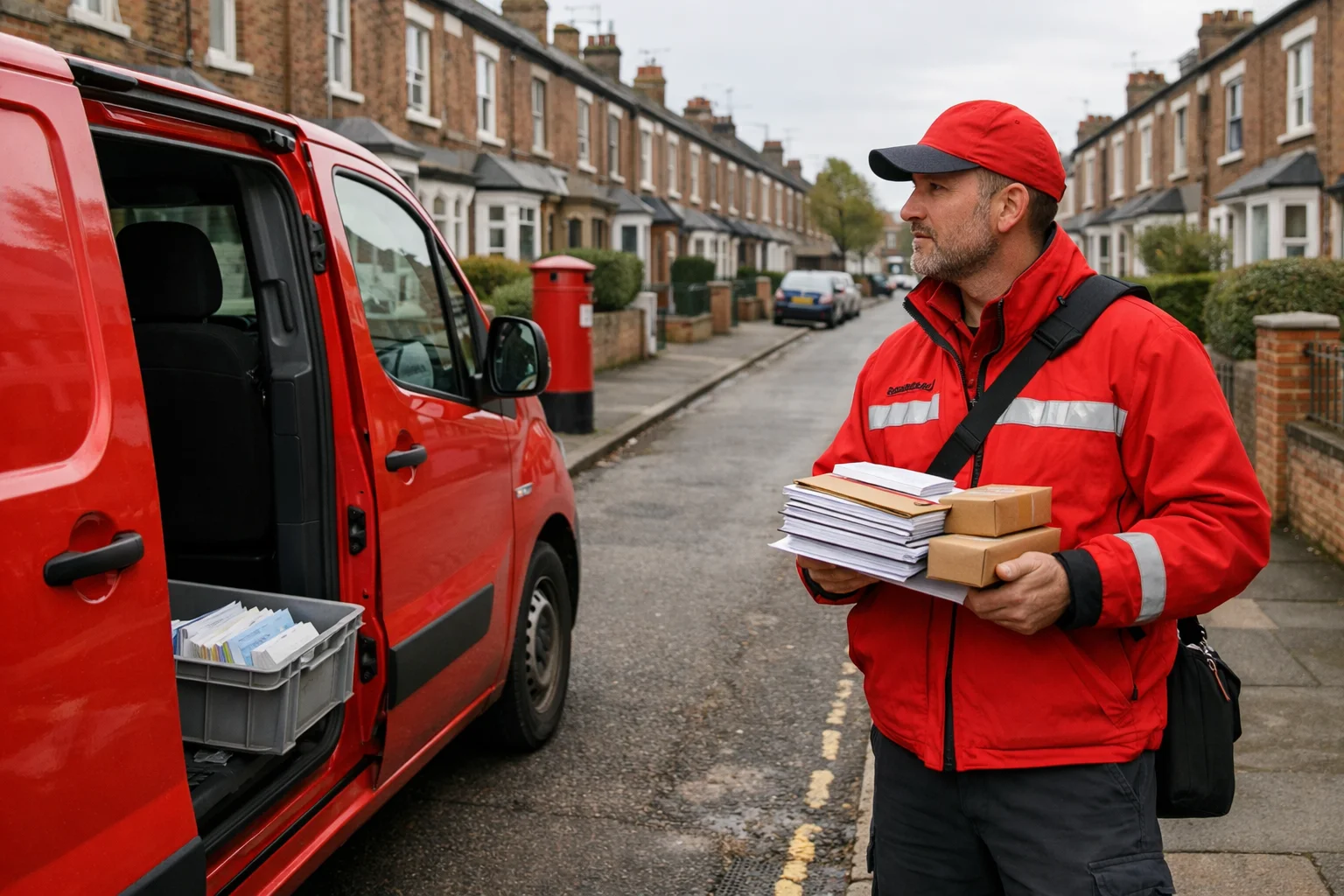
Royal Mail is expected to stop delivering second-class letters on Saturdays across the UK by December, while first-class post and most parcel services will continue to arrive six days a week.
Instead of Saturday delivery, second-class letters will move to an “every other weekday” system as part of wider postal reforms approved by Ofcom and agreed with the Communications Workers Union.
Key points readers need to know:
- Royal Mail is only ending Saturday delivery for second-class letters
- First-class post will still be delivered from Monday to Saturday
- The change is expected to be rolled out across all 1,200 delivery offices by December
- Royal Mail says the move is needed to make the postal service more reliable and financially sustainable
- Households and businesses may need to allow extra time for non-urgent post
What Is Changing With Royal Mail’s Saturday Service?
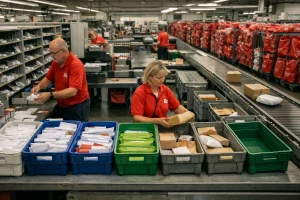
Royal Mail is changing the way second-class post is delivered. Under the new plan, second-class letters will no longer be delivered on Saturdays. Instead, those letters will be delivered on alternate weekdays during the working week.
This means the traditional six-day-a-week letter service will only continue for first-class post. First-class letters, urgent mail and many parcel services will still arrive between Monday and Saturday. The main change only affects second-class letters and other lower-priority mail.
The company plans to introduce the change gradually. A trial has already taken place in 35 delivery offices, and the next phase is expected to cover another 240 sites before the reform expands across the UK.
For many households, the biggest difference will be that a second-class letter posted later in the week may no longer arrive over the weekend. Instead, it could be delivered on the following Monday, Tuesday or another weekday, depending on the local schedule.
Why Is Royal Mail Scrapping Saturday Second Class Deliveries?
Royal Mail says it is making this change because the current postal model is becoming too expensive to maintain. Far fewer people now send letters than they did in the past, while parcel deliveries continue to grow.
Letter volumes have fallen sharply over the last two decades, but Royal Mail is still required to maintain a nationwide six-day delivery service. The company argues that continuing to deliver second-class letters on Saturdays no longer reflects how most people use the postal service.
Royal Mail and Ofcom believe the reform could make the service more sustainable by reducing costs and allowing staff to focus on faster, more reliable deliveries during the week. Estimates suggest the change could save between £250 million and £425 million a year.
The main reasons behind the decision include:
- Falling letter volumes across the UK
- Rising delivery costs and higher staffing expenses
- Ongoing problems meeting delivery targets
- Growing pressure to improve parcel services
- A need to modernise the Universal Service Obligation
Royal Mail has repeatedly missed its targets for both first-class and second-class post. During one recent period, only 77.5% of first-class letters arrived on time, well below the official target. The company argues that changing second-class delivery days is one of the few ways to improve service quality in the long term.
How Will The New Royal Mail Delivery Schedule Work?
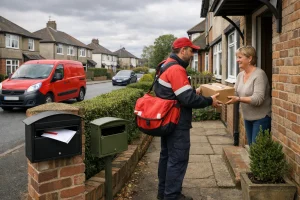
The new Royal Mail schedule will mainly affect second-class letters. Most people will still see postal deliveries throughout the week, but the type of post arriving on Saturdays will change.
Which Types Of Post Will Still Arrive On Saturdays?
Royal Mail has confirmed that several important services will continue on Saturdays. This means households will not lose all weekend post.
The following services are expected to remain available on Saturdays:
- First-class letters
- Signed-for and tracked items
- Parcels and special delivery services
- Urgent or time-sensitive mail
Under the Universal Service Obligation, Royal Mail must continue delivering first-class letters from Monday to Saturday. That rule is not changing.
Alistair Cochrane, chief executive of Royal Mail, said:
“This agreement with the CWU paves the way for Universal Service reform rollout and represents a significant investment in our people. Moving ahead with reform will make a real difference to Royal Mail’s quality of service.
It will support the delivery of a reliable, efficient and financially sustainable postal service for our customers across the UK.”
In practice, anyone sending an urgent birthday card, legal document or business letter may still wish to use first-class post if they need it delivered on a Saturday.
Which Types Of Mail Will No Longer Be Delivered On Saturdays?
The biggest change affects second-class letters and standard non-urgent mail. These items will no longer arrive on Saturdays once the reform is fully introduced.
The change is expected to apply to:
- Standard second-class letters
- Utility bills and statements
- Appointment reminders
- Promotional mail and leaflets
- Some business correspondence
People who currently rely on second-class post for weekend deliveries may notice a delay of one or two extra days. A letter posted on Thursday or Friday may now arrive after the weekend rather than during it.
Royal Mail says the new system will still meet the current target of delivering second-class letters within three working days. However, “working days” will no longer include Saturday for second-class mail.
What Does “Every Other Weekday” Mean For Second Class Post?
“Every other weekday” means Royal Mail will rotate second-class deliveries across different weekdays instead of making those deliveries every day.
For example, one area might receive second-class letters on Monday, Wednesday and Friday, while another area could receive them on Tuesday and Thursday. Local schedules may vary depending on staffing and delivery routes.
A typical pattern could look like this:
- Letter posted on Monday: Delivered by Thursday
- Letter posted on Wednesday: Delivered the following Monday
- Letter posted on Friday: Delivered early the next week
This may sound confusing at first, but the aim is to spread second-class deliveries more evenly across the week while keeping first-class post unchanged.
The company has already tested this system in several delivery offices and says it can improve reliability. A pilot involving 35 offices reportedly showed better performance and fewer delays compared with the old system.
When Will Royal Mail Stop Saturday Second Class Deliveries?
Royal Mail has not yet confirmed one exact national start date, but the company expects the change to be introduced across the UK by December.
The reform began with a pilot in 35 delivery offices. Royal Mail now plans to expand the scheme to another 240 offices before eventually introducing it across its entire network of around 1,200 delivery offices.
The rollout has taken longer than expected because Royal Mail and the CWU spent several months negotiating how the changes would affect workers and local delivery patterns. Now that an agreement has been reached, the company believes the wider rollout can move ahead.
Some parts of the UK may see the change earlier than others. Areas involved in the larger trial could begin using the new schedule in the coming months, while other delivery offices may not change until later in the year.
Why Did Royal Mail And The CWU Finally Reach An Agreement?

Royal Mail and the CWU reached an agreement after months of disagreement over how the new delivery system would affect staff. The union had opposed the changes because it was concerned that workers would lose hours, face poorer conditions or be asked to work under different contracts.
After several rounds of talks, both sides agreed to support the rollout in return for better pay and improved working conditions. Royal Mail believes the agreement will allow it to introduce the reforms more quickly, while the union says it secured important protections for workers.
What Did Postal Workers Receive In The Deal?
The final agreement includes a number of changes for staff. Workers who joined Royal Mail after 1 December 2022 will receive a larger pay rise, while longer-serving employees on older contracts will also receive an increase.
The deal includes:
- A 4.75% pay rise for employees on newer contracts
- A 3% pay rise for staff on legacy contracts
- Better terms and conditions for newer employees
- A standard 37-hour working week for future recruits
- More certainty over working patterns
The CWU said the agreement was not just about pay. The union also wanted to make sure the wider changes to the postal service did not leave workers in a weaker position.
The union told members:
“It is now imperative that all branches, representatives and members have the opportunity and time to fully consider this agreement properly. We have moved the company significantly on all the key issues.
We also need to understand why Universal Service reform is necessary and why Ofcom’s role must change.”
Royal Mail believes the agreement will make it easier to improve service standards while avoiding further disputes.
How Will The Agreement Affect Part-Time Postal Workers?
One of the most important parts of the agreement involves part-time workers. Around 6,000 part-time postal workers are expected to be offered the chance to increase their weekly hours.
This could help Royal Mail solve staffing shortages and make deliveries more reliable. It may also reduce the need for temporary staff or overtime during busy periods.
The changes for part-time staff include:
- The option to increase contracted hours
- More stable and predictable work patterns
- Better opportunities for higher pay
- Greater flexibility within local delivery offices
For many postal workers, this part of the deal may be just as important as the pay rise. It could give employees more job security at a time when the company is reshaping how it delivers mail.
Royal Mail owner Daniel Kretinsky also defended the wider reform during discussions with MPs:
“There is no management decision to prioritise parcels over letters. The service cannot be fixed until plans for reform of the Universal Service Obligation are put in place. These changes are necessary if the postal service is to work properly in future.”
What Does Ofcom Say About The Royal Mail Saturday Service Changes?
Ofcom has approved Royal Mail’s plan to reduce Saturday second-class deliveries. The regulator believes the postal system needs to change because far fewer letters are being sent than in the past.
However, Ofcom has also placed limits on what Royal Mail can do. The company must still protect key parts of the service.
Ofcom says Royal Mail must continue to:
- Deliver first-class letters from Monday to Saturday
- Deliver second-class post within three working days
- Keep a price cap on second-class stamps
- Ensure that almost all posts are delivered no more than two days late
The regulator has also introduced a new “backstop” rule. Under that rule, 99% of all posts must arrive no more than two days later than expected.
Ofcom believes these safeguards will protect customers even after Saturday’s second-class deliveries end. The regulator says the goal is not to remove the postal service, but to modernise it and make sure it can survive in the future.
Could The End Of Saturday Second Class Deliveries Affect Households?
The end of Saturday second-class deliveries may seem like a small change, but it could have a noticeable effect on some households. People who regularly receive important letters through second-class post may need to plan for slightly longer waiting times.
Households that already rely more on email or online accounts may not notice much difference. However, people who still depend on paper letters could be affected more.
Which Types Of Important Letters Could Be Delayed?
Several kinds of important correspondence are commonly sent using second-class post. If those letters are no longer delivered on Saturdays, some households could receive them later than expected.
Examples include:
- Hospital appointment letters
- GP or clinic reminders
- Bank statements and bills
- Council or government letters
- Insurance documents
- School and college correspondence
One concern raised by MPs and union representatives is that some sensitive letters may already be arriving late. During a Commons committee session, the CWU claimed that workers had sometimes been asked to leave hospital letters and medical documents behind in order to prioritise parcels.
If a letter is sent near the end of the week, the loss of Saturday delivery could make the delay more noticeable. A hospital appointment letter sent on Thursday may not arrive until the following Monday or Tuesday.
How Could Families And Older Residents Be Most Affected?
Older people and families living in rural areas may be affected more than other groups. Many older residents still rely heavily on paper bills, letters and printed appointment notices.
Families without reliable internet access may also continue to depend on the post office for important information.
People who may notice the biggest impact include:
- Older residents who do not use online banking
- Rural households with fewer delivery alternatives
- Families waiting for NHS or school letters
- People who do not regularly check their email
For example, an older resident who expects a second-class letter every Saturday may suddenly find there is no delivery at all that day. That could create confusion at first, especially if the person is waiting for a bill or an appointment letter.
The good news is that Saturday post is not disappearing completely. First-class letters and parcels will still arrive, so anyone expecting something important can still use faster services if necessary.
Most households are likely to adjust once they understand the new timetable, but Royal Mail may need to communicate clearly so that people know what to expect.
Could Small Businesses Be Impacted By Royal Mail’s New Delivery Rules?
Small businesses that still rely on second-class post may need to make changes once the new rules begin. Many firms use second-class letters to send invoices, customer updates, appointment reminders and marketing materials because it is cheaper than first-class mail.
Without Saturday deliveries, those letters may take longer to reach customers. Businesses may need to post items earlier in the week or switch important correspondence to first-class delivery.
A local tradesperson, for example, might normally post invoices on Friday, expecting customers to receive them over the weekend. Under the new system, those invoices may not arrive until early the following week.
Some businesses may decide to:
- Use first-class post for urgent letters
- Move more communication online
- Send invoices and reminders earlier
- Review whether second-class mail is still suitable
For firms that depend heavily on weekend post, planning ahead is likely to become more important.
Are There Concerns That Royal Mail Is Prioritising Parcels Over Letters?
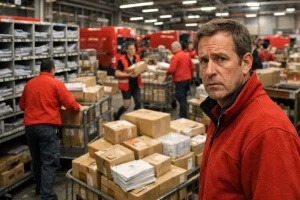
Yes. Some MPs and union representatives have expressed concern that Royal Mail is focusing more on parcels than on letters.
The CWU told MPs that the postal service had become “chaotic” in some areas and claimed workers had been instructed to leave letters behind when parcel volumes were high. According to the union, this sometimes included important items such as hospital letters and medical documents.
Royal Mail has strongly denied that there is any official policy to prioritise parcels over letters. Daniel Kretinsky said there was “no management decision” to do that.
Even so, the concern has become part of the wider debate about whether Royal Mail can continue to provide a reliable letter service while also handling growing numbers of parcels. Critics fear that removing Saturday second-class deliveries may reinforce the impression that letters matter less than parcels.
What Information About The Royal Mail Saturday Service Is Confirmed, Proposed Or Misleading?
There has been some confusion about what exactly is changing. Some reports have wrongly suggested that Royal Mail is ending all Saturday deliveries, but that is not true.
Category What Is Known
Confirmed Facts Second-class Saturday deliveries are expected to end, first-class Saturday deliveries will remain. Ofcom has approved the reform, and the trial rollout is already underway.
Proposed Changes Royal Mail plans to expand the scheme from 240 delivery offices to its full network of around 1,200 offices by December.
Misleading Claims Royal Mail is not ending all Saturday post. First-class letters, parcels and tracked items are still expected to continue arriving on Saturdays.
The most important point is that only second-class letters are affected. Weekend postal services are not disappearing entirely.
There is also some uncertainty about exactly when the change will reach every area. While Royal Mail expects a national rollout by December, local delivery offices may introduce the new system at different times.
Readers should therefore be careful about headlines claiming that “Saturday post is ending”. The more accurate explanation is that standard second-class letters will no longer arrive on Saturdays, while faster and more urgent services will remain available.
What Should UK Households And Businesses Do Before The Changes Begin?
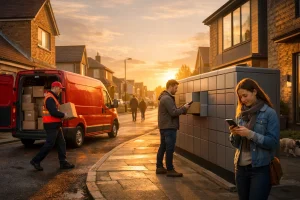
The best way to prepare is to allow extra time for second-class post. Anyone sending something important should assume that weekend delivery may no longer happen.
Households and businesses can reduce disruption by making a few simple changes:
- Post second-class letters earlier in the week
- Use first-class mail for urgent items
- Switch to email or online statements where possible
- Check whether local delivery offices have already introduced the new system
- Tell customers, clients or family members about possible delays
Businesses may also want to review when they send invoices or appointment reminders. A small change in timing could help avoid confusion later.
For households, the main thing is not to panic. The Saturday post is not disappearing completely. People will still receive first-class letters and parcels on Saturdays, and second-class mail should still arrive within the normal three-working-day target. Planning ahead is likely to make the transition much easier.
What Is The Likely Long-Term Future Of Royal Mail’s Saturday Service?
The end of Saturday second-class deliveries may only be the first stage of a wider modernisation of the UK postal system.
Royal Mail, Ofcom and the government all appear to accept that the traditional six-day letter service is becoming harder to maintain as fewer people send letters. In future, more attention may shift towards parcels, tracked deliveries and faster online services.
However, there is still strong public support for keeping some form of weekend postal service. That is why first-class letters and urgent deliveries are expected to remain protected.
The long-term future is likely to involve a smaller but more targeted service: fewer second-class weekend deliveries, but more focus on reliability, affordability and making sure important post still reaches households when it matters most.
Conclusion
Royal Mail’s decision to scrap Saturday second-class deliveries marks one of the biggest changes to the UK postal service in years. Although the reform may initially feel confusing, it does not mean the end of Saturday post altogether.
First-class letters, parcels and urgent mail will still be delivered at weekends, while second-class letters will move to a new weekday schedule.
For households, the main impact will be allowing extra time for non-urgent post. For businesses, it may mean sending invoices, reminders and customer letters earlier in the week.
Royal Mail argues the change is necessary to keep the postal service financially sustainable as letter volumes continue to fall.
Whether the reform improves reliability will become clearer once the nationwide rollout begins later this year and people can see how local delivery schedules actually operate nationwide.
FAQs
Will Royal Mail still deliver first-class letters on Saturdays?
Yes, first-class letters are still expected to be delivered from Monday to Saturday. The planned change only affects second-class letters and standard mail.
When is Royal Mail expected to stop Saturday second-class deliveries?
Royal Mail is aiming to roll out the change across the UK by December. Some delivery offices may introduce the new system earlier than others.
Will second-class letters take longer to arrive?
Possibly, especially if the letter is posted near the end of the week. Without Saturday delivery, some second-class letters may arrive one or two days later than before.
Will parcel deliveries also stop on Saturdays?
No, parcel deliveries are expected to continue on Saturdays as normal. Tracked and urgent delivery services should also remain unchanged.
Why is Royal Mail making this change?
Royal Mail says fewer people now send letters, making the six-day second-class service more expensive to run. The company believes reducing Saturday second-class deliveries will help make the postal service more sustainable.
Could hospital or government letters be delayed?
Yes, some hospital appointments, council letters or government correspondence sent by second-class post could arrive later. People expecting important documents may need to allow extra time.
What should businesses do if they rely on second-class post?
Businesses may need to send letters earlier in the week or switch urgent items to first-class mail. Many companies may also choose to use email and online communication more often.