
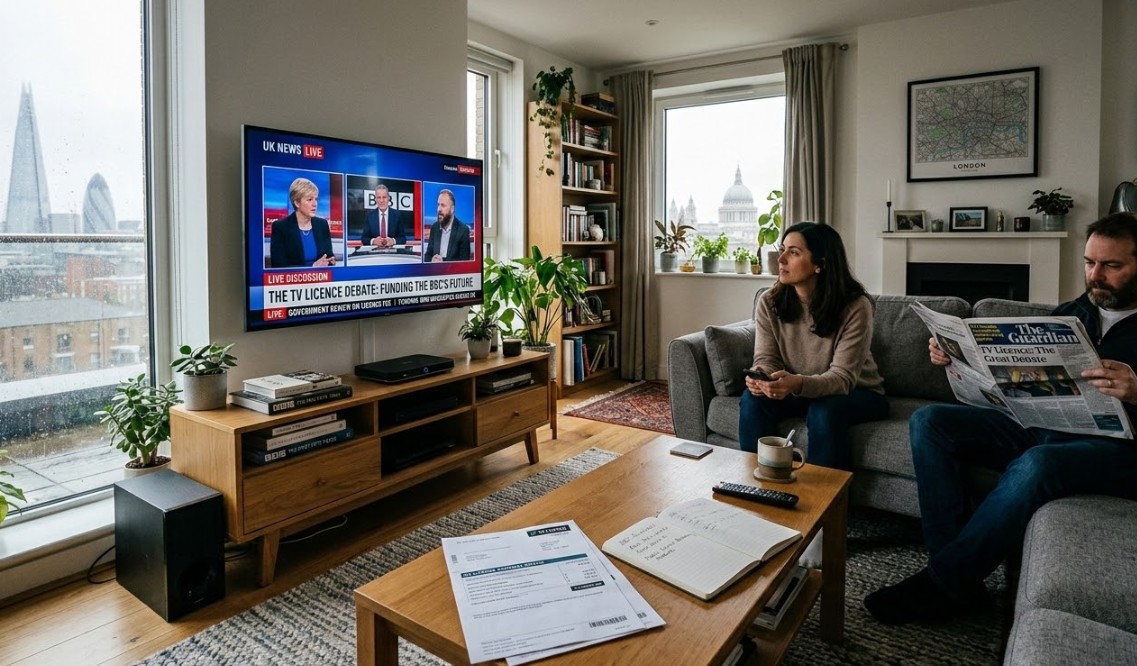
The BBC licence fee replacement debate has become a major topic in the UK as the government and the BBC consider how public broadcasting should be funded after the current Royal Charter ends in 2027.
The traditional licence fee system, which requires households watching live TV or BBC iPlayer to pay an annual fee, is facing increasing pressure due to changing viewing habits, declining payments, and rising production costs.
As a result, policymakers are exploring alternatives such as a household levy, subscription models, or advertising based funding.
Key points to understand about the BBC licence fee replacement debate include:
- The annual TV licence fee is set to rise to £180 from April.
- The current funding model is guaranteed only until the BBC Charter renewal in 2027.
- Alternatives under discussion include a household tax style levy, subscriptions, or advertising models.
- Any major change would likely happen from 2028 onwards.
For UK households and viewers, the outcome could affect how the BBC is funded and how its content is accessed in the future.
Why Is the BBC Licence Fee Being Debated for Replacement?
The debate over a BBC licence fee replacement has grown stronger in recent years as both the government and the broadcaster assess whether the current funding model can continue long term.
The existing licence fee has been a central part of BBC funding for decades, but economic pressure and changing media consumption have raised questions about its sustainability.
Several key factors have driven the discussion:
- The annual licence fee continues to increase, reaching £180 from April, which has raised affordability concerns for many households.
- More viewers are shifting away from traditional live television to streaming platforms and on demand services.
- Licence fee evasion and non payment have increased, reducing the income the BBC relies on.
- Production costs for television, journalism, and digital services have risen significantly.
The debate is also linked to the upcoming BBC Royal Charter renewal scheduled for 2027. The government has launched consultations asking the public and industry stakeholders what the future of the BBC should look like.
Officials say they are keeping an open mind about the funding model. This has opened the door to discussions about whether the long standing licence fee could eventually be replaced by a new system that is more sustainable and fair for modern audiences.
How Does the Current BBC TV Licence System Work in the UK?
Before discussing any BBC licence fee replacement, it is important to understand how the current TV licence system operates in the UK.
The licence fee is the main source of funding for the BBC and supports a wide range of services including television, radio, news, and digital platforms.
The system has been in place for many decades and is designed to ensure the BBC can operate as a public service broadcaster that provides content to all audiences.
Who Must Pay the TV Licence?
A TV licence is required for households in the UK that watch or record live television or use BBC iPlayer. This rule applies regardless of the device being used.
Viewers must have a licence if they watch live broadcasts on:
- Televisions
- Laptops or desktop computers
- Tablets
- Mobile phones
The licence requirement also applies to live content on streaming platforms if the programme is being watched as it is broadcast.
However, people do not need a licence for some activities such as:
- Listening to radio broadcasts
- Streaming on demand programmes that are not on BBC iPlayer
- Watching catch up content on other streaming services
The system is designed so that anyone who accesses live television content contributes to funding public broadcasting.
What Services the Licence Fee Funds?
The BBC licence fee funds a wide range of public services across the UK. These include national television channels, radio stations, and digital platforms.
Examples of services funded by the licence fee include:
- BBC television channels such as BBC One and BBC Two
- BBC iPlayer streaming service
- BBC radio networks and local radio stations
- BBC News and online journalism
- Educational content and documentaries
- Coverage of major national events
The licence fee also helps support the UK creative industry by funding British produced programmes, drama, documentaries, and entertainment shows.
According to the BBC, this funding model allows the broadcaster to deliver trusted news, original storytelling, and programmes that bring audiences together.
Current Cost and Planned Increases
The cost of a standard colour TV licence currently stands at £174.50 per year. From April, the price will increase by £5.50 to £180 annually.
This increase follows a government agreement that allows the licence fee to rise in line with inflation until the current charter period ends.
Some groups receive concessions or discounts:
- Free licences are available for people over 75 who receive Pension Credit.
- Blind or severely sight impaired individuals can receive a reduced fee.
- Residents in certain care homes may pay a lower annual charge.
A separate licence is also available for black and white televisions at a lower price.
Despite these concessions, critics argue that the system can still place pressure on households during periods of rising living costs. This concern has played a major role in the ongoing debate around a BBC licence fee replacement.
Could the BBC Licence Fee Be Replaced in the Future?
The possibility of a BBC licence fee replacement is now being actively discussed as part of the government consultation into the broadcaster’s future.
Officials have confirmed that the current licence fee system will remain in place until the end of the existing Royal Charter period in December 2027. However, policymakers are exploring whether a different model could be introduced afterwards.
Several points highlight why the debate has intensified:
- The BBC itself has acknowledged that the current system may need reform to remain sustainable.
- Rising production costs and declining licence fee income are creating financial pressure.
- More households are consuming media through digital platforms rather than traditional television.
The broadcaster has said it is willing to consider radical options for funding as long as the result protects the BBC’s role as a universal public service broadcaster.
At the same time, the government has emphasised that it has not yet chosen a preferred funding model. The consultation process is gathering feedback from the public, media organisations, and industry experts.
If major reforms are introduced, they are expected to take effect after the next charter period begins, which means any replacement system would likely appear from 2028 onwards.
What Are the Main BBC Licence Fee Replacement Options Being Considered?
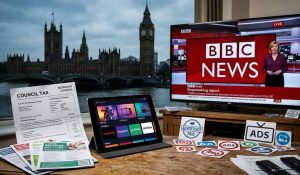
Several possible alternatives are being discussed as part of the BBC licence fee replacement debate. Each option has different implications for how the broadcaster would generate revenue and how viewers would access content.
The goal of these proposals is to create a system that remains fair, sustainable, and capable of supporting high quality public service broadcasting.
A Household Broadcasting Tax
One option is the introduction of a universal household levy that would replace the licence fee. Under this approach, the cost could be collected through an existing tax system, such as council tax. The idea is that most households would contribute a smaller amount rather than relying on the current licence fee structure.
Potential features of this model include:
- Charges applied to all households regardless of TV ownership
- Payments linked to income levels
- Discounts for students or lower income households
This approach would expand the number of people contributing to BBC funding and could reduce the problem of licence fee evasion.
A Subscription Model Similar to Netflix
Another proposal involves transforming the BBC into a subscription based service similar to commercial streaming platforms. Under this system, viewers would pay for access to BBC content if they choose to subscribe.
Supporters argue that this approach could give audiences more control over what they pay for. However, critics warn that it could reduce access to important public service programming.
The BBC has also suggested that a subscription system could fundamentally change the nature of the organisation by turning it into a purely commercial service.
Advertising-Funded BBC Services
Some policymakers have suggested introducing advertising as a replacement for the licence fee. Many commercial broadcasters already rely on advertising revenue to fund their programmes.
However, a fully advertising funded BBC could have several consequences:
- Increased adverts on BBC television and digital platforms
- Greater competition for advertising revenue across the UK media market
- Potential impact on the broadcaster’s editorial independence
The BBC has historically avoided advertising on its domestic services to maintain its public service focus.
Hybrid or Two-Tier Models
Another option under discussion is a hybrid funding model. This approach could combine elements of public funding with optional subscription tiers for additional content.
Possible features include:
- Core BBC services remaining free or publicly funded
- Premium entertainment programmes placed behind a subscription paywall
- Additional commercial partnerships or digital services
While this system might offer flexibility, critics argue that it could create unequal access to certain types of BBC content.
Why Is the BBC Concerned About Subscription or Advertising Models?
The BBC has expressed concerns about replacing the licence fee with subscription or advertising based systems because these models could change the organisation’s public service role.
One major issue is the principle of universal access. The current licence fee ensures that all households paying the fee can access the same programmes and services.
A subscription system could limit access to those who can afford to pay, potentially excluding lower income households and older viewers. This could undermine the BBC’s mission to serve the entire population.
Advertising based funding also raises concerns. A fully commercial model might reduce the BBC’s ability to invest in educational programmes, investigative journalism, and regional broadcasting.
The organisation has also warned that a shift towards advertising could affect the wider UK broadcasting industry by drawing revenue away from other public service broadcasters.
For these reasons, the BBC has argued that any BBC licence fee replacement must maintain its public service purpose and broad accessibility.
Could Council Tax or a Household Levy Replace the Licence Fee?
One proposal gaining attention is the idea of funding the BBC through a household levy collected via council tax.
Under this approach, the licence fee would be replaced with a charge applied to most households. The payment could be collected through existing council tax systems, making it easier to administer.
Supporters believe this model could reduce the issue of licence fee evasion because the charge would be integrated into a broader household tax structure.
The system might also allow payments to be adjusted according to income levels. Lower income households could pay less, while higher earners might contribute more.
However, the proposal faces political challenges. Critics argue that it could be viewed as a new tax and may be unpopular with voters.
Government ministers would ultimately need to approve such a change before it could become a formal replacement for the licence fee.
How Could a BBC Licence Fee Replacement Affect UK Households?
Any BBC licence fee replacement could have a direct impact on households across the UK. Changes to the funding system may affect how much people pay and how they access BBC content.
Possible impacts could include:
- Cost changes for viewers depending on the funding model chosen
- More households contributing if a universal levy replaces the licence fee
- Different access levels if subscription or hybrid models are introduced
Some proposals could lower the annual cost but spread payments across a larger number of households. Others might introduce optional payments for premium content.
The table below highlights how different funding models might work:
| Funding Model | Who Pays | Key Impact |
|---|---|---|
| Current Licence Fee | Households watching live TV or iPlayer | Flat annual fee |
| Household Levy | Most UK households | Possibly lower but universal |
| Subscription | Only subscribers | Some BBC services behind paywall |
| Advertising Model | Viewers indirectly | More adverts on BBC platforms |
For many viewers, the biggest concern is maintaining access to trusted news, British programmes, and national events without significantly increasing household costs.
What Role Do Changing Viewing Habits Play in the Debate?

Changing media consumption habits are one of the biggest reasons behind the BBC licence fee replacement debate. Traditional television viewing has declined as audiences increasingly choose streaming services and on demand platforms.
Key trends influencing the debate include:
- Younger audiences watching less live television
- Growing popularity of platforms such as Netflix, Amazon Prime Video, and Disney Plus
- More viewers accessing content on mobile devices and tablets
- Increased demand for on demand and personalised content
These shifts have affected how audiences interact with the BBC. Although the broadcaster still reaches a large percentage of UK adults every month, fewer people rely solely on traditional television channels.
This change has raised questions about whether a licence fee based on live TV viewing remains the best way to fund public broadcasting in a digital era.
When Could Changes to the BBC Licence Fee Actually Happen?
Any major BBC licence fee replacement would take time to implement. The current BBC Royal Charter, which sets out how the organisation is governed and funded, runs until December 2027.
Until then, the existing licence fee system will remain in place. The government is currently conducting consultations to gather views on the future of the BBC. This process includes feedback from viewers, industry experts, and policymakers.
If a new funding model is approved, it would likely be introduced as part of the next charter period beginning in 2028. This means that while discussions are ongoing now, households are unlikely to see immediate changes to how the BBC is funded.
What the Future of BBC Funding Could Look Like?
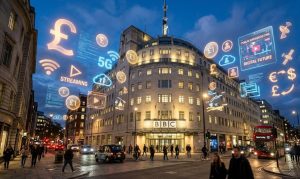
The future of BBC funding will depend on balancing affordability for households with the need to support high quality public broadcasting. The BBC has stated that reform is necessary to ensure the organisation remains financially stable in the years ahead.
Potential priorities for future funding models include:
- Maintaining universal access to BBC services
- Ensuring funding remains fair and sustainable
- Allowing the BBC to compete with global streaming platforms
- Supporting the UK creative industry and journalism
Any final decision will involve discussions between the BBC, the UK government, and the public.
The outcome of this process will determine whether the licence fee continues in its current form or is replaced with a new model designed for modern media consumption.
Conclusion: The Ongoing Debate Around BBC Licence Fee Replacement
The discussion around a BBC licence fee replacement reflects the wider transformation of the media industry in the UK. Rising costs, changing viewing habits, and increasing competition from global streaming platforms have placed pressure on the traditional licence fee system.
While the licence fee will remain in place until the current charter ends in 2027, policymakers are exploring alternatives that could provide a more sustainable funding model.
Possible options include a household levy, subscription services, advertising, or hybrid systems. Each approach has advantages and challenges, particularly when it comes to preserving the BBC’s role as a universal public service broadcaster.
For UK households and viewers, the outcome of this debate could shape how the BBC is funded and accessed for decades to come.
FAQs
Will the BBC licence fee be scrapped completely?
The licence fee will remain in place until at least 2027 under the current Royal Charter. Any decision to scrap or replace it would likely apply from 2028 onwards.
How much is the UK TV licence in 2026?
The standard colour TV licence costs £174.50 and will rise to £180 from April. This increase follows the government policy of linking the fee to inflation.
Could council tax replace the BBC licence fee?
One proposal suggests replacing the licence fee with a household levy collected through council tax. However, the government has not confirmed any final decision on this option.
Do you still need a TV licence to watch streaming services?
A licence is required if viewers watch live broadcasts on any streaming platform or use BBC iPlayer. It is not required for most on demand streaming services without live content.
Why is the BBC considering a new funding model?
The BBC faces rising production costs and declining licence fee income. Changing viewing habits and the growth of streaming services have also created pressure to reform the system.
Would a subscription BBC change what programmes are available?
A subscription model could place some BBC programmes behind a paywall. This might reduce universal access to certain entertainment or premium content.
When will the government decide the future of the TV licence?
The government is expected to make decisions during the BBC Charter review process before 2027. Any major changes would likely begin with the next charter period from 2028.