
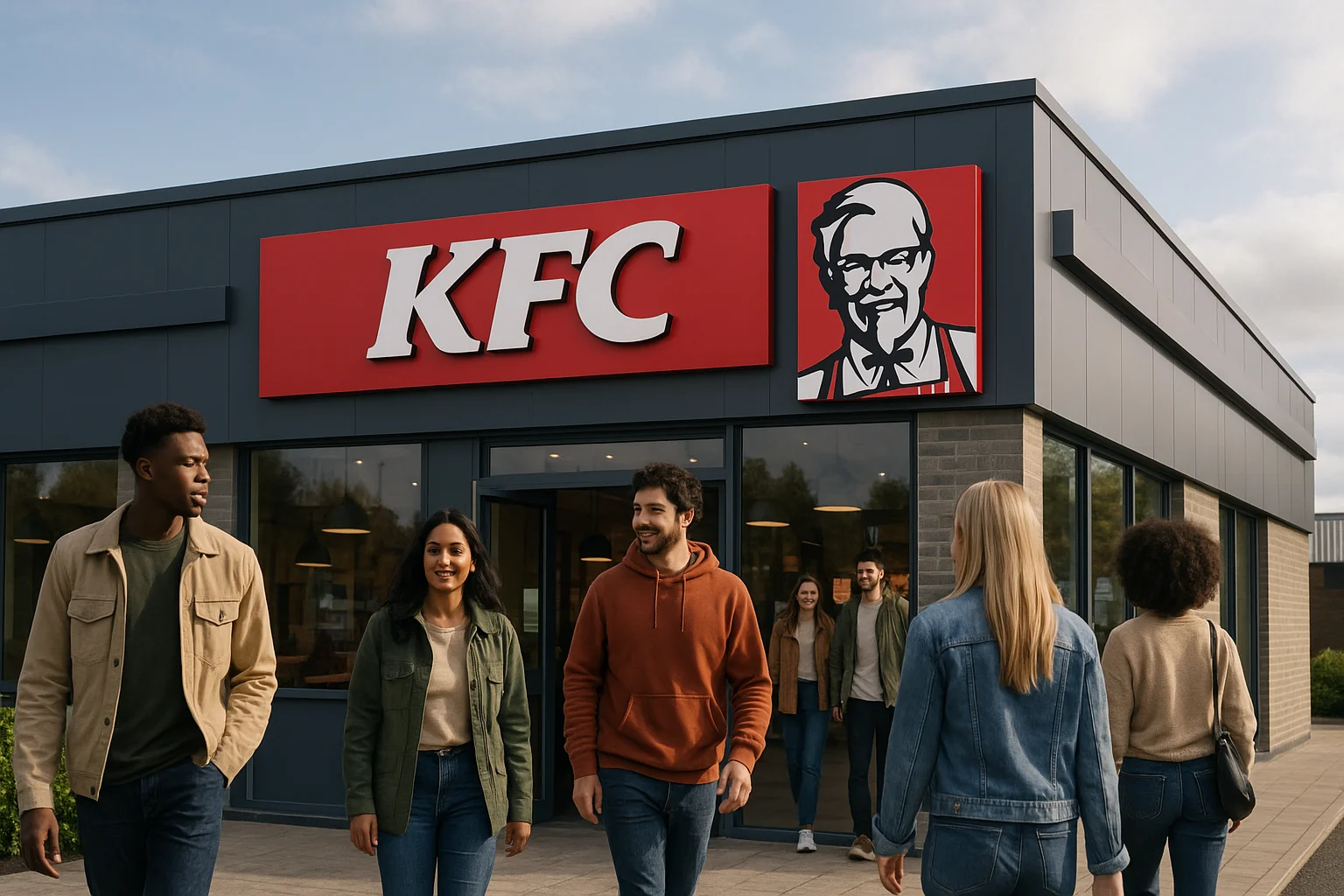
For many Muslims across the UK, deciding where to eat involves more than choosing a favourite meal, it also requires confidence that the food meets halal standards. With KFC being one of the nation’s biggest fast-food chains, its halal status is a key consideration for many customers.
Halal availability at KFC isn’t the same everywhere, and understanding how the company sources, certifies, and prepares its food is essential for those who follow Islamic dietary rules.
This guide provides clear, factual insight into KFC’s halal practices in the UK, helping you know exactly where and how halal-certified options are offered.
What Does ‘Halal’ Mean in the Context of UK Fast Food?

The term “Halal” in Arabic means “permissible” or “lawful.” In the context of food, especially meat, it refers to items that are prepared following Islamic dietary laws as prescribed in the Qur’an.
For meat to be considered Halal, it must come from a healthy animal slaughtered by a Muslim using a specific method known as Zabihah. The process excludes pork entirely and forbids cross-contamination with non-Halal products.
In the UK, where a large and growing Muslim population demands transparency in food standards, Halal certification is handled by trusted bodies such as the Halal Food Authority (HFA).
Their certifications verify that:
- The animal was alive and healthy at the time of slaughter.
- It was slaughtered by a practising Muslim invoking the name of Allah.
- The blood was fully drained from the veins.
- No cross-contamination occurs with non-Halal substances.
For fast food restaurants like KFC to be considered Halal-compliant, they must adhere strictly to these protocols and ensure their supply chain, preparation processes, and kitchen operations reflect Halal standards.
Is All KFC Chicken in the UK Halal Certified?
No, not all KFC restaurants in the UK serve Halal chicken. As of the latest update, there are approximately 1,000 KFC outlets in the UK and Ireland, and only around 200 of these are Halal-certified within the UK.
These branches have gone through a comprehensive certification process and regular audits to ensure ongoing compliance with Halal standards. The remaining outlets use standard chicken, which does not meet Halal criteria.
This selective approach is based on regional demand. For example, areas with a higher Muslim population are more likely to have Halal-certified stores. KFC makes a deliberate distinction between Halal and non-Halal branches, and the two types of stores are not interchangeable in terms of sourcing or kitchen practices.
If you’re unsure whether a specific KFC serves Halal food, it’s essential to verify through official channels.
How Does KFC Ensure Its Halal Standards Are Met?

KFC follows strict procedures to maintain halal integrity in its certified UK branches. From third-party oversight to internal controls, the company uses detailed standards to ensure that every stage, from sourcing to preparation, aligns with Islamic requirements. Below is an overview of how KFC upholds these halal practices.
Halal Certification and Oversight
KFC partners with the Halal Food Authority (HFA), one of the UK’s leading Halal certification organisations, to monitor and certify their Halal outlets.
This means that Halal-certified stores are not just using Halal meat but are regularly audited, inspected, and held to a high standard of compliance.
Internal Policies and Procedures
The process goes far beyond simply sourcing Halal chicken. KFC has implemented comprehensive protocols in Halal-certified stores to eliminate the risk of contamination or deviation.
These include:
- Sourcing poultry from HFA-approved suppliers.
- Ensuring dedicated storage and preparation areas.
- Staff training specific to Halal handling procedures.
- Halal-only menus in certified stores to eliminate any ambiguity.
Moreover, the Halal chicken used in these branches is not only slaughtered according to Islamic principles but also adheres to UK farming and animal welfare standards.
What Is Different About a Halal KFC Restaurant?
At first glance, a Halal KFC might not look any different from a regular branch. However, behind the scenes, several operational distinctions set it apart.
Menu Modifications and Staff Training
In Halal outlets, no pork products are served or stored, and the staff are trained on Halal compliance. Certain menu items and limited-time offers may not be available in Halal locations to ensure religious standards are upheld.
Food Handling and Equipment Usage
KFC takes careful measures to avoid cross-contamination between Halal and non-Halal items. This includes using separate equipment, utensils, and preparation spaces. The oil used for cooking in Halal stores is also not shared with any non-Halal items.
Where Can You Find Halal KFC Locations in the UK?

Halal-certified KFC branches are typically found in regions with significant Muslim populations. Fortunately, KFC provides customers with accessible tools to help them locate Halal outlets.
Finding Halal KFC Locations:
To determine whether a KFC branch is Halal-certified, customers can use the store locator on the company’s official website. Simply input your postcode or town name, and filter by Halal status.
Here are a few well-known Halal KFC locations:
| Region | Halal KFC Branches |
|---|---|
| London | Colliers Wood, Morden, London Road |
| Birmingham | Alum Rock Road, Stratford Road |
| Manchester | Cheetham Hill, Rusholme |
| Leicester | Evington Road, Highfields |
| Bradford | Leeds Road, Manningham |
This transparent approach ensures Muslim customers can make informed decisions before visiting a branch.
Does Halal Chicken at KFC Meet UK Animal Welfare Standards?
Animal welfare is a significant concern for both Muslim consumers and regulatory bodies in the UK. Halal certification at KFC involves a unique intersection of Islamic slaughter requirements and UK welfare standards.
The ‘Stun-to-Stun’ Method
To meet both religious and legal expectations, KFC uses a stun-to-stun method in Halal chicken processing. This involves stunning the chicken before slaughter in a way that does not cause death, satisfying both Halal principles and UK regulations.
Welfare Compliance
KFC ensures that all poultry, whether Halal or non-Halal, is:
- Grade A farm-assured
- Sourced from high-welfare farms
- Subject to rigorous audits and quality checks
- Processed under full compliance with UK and EU animal welfare legislation
The result is a process that respects both religious values and ethical farming standards.
Why Are Some KFC Locations No Longer Offering Halal Options?
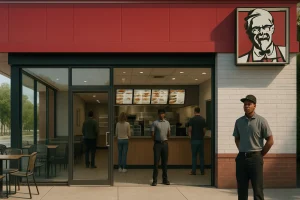
While the demand for Halal options in the UK has increased, not all trials have been successful. Certain branches have ceased offering Halal chicken due to insufficient customer demand or logistical challenges.
One such example is the KFC Mitcham branch, which ended its Halal service after a trial revealed limited interest in the area. However, KFC was quick to assure its customers that alternative Halal branches were available nearby, such as in Colliers Wood and Morden.
Factors Influencing Halal Service Decisions:
- Local demographics and demand
- Operational feasibility and supply chain consistency
- Customer feedback and store performance during trial periods
This adaptive model allows KFC to maintain a balance between customer preferences and practical implementation.
How Can Consumers Verify If Their Local KFC is Halal?
With such varied offerings, it’s critical for consumers to verify Halal status before placing an order. Fortunately, KFC provides several ways to do so.
Verifying Halal Status:
- Use the official store locator: This tool includes a Halal filter for easy identification.
- Check in-store signage: Certified branches clearly display Halal certification from the HFA.
- Ask the staff: Frontline employees at Halal-certified stores are trained to confirm the status confidently.
| Verification Method | What to Look For |
|---|---|
| KFC Store Locator | Halal certification label under store info |
| In-Store Signage | HFA certification on walls or menus |
| Staff Communication | Confirmed verbal assurance |
Customers are encouraged to remain vigilant and ask questions if they are unsure, as store status may change over time due to business strategy or supply constraints.
Conclusion
So, is KFC Halal in the UK? The answer is: partially. While a significant number of KFC restaurants across the country do offer Halal-certified chicken, the majority do not.
Those that do comply strictly with both Islamic dietary requirements and UK welfare standards, thanks to oversight by the Halal Food Authority and internal protocols within KFC.
Muslim consumers seeking Halal options must rely on accurate verification through KFC’s official resources, in-store labelling, and direct communication.
As demand continues to shape food services across the UK, KFC’s selective approach to Halal offerings represents a balance between regional preferences and brand-wide consistency.
Frequently Asked Questions
Is KFC Halal in all London locations?
No, not all KFC outlets in London are Halal. Only select branches, particularly in areas with high Muslim populations, are Halal-certified.
Who certifies KFC’s Halal meat in the UK?
KFC’s Halal meat is certified by the Halal Food Authority (HFA), a recognised and reputable certifying body in the UK.
Does KFC serve pork in its Halal branches?
No, pork is not served, handled, or stored in KFC’s Halal-certified locations.
Are Halal and non-Halal items cooked together at KFC?
In Halal branches, KFC ensures separate preparation and cooking areas to prevent cross-contamination with non-Halal items.
How can I tell if a restaurant is truly Halal?
Look for HFA certification in-store, check the KFC store locator, or confirm directly with staff before ordering.
Is KFC chicken hand-slaughtered in the UK?
No, KFC uses a controlled mechanical process, with a Muslim operator present, in line with Halal standards and HFA regulations.
What’s the difference between Halal and stunned Halal chicken?
Stunned Halal chicken involves a reversible stun before slaughter, ensuring the animal is alive at the time of slaughter, meeting both religious and welfare standards.
{
“@context”: “http://schema.org/”,
“@type”: “FAQPage”,
“mainEntity”: [
{
“@type”: “Question”,
“name”: “Is KFC Halal in all London locations?”,
“acceptedAnswer”: {
“@type”: “Answer”,
“text”: “No not all KFC outlets in London are Halal. Only select branches particularly in areas with high Muslim populations are Halal-certified.”
}
},
{
“@type”: “Question”,
“name”: “Who certifies KFC’s Halal meat in the UK?”,
“acceptedAnswer”: {
“@type”: “Answer”,
“text”: “KFC’s Halal meat is certified by the Halal Food Authority (HFA) a recognised and reputable certifying body in the UK.”
}
},
{
“@type”: “Question”,
“name”: “Does KFC serve pork in its Halal branches?”,
“acceptedAnswer”: {
“@type”: “Answer”,
“text”: “No, pork is not served handled or stored in KFC’s Halal-certified locations.”
}
},
{
“@type”: “Question”,
“name”: “Are Halal and non-Halal items cooked together at KFC?”,
“acceptedAnswer”: {
“@type”: “Answer”,
“text”: “In Halal branches KFC ensures separate preparation and cooking areas to prevent cross-contamination with non-Halal items.”
}
},
{
“@type”: “Question”,
“name”: “How can I tell if a restaurant is truly Halal?”,
“acceptedAnswer”: {
“@type”: “Answer”,
“text”: “Look for HFA certification in-store check the KFC store locator or confirm directly with staff before ordering.”
}
},
{
“@type”: “Question”,
“name”: “Is KFC chicken hand-slaughtered in the UK?”,
“acceptedAnswer”: {
“@type”: “Answer”,
“text”: “No, KFC uses a controlled mechanical process with a Muslim operator present in line with Halal standards and HFA regulations.”
}
},
{
“@type”: “Question”,
“name”: “What’s the difference between Halal and stunned Halal chicken?”,
“acceptedAnswer”: {
“@type”: “Answer”,
“text”: “Stunned Halal chicken involves a reversible stun before slaughter ensuring the animal is alive at the time of slaughter meeting both religious and welfare standards.”
}
}
]
}