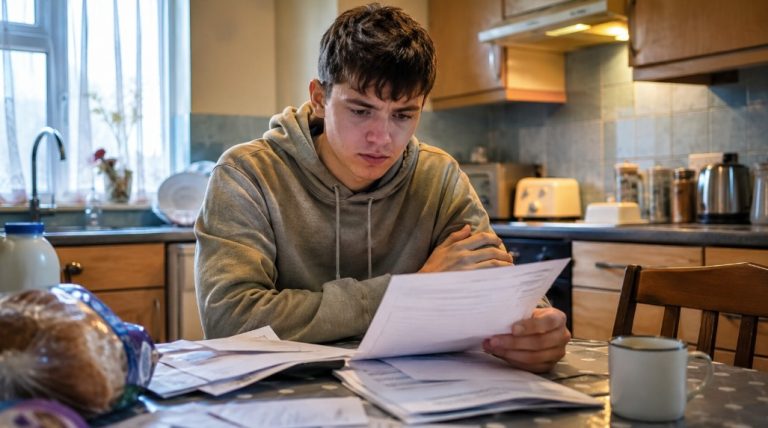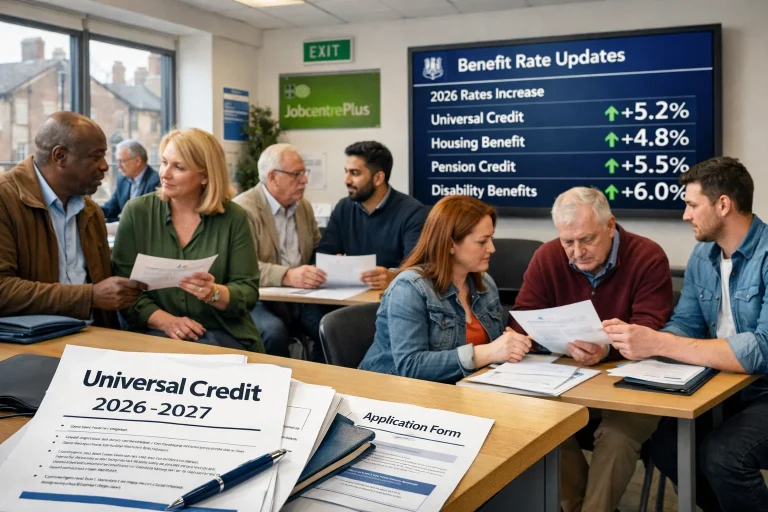

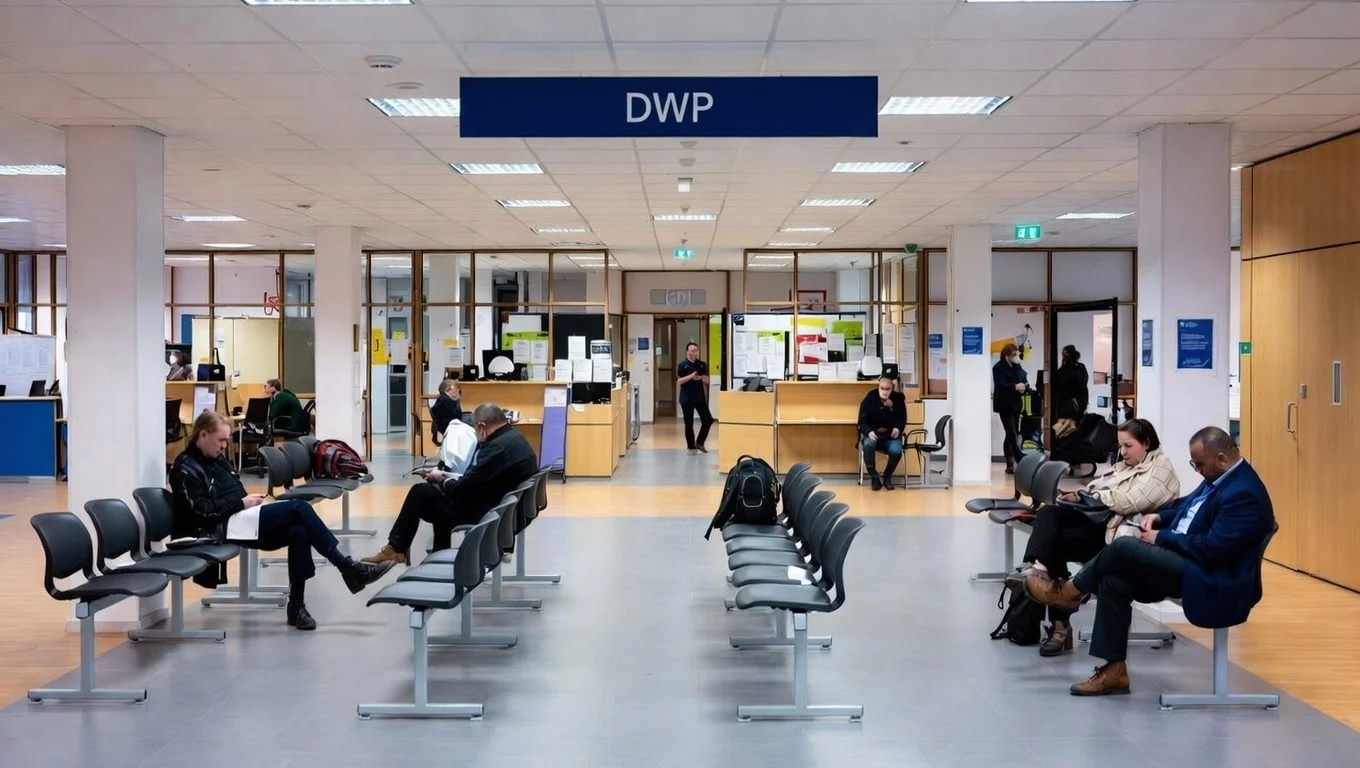
Delays may occur for PIP, pensions, or Universal Credit due to a major industrial action led by the PCS union, representing nearly 50,000 Department for Work and Pensions (DWP) staff across the UK.
The strike ballot, if successful, could lead to the disruption of essential welfare services beginning in March 2026. While critical payments are expected to continue, administrative and support functions could experience delays, affecting thousands of claimants.
Key Takeaways:
- PCS union ballot is active from 19 January to 23 February 2026
- Strike action could begin as early as March 2026 under UK labour law
- PIP, pension, and Universal Credit claimants may face service delays
- The dispute centres on low pay, poor conditions, and a lack of government response
Why Are Delays Expected for PIP, Pensions, and Universal Credit in the UK?
Delays are expected across benefit services due to large-scale industrial action involving staff from the Department for Work and Pensions. The strike action stems from ongoing disputes over low pay, rising workloads, and the department’s failure to address widening pay gaps within the civil service. Many DWP employees argue that their current pay does not reflect the responsibility or complexity of their roles.
The PCS union, which represents thousands of DWP workers, has launched a formal strike ballot covering frontline services nationwide. If the ballot results in support for industrial action, administrative backlogs are likely to follow, particularly in benefit processing and assessment services.
With almost 50,000 workers eligible to vote, the scale of the dispute could lead to one of the most significant disruptions to welfare services in recent years.
Staff working in Universal Credit service centres, pension offices, and PIP assessment units play a crucial role in keeping the system functioning.
Any reduction in staffing levels due to strike action could make it harder to meet demand, especially during a period of ongoing cost-of-living pressures. Claimants are being warned that delays may occur, particularly where services rely on manual processing or face-to-face appointments.
Who Is Involved in the DWP Strike Ballot and What Does It Cover?
The strike ballot has been organised by the PCS union and involves close to 50,000 DWP employees working across a wide range of services. These staff are central to the delivery of welfare support throughout the UK and include some of the lowest-paid workers in the civil service.
Around 25,000 employees are currently in the lowest pay bands and risk earning close to the National Living Wage despite years of experience.
The ballot covers staff working in:
- Universal Credit service centres
- Personal Independence Payment processing units
- Pension and benefit support teams
- Jobcentre frontline offices
Ballot papers are issued by post in line with legal requirements, and voting remains open until 23 February 2026. Members who do not receive their ballot can request a replacement through PCS Digital. Alongside the vote, the union is holding online rallies, training sessions, and workplace campaigns to encourage participation.
PCS leaders argue that the ballot reflects widespread dissatisfaction across the department. The outcome could determine whether industrial action is authorised, with serious implications for public-facing services if grievances remain unresolved.
What Is the Timeline for the DWP Strikes and When Could Disruptions Begin?

The statutory strike ballot opened on 19 January 2026 and will close on 23 February 2026. This timetable reflects PCS efforts to apply pressure during pay negotiations for the 2025 to 2026 period. If members vote in favour of strike action, the union must provide a minimum of 10 days’ notice before any walkouts begin, in line with the Employment Rights Act 2025.
This shorter notice period, reduced from the previous 14 days, means strike action could start as early as the first week of March 2026. Ballot results are expected within 48 hours of the vote closing, leaving limited time for claimants and the DWP to prepare for potential disruption.
The coming weeks are therefore critical. While industrial action would not begin immediately after the ballot, the legal framework allows for a much faster escalation than in previous disputes. Claimants who rely on benefit services are advised to monitor official announcements closely during late February.
How Could the DWP Strikes Impact Benefit Payments?
If strike action moves forward, claimants could face a range of delays, particularly in services that rely on direct staff involvement. While automated systems may continue functioning, any task requiring manual input or administrative action is at risk of slowing down.
Disruption to Administrative Services
Benefit payments processed through automated systems like Universal Credit and pensions should remain largely unaffected. However, delays are highly likely in areas such as updating personal details, making corrections, handling appeals, or processing new applications. Staff walkouts will limit the department’s capacity to handle these processes efficiently.
Services Most Likely to Be Delayed
Some of the key services expected to be impacted include:
- Jobcentre appointment scheduling
- Universal Credit and PIP claim changes
- In-person document verification
- Manual claim updates and complex reviews
These areas depend heavily on staff interaction. Reduced staffing will likely lead to longer queues, postponed assessments, and unresolved enquiries.
Impact on Vulnerable Claimants
Those who rely on regular in-person support, such as disabled claimants, elderly individuals, or people without digital access, may face the greatest difficulties. Delays in PIP assessments or documentation processing could leave many without access to essential financial support at critical times.
Will Universal Credit and Pension Payments Stop During the Strikes?
Universal Credit and State Pension payments are expected to continue in most cases, as these are largely managed through automated systems. However, administrative processes linked to these payments could face delays if staffing levels are reduced during strike action.
Changes to personal circumstances, payment corrections, or new applications may take longer to process. During previous PCS-led strikes, the DWP has prioritised keeping core payments running, but customer service functions and case handling often experienced slower response times.
Even where payments are issued on schedule, delays in communication or processing can cause confusion for claimants. The government has stated that it does not expect critical payments to be suspended, but longer waiting times and service backlogs are considered likely if strike action continues for an extended period.
What Are DWP Employees Saying About Pay and Working Conditions?
DWP employees involved in the ballot have raised serious concerns about stagnant pay, rising workloads, and falling morale. With around 25,000 workers earning wages close to the National Living Wage, many feel their roles are undervalued despite being essential to the functioning of the welfare system.
PCS General Secretary Fran Heathcote said,
“Strike action is always the last resort. Our members want to work, and they are proud of the job they do, but poverty pay is not sustainable.”
Staff have shared similar frustrations:
“I’ve worked here for years, yet my pay barely covers rent and basic bills,” said one support officer.
“We’re expected to do more every year with fewer resources, and it feels like no one is listening,” explained a case handler.
“Some colleagues are struggling to afford everyday essentials while working full time,” said an assessment officer.
These accounts highlight that the dispute is about more than pay alone. Many workers see the ballot as a stand for dignity, mental wellbeing, and fair treatment across the department.
How Has the Government Responded to the Strike Ballot?
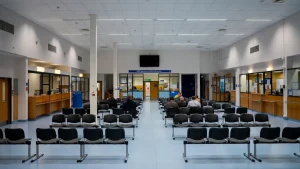
The government and the DWP have defended their pay offer, stating that it reflects wider public sector pay constraints and available budgets. A DWP spokesperson said the current award was shaped through consultation with trade unions and took into account the upcoming increase in the National Living Wage.
Officials have also emphasised ongoing efforts to recruit and retain staff, alongside measures to support employees affected by restructuring plans, including office closures. Redeployment options and voluntary redundancy schemes have been introduced in certain areas as part of these changes.
Despite acknowledging staff concerns, there are currently no indications that pay negotiations will be reopened. Instead, the department appears focused on managing the potential impact of strike action while maintaining its pay policy within Treasury guidelines.
What Are the Key Differences Between PCS Union Demands and the DWP Offer?
The dispute centres on a fundamental difference in priorities between the PCS union and the DWP. While the government has followed standard Treasury pay guidance, PCS argues that this approach fails to address low pay among frontline workers.
The DWP has proposed an average pay increase of 3.25 per cent, rising to 4.01 percent for some administrative grades. PCS, however, is calling for a restorative pay award that ensures wages sit clearly above living wage levels and reflect the responsibilities of the roles.
| Feature | DWP Final Offer | PCS Union Demand |
|---|---|---|
| Pay Increase | 3.25 percent average, up to 4.01 percent | Higher, restorative pay increase |
| Lowest Pay Rate | £27,774 for Administrative Assistants | Clear buffer above April 2026 NLW |
| Budget Basis | Treasury standard pay remit | Special business case for more funding |
| Pay Focus | Senior and specialist roles | Lowest three pay grades |
The gap between the two positions remains wide, and until it narrows, the risk of industrial action is unlikely to disappear.
What Should Claimants Do if Their Payments Are Delayed?

With potential disruption ahead, it’s important for claimants to take steps that safeguard their benefits and ensure continuity of support. The DWP and advisory organisations have outlined a number of best practices to follow if delays occur.
Steps to Take Immediately
Claimants should:
- Use their Universal Credit online journal to report issues or delays
- Save copies of any DWP correspondence, both digital and paper
- Attend all appointments unless officially told otherwise
- Keep a record of attempted communications with DWP
These actions create a transparent paper trail that may support backdated payments or appeal processes later on.
How to Prevent Sanctions During Delays?
Missing appointments or failing to provide required information could result in sanctions even during strike periods. To avoid this:
- Continue meeting DWP requirements unless explicitly informed not to
- Notify your work coach through your UC journal if you cannot attend
- Ask for confirmation of any changes in writing
Clear communication is key to avoiding interruptions in benefit entitlement.
Where to Get Additional Support?
If delays cause hardship, the following support is available:
- Citizens Advice can guide claimants on rights and emergency support
- Hardship Payments may be available through the DWP for urgent needs
- Local authorities may offer welfare assistance grants
Staying informed and proactive will help reduce the negative impact of any delay caused by the strike action.
Could Local Communities Be Affected?
Local communities across the UK could feel the impact of DWP strike action, particularly those that rely heavily on in-person services. Reduced appointment availability, service rescheduling, or shifts to online-only support could create difficulties for people who depend on direct assistance.
Advice organisations such as Citizens Advice are likely to see increased demand as claimants seek guidance. Areas already facing staffing shortages or service changes may be affected most, placing additional pressure on local support networks. Staying informed through official updates will be essential for managing expectations and accessing help where needed.
What Is the Outlook for March 2026 if Strike Action Proceeds?
If the ballot results in support for strike action, March 2026 could mark the start of significant disruption across the welfare system. While the DWP may prioritise essential payments, administrative backlogs and reduced support services are likely.
The scale and duration of any strike will be key factors. A nationwide action involving large numbers of staff could make it difficult for the department to maintain current service levels. Claimants should be prepared for slower processing times and limited access to face-to-face support during this period.
What Can UK Residents Expect in the Coming Weeks?
As the ballot continues, UK residents should be prepared for possible changes to DWP services. Core payments are expected to continue, but delays in administration and communication may increase.
Key steps include:
- Following PCS and news updates closely
- Allowing extra time for DWP responses
- Ensuring benefit details are accurate and up to date
- Seeking advice early if financial difficulties arise
The situation remains fluid, and early preparation may help reduce disruption if strike action begins.
Conclusion
Why delays may occur for PIP, pensions, or UC due to strike action in the UK is now clearer as the dispute between DWP staff and the government continues.
While essential payments are expected to remain in place, administrative delays and reduced support services are a real possibility if industrial action goes ahead. Staying informed, organised, and proactive will be vital for claimants as the situation develops.
FAQs
Are DWP offices completely closed during strike action?
Most offices are expected to remain open, but with reduced staffing and services.
Will I still get my PIP or Universal Credit on time?
Automated payments should continue, but delays may affect manual processing.
What happens if I miss a Jobcentre appointment due to a strike?
You should attend unless officially told not to, to avoid sanctions.
Can I contact the DWP if I don’t receive my payment?
Yes, but response times may be slower during strike periods.
How long could delays last if strikes go ahead?
Delays could begin in March and last several weeks, depending on the action.
Are emergency payments available?
Citizens Advice can help with hardship payments or local welfare support.
Will delayed payments be backdated?
Yes, most benefits are backdated once processing resumes.