
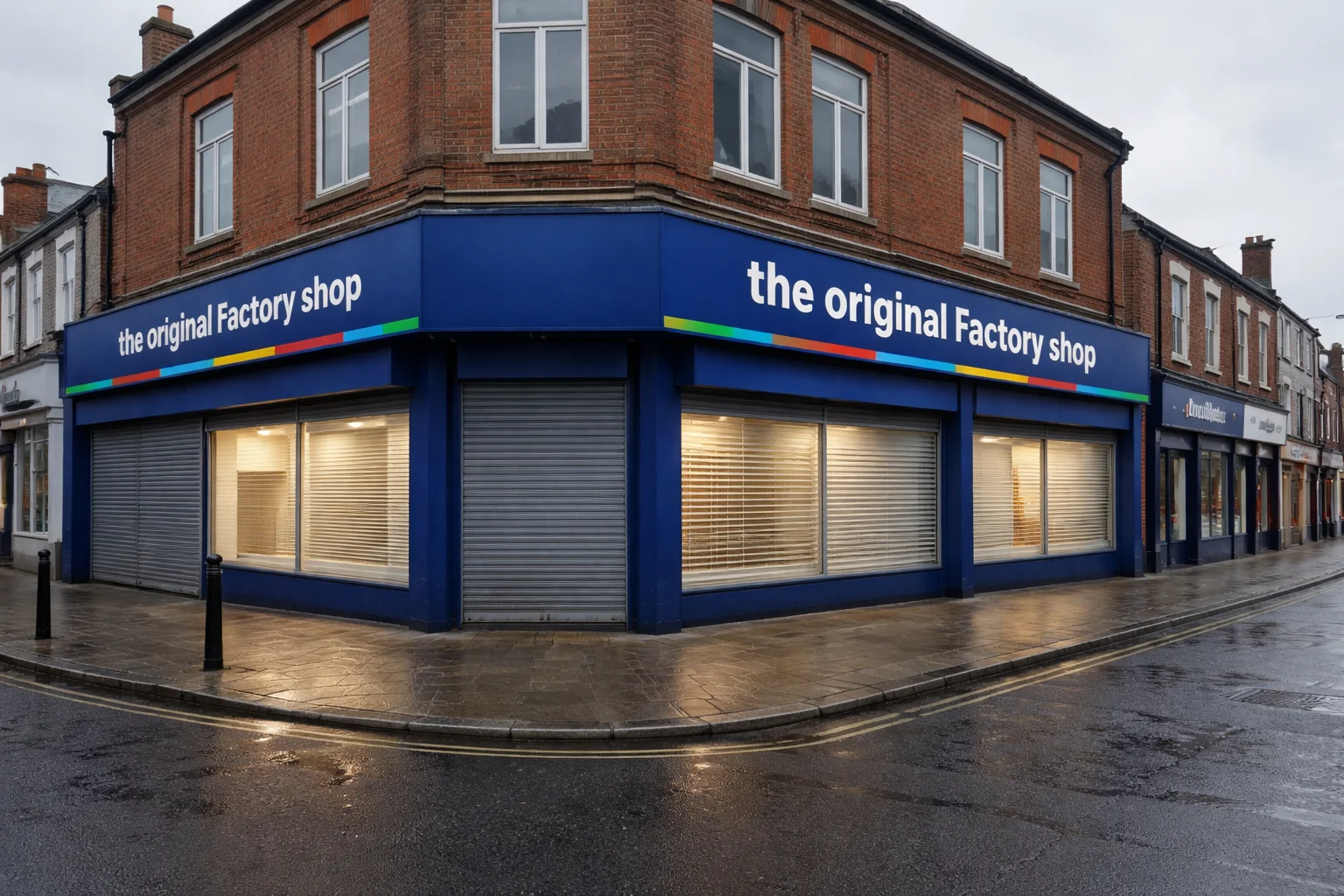
The answer is that The Original Factory Shop shut all 137 stores because the business could no longer trade profitably after rising costs, weak consumer confidence and unsuccessful rescue talks.
The retailer entered administration on 28 January 2026, kept stores open temporarily with clearance sales, and finally closed every branch on 4 April 2026.
Key points readers need to know:
- All 137 stores and the Bolton head office are now closed
- The online shop closed immediately on 28 January 2026
- Around 1,180 jobs were affected across the UK
- Stores stayed open for several weeks with discounts of up to 50%
- Customers could still receive older online orders and exchange some earlier purchases
- Administrators could not find a buyer or rescue deal for the business
For many UK shoppers, the original factory shop closures are another sign of the growing pressure facing the high street.
Why Did The Original Factory Shop Enter Administration?
The original factory shop closures happened because the retailer was facing several financial problems at the same time. According to both the administrators and the owner of Modella Capital, the company was no longer able to operate profitably.
The business had already been struggling before 2026. After being bought by Modella Capital in February 2025, the chain reduced its number of stores from around 180 to 137 through a company voluntary arrangement.
Several pressures then became more serious:
- Falling customer spending because many households were cutting back
- Lower footfall on local high streets
- Rising staffing costs and National Insurance increases
- Inflation is affecting rent, stock and transport costs
- Higher business rates and other running expenses
- Ongoing problems with declining sales in smaller towns
Modella Capital said the company had been affected by “weak consumer confidence” and “adverse government fiscal policies”. The owner argued that higher employment costs made it harder for discount retailers to survive.
One Interpath spokesperson also explained the position clearly:
“Without any viable offers to take the business forward, it was not possible for The Original Factory Shop to continue trading and all remaining stores were closed on 4 April 2026.”
That statement summed up the main issue. Even after weeks of trying to rescue the chain, administrators could not find a buyer willing to save the business.
How Did The Original Factory Shop Closures Unfold Across The UK?
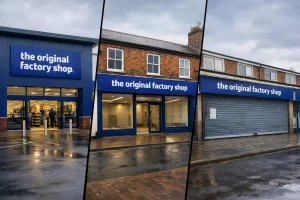
The original factory shop closures did not happen all at once. Instead, the process unfolded over several months as administrators tried to save the company while gradually reducing the number of stores.
When the retailer entered administration, many shoppers assumed every branch would shut immediately. However, that was not the case. Stores remained open for a period because administrators believed there was still a chance of finding a buyer or restructuring the business.
When Did TOFS First Announce The Closures?
The first major announcement came on 28 January 2026. On that day, The Original Factory Shop confirmed that it had entered administration.
Richard Harrison and James Clark from Interpath were appointed as joint administrators. They said all 137 shops would continue trading while options for the future were reviewed.
The company immediately launched heavy clearance sales in stores, including:
- Up to 50% off selected products
- “Everything must go” promotions
- Large reductions on clothing, homeware and toys
At the same time, the online store stopped taking new orders. Existing online orders placed before 28 January would still be delivered.
The official company message thanked customers for supporting the retailer for more than 55 years and encouraged people to visit local branches while they remained open.
Why Did The Stores Stay Open After Administration?
The stores stayed open because administrators wanted to trade the company as a “going concern”. This means they hoped to keep the business operating long enough to attract a buyer or investor.
By leaving stores open temporarily, administrators could:
- Continue bringing money into the business
- Sell remaining stock
- Reduce financial losses
- Give potential buyers more time to review the company
Interpath believed that keeping branches open gave the business the best possible chance of survival. Some stores also remained busy because of the large discounts.
Rick Harrison from Interpath described the retailer as an important part of local communities and said:
“The Original Factory Shop has long been a cornerstone of local high streets up and down the country. Unfortunately, however, trading challenges have impacted the business such that the company had to be placed into administration.”
Despite those efforts, no buyer came forward with a realistic offer. As stock ran low and the company’s financial position worsened, more branches started closing gradually across England, Scotland, Wales and Northern Ireland.
When Did The Final TOFS Stores Close For Good?
The final stage of the original factory shop closures happened on 4 April 2026. That was the date when every remaining branch shut permanently.
Interpath later explained that the company used a phased closure process. Some branches had already closed earlier in March, while others continued trading until the final week.
A spokesperson explained:
“A phased closure of the store portfolio was implemented considering the financial position.”
By early April, there were no rescue bids left on the table. Administrators decided that the business could no longer continue. All remaining stores closed on the same day, along with the Bolton head office.
Although the majority of workers lost their jobs immediately, a small number of staff remained behind to help close the company properly. Their work included handling paperwork, supporting former employees and dealing with final stock and property issues.
What Happened To The Original Factory Shop Website And Online Orders?
The company’s website was one of the first parts of the business to close. As soon as administration began on 28 January 2026, the online shop stopped accepting new orders.
This meant customers could no longer buy products through the TOFS website. However, the company confirmed that any orders placed before 28 January would still be delivered as normal.
The rules for returns also changed after administration. Items bought before 28 January could still be exchanged in store if customers had proof of purchase and followed the normal returns policy. In most cases, the exchange had to be for goods of the same value or less.
For items purchased after 28 January, the policy became much stricter. Those products were sold as seen, which meant stores would only accept returns if the goods were faulty.
The company stressed that customers still kept their normal legal rights under UK consumer law, even though the business was in administration.
What Did The Original Factory Shop Closures Mean For Customers?
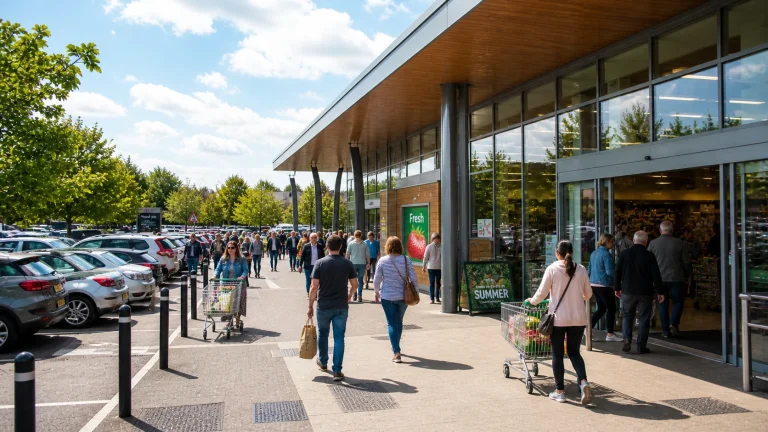
For customers, the original factory shop closures created a mixture of bargains, confusion and concern. Many people rushed to local branches because they wanted to take advantage of the final discounts before stores disappeared completely. During the final weeks, shoppers could still visit stores and buy stock at reduced prices.
Many branches offered discounts of up to 50%, especially on:
- Clothing and footwear
- Homeware and seasonal items
- Toys and gifts
- Beauty and personal care products
However, the shopping experience changed once the company entered administration. Customers had fewer rights than before if they bought goods after 28 January 2026.
The official rules were:
- Purchases made before 28 January could still be exchanged with proof of purchase
- Purchases made after 28 January were sold as seen
- Faulty goods could still be returned
- The online store would not reopen for new purchases
For example, if a customer bought a kettle before the administration date and later discovered it was unsuitable, they could usually exchange it in store. If they bought the same kettle after 28 January, they would only be entitled to a refund or exchange if the item was faulty.
Many shoppers were disappointed because TOFS had been part of their local high street for decades. Others said the final clearance sales offered a last chance to buy affordable products before the chain disappeared.
How Many Jobs Were Lost Because Of The Original Factory Shop Closures?
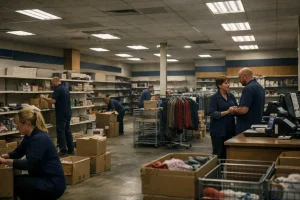
The original factory shop closures had a major impact on workers across the UK. When the company entered administration, it employed around 1,180 people in stores and at its head office in Bolton.
For many employees, the collapse came as a shock. Staff had continued working through the administration period while hoping a buyer would save the chain. Instead, most workers were eventually made redundant when the final stores closed.
How Many Employees Were Affected Across Stores And Head Office?
Around 1,180 employees were affected in total. This included staff working in all 137 stores, along with workers based at the company’s head office and support teams.
When the business first entered administration, employees continued working as normal. Administrators wanted to keep the chain operating while they looked for a buyer.
Over time, however, staff numbers started to fall as individual stores shut. By the beginning of April, the majority of employees had lost their jobs.
The biggest impact was felt in:
- Bolton, where the company’s head office is located
- Smaller towns where TOFS was one of the few major discount retailers
- Local communities where employees had worked for the business for many years
Interpath later confirmed that most staff had been made redundant after the final closure date of 4 April 2026. Only a very small number of workers remained in temporary roles.
What Support Was Offered To Former TOFS Employees?
Although many workers lost their jobs, administrators said support would be available. Interpath arranged for a specialist team to help former staff understand what they could claim.
The main source of support came through the UK Redundancy Payments Service. This government-backed system helps workers receive money if their employer becomes insolvent.
Former TOFS employees could usually apply for:
- Statutory redundancy pay
- Unpaid wages
- Holiday pay
- Notice pay
- Pension information and support
Interpath said a dedicated team would help staff complete the claims process.
One spokesperson explained that:
“A specialist team is in place to support impacted staff with making Redundancy Payments Service claims.”
For many workers, this support was important because some had spent years, or even decades, with the company. Staff in smaller towns often faced extra uncertainty because there were fewer nearby job opportunities.
Why Were TOFS Employees Kept On After The Closures?
Even after the stores closed, a small number of TOFS employees stayed on temporarily. These workers were not kept to continue trading. Instead, they helped administrators finish closing the company properly.
Their responsibilities included:
- Managing final paperwork
- Helping former staff with redundancy claims
- Arranging the sale or removal of the remaining stock
- Dealing with landlords and empty stores
- Closing the head office and business records
Interpath said only a “small number” of employees remained after 4 April 2026. The rest had already been made redundant.
This is common when a large retailer closes because administrators still need a few experienced workers who understand the business. Those final employees often help for several weeks before the company is fully wound up.
Who Owned The Original Factory Shop Before The Closures?
Before the original factory shop closures, the retailer was owned by Modella Capital. The private equity firm bought the business in February 2025, when the chain still had around 180 stores.
At the time, Modella said it wanted to revive the retailer and improve performance. However, only a few months later, the company entered a company voluntary arrangement. That process led to several stores shutting and reduced the estate from 180 shops to 137.
Modella also owned other struggling retail businesses, including Claire’s Accessories and TG Jones, the renamed former WH Smith high street stores.
Critics questioned whether private equity ownership made the situation worse, especially because both Claire’s and TOFS entered administration within a short period. However, Modella argued that the business had inherited long-standing problems and that difficult trading conditions made a recovery impossible.
Could The Original Factory Shop Have Been Saved?
Administrators did try to save the business. For several weeks after January 2026, stores remained open because Interpath hoped another retailer or investor might buy all or part of the company.
Keeping stores open gave potential buyers time to review the business. The administrators also hoped the large clearance sales would improve the company’s finances.
However, several problems made the rescue difficult. The chain had too many underperforming stores, falling sales and rising costs. By the time the administration process began, many experts believed the business had already been weakened for years.
There was also little interest from buyers because other retailers were facing similar financial pressures. In the end, Interpath said no viable offers were received.
That meant the original factory shop closures became unavoidable, even though the brand had been trading on British high streets since 1969.
What Do The Original Factory Shop Closures Mean For The UK High Street?
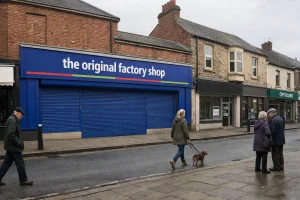
The original factory shop closures are important because they show how difficult life has become for many UK retailers. TOFS was not a luxury chain or a niche brand. It was a discount retailer aimed at ordinary shoppers, especially in smaller towns.
Its collapse suggests that even businesses selling affordable products are struggling to survive.
Why Are So Many UK Retailers Closing Stores?
Many retailers are facing the same problems that affected TOFS. Costs have risen sharply in recent years, while customer spending has become weaker.
Businesses now have to deal with:
- Higher rent and energy bills
- Increased National Insurance and wage costs
- Rising delivery and transport expenses
- More competition from online shopping
- Lower footfall in town centres
As a result, more chains are reducing their number of stores or closing completely. Other businesses linked to Modella Capital, including Claire’s Accessories, have also entered administration. Meanwhile, retailers such as New Look have continued closing selected branches around the UK.
The wider message is clear. Many retailers are finding it harder to make money from physical stores, especially in smaller communities.
How Will Smaller Towns Be Affected By TOFS Closures?
The biggest effect may be felt in smaller towns, where TOFS often played an important role. Unlike some national chains, The Original Factory Shop had many branches in places that had already lost banks, post offices and other shops. For those communities, the closure means more than simply losing another retailer.
It can also lead to:
- Empty units on the high street
- Fewer local jobs
- Less choice for shoppers
- Lower footfall for nearby businesses
In some towns, TOFS was one of the last major discount stores still trading. Its closure may make it harder for people without a car or internet access to buy affordable goods locally.
The Prudhoe branch in Northumberland, for example, was described by local residents as a “massive blow” because the shop had served the area for years. Similar concerns have been raised in Wales, Scotland and Northern Ireland.
Could More High Street Retailers Close In 2026?
There is a real possibility that more retailers could close stores during 2026, although every business is different.
Retail experts are watching for warning signs such as:
- Large clearance sales
- Sudden store closure announcements
- Company voluntary arrangements
- Online shops are closing before physical stores
- Retailers blame weak consumer confidence
However, it is important not to assume every struggling chain will disappear. Some businesses may survive by reducing the number of stores, moving online or finding new investors.
The closure of TOFS is best seen as part of a wider challenge facing the British high street. Unless consumer spending improves and business costs fall, more retailers may decide they cannot continue in their current form.
What Are The Key Facts About The Original Factory Shop Closures?
The original factory shop closures happened over several months, beginning with administration in January and ending with final closures in April.
The key facts below summarise the most important information for customers, employees and anyone following the future of the UK high street.
Key Detail Information
Date administration began 28 January 2026
Number of stores 137
Final closure date 4 April 2026
Number of employees affected Around 1,180
Online store status Closed immediately on 28 January
Owner before closure Modella Capital
Joint administrators Richard Harrison and James Clark of Interpath
Main reasons for collapse Weak consumer confidence, rising costs and no rescue buyer
The company originally had around 180 stores when Modella Capital bought it in 2025. That number later fell after a company voluntary arrangement.
TOFS continued trading for several weeks after administration because Interpath wanted to keep the chain operating while possible buyers were approached. Once no suitable offers were received, all remaining shops and the Bolton head office closed permanently.
Conclusion
The original factory shop closures mark the end of a retailer that had been part of British high streets for more than 55 years. Although stores remained open temporarily after administration, the business could not survive because of weak consumer confidence, rising costs and the failure to secure a buyer.
For customers, the final weeks brought major discounts but also confusion about returns and online orders. For employees, the closures meant the loss of around 1,180 jobs. For towns across the UK, the disappearance of TOFS leaves another empty space on the high street.
The story also reflects a much wider issue. Many UK retailers are under pressure, especially those based in smaller towns. Unless conditions improve, the original factory shop closures may not be the last major retail collapse seen in 2026.
FAQs
Did The Original Factory Shop Go Bust Or Enter Administration?
The Original Factory Shop entered administration on 28 January 2026 rather than going bust immediately. However, the administration process later ended with all 137 stores closing permanently.
Were All TOFS Stores Closed At The Same Time?
No, the stores closed in stages over several weeks while administrators looked for a buyer. The final remaining branches shut on 4 April 2026.
Can Customers Still Return Items Bought Before January 2026?
Items bought before 28 January 2026 could still be exchanged in store if customers had proof of purchase. The exchange had to follow the normal returns policy and usually be for goods of the same value or less.
Why Did The Original Factory Shop Website Close Before The Stores?
The website closed immediately because administrators wanted to reduce costs and stop new online orders. Physical stores stayed open temporarily so stock could still be sold and rescue options could be explored.
Who Were The Joint Administrators For TOFS?
Richard Harrison and James Clark from Interpath were appointed as the joint administrators. Their role was to manage the business, review rescue options and oversee the closures.
Could Another Company Buy The Original Factory Shop Brand In Future?
It is possible that another company could buy the TOFS brand name or remaining assets in future. However, no buyer came forward during the administration process in early 2026.
Which Other UK Retailers Have Closed Stores In 2026?
Several other retailers have also reduced their store numbers in 2026, including Claire’s Accessories and New Look. These closures show that many high street chains are facing similar financial pressures.