

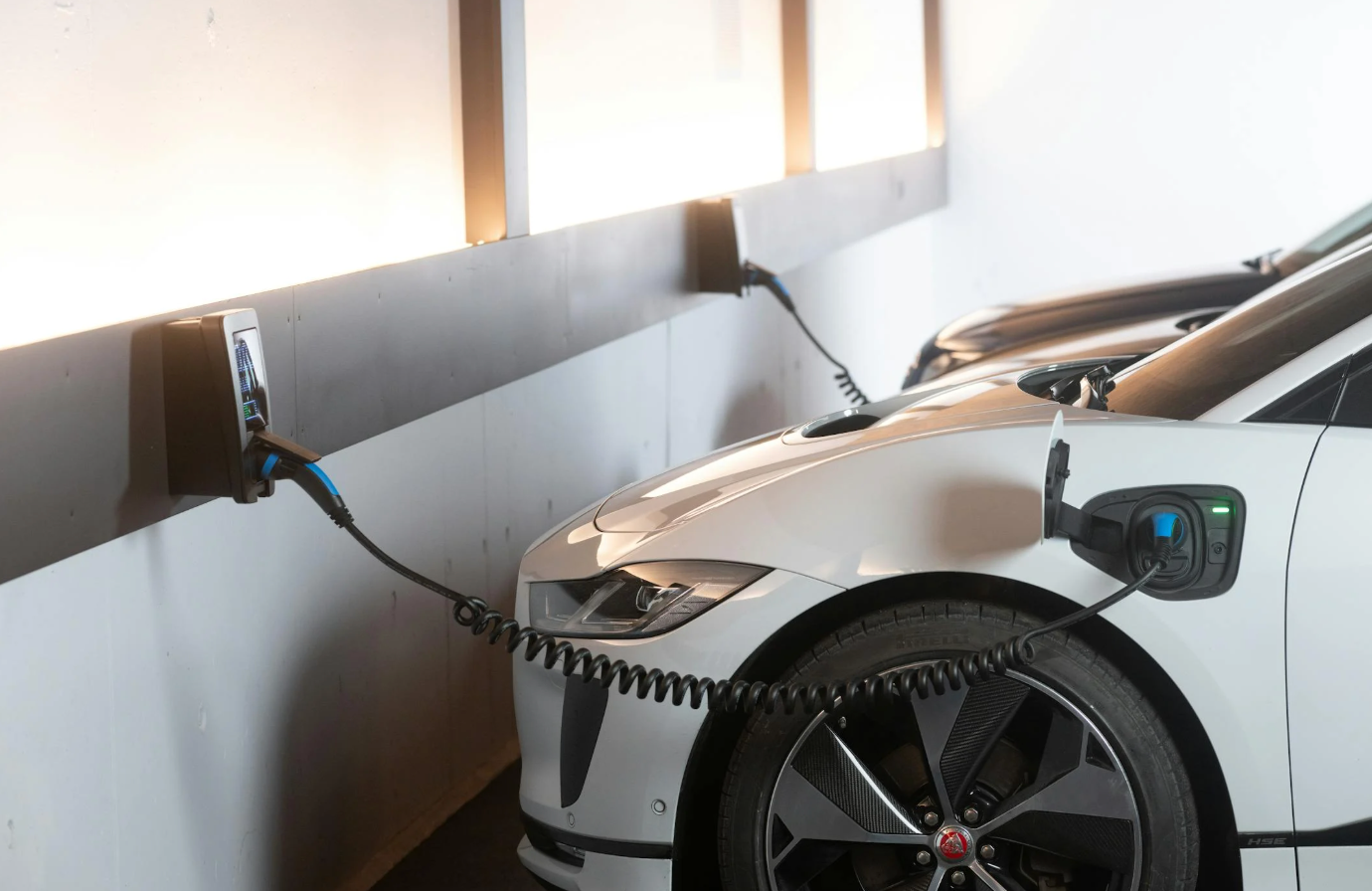
The shift towards electric vehicles is reshaping how we think about mobility, energy generation, and urban design. However, putting millions of new electric cars on the road requires more than just building new vehicles. We must completely rethink how we deliver power.
The UK is racing to meet its ambitious net-zero targets. Drivers demand reliable, accessible, and quick ways to power their cars. Enter the electric vehicle charging hub.
This model is rapidly replacing the isolated, single-plug stations of the past. These comprehensive sites are not merely places to plug in; they play an important role in the evolution of the National Grid.
What is an Electric Vehicle Charging Hub?
An electric vehicle charging hub is a dedicated site equipped with multiple charging points designed to serve many vehicles simultaneously. Think of them as the modern equivalent of a traditional petrol station, but built entirely for electrons.
Unlike standalone chargers tucked away in the back of a car park, hub-based systems are purpose-built facilities. They feature an array of rapid and ultra-rapid chargers, robust grid connections, and sophisticated energy management systems.
Many also offer amenities like cafes, workspaces, and retail options. By grouping chargers together, operators can invest in higher-capacity hardware and software, providing a far more reliable experience for the user.
The Strain on Existing Electrical Infrastructure
As EV adoption accelerates across the UK, grid demand rises sharply. Millions of drivers plugging in their cars after work creates a massive peak load on an already stretched system.
The core challenge lies in ageing networks. Many local grids were designed decades ago and simply lack the capacity to handle simultaneous high-voltage energy draws.
This strain creates regional disparities in grid capacity UK planners must navigate. Without intervention, adding multiple fast-charging points to a single street or commercial site often requires expensive and time-consuming substation upgrades.
We need solutions that manage this increased load without causing network failures or demanding exorbitant infrastructure overhauls.
How Charging Hubs Support Modern Electrical Infrastructure?

Rather than just draining power, a well-designed charging hub actively supports modern electrical infrastructure. They achieve this through intelligent load balancing and smart energy distribution.
These hubs integrate seamlessly with smart grids. Using advanced software, they communicate with the grid in real-time to monitor available capacity.
If grid demand spikes, the hub can automatically dial back the charging speed across its connected vehicles, ensuring the local network remains stable.
This responsive approach plays a crucial role in decentralised energy systems, allowing both urban and rural electrification to progress without overwhelming local power lines.
Renewable Energy and Storage Integration
One of the most exciting aspects of these hubs is their ability to generate and store their own power. Renewable energy integration transforms these sites from simple consumers to active energy producers.
Many new charging hubs feature solar canopies or nearby wind turbines. However, the wind does not always blow, and the sun sets every evening. This is where battery storage systems come into play.
By capturing excess renewable energy or drawing from the grid during off-peak, cheaper hours, the hub stores electricity in massive onsite batteries.
When dozens of electric cars plug in during peak hours, the hub discharges this stored energy. This drastically reduces reliance on the national grid, lowers operational costs, and enhances the overall sustainability of the site.
Fast Charging and Ultra-Rapid Technology
Drivers want convenience. They expect to charge their cars quickly and get back on the road. Advances in charging speeds have made this a reality, but these high speeds demand serious power.
Modern fast charging stations can deliver up to 350kW of power, allowing compatible vehicles to add hundreds of miles of range in just 15 minutes. This level of speed is vital for boosting user adoption rates, particularly for drivers who lack off-street parking.
However, the infrastructure requirements for high-power charging are immense. Delivering 350kW across 10 or 20 bays requires heavy-duty electrical components, specialised cooling systems, and innovative engineering to ensure safety and efficiency.
Strategic Placement and Urban Planning
You cannot drop a massive energy centre just anywhere. Successful EV infrastructure planning requires strategic placement and thoughtful urban design.
Location is everything. High-traffic areas like motorways and retail parks are obvious choices, but integrating hubs into dense city centres requires careful coordination.
These sites play a foundational role in the development of future smart cities. Achieving this requires close collaboration between public authorities and private developers.
Local councils must identify suitable public land, while private companies bring the capital and technical expertise needed to build and operate the networks.
Challenges and Considerations

While the vision is clear, building these hubs comes with some hurdles. Grid capacity limitations remain the primary bottleneck. Securing a strong enough grid connection can take years and cost millions, depending on the location.
Planning permissions and land use create additional friction. Finding a large enough plot of land near high-voltage power lines is difficult, especially in densely populated areas.
Furthermore, the sheer cost of deployment and ongoing maintenance is substantial. Finally, standardisation and interoperability remain ongoing challenges. Drivers need seamless access across different EV charging networks without needing a dozen different smartphone apps or RFID cards.
The Future Outlook
The trajectory for EV adoption in the UK points steeply upwards. As battery prices fall and vehicle ranges increase, we will see a massive expansion of charging networks over the next decade.
Artificial intelligence and data analytics will play an increasingly central role in managing energy demand. AI will predict charging patterns based on weather, traffic, and local events, optimising when hubs store energy and when they push it to vehicles.
The long-term vision is a fully integrated electrical infrastructure where vehicles, hubs, and the grid communicate constantly. In this future, cars might even feed power back into the grid during emergencies through Vehicle-to-Grid (V2G) technology, turning millions of parked cars into a massive, distributed battery.
Conclusion
The electric vehicle charging hub is far more than a place to top up a battery. It is a vital component of modern electrical infrastructure.
By merging smart grid technology, renewable generation, and high-speed delivery, these hubs solve the complex challenge of powering millions of new vehicles without breaking the national grid.
For energy professionals, planners, and developers, the mandate is clear. We must continue to invest in smart, scalable charging solutions.
To accelerate this transition, stakeholders should collaborate early in the planning process, explore government grants for grid upgrades, and prioritise sites that support renewable integration. Building this infrastructure today ensures a resilient, sustainable transport network for tomorrow.