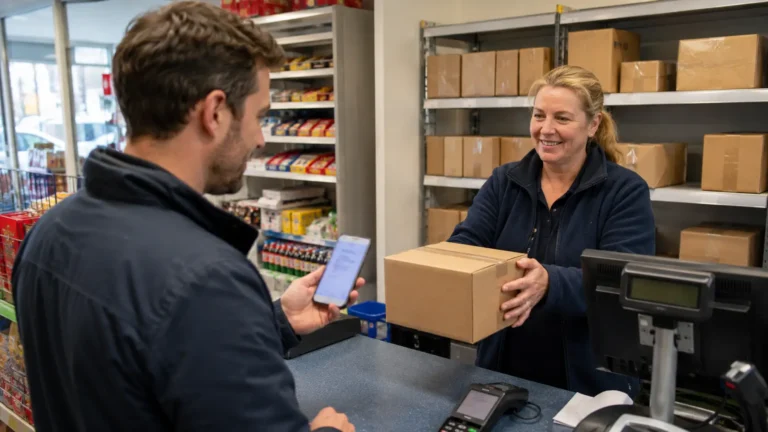


A Warrington-based logistics firm, Eagle One Delivery Limited, has entered administration after operating since 2020, reflecting wider financial pressures across the UK logistics sector.
The company, known for its international freight and delivery services, faced mounting operational challenges that ultimately led to insolvency proceedings.
This development highlights growing concerns about sustainability in the UK delivery and transport industry, particularly for small and mid-sized firms.
Key takeaways:
- Eagle One Delivery Limited, based in Warrington, has officially entered administration
- The company specialised in global transport, warehousing, and freight services
- Rising operational costs and reduced demand are key contributing factors
- The case reflects a broader trend of increasing UK business insolvencies
- The impact on employees and customers remains uncertain
What Happened to the Warrington Logistics Company That Entered Administration?
The Warrington logistics company, Eagle One Delivery Limited, formally entered administration after struggling to sustain operations in a challenging economic environment.
Based in Appleton Thorn Trading Estate, the firm had built a reputation for handling international logistics, but recent pressures appear to have overwhelmed its financial capacity.
The administration process indicates that the company could no longer meet its financial obligations, prompting the appointment of insolvency practitioners to manage its affairs.
While the exact number of affected employees has not been publicly confirmed, uncertainty remains around job security and ongoing operations.
Reports suggest that this development is part of a broader pattern, with dozens of UK companies filing for administration within the same period.
A source familiar with the situation noted that “more than 100 companies filed notices this month alone,” reflecting the scale of financial distress across sectors.
The situation in Warrington is not isolated, but rather a local example of national economic pressures affecting logistics and delivery firms.
Who is Eagle ONE Delivery Limited and What Services Did It Provide?
Eagle One Delivery Limited was a Warrington-based logistics company established in 2020, focusing primarily on international freight and delivery solutions.
Despite being relatively new, the company positioned itself as a global transport provider, offering a range of services to businesses requiring cross-border logistics support.
Operating from Appleton Thorn Trading Estate, the company developed its operations to support supply chains that depended on efficient transportation and storage solutions.
Its service portfolio included:
- International freight forwarding and shipping
- Warehousing and storage facilities
- Global transport coordination
- Supply chain logistics support
The company aimed to serve both domestic and international clients, leveraging its logistics network to facilitate timely deliveries. Its business model relied heavily on maintaining consistent demand and managing operational costs effectively.
A local business observer commented on the company’s growth trajectory, stating that it
“built its operations around international transport, freight forwarding, shipping, warehousing and storage services.”
This reflects the company’s strategic focus on comprehensive logistics solutions.
However, despite its ambitions and service offerings, the company faced increasing pressure in a competitive and cost-sensitive market. Its relatively short operational history may have also limited its ability to withstand prolonged financial strain.
Why Did Eagle One Delivery Limited Go Into Administration?

The administration of Eagle One Delivery Limited appears to be the result of multiple overlapping challenges rather than a single cause.
Like many logistics firms in the UK, it operated in a highly competitive environment where margins are tight and external pressures can quickly escalate.
What Financial and Operational Pressures Affect UK Logistics Companies?
Logistics companies across the UK are currently facing a combination of rising costs and operational complexities. These pressures can significantly impact profitability and long-term sustainability.
Key financial and operational challenges include:
- Increased fuel and transportation costs
- Rising wages and labour shortages
- Higher warehousing and storage expenses
- Complex international shipping regulations
These factors can reduce profit margins, particularly for smaller firms without large financial reserves. In the case of Eagle One Delivery Limited, such pressures may have gradually weakened its financial position.
Additionally, managing global logistics operations requires consistent coordination and investment. Any disruption in supply chains or delays in payments can create cash flow issues, which are a common trigger for administration.
How Do Rising Costs and Reduced Demand Impact Delivery Firms?
Rising operational costs combined with fluctuating demand create a difficult environment for logistics companies. When costs increase but revenue does not keep pace, businesses may struggle to remain viable.
Some of the key impacts include:
- Reduced profitability due to higher overheads
- Difficulty maintaining competitive pricing
- Declining customer orders during economic slowdowns
A logistics industry observer explained that
“rising costs and reduced footfall are among the pressures forcing businesses to seek insolvency support.”
This highlights how external economic conditions can directly influence business stability.
For delivery firms like Eagle One, which depend on consistent shipping volumes, any drop in demand can quickly affect cash flow. At the same time, fixed costs such as fuel, staffing, and infrastructure remain high, creating financial strain.
Were There Industry-wide Challenges Influencing This Collapse?
Yes, the administration of Eagle One Delivery Limited reflects broader challenges within the UK logistics and business landscape.
The rise in company insolvencies across various sectors suggests systemic issues rather than isolated failures.
Recent trends indicate:
- Increasing number of UK businesses entering administration
- Economic uncertainty affecting consumer and business spending
- Supply chain disruptions impacting logistics operations
A report highlighted that multiple firms across industries have recently collapsed, including manufacturing and engineering companies. This suggests that logistics firms are part of a wider pattern of financial stress.
Another industry voice remarked that several businesses “have fallen into administration across multiple sectors,” reinforcing the idea that Eagle One’s situation is linked to national economic conditions rather than company-specific issues alone.
What Does Administration Mean for a Logistics Company in the UK?
Administration is a formal insolvency process in the UK designed to protect a company while efforts are made to restructure or sell the business. When a logistics company enters administration, control shifts from its directors to appointed administrators.
The primary goal is to achieve the best possible outcome for creditors, which may involve rescuing the company, selling its assets, or closing it down in an orderly manner. During this period, legal actions against the company are typically paused.
For logistics firms, administration can disrupt operations, especially if contracts and supply chains are affected. However, in some cases, the business may continue trading temporarily while solutions are explored.
This process is not the same as liquidation, as it leaves open the possibility of recovery or restructuring, depending on the company’s financial situation.
How Does Administration Affect Employees, Customers, and Creditors?

When a logistics company enters administration, the effects extend beyond the business itself, impacting employees, customers, and creditors in different ways. The outcome often depends on whether the company can be rescued or must close permanently.
What Happens to Staff When a Company Enters Administration?
Employees are often the most immediately affected when a company enters administration. While some may continue working during the process, others may face redundancy depending on the company’s financial situation.
Common outcomes for staff include:
- Temporary continuation of employment under administrators
- Risk of redundancy if operations cease
- Potential claims for unpaid wages or redundancy pay
The uncertainty can be significant, especially when no official figures are released regarding job losses. In the case of Eagle One Delivery Limited, the number of affected employees has not been confirmed, leaving many questions unanswered.
Will Deliveries and Logistics Services Be Disrupted?
For customers, administration can lead to disruptions in services, particularly if the company halts operations. Deliveries may be delayed, cancelled, or transferred to other providers depending on the situation.
Possible impacts include:
- Delayed or incomplete shipments
- Loss of ongoing logistics contracts
- Need to find alternative service providers
In some cases, administrators may continue limited operations to preserve value, but this is not guaranteed. Businesses relying on logistics providers must often act quickly to minimise disruption.
How Are Creditors and Suppliers Impacted?
Creditors and suppliers are also significantly affected when a company enters administration. Their ability to recover owed money depends on the company’s remaining assets and the outcome of the administration process.
Key considerations include:
- Creditors are prioritised based on legal hierarchy
- Secured creditors are typically paid first
- Unsecured creditors may receive only partial repayment
Suppliers who depend on timely payments may face financial strain themselves. This ripple effect can impact multiple businesses within the supply chain.
Overall, administration creates uncertainty for all stakeholders, with outcomes varying depending on how the process unfolds.
Are More UK Logistics and Delivery Companies Facing Administration in 2025?
The administration of Eagle One Delivery Limited reflects a broader trend of increasing business insolvencies across the UK, including within the logistics and delivery sector.
Economic pressures have created a challenging environment for many companies, particularly those operating with tight margins.
Recent developments suggest that:
- A growing number of UK businesses are entering administration
- Logistics firms are particularly vulnerable due to high operating costs
- Economic uncertainty continues to affect demand and investment
Examples from other industries, including manufacturing and engineering, show that the issue is widespread. This indicates that the challenges facing logistics companies are part of a larger economic pattern.
Additionally, local reports highlight that several businesses in Warrington have closed in recent months, reinforcing the regional impact of these trends.
While not all logistics companies are at risk, the sector as a whole is experiencing increased pressure, making financial resilience more important than ever.
Can a Logistics Company Recover After Going Into Administration?

Yes, a logistics company can recover after entering administration, but the outcome depends on its financial condition and the actions taken during the process. Administration is designed to provide a chance for restructuring or sale, rather than immediate closure.
In some cases, companies are successfully rescued through:
- Business restructuring and cost reduction
- Sale to new owners or investors
- Continuation of operations under new management
However, recovery is not guaranteed. If the company’s debts are too high or its business model is no longer viable, liquidation may follow.
For logistics firms, recovery often depends on maintaining customer relationships and stabilising operations quickly. The ability to adapt to changing market conditions is also a key factor in determining long-term success.
What Lessons Can UK Businesses Learn From the Warrington Logistics Company Administration?
The administration of Eagle One Delivery Limited offers several important lessons for UK businesses, particularly those in the logistics sector.
It highlights the importance of financial resilience and adaptability in a rapidly changing economic environment.
Key lessons include:
- The need to manage operational costs effectively
- Importance of maintaining strong cash flow
- Preparing for economic fluctuations and demand changes
Businesses can also benefit from diversifying their services and customer base to reduce dependency on specific markets. Monitoring industry trends and responding proactively can help prevent financial difficulties.
Ultimately, this case serves as a reminder that even relatively new companies can face significant challenges, and long-term sustainability requires careful planning and strategic decision-making.
Conclusion
The case of Warrington logistics company administration involving Eagle One Delivery Limited underscores the growing pressures facing UK businesses.
Despite offering a wide range of logistics services, the company was unable to withstand rising costs and shifting market conditions.
This situation reflects a broader trend of increasing insolvencies across the UK, particularly in sectors heavily affected by economic fluctuations.
While administration provides a chance for recovery, it also brings uncertainty for employees, customers, and creditors.
For businesses, the key takeaway is the importance of resilience, adaptability, and financial planning. As the economic landscape continues to evolve, companies must remain proactive to navigate challenges and sustain long-term growth.
FAQs
What is the difference between administration and liquidation in the UK?
Administration aims to rescue a company or achieve a better outcome for creditors, while liquidation involves permanently closing the business. In administration, the company may continue trading, whereas liquidation usually ends operations.
How long does the administration process take for a logistics company?
The administration process typically lasts around 12 months but can be extended if necessary. The duration depends on the complexity of the company’s financial situation and whether a recovery plan is viable.
Can customers still receive their deliveries after a company enters administration?
Customers may still receive deliveries if the company continues trading under administrators. However, delays or cancellations can occur depending on operational decisions.
Who appoints administrators for a company in the UK?
Administrators are usually appointed by the company directors, creditors, or the court. Their role is to take control of the company and manage the administration process.
Do employees get paid if their company goes into administration?
Employees may continue to receive wages if they remain employed during administration. If they are made redundant, they can claim unpaid wages and entitlements through government schemes.
What industries are most affected by administration in the UK currently?
Industries such as logistics, retail, manufacturing, and construction are currently facing higher rates of administration. These sectors are particularly sensitive to rising costs and economic uncertainty.
Is it possible to buy a company that is in administration?
Yes, companies in administration can be sold to new owners as part of a recovery strategy. This can help preserve jobs and maintain business operations under new management.