
Why Is TG Jones Closing Stores in 2026?
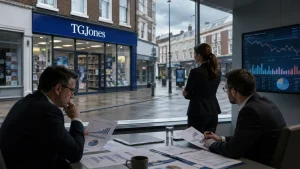
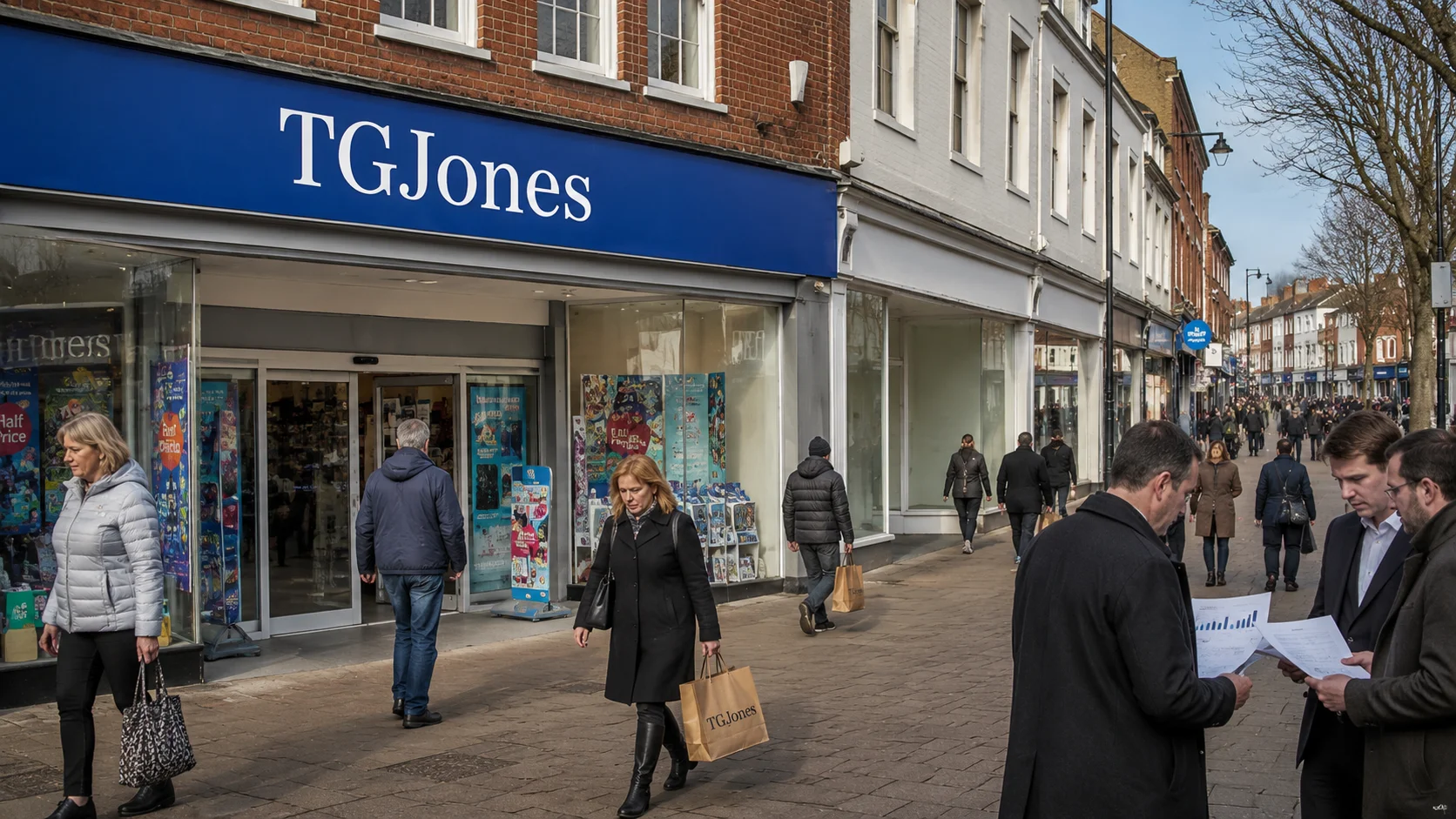
TG Jones entered 2026 under growing financial pressure as the retailer attempted to stabilise its high street operations following the separation from the WHSmith brand.
The company, now owned by Modella Capital, has faced a combination of weak consumer demand, rising operational costs, and uncertainty surrounding the rebrand.
These issues have created a difficult environment for a business that already relied heavily on declining high street footfall. Retail analysts believe the chain’s challenges reflect wider structural problems affecting the UK retail market.
Physical stores across Britain have struggled to maintain profitability as more shoppers move online and household budgets tighten. Energy costs, rent obligations, wages, and supply chain expenses have all increased over the last few years, putting additional pressure on retailers operating large store estates.
The restructuring plan introduced by Modella Capital is intended to reduce these financial pressures and reshape the business into a smaller, more sustainable retail chain. However, this process involves difficult decisions regarding store closures, staffing, and lease negotiations.
One major concern has been the effect of the WHSmith name removal. WHSmith had decades of brand recognition across British high streets, and many customers associated the stores with familiarity and reliability. Once the business was renamed TG Jones, customer confusion reportedly became a significant issue.
A retail branding consultant described the situation clearly:
“I think the company underestimated how attached customers were to the WHSmith name.When people suddenly saw TG Jones instead, many simply assumed the stores had changed completely or closed down.”
Industry observers have suggested that the timing of the rebrand added to the problem. The UK retail supermarket was already facing reduced consumer confidence, and introducing a new brand identity during economic uncertainty created additional risk.
The wider economic climate has also contributed heavily to the current situation. Inflation concerns continue to affect household spending habits across Britain.
Many consumers are prioritising essentials and reducing discretionary spending on books, stationery, gifts, and impulse purchases that retailers like TG Jones traditionally rely upon.
The table below outlines the main factors contributing to the closures:
Challenge Facing TG Jones Impact on Business
Weak consumer spending Reduced store revenue
Rebranding confusion Lower customer recognition
Rising rent costs Increased operating expenses
Online shopping competition Declining in-store traffic
Inflation pressures Lower discretionary spending
High energy costs Reduced profitability
Another issue affecting TG Jones is the changing role of the British high street. Shopping centres and town centres no longer attract the same levels of regular footfall seen a decade ago.
Remote working patterns have also affected many town centres, especially in areas that once relied on office workers visiting shops during lunch breaks or after work.
A commercial property adviser involved in retail leasing explained:
“What we are seeing now is not just a problem for one retailer. The entire structure of the high street has changed. Retailers with large estates are finding it difficult to justify keeping underperforming stores open.”
Many retailers have responded by reducing store numbers and focusing investment on profitable locations. TG Jones appears to be following a similar path as it attempts to secure its long-term future.
How the WHSmith Rebrand Affected Customer Awareness?
The transition from WHSmith to TG Jones became one of the most discussed aspects of the retailer’s restructuring. While Modella Capital hoped to refresh the business with a new identity, the sudden disappearance of the WHSmith brand created confusion among shoppers who had trusted the name for generations.
Brand recognition is particularly important for traditional retailers operating in competitive markets. Customers often associate familiar branding with consistency, reliability, and convenience.
Once the branding changed, TG Jones faced the challenge of introducing itself as a completely new business while still operating many of the same stores.
Some shoppers reportedly struggled to understand whether TG Jones was connected to WHSmith at all. Others believed the stores had entered administration or changed ownership entirely.
A retail marketing specialist commented:
“From a customer perspective, the transition happened very quickly. If you remove a household name overnight, there is always a risk people disconnect emotionally from the business.”
The issue became more complicated because WHSmith retained its brand identity for its profitable travel stores located in airports and railway stations.
This created a split in customer perception, where some consumers continued seeing WHSmith in travel locations while encountering TG Jones on the high street.
The following table highlights key differences before and after the rebrand:
Before Rebrand After Rebrand
WHSmith branding TG Jones branding
Established national recognition Limited consumer familiarity
Strong customer trust Brand uncertainty
Consistent retail identity Mixed customer perceptions
Travel and high street alignment Split retail branding
Retail experts have noted that rebuilding customer awareness after such a significant rebrand can take years, especially in a difficult economic climate.
Why Are UK Retailers Struggling in 2026?
The pressures affecting TG Jones are part of a much wider trend across British retail. Many high street chains continue to struggle with changing shopping habits and increased operational costs.
Recent surveys from retail organisations and business groups show declining sales across several sectors. Consumer confidence remains fragile, and many households are spending more cautiously due to inflation concerns and economic uncertainty.
Several key challenges currently affecting UK retailers include:
- Reduced high street footfall
- Increased business rates and rent
- Rising staff wages
- Strong online competition
- Higher logistics and energy costs
Retailers operating large physical store networks are particularly vulnerable because maintaining hundreds of locations requires significant ongoing investment.
The following table shows how consumer behaviour has shifted in recent years:
Consumer Trend Effect on High Street Retail
Growth in online shopping Fewer physical store visits
Increased price sensitivity Lower discretionary spending
Preference for convenience Reduced browsing purchases
Remote working habits Less weekday footfall
Digital subscriptions and services Reduced physical product sales
These wider retail challenges help explain why many businesses are now restructuring, reducing store numbers, or renegotiating lease agreements.
Which TG Jones Stores Have Already Closed?
The first phase of the TG Jones restructuring has already resulted in confirmed store closures across parts of the UK. While the company has not yet released a complete official closures list, several branches have already been identified through media reports and local announcements.
One of the most notable closures involves the Ipswich Westgate Street branch, which also contained a post office service used regularly by local residents. The closure has attracted attention because of the wider impact it may have on the local community.
For many towns, stores like TG Jones provide more than just retail services. Customers often rely on them for stationery, newspapers, books, gift cards, office supplies, and postal services. When such stores close, local communities can lose an important convenience service, especially in areas with limited alternatives.
Reports suggest that eight stores are currently set for immediate closure, although further locations may still be announced depending on ongoing negotiations with landlords and creditors.
The current confirmed closures include the following:
Store Location Current Status
Ipswich Westgate Street Confirmed closure
Additional seven stores Expected immediate closure
Further locations under review Pending negotiations
The closures are expected to have varying effects depending on the location of each branch. In larger cities, customers may still have nearby alternatives. However, in smaller towns, closures can create significant gaps in local retail services.
Confirmed TG Jones Store Closures
The Ipswich branch closure has become symbolic of the broader uncertainty surrounding the future of TG Jones stores nationwide. The branch served as both a retail outlet and a local post office, making its closure particularly disruptive for regular visitors.
Local residents expressed concerns about reduced access to essential services and the impact on the surrounding town centre economy.
A retail property analyst explained:
“When a recognisable retailer leaves a town centre, it can reduce footfall for neighbouring businesses as well. Empty units also affect public confidence in the high street.”
The company has not ruled out additional closures, especially if landlord negotiations fail to produce acceptable lease agreements.
Communities Most Affected by the Closures
Store closures often affect more than just employees and landlords. Local communities can also experience long-term economic and social consequences.
Town centres already struggling with reduced visitor numbers may face additional decline if large retail units remain empty for extended periods. Smaller independent businesses nearby may also experience lower customer traffic.
Several concerns raised by local communities include:
- Reduced access to post office services
- Fewer retail options in town centres
- Declining high street footfall
- Potential job losses
- Negative impact on surrounding businesses
The impact is often strongest in smaller towns where fewer national retailers remain.
Which TG Jones Stores Could Shut Down Next?
Although only a limited number of closures have been officially confirmed, reports indicate that many more stores could still face closure throughout 2026.
Industry insiders believe Modella Capital may ultimately reduce the chain from approximately 480 stores to around 350 locations. This would represent one of the most significant retail restructuring programmes currently taking place on the British high street.
The company is reportedly negotiating with landlords across hundreds of locations to secure reduced rent agreements or temporary rent holidays. Stores that fail to achieve sustainable lease terms may become candidates for closure.
The table below outlines the primary factors influencing future closure decisions:
Factor Affecting Closures Impact on Stores
High operating costs Reduced profitability
Low customer footfall Lower daily sales
Expensive lease agreements Increased financial pressure
Poor regional performance Greater closure risk
Limited brand recognition Reduced customer loyalty
Retail analysts believe stores in areas with declining shopping activity are most vulnerable. Locations with high rent costs and lower customer traffic are likely to face increased scrutiny during the restructuring process.
Some experts believe the restructuring plan was always expected to involve significant downsizing after the original acquisition deal was completed.
A retail restructuring adviser commented:
“I think many people within the industry expected a reduction in store numbers eventually. The challenge is balancing cost reduction with maintaining enough stores to keep the brand visible nationwide.”
The outcome will depend heavily on negotiations with landlords and the final approval of the restructuring plan by creditors and courts.
What Is Modella Capital’s Restructuring Plan for TG Jones?
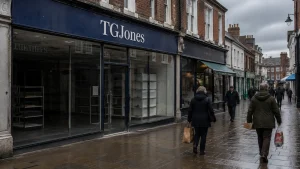
Modella Capital acquired the former WHSmith high street business in 2025 for approximately £76 million. At the time, the retailer operated hundreds of stores across Britain and employed around 5,000 staff members.
The investment firm positioned the acquisition as an opportunity to modernise the business and improve long-term profitability. However, trading conditions deteriorated more quickly than expected.
To support the turnaround strategy, Modella Capital secured more than £35 million in financial backing. This funding is intended to support ongoing operations while restructuring measures are implemented.
The restructuring strategy includes:
- Negotiating reduced rents
- Closing underperforming stores
- Streamlining operations
- Improving profitability
- Rebuilding customer awareness
The company has stated publicly that its priority is preserving the majority of the store estate while creating a more sustainable business model.
Why Did Modella Capital Buy the WHSmith High Street Business?
Private equity firms often invest in businesses they believe can be improved through restructuring and operational changes. In theory, successful restructuring can increase profitability and create long-term value.
However, retail turnarounds carry considerable risk, especially in sectors already facing structural decline.
A restructuring consultant with experience in retail acquisitions explained:
“Retail turnarounds can work, but timing is everything. If consumer confidence weakens during the process, even well planned restructurings become much harder to manage.”
Industry observers believe Modella Capital may have underestimated the difficulties associated with both the rebrand and the broader retail environment.
What Does the Restructuring Mean for Employees and Landlords?
Employees remain one of the groups most directly affected by the restructuring process. While the company aims to preserve many jobs, further closures could still lead to redundancies.
Landlords are also facing pressure to renegotiate lease agreements in order to keep stores operating.
The following table summarises the impact on different stakeholders:.
Stakeholder Potential Impact
Employees Job uncertainty and redundancies
Landlords Reduced rental income
Customers Fewer local stores
Suppliers Reduced order volumes
Town centres Lower retail activity
Many landlords must now decide whether accepting reduced rental payments is preferable to risking vacant retail units.
Conclusion
The TG Jones closures list for 2026 reflects the growing pressure facing traditional UK high street retailers. With eight stores already confirmed for closure and potentially many more at risk, the company’s restructuring plan could significantly reshape its future store network.
Rising operating costs, weaker consumer spending, and difficulties linked to the WHSmith rebrand have all contributed to the current situation. Although Modella Capital insists the restructuring is intended to protect the majority of stores, additional closures remain possible if negotiations with landlords and creditors fail.
As the UK retail sector continues evolving, TG Jones now faces a critical period that could determine whether the business survives long-term in an increasingly competitive market.
FAQs
Why did WHSmith change its name to TG Jones?
WHSmith sold its high street business to Modella Capital in 2025 but retained the WHSmith brand for its travel stores. As a result, the high street stores were rebranded as TG Jones.
How many TG Jones stores could close in 2026?
Reports suggest up to 150 stores could potentially close depending on restructuring negotiations and financial performance.
Which TG Jones stores have already closed?
The Ipswich Westgate Street branch has been confirmed for closure alongside seven additional stores reported in national media coverage.
Who owns TG Jones now?
TG Jones is owned by private equity investment firm Modella Capital following its acquisition of the former WHSmith high street business.
Are TG Jones employees at risk of redundancy?
Yes, employees may face uncertainty and possible redundancies if further store closures take place during the restructuring process.
Why are UK retailers struggling financially?
Many UK retailers are facing rising operating costs, inflation, reduced consumer spending, and increased competition from online shopping.
Will TG Jones continue operating in the UK?
TG Jones is expected to continue operating, although the company may operate with a reduced number of stores after restructuring.