
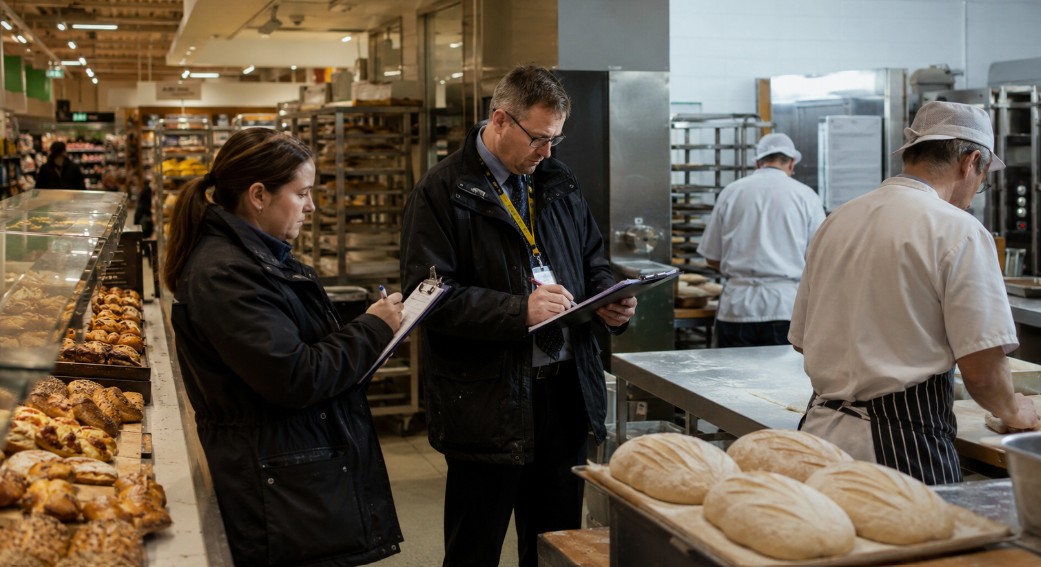
The Morrisons Cwmbran bakery fine became a major food safety story in the UK after the supermarket chain was ordered to pay around £750,000 following serious hygiene failures discovered at its Cwmbran branch in Wales.
Environmental health officers found widespread cleanliness problems, unsafe bakery conditions, poor supervision, and major failures in food safety management during a routine inspection in August 2024. The bakery was immediately closed for deep cleaning, and the case later reached Newport Magistrates’ Court, where the judge described the failings as systemic rather than isolated mistakes.
Key points readers should know:
- Morrisons pleaded guilty to four breaches of Food Hygiene (Wales) Regulations 2006
- The supermarket chain was fined £737,000 after an early guilty plea reduced the original figure from £1.1 million
- The company was also ordered to pay £11,221.38 in costs and a £2,000 victim surcharge
- Inspectors identified 51 gaps in the bakery’s food safety management system
- The bakery was immediately closed for deep cleaning after the inspection
The case has raised wider concerns about food safety standards in major UK supermarkets.
What Happened at the Morrisons Cwmbran Bakery?
The Morrisons supermarket in Cwmbran came under investigation after environmental health officers from Torfaen Council carried out a routine inspection of the store’s bakery in August 2024.
During the visit, inspectors reportedly found several hygiene and safety concerns that required immediate action. The bakery section was then shut down for urgent deep cleaning while the council continued its investigation.
Officials identified issues linked to poor cleanliness standards, dirty bakery equipment, weak staff supervision, and failures within the food safety management process. Investigators also found that management had allegedly been aware of multiple problems for more than a month before the inspection took place.
The case later reached Newport Magistrates’ Court, where the supermarket chain admitted breaching food hygiene regulations. The incident quickly attracted public attention because Morrisons is one of the UK’s largest supermarket brands and is widely trusted by customers for food retail standards and fresh bakery products.
Why Was Morrisons Fined Following the Cwmbran Bakery Inspection?
The fine followed a detailed investigation into hygiene conditions inside the Cwmbran bakery department. Authorities concluded that the failures were serious enough to place customer health at potential risk and justified legal action under food hygiene laws.
What Food Hygiene Failures Did Environmental Health Officers Discover?
Inspectors reportedly uncovered multiple hygiene breaches throughout the bakery area during their visit. According to the court proceedings, there were significant concerns about the cleanliness and management of the department.
Some of the key findings included:
- Dirty bakery equipment and unclean working surfaces
- Failures in routine cleaning procedures
- Inadequate supervision of bakery staff
- Weak food safety monitoring systems
- Poor compliance with hygiene management requirements
Environmental health officers also identified 51 separate gaps in the bakery’s food safety management system. Investigators stated that some of these problems had already been known internally before the inspection occurred.
One of the most serious concerns was that the bakery continued operating despite the reported issues. Authorities considered this an important factor because supermarkets are expected to maintain consistent hygiene controls in areas where fresh food is prepared daily for public sale.
Why Did Inspectors Consider the Hygiene Problems Serious?
Inspectors and council officials believed the situation went beyond isolated mistakes or minor operational issues. During sentencing, the court heard that the problems reflected wider failures across different levels of management and supervision.
District Judge Sophie Toms reportedly stated that the case was not simply about “a couple of rogue employees” but involved broader systemic failings.
The court also heard concerns that customer health and safety may have been placed at risk because the bakery conditions were allowed to continue.
The chain was fined £737,000, reduced from £1.1 million due to an early guilty plea. Morrisons was also ordered to pay legal costs of £11,221.38 along with a £2,000 victim surcharge.
A council spokesperson said:
“The whole team would have been able to see the state that the bakery was getting into. Even with food hygiene training, there should have been better supervision and thankfully the local authority environmental health officers walked in.”
The inspection highlighted the importance of regular monitoring and immediate corrective action within food preparation environments.
How Did the Court Describe the Bakery Hygiene Failures?
During the hearing at Newport Magistrates’ Court, the judge described the failures as serious and widespread rather than isolated incidents involving individual staff members.
The court concluded that the problems reflected weaknesses in management oversight and operational standards inside the bakery department.
District Judge Sophie Toms reportedly emphasised that trusted supermarkets have a responsibility to maintain safe food environments for customers. The court heard concerns that the hygiene failures had the potential to affect public health if left unresolved.
Key points highlighted during sentencing included:
- The bakery’s condition had deteriorated over time
- Staff supervision and food safety monitoring were considered inadequate
- Management allegedly failed to respond quickly enough to known issues
- The bakery required immediate deep cleaning after inspection
In one of the most widely reported statements from the case, Judge Toms reportedly said Morrisons had “risked the health, well-being and safety of loyal customers, potentially even placing lives at risk.”
The court also acknowledged Morrisons’ early guilty plea, which reduced the financial penalty from the original figure. However, the sentencing reflected the seriousness of the breaches and the supermarket’s responsibility under UK food hygiene regulations.
What Did Torfaen Council and Environmental Health Officers Say About the Case?
Torfaen Council and environmental health officers described the case as an example of why independent food safety inspections remain important within the retail sector. Officials stressed that councils have a responsibility to protect consumers when hygiene standards fall below legal requirements.
Why Did the Council Decide to Take Formal Legal Action?
Council representatives explained that the scale of the hygiene failings justified formal enforcement action instead of informal guidance alone. Authorities believed the situation had reached a level where legal proceedings were necessary to ensure accountability.
Officials highlighted several reasons behind the prosecution:
- Multiple food safety breaches were identified during inspection
- Management had allegedly known about concerns before intervention
- The bakery required immediate closure for deep cleaning
- Public health risks were considered significant enough for court action
Daniel Morelli, head of public protection and environment at the council, commented on the importance of enforcement measures in serious food safety cases.
He said:
“Whilst every effort is made to work with businesses using an informal, educative approach, the council will not hesitate to take formal action where the health and well-being of consumers is placed at risk.”
The council also pointed out that environmental health officers regularly work behind the scenes to prevent food-related illness and ensure businesses comply with hygiene laws.
What Role Do Environmental Health Officers Play in Food Safety?
Environmental health officers are responsible for monitoring food businesses and checking whether hygiene standards meet legal requirements.
Their duties include carrying out inspections, identifying risks, advising businesses, and taking enforcement action where necessary.
In this case, officers carried out a routine inspection that uncovered serious concerns within the bakery operation. Their findings ultimately led to prosecution proceedings and financial penalties against the supermarket chain.
Authorities explained that food safety inspections help protect the public by identifying problems before they result in larger health risks. The work often includes reviewing cleaning procedures, food handling practices, storage conditions, staff training records, and safety management systems.
Daniel Morelli also stated:
“This case demonstrates the important work of our officers in carrying out independent checks to ensure the food we buy is safe to eat. Their work often goes unseen, but they play a vital role in preventing ill-health through identifying non-compliances and taking action to secure necessary improvements.”
The case reinforced the importance of regular inspections within large-scale food retail operations across the UK.
How Did Morrisons Respond to the Bakery Hygiene Allegations?
Morrisons acknowledged the poor condition of the bakery and admitted responsibility by pleading guilty to four breaches under the Food Hygiene (Wales) Regulations 2006. The supermarket chain stated that the bakery conditions did not meet the standards customers would normally expect from the company.
Following the inspection, the bakery was closed for immediate deep cleaning and corrective action. Morrisons also said improvements were introduced after the incident and had since been maintained consistently.
A company spokesperson reportedly said:
“We were very disappointed in the condition of the bakery in August 2024. It fell far short of the standard our customers expect and that we should provide. This was a single local issue which was dealt with immediately by working closely with the council.”
The company attempted to reassure customers that the problems were isolated to one location rather than reflective of wider national operations. However, the case still generated wider discussion about food safety oversight within large supermarket chains.
What Do UK Food Hygiene Regulations Require Supermarkets to Follow?
UK food hygiene regulations require supermarkets and food businesses to maintain clean, safe, and properly managed food preparation environments. Businesses must follow strict procedures designed to reduce contamination risks and protect public health.
Under Food Hygiene (Wales) Regulations 2006, supermarkets are expected to:
- Keep food preparation areas clean and hygienic
- Maintain equipment in safe working condition
- Train and supervise staff properly
- Monitor food safety risks regularly
- Maintain accurate food safety management systems
- Respond quickly when hygiene concerns are identified
Retail bakeries face additional responsibilities because fresh products are prepared daily and involve direct food handling. Failure to maintain standards can result in improvement notices, temporary closures, prosecutions, or major financial penalties.
The Morrisons case demonstrates how enforcement agencies can take action when businesses fail to meet legal expectations. It also highlights that food safety compliance is not only about written procedures but also about ensuring standards are consistently maintained in day-to-day operations.
What Does the Morrisons Cwmbran Bakery Fine Mean for Customers and the Retail Industry?

The Morrisons Cwmbran bakery fine has become a significant reminder of how important food hygiene standards are within large supermarket chains.
Customers generally expect major retailers to maintain high cleanliness standards, especially in areas preparing fresh food products daily.
For consumers, the case may increase awareness about the role of environmental health inspections and the systems designed to protect public health. It also shows that councils can take serious enforcement action when businesses fail to meet legal food safety obligations.
Within the retail industry, the case may encourage supermarkets to review internal monitoring systems, staff supervision processes, and hygiene training programmes more carefully.
Large retailers operate under strong public trust, meaning hygiene failures can quickly damage reputation and customer confidence.
The case also demonstrates that even established national supermarket brands remain accountable under UK food safety laws and can face substantial penalties if standards are not maintained consistently.
What Lessons Can Other Supermarkets and Food Businesses Learn From the Morrisons Cwmbran Bakery Fine?
The Morrisons bakery case highlights the importance of proactive hygiene management and regular internal oversight within food businesses. Problems that appear manageable at an early stage can become far more serious if corrective action is delayed.
One key lesson is that food safety systems must be actively monitored rather than treated as paperwork exercises. Businesses should ensure managers, supervisors, and staff understand their responsibilities and respond quickly when concerns are identified.
The case also shows why regular staff supervision matters in high-risk food preparation environments such as bakeries. Maintaining proper cleaning schedules, equipment hygiene, and documented inspections can help reduce operational risks significantly.
Another important takeaway is the reputational impact of food hygiene failures. Public trust can be damaged quickly when large retailers face legal action linked to customer safety concerns. Consistent compliance, transparency, and rapid corrective measures remain essential for protecting both public health and brand reputation.
Conclusion
The Morrisons Cwmbran bakery fine became one of the most widely discussed supermarket food hygiene cases in Wales after inspectors uncovered serious cleanliness and food safety failures inside the bakery department.
The investigation revealed problems linked to hygiene standards, supervision failures, and weaknesses in food safety management systems that had reportedly remained unresolved for weeks.
Morrisons later pleaded guilty to four breaches of food hygiene regulations and received a reduced fine of £737,000 following an early plea, alongside legal costs and a victim surcharge.
The case reinforced the importance of strict food safety compliance within major retail businesses and highlighted the critical role played by environmental health officers in protecting consumers.
For supermarkets and food retailers across the UK, the incident serves as a strong reminder that maintaining hygiene standards consistently is essential for both public safety and customer trust.
FAQs
What caused the Morrisons Cwmbran bakery fine?
The fine was issued after environmental health officers discovered serious food hygiene failures during a routine inspection. Problems included dirty equipment, poor cleanliness, and failures in food safety management procedures.
How much was Morrisons fined over the bakery hygiene failures?
Morrisons was fined £737,000 after entering an early guilty plea, which reduced the original penalty from £1.1 million. The company was also ordered to pay £11,221.38 in costs and a £2,000 victim surcharge.
When did the inspection at the Cwmbran bakery take place?
The inspection took place in August 2024 at the Morrisons supermarket in Cwmbran. Environmental health officers carried out the visit as part of routine food safety checks.
Did the Morrisons bakery close after the inspection?
Yes, the bakery was immediately closed for deep cleaning after inspectors identified serious hygiene concerns. Corrective measures were later introduced before operations resumed.
What food hygiene laws did Morrisons breach?
Morrisons pleaded guilty to four breaches under the Food Hygiene (Wales) Regulations 2006. These regulations require businesses to maintain safe and hygienic food preparation environments.
Why did the court consider the bakery issues serious?
The court believed the problems reflected wider management and supervision failures rather than isolated staff mistakes. Judge Sophie Toms stated that customer health and safety may have been placed at risk.
What role do environmental health officers play in supermarket inspections?
Environmental health officers inspect food businesses to ensure hygiene and safety standards are being followed correctly. They can also issue enforcement notices or begin legal action if serious risks are identified.