
Why Has Glasgow Trading Standards Issued a Toy Warning?
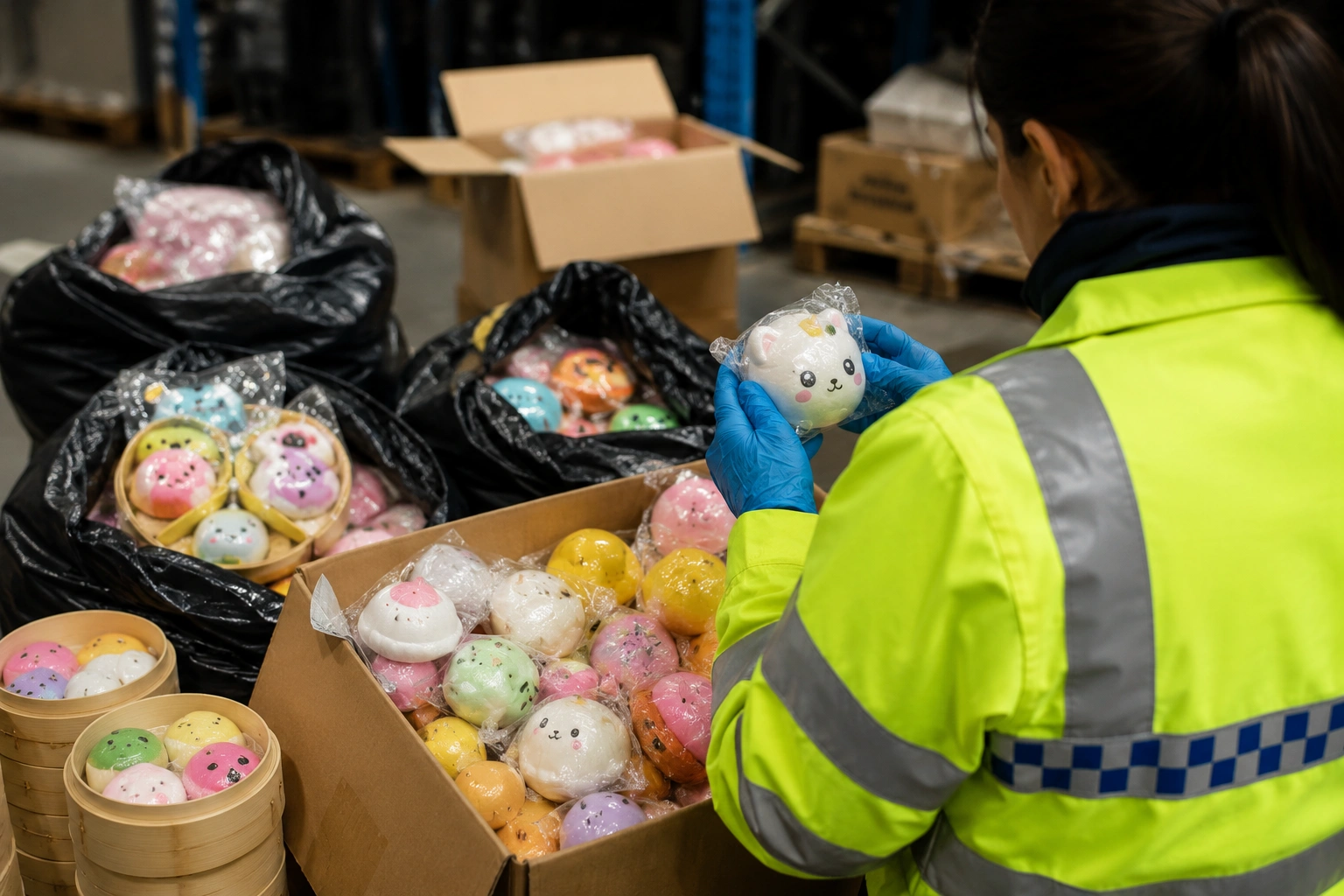
Glasgow Trading Standards has issued a toy warning after officers seized nearly 6,000 counterfeit squishy toys from a warehouse in the city.
The operation highlights growing concerns about the safety of imitation toys that are becoming increasingly popular among children and collectors across the UK.
The seizure took place at a warehouse on Commerce Street near the Kingston Bridge, where approximately 5,900 counterfeit items were recovered.
The toys, often sold in blind-pack packaging resembling dim sum boxes, have gained significant attention through social media unboxing videos on platforms such as TikTok and YouTube.
While genuine versions have become highly sought-after collectibles, the rise in popularity has also led to a surge in counterfeit products entering the market.
According to Glasgow City Council, many of these fake toys fail essential health and safety checks and may pose serious risks to consumers.
Seizure of Nearly 6,000 Counterfeit Squishy Toys
Trading standards officers identified thousands of counterfeit squishy toys that did not meet required safety standards. The products were removed from circulation before reaching a wider consumer base.
The Growing Popularity of Blind-Pack Collectible Toys
Blind-pack toys create an element of surprise because buyers do not know which character they have received until the packaging is opened. This mystery element has contributed significantly to their popularity among children and collectors.
How Social Media Trends Have Fuelled Demand?
Social media content creators frequently share unboxing videos that generate excitement around collectible toys. As demand increases, counterfeit sellers often attempt to exploit the trend by offering cheaper imitation products that may not comply with UK safety regulations.
| Seizure Overview | Details |
|---|---|
| Location | Commerce Street, Glasgow |
| Items Seized | Approximately 5,900 counterfeit squishy toys |
| Authority Involved | Glasgow Trading Standards |
| Main Concern | Product safety risks |
| Estimated Savings | Around £419,000 in prevented harm |
What Was Found During the Counterfeit Toy Investigation?
The investigation revealed a substantial quantity of counterfeit squishy toys being stored within a Glasgow warehouse. These products closely resembled genuine versions but lacked the safety assurances expected from legitimate manufacturers.
Officials reported that many of the seized toys displayed warning signs commonly associated with counterfeit products, including:
- Missing safety information
- Lack of manufacturer details
- Absent age restrictions
- Inadequate warning labels
- Questionable packaging quality
The discovery demonstrates how counterfeit products can enter supply chains and potentially reach consumers who may be unaware of the risks involved.
Council officials noted that removing these products from circulation helps protect families while also supporting legitimate businesses that comply with safety regulations.
Why Are Counterfeit Squishy Toys Considered Dangerous?
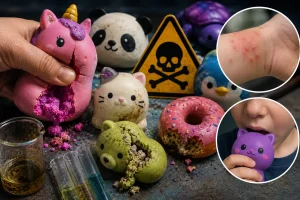
One of the primary reasons for the warning is the potential danger posed by counterfeit squishy toys. Unlike genuine products that undergo safety testing, counterfeit versions may contain harmful substances or fail basic product safety requirements.
Harmful Chemicals Identified in Fake Toys
Authorities warned that some counterfeit toys may contain substances such as:
- Phthalates
- Solvents
- Formaldehyde
These Seizure of Nearly 6,000 Counterfeit Squishy Toys may produce strong odours and could contribute to various health concerns if consumers are exposed to them over time.
Risks of Skin Irritation, Breathing Problems and Allergic Reactions
According to product safety concerns raised by officials, counterfeit toys may cause:
| Potential Risk | Possible Effect |
|---|---|
| Skin contact | Irritation and allergic reactions |
| Chemical exposure | Headaches and nausea |
| Inhalation of fumes | Breathing difficulties |
| Long-term exposure | Ongoing health concerns |
Consumer product safety consultant Mark Henderson highlighted why these risks should not be overlooked:
“In my experience, many consumers assume a toy is safe simply because it is widely available online. However, safety testing exists for a reason. Products that bypass those checks can expose children to chemicals and materials that would never be permitted in compliant toys.”
His comments reflect concerns shared by regulators across the UK regarding counterfeit goods entering the marketplace.
Choking Hazards and Product Design Failures
In addition to chemical concerns, some counterfeit toys may present physical hazards.
Potential issues include:
- Small detachable parts
- Weak seams that split open
- Unknown internal materials
- Missing age recommendations
- Failure to meet flammability standards
For younger children, these risks may significantly increase the chance of accidental injury.
How Can Counterfeit Toys Affect Children and Families?
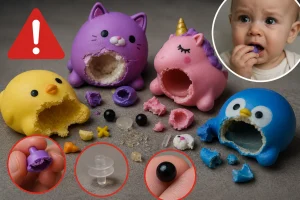
Counterfeit toys can affect families in several ways beyond immediate safety concerns.
Parents may unknowingly purchase products that appear genuine but lack proper safety certifications. This creates uncertainty about whether the toy has been tested to meet UK standards.
Children are particularly vulnerable because they often handle toys frequently and may place items near their mouths. If counterfeit products contain harmful substances or break easily, the consequences can be more serious than many consumers realise.
Families may also experience:
- Unexpected replacement costs
- Concerns about children’s wellbeing
- Difficulty obtaining refunds
- Challenges identifying legitimate products
The situation highlights the importance of purchasing toys from trusted retailers and verifying safety information before making a purchase.
What Financial Impact Could Unsafe Toys Have on Consumers and Businesses?
Unsafe products do not only create health risks. They can also generate significant economic costs for consumers, businesses and regulatory bodies.
Estimated Cost of Product Safety Risks
The Office for Product Safety & Standards estimates that each counterfeit toy involved in this seizure represented approximately £71 in potential harm-related costs.
These costs may arise from:
- Property damage
- Medical concerns
- Product replacement
- Consumer inconvenience
- Lost sales for legitimate businesses
| Financial Consideration | Potential Impact |
|---|---|
| Product replacement | Additional expense for consumers |
| Business losses | Reduced revenue for legitimate sellers |
| Regulatory enforcement | Public sector costs |
| Health-related issues | Potential treatment expenses |
How the Seizure Could Prevent Wider Economic Harm?
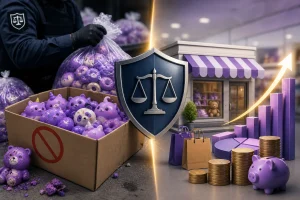
Based on council estimates, removing approximately 5,900 counterfeit toys from circulation could prevent around £419,000 in associated costs.
This demonstrates how enforcement activity benefits not only individual consumers but also the wider economy by reducing the impact of unsafe products.
How Can Shoppers Identify Counterfeit Toys Before Buying?
Consumers can take several practical steps to reduce the risk of purchasing counterfeit toys.
Checking UKCA and CE Markings
Legitimate toys sold in the UK should typically display recognised safety markings where required.
The most common indicators include:
- UKCA marking
- CE marking
- Manufacturer details
- Product safety information
Reviewing Manufacturer Information and Safety Labels
Packaging should clearly include:
| Information to Check | Why It Matters |
|---|---|
| Manufacturer name | Identifies responsible company |
| Contact details | Enables consumer enquiries |
| Age recommendations | Supports safe usage |
| Safety warnings | Highlights potential hazards |
| Product instructions | Provides safe handling guidance |
Trading compliance specialist Sarah Mitchell explained the importance of reviewing packaging carefully:
“I always advise consumers to spend a few extra moments checking labels before making a purchase. Missing manufacturer details or unclear safety information are often among the earliest signs that something may not be right.”
Warning Signs Consumers Should Never Ignore
Several red flags may indicate a toy is counterfeit:
- Extremely low prices
- Strong chemical smells
- Poor-quality packaging
- Missing warnings
- Lack of safety markings
- No manufacturer information
- Products sold loose without packaging
Consumers should exercise caution whenever these signs are present.
What Advice Has Glasgow City Council Provided to Consumers?
Glasgow City Council has urged consumers to remain vigilant when purchasing popular collectible toys.
Councillor Laura Doherty, Glasgow’s convener for Neighbourhood Services and Assets, stressed the seriousness of the issue and encouraged buyers to use trusted retailers.
The council recommends that consumers:
- Purchase from reputable sellers
- Check labels thoroughly
- Verify safety markings
- Review age restrictions
- Follow usage instructions
- Avoid suspiciously cheap products
These simple precautions can help reduce the likelihood of buying unsafe counterfeit items.
How Can Parents Buy Popular Collectible Toys Safely?
Parents looking to purchase collectible toys can take several practical measures to improve product safety.
| Safety Checklist | Recommended Action |
|---|---|
| Retailer credibility | Buy from established sellers |
| Packaging quality | Inspect before purchasing |
| Safety markings | Verify UKCA or CE compliance |
| Product reviews | Read customer feedback |
| Price comparison | Be cautious of unusually low prices |
| Product information | Ensure warnings are present |
Additional steps include:
- Keeping receipts
- Monitoring product recalls
- Supervising younger children
- Reporting suspicious products
Taking these precautions can help families make informed purchasing decisions while reducing exposure to potentially unsafe products.
What Does This Counterfeit Toy Haul Mean for Product Safety in the UK?
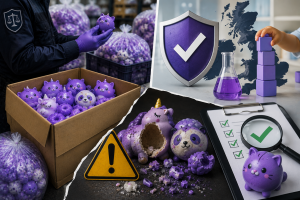
The Glasgow seizure reflects a broader challenge facing regulators across the UK. As online shopping and social media trends continue to influence consumer behaviour, counterfeit products can spread rapidly through multiple sales channels.
Trading standards teams play a vital role in identifying unsafe products, enforcing regulations and protecting consumers from potential harm.
The case also serves as a reminder that counterfeit goods are not merely intellectual property issues. They can pose genuine risks to health, safety and consumer confidence.
As demand for popular collectible toys continues to grow, authorities are likely to maintain a strong focus on identifying and removing dangerous counterfeit products from the market.
Conclusion
The recent seizure of approximately 5,900 counterfeit squishy toys demonstrates why consumer vigilance remains essential. The trading standards Glasgow toy warning highlights concerns ranging from harmful chemicals and choking hazards to wider economic impacts affecting consumers and businesses.
By checking safety markings, reviewing product information and purchasing from trusted retailers, consumers can significantly reduce the risk of buying counterfeit products. ‘
The action taken by Glasgow Trading Standards not only removed potentially dangerous toys from circulation but also reinforced the importance of maintaining high product safety standards across the UK marketplace.
Frequently Asked Questions
How do counterfeit toys enter the UK market?
Counterfeit toys often enter the market through unauthorised import channels, online marketplaces, social media sellers and informal distribution networks that may not follow UK safety requirements.
What is the difference between UKCA and CE markings?
UKCA and CE markings indicate that a product has met relevant safety requirements. UKCA applies primarily to Great Britain, while CE marking remains recognised in various circumstances depending on current regulations.
Are counterfeit toys commonly sold online?
Yes. Many counterfeit products are sold through online platforms, social media marketplaces and third-party sellers, making it important for consumers to verify retailer credibility.
What should a parent do if they suspect a toy is unsafe?
Parents should stop using the toy immediately, keep it away from children and report concerns to the retailer, manufacturer or local Trading Standards service.
Can counterfeit toys be reported to Trading Standards?
Yes. Consumers can report suspected counterfeit or unsafe products through local Trading Standards channels or relevant consumer protection services.
Why are blind-pack toys particularly vulnerable to counterfeiting?
Their popularity, collectability and strong demand make them attractive targets for counterfeit manufacturers seeking to profit from consumer interest.
What health issues can unsafe toy materials cause?
Potential health concerns include skin irritation, allergic reactions, headaches, nausea and breathing difficulties, depending on the substances present within the product.