

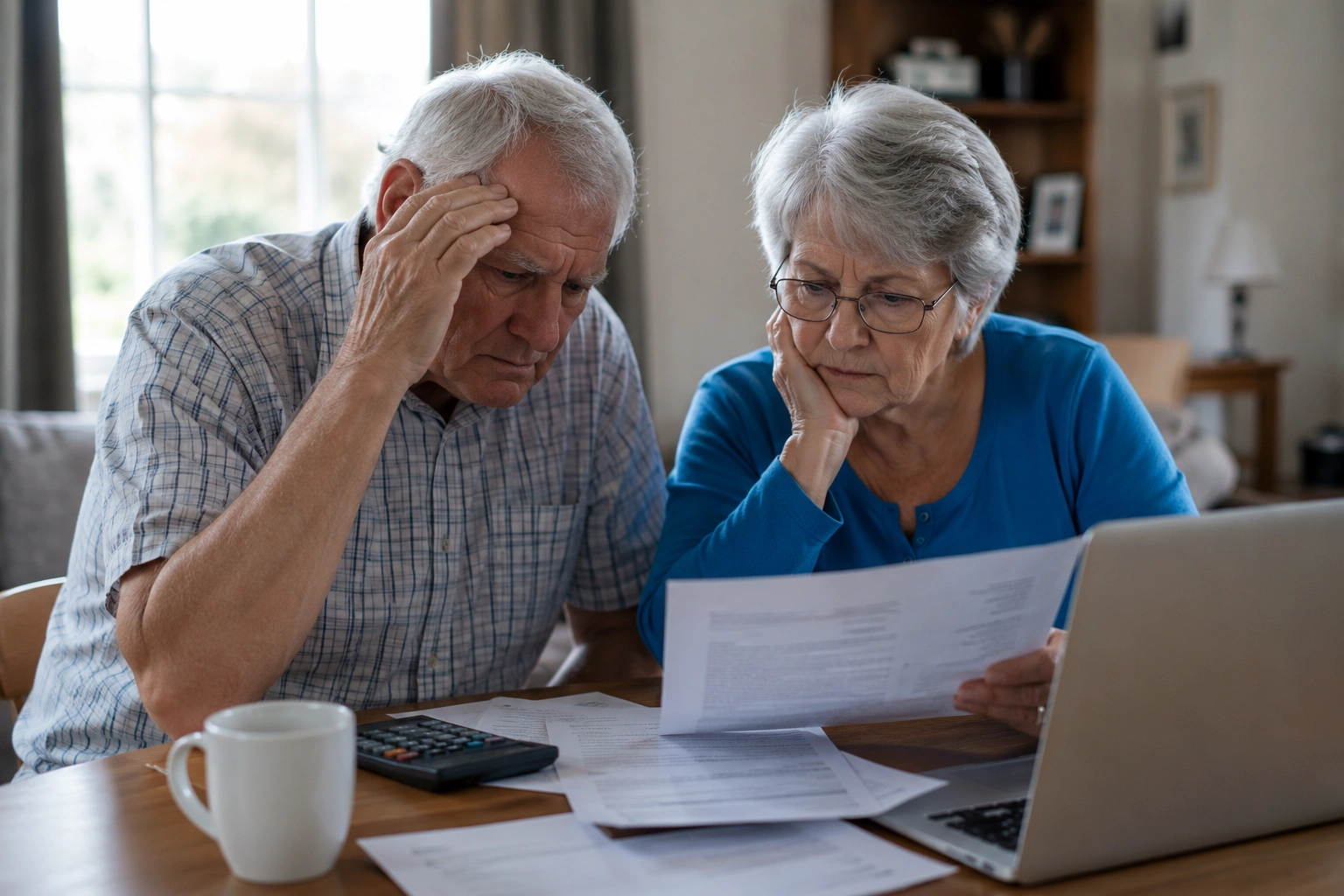
HMRC reportedly overcharged millions of pensioners regarding their state pension income because it used an incorrect tax calculation after annual state pension increases.
Instead of applying 51 weeks at the new rate and one week at the previous rate, HMRC appears to have calculated 52 weeks at the higher rate. This made some pensioners’ taxable income look slightly higher than it really was.
Key takeaways:
- Up to 8.7 million pensioners may have been affected.
- The total overcharge could be around £43.5 million.
- Most individual overcharges are small, often around £5 or less.
- Pensioners may need to contact HMRC directly for corrections.
- Self-assessment taxpayers should check pre-filled state pension figures.
- PAYE pensioners should review P800 notices and tax codes.
Why Has HMRC Overcharged Millions of Pensioners Regarding Their State Pension Income?
HMRC has reportedly overcharged pensioners because of the way it calculated state pension income after annual increases under the triple lock system. The state pension usually rises each April, but the tax year and the payment cycle do not align perfectly.
HMRC’s own guidance says taxable state pension income should be calculated using 51 weeks at the current year’s rate and one week at the previous year’s rate. This reflects the short timing gap between the start of the tax year and when pensioners first receive the increased state pension payment.
However, HMRC is understood to have calculated the figure using 52 weeks at the higher new rate. That means some pensioners’ income was recorded as slightly higher than it actually was.
For many individuals, the overcharge may be small. For the tax system as a whole, the scale is significant because millions of pensioners may have been affected.
What Caused the HMRC State Pension Tax Overcharge?
The overcharge appears to have been caused by a calculation error connected to annual state pension increases. Rather than using a mixed calculation that reflects both old and new weekly pension rates, HMRC used a full year at the newer, higher rate.
State Pension Increases Under the Triple Lock
The triple lock is the policy used to increase the UK state pension each year. It means the state pension rises by whichever is highest among wage growth, inflation or 2.5%.
This annual increase is welcome for pensioners, especially during periods of rising living costs. However, it also means the taxable pension income figure needs to be calculated carefully each year.
The 51-week and 52-week Tax Calculation Difference
The central issue is the difference between the correct 51-week and one-week calculation and the incorrect 52-week calculation.
| Calculation method | How it works | Result |
|---|---|---|
| Correct method | 51 weeks at the new rate and 1 week at the previous rate | More accurate taxable state pension figure |
| Reported HMRC method | 52 weeks at the new higher rate | Pension income appears slightly higher |
| Main problem | The timing gap is ignored | Some pensioners pay too much tax |
| Practical impact | Small individual overcharge | Large total impact across millions |
How the Timing Gap Affects Taxable State Pension Income?
The tax year begins before many pensioners receive their first uprated pension payment. This creates a short period where the previous year’s rate still matters.
How Much Extra Tax Could Pensioners Have Paid?
The reported overcharge varies depending on the pensioner’s tax rate. In the example involving the 2025/26 tax year, the new state pension rose from £221.20 per week to £230.25 per week. This created a weekly difference of £9.05.
If HMRC treated the full year as being paid at the higher rate, it could record pension income as £9.05 higher than it actually was.
| Taxpayer type | Approximate extra income recorded | Possible extra tax |
|---|---|---|
| Basic-rate taxpayer | £9.05 | £1.81 |
| Higher-rate taxpayer | £9.05 | £3.62 |
| Additional-rate taxpayer | £9.05 | Around £4 |
| Millions of taxpayers combined | Small amount per person | Potentially millions overall |
The amount per person may look minor, but it is important because many pensioners live on fixed incomes. A tax system should calculate income correctly, whether the difference is £5 or £500.
A pensions adviser who regularly helps retired taxpayers described the concern clearly:
“I would not dismiss this as a minor issue just because the amount per person is small. When pensioners are expected to check HMRC’s figures themselves, I see a real risk that many people will simply pay what they are told without questioning it.”
Who Has Been Affected by the HMRC Pension Tax Calculation Error?

The issue mainly affects pensioners who receive the state pension and pay income tax. Not every pensioner pays tax, because some people’s total income remains below the personal allowance.
However, those with additional pension income, workplace pensions, private pensions, savings interest or employment income may be more likely to pay tax.
Affected groups may include:
- Pensioners receiving the full new state pension
- Pensioners with private or workplace pension income
- Retired people whose income exceeds the personal allowance
- Pensioners who received a P800 tax calculation
- Self-assessment taxpayers with pre-filled state pension figures
The concern is that many pensioners may not realise the taxable state pension figure shown by HMRC is wrong. Some may assume HMRC’s data is automatically accurate.
Why Did HMRC Use the Wrong State Pension Income Figure?
HMRC is reported to have relied on Department for Work and Pensions data rather than applying its own calculation guidance correctly. The DWP pays the state pension, while HMRC calculates tax liabilities. When figures pass between departments, even a small mismatch can lead to incorrect tax outcomes.
| Organisation | Role in the process | Why it matters |
|---|---|---|
| Department for Work and Pensions | Pays the state pension | Provides pension payment data |
| HMRC | Calculates income tax | Uses pension data to assess tax owed |
| Pensioners | Receive pension income and tax notices | May need to check figures themselves |
| Tax advisers and support groups | Help identify errors | Can guide taxpayers through corrections |
The difficulty is that the state pension is taxable but usually paid without tax being deducted at source. Instead, HMRC often collects tax through other income, such as a workplace or private pension. This can make the tax calculation less obvious to the pensioner.
What Should Pensioners Do If Their State Pension Income Tax Looks Wrong?
Pensioners who suspect their state pension income has been overstated should check the figures shown on their tax calculation, P800 notice, self-assessment return or personal tax account.
They may need to compare HMRC’s figure with the amount of state pension they actually received during the tax year.
| What to check | Why it matters | Possible action |
|---|---|---|
| State pension figure on HMRC record | It may be overstated | Compare with actual payments |
| P800 tax calculation | It may show tax owed or repaid | Contact HMRC if the figure is wrong |
| Self-assessment return | Pre-filled figures may need correction | Manually amend before filing |
| Tax code | Wrong figures can affect future tax deductions | Ask HMRC to update records |
A retired tax consultant explained the practical step in simple terms:
“I would tell pensioners not to assume the figure is right just because it appears on an HMRC form. I would check the annual pension received, compare it with the tax calculation, and contact HMRC if the numbers do not match.”
Why Are Pensioners Not Receiving Automatic HMRC Refund?
One of the biggest concerns is that refunds may not be automatic. Pensioners who have overpaid may need to contact HMRC directly to correct the issue.
This matters because many people do not check every line of their tax calculation. Some pensioners may not use online tax services, while others may find HMRC letters difficult to understand. If the burden falls on the taxpayer, some refunds may never be claimed.
In many overpayment situations, tax can sometimes be corrected through a later adjustment. However, this reported error may require pensioners to actively challenge the figures rather than simply waiting for the system to correct itself.
How Can Self-Assessment Taxpayers Correct Their State Pension Figures?
Self-assessment taxpayers should review the state pension amount included in their return. If HMRC has pre-filled the figure, it should still be checked against the actual amount received.
The correct figure should reflect the pension paid during the relevant tax year, not simply 52 weeks at the new higher rate.
| Taxpayer situation | What they should do |
|---|---|
| Self-assessment return not yet filed | Check and correct the state pension figure before submitting |
| Return already filed | Consider amending the return if the figure was wrong |
| Unsure about the calculation | Contact HMRC or seek tax advice |
| Records unavailable | Check bank statements, DWP letters or pension payment history |
Self-assessment taxpayers are responsible for submitting accurate information. That means they may need to correct HMRC’s pre-filled data if it does not reflect the true pension income received.
What Should PAYE Pensioners Do If Their P800 Notice Looks Incorrect?
PAYE pensioners who receive a P800 tax calculation should check whether the state pension figure is accurate. A P800 is HMRC’s way of telling someone whether they have paid too much or too little tax.
If the state pension amount is too high, the pensioner should contact HMRC and ask for the record to be corrected.
This is especially important for pensioners whose tax is collected from a private or workplace pension. If HMRC uses the wrong state pension figure, it may adjust the tax code and collect too much through another pension source.
Documents Pensioners May Need
Pensioners may find it useful to gather:
- Their P800 tax calculation
- Their PAYE coding notice
- DWP state pension award letters
- Bank statements showing pension payments
- Their personal tax account details, where available
Having these details ready can make it easier to explain the issue to HMRC.
How Has HMRC Responded to the Pension Tax Overcharge?

HMRC has apologised for the calculation error and said it is working to fix the issue. According to the statement provided in the report, the agency said the impact is small in most cases, with the difference in tax owed being around £5 for many affected pensioners.
However, the apology has not removed wider concerns. The problem was reportedly raised with HMRC months before the public became widely aware of it. Critics have questioned why pensioners were not informed sooner and why refunds are not being handled automatically.
The issue is not only about the financial amount. It is also about whether pensioners can rely on official calculations without needing to perform complex checks themselves.
What Have Experts and Politicians Said About the HMRC Error?
Experts and political figures have criticised the handling of the error. Sir Mel Stride, the shadow chancellor, said questions need to be answered if millions of pensioners were charged too much tax. He also called for urgent action to put the matter right and prevent similar mistakes.
Sir Steve Webb, a former pensions minister and now a partner at pension consultants LCP, described the situation as “remarkably careless”. His criticism reflects a broader concern that the tax authority should have been more careful before pensioners were over-taxed.
Antonia Stokes of the Low Incomes Tax Reform Group also raised concerns about the complexity of calculating annual taxable state pension income. Her comments highlight how difficult it can be for ordinary taxpayers to verify HMRC’s figures.
Could This Error Damage Trust in the UK Tax System?
The mistake could damage trust because taxpayers expect HMRC to calculate tax correctly. Pensioners, in particular, may find the system difficult to challenge if they are not familiar with tax rules or online services.
This issue also comes at a time when HMRC has faced criticism over customer service, long call waiting times and tax code problems. When pensioners must contact HMRC to fix small but widespread errors, confidence in the system can be weakened.
A fair tax system depends on three things:
- Accurate calculations
- Clear communication
- Simple correction routes
When any of these fail, taxpayers may feel they are carrying the burden of mistakes they did not create.
How Can Pensioners Check Whether They Have Overpaid Tax?
Pensioners can start by reviewing the state pension income figure used by HMRC. The figure should match the actual pension received in the tax year.
They should not only check the weekly rate. They should also consider when the increased pension actually began, because this is where the calculation problem appears to have occurred.
Simple Checking Process
A pensioner can compare the total pension paid into their bank account with the taxable state pension amount shown on HMRC records. If HMRC’s figure is higher, they may have been overcharged.
Important Reminder for Pensioners
The state pension is taxable, but tax is usually collected through other income rather than deducted directly from the state pension payment.
What Lessons Should HMRC Learn From This State Pension Income Tax Issue?
HMRC should learn that small errors can become major problems when they affect millions of people. A few pounds per pensioner may not seem significant from an administrative perspective, but it matters to public trust.
The tax authority should also improve communication. If an error is identified, affected taxpayers should be informed clearly and promptly. Pensioners should not have to rely on media reports or expert warnings to discover they may have paid too much tax.
HMRC could also simplify how annual taxable state pension figures are explained. Many pensioners would benefit from clearer letters, better online guidance and automatic correction where errors are known.
What Should Pensioners Take Away From the HMRC State Pension Overcharge?
The main takeaway is that pensioners should check their tax records carefully, especially where state pension income has been included in a P800, tax code or self-assessment return.
The issue of HMRC overcharging millions of pensioners regarding their state pension income shows how a small calculation difference can affect a large number of taxpayers. It also shows why pensioners should not assume every HMRC figure is automatically correct.
For many affected people, the refund may be modest. But the principle matters. Pensioners should pay the tax they owe, not more than they owe, and HMRC should make the correction process as clear and accessible as possible.
FAQs About HMRC Overcharging Pensioners?
Why did HMRC overcharge pensioners on state pension income?
HMRC reportedly overcharged some pensioners because it calculated taxable state pension income using 52 weeks at the new higher rate, instead of using 51 weeks at the new rate and one week at the previous rate.
How much tax could affected pensioners have overpaid?
The amount may be small for each person. In the reported example, basic-rate taxpayers may have overpaid around £1.81, higher-rate taxpayers around £3.62, and additional-rate taxpayers around £4.
Will HMRC automatically refund pensioners who were overcharged?
Reports suggest pensioners may need to contact HMRC directly rather than receiving automatic refunds. This has led to criticism from experts and campaigners.
How can pensioners check their taxable state pension amount?
They can compare the state pension figure shown on HMRC records with the actual amount received during the tax year. Bank statements, DWP letters and pension payment records may help.
What should someone do if their P800 notice shows the wrong pension income?
They should contact HMRC and ask for the state pension income figure to be corrected. They should keep records showing the amount actually received.
Can self-assessment taxpayers correct the HMRC state pension figure?
Yes. Self-assessment taxpayers can amend the state pension figure before submitting their return. If the return has already been filed, they may be able to amend it.
Does this HMRC error affect all UK pensioners?
No. It mainly affects pensioners who receive the state pension and pay income tax. Pensioners whose total income is below the personal allowance may not have paid extra tax.
Why is the overcharge important if the amount is small?
It matters because millions of pensioners may have been affected. It also raises concerns about accuracy, transparency and whether taxpayers should have to correct official errors themselves.
Can a wrong state pension figure affect a pensioner’s tax code?
Yes. If HMRC records state pension income incorrectly, it may alter the tax code used for a private or workplace pension, which could lead to too much tax being collected.