
Aldi Pay Rise: £13.50+ Benchmark
The UK’s highest-paying supermarket for entry-level roles.
The Aldi Advantage
- ✔ Paid Breaks: The only major UK supermarket to offer this.
- ✔ Maternity: 26 weeks of full pay for new parents.
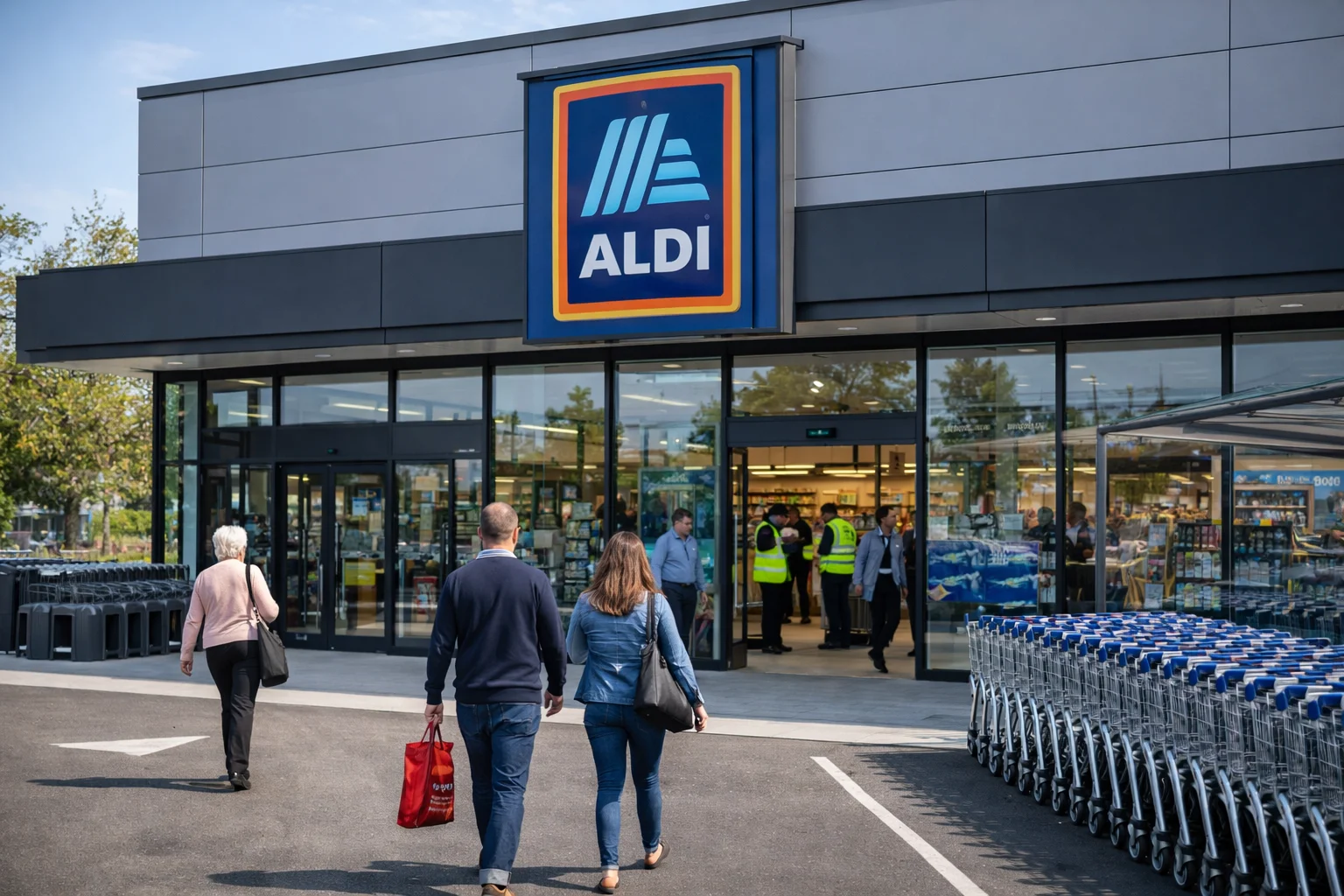
- ✔ Growth: Over 40 new stores opening in 2026.
UK Supermarket Pay Rankings (April 2026)
The latest Aldi pay rise confirms that from April 1, 2026, store assistants in the UK will earn at least £13.50 per hour nationally and £14.88 within London’s M25, making Aldi the highest-paying supermarket in the country. This follows an earlier increase in March 2026 and forms part of a £36 million investment in staff pay and benefits.
Key Takeaways:
- Aldi is now the highest-paying UK supermarket for entry-level roles
- Over 28,000 employees benefit from the increase
- Pay can rise up to £14.47 nationally and £15.20 in London
- Rates are above both the National Living Wage and the Real Living Wage
- Additional benefits include paid breaks and enhanced maternity pay
This development reflects wider changes in the UK retail sector, where supermarkets are competing more aggressively to attract and retain staff.
What Is The Latest Aldi Pay Rise In The UK For 2026?

The Aldi pay rise in 2026 is part of a two-stage increase introduced within a short period. The supermarket first raised wages in March 2026, followed by a second increase effective from April 1, 2026.
This move directly impacts around 28,000 store assistants across the UK and reinforces Aldi’s position as a leader in employee pay within the retail sector.
The April increase lifts hourly pay to new industry-leading levels and highlights Aldi’s ongoing commitment to staff compensation. The decision comes at a time when supermarkets are facing rising competition and increasing pressure to offer better wages due to cost-of-living concerns.
Key highlights of the latest pay rise include:
- A second pay increase within just two months
- A clear strategy to remain ahead of competitors like Lidl and Sainsbury’s
- A focus on rewarding frontline retail workers
- A broader investment of £36 million into wages and benefits
As one retail analyst explained during industry discussions,
“This is not just a pay adjustment. It is a strategic move that positions Aldi as a benchmark employer in UK retail. The timing suggests a strong response to both labour shortages and competitive pressures.”
How Much Will Aldi Staff Be Paid From April 2026?
From April 1, 2026, Aldi staff will receive increased hourly wages that place them at the top of the UK supermarket pay scale. These new rates apply to entry-level store assistants and vary depending on location.
The updated pay structure is as follows:
| Location | March 2026 Rate | April 2026 Rate |
|---|---|---|
| National | £13.35/hour | £13.50/hour |
| London (M25) | £14.71/hour | £14.88/hour |
These figures confirm that Aldi has gone beyond the Real Living Wage and significantly exceeds the UK minimum wage set for April 2026.
Additional details around this increase include:
- The April rise follows closely after the March adjustment
- Pay remains competitive across both urban and rural locations
- London workers receive higher rates due to cost of living differences
- Entry-level staff benefit immediately without needing prior experience
Aldi’s CEO Giles Hurley highlighted the importance of this move, stating,
“Our colleagues are at the heart of everything we do. Their hard work allows us to deliver the value customers expect. That is why we are investing significantly in ensuring they remain the best paid in the sector.”
This structured pay increase ensures clarity for employees while strengthening Aldi’s appeal to new job applicants.
How Do Aldi Pay Rates Increase With Length Of Service?
The Aldi pay rise is not limited to starting wages. The company also offers structured increases based on length of service, allowing employees to earn higher hourly rates over time. This approach is designed to reward loyalty and encourage long-term careers within the business.
Aldi’s model is simple and transparent. Employees begin at a competitive starting rate and see their pay gradually increase as they gain experience and remain with the company.
What Are The Maximum Pay Rates Employees Can Reach?
Over time, Aldi store assistants can progress to higher pay brackets that exceed initial entry-level rates. These maximum rates reflect experience, performance, and continued service within the organisation.
- Up to £14.47 per hour nationally
- Up to £15.20 per hour within the M25
- Structured progression based on tenure
- Clear pay bands that employees can work towards
These figures place Aldi ahead of most competitors, even at the upper end of pay scales. The structured increases also provide employees with a clear understanding of their earning potential.
How Does Aldi Reward Long-Term Staff?

Aldi’s approach goes beyond basic wage increases. The company has built a system that recognises long-term commitment while maintaining fairness across its workforce.
Key aspects of this approach include:
- Predictable pay progression without complex criteria
- Incentives for employees to stay longer with the company
- Equal opportunities for advancement regardless of role
- A focus on retaining experienced staff
During internal communications, one senior manager explained,
“We believe consistency and fairness are essential. When colleagues know their efforts will be recognised over time, it builds trust and encourages long-term commitment.”
This system also benefits Aldi operationally. By retaining experienced staff, the company reduces recruitment costs and maintains service quality in stores.
Why Has Aldi Increased Pay Twice In 2026?
Aldi’s decision to implement two pay rises in 2026 reflects a combination of economic pressures and competitive strategy. The first increase in March was quickly followed by a second in April, demonstrating a proactive approach to workforce management.
Several factors have contributed to this decision:
- Rising cost of living across the UK
- Increasing competition among supermarkets for staff
- The need to stay ahead of rivals such as Lidl and Tesco
- Changes to the National Living Wage in April 2026
The timeline of increases is outlined below:
| Month | National Pay | London Pay |
|---|---|---|
| March 2026 | £13.35 | £14.71 |
| April 2026 | £13.50 | £14.88 |
This rapid adjustment ensures Aldi remains competitive while responding to economic conditions.
Industry experts have noted that such quick successive increases are uncommon. One retail consultant shared,
“Two pay rises in such a short time frame signal urgency. Aldi is clearly prioritising staff retention and market leadership.”
The strategy also aligns with Aldi’s broader growth plans, as higher wages can attract new employees during expansion.
How Does Aldi Pay Compare To Other UK Supermarkets?
The Aldi pay rise has placed the supermarket ahead of its competitors in terms of entry-level wages. This section compares Aldi’s pay rates with other major UK retailers to understand its position in the market.
What Are Competitors Paying In 2026?
The following table shows how Aldi compares with other supermarkets after the latest increases:
| Supermarket | National Pay | London Pay |
|---|---|---|
| Aldi | £13.50 | £14.88 |
| Lidl | £13.45 | £14.80 |
| Sainsbury’s | £13.23 | £14.54 |
| Waitrose | £13.25 | £14.80 |
Key observations:
- Aldi leads in both national and London pay
- Lidl remains the closest competitor
- Traditional supermarkets offer slightly lower rates
- The gap between Aldi and competitors continues to widen
Is Aldi Now The Highest-Paying Supermarket In The UK?

Yes, Aldi is currently the highest-paying supermarket in the UK for entry-level store roles. This position is based on confirmed hourly rates following the April 2026 increase.
The company has consistently aimed to maintain this position as part of its employer brand strategy.
A spokesperson explained during a media briefing,
“We have always committed to being the best-paying supermarket. This latest increase ensures we continue to honour that promise and support our colleagues effectively.”
This leadership position not only benefits employees but also strengthens Aldi’s reputation among job seekers and the wider retail industry.
What Additional Benefits Do Aldi Employees Receive?
Beyond the Aldi pay rise, the company offers several additional benefits that enhance overall employee compensation. These benefits contribute to Aldi’s reputation as a leading employer in the retail sector.
Key benefits include:
- Paid breaks, worth approximately £1,470 per year
- Enhanced maternity pay with 26 weeks of full pay
- Competitive apprentice wages above minimum requirements
- Ongoing investment in staff wellbeing and support
These benefits are designed to complement hourly wages and provide real financial value to employees.
Aldi remains the only major UK supermarket to offer fully paid breaks to store staff. This feature alone adds a noticeable increase to annual earnings.
The company’s investment of £36 million in 2026 reflects a broader strategy that goes beyond wages. It focuses on improving working conditions and supporting employees at different life stages.
How Does Aldi Pay Compare To The UK Minimum Wage?
The Aldi pay rise significantly exceeds both the National Living Wage and the Real Living Wage in the UK. From April 2026, the legal minimum wage for workers aged 21 and over is set at £12.71 per hour.
In comparison:
- Aldi national starting pay is £13.50
- Aldi London pay is £14.88
- Real Living Wage stands at £13.45
This means Aldi pays above both legal and voluntary wage benchmarks.
Key comparisons:
- £0.79 above minimum wage nationally
- Higher than the Real Living Wage benchmark
- Stronger financial support for entry-level workers
This gap highlights Aldi’s commitment to offering competitive salaries while addressing cost of living concerns.
For many workers, this difference can translate into meaningful annual earnings improvements, especially when combined with additional benefits such as paid breaks.
What Does The Aldi Pay Rise Mean For UK Workers?

The Aldi pay rise has broader implications for the UK workforce, particularly in the retail sector. It sets a new benchmark for wages and may influence how other employers structure their pay.
How Does It Impact Retail Workers And Job Seekers?
For retail workers, Aldi’s pay increase creates new expectations around fair wages and working conditions.
Key impacts include:
- Higher earning potential for entry-level roles
- Increased competition among supermarkets
- Greater motivation for workers to switch employers
- Improved job attractiveness in retail
For job seekers, Aldi becomes a more appealing option, especially for those entering the workforce or seeking stable employment.
Could Higher Wages Affect Hiring Trends?
While higher wages benefit employees, they can also influence hiring decisions within businesses.
Potential effects include:
- Employers becoming more selective in recruitment
- Reduced hiring due to increased labour costs
- Greater focus on productivity and efficiency
- Concerns raised by some business leaders about youth employment
Some industry voices have raised concerns. One business representative noted,
“Higher wages are welcome, but they do create challenges for hiring, particularly for younger workers entering the job market.”
Despite these concerns, Aldi’s approach reflects a broader shift towards better pay in retail, driven by competition and changing workforce expectations.
How Is Aldi Expanding While Increasing Pay?
Aldi continues to grow its UK presence while increasing employee pay, demonstrating a balanced approach to business expansion and workforce investment.
Key expansion plans include:
- Opening around 40 new stores in 2026
- Increasing its workforce beyond 45,000 employees
- Strengthening its market share in the UK grocery sector
This growth strategy aligns with rising demand for affordable groceries and private-label products.
Despite higher wage costs, Aldi maintains a strong business model focused on efficiency and value. This allows the company to invest in both expansion and employee compensation simultaneously.
The combination of growth and higher wages highlights Aldi’s long-term commitment to the UK market.
What Are The Key Facts About The Aldi Pay Rise 2026?
The Aldi pay rise in 2026 includes several important figures and milestones that define its impact on the retail sector.
Below is a summary of the key facts:
| Category | Details |
|---|---|
| National Pay (April 2026) | £13.50/hour |
| London Pay (April 2026) | £14.88/hour |
| Max Pay (National) | £14.47/hour |
| Max Pay (London) | £15.20/hour |
| Employees Affected | 28,000 |
| Investment | £36 million |
| Minimum Wage (2026) | £12.71/hour |
These figures demonstrate Aldi’s leadership in employee pay and its commitment to maintaining competitive wages.
The structured increases, combined with additional benefits, position Aldi as a benchmark employer within the UK retail industry.
Is There Any Confusion Or Misinformation About The Aldi Pay Rise?
There has been some confusion around the Aldi pay rise due to the two-stage increase introduced in 2026. Some reports have mixed up the March and April rates, leading to misunderstandings about actual pay levels.
It is important to clarify:
- March 2026 introduced the first increase
- April 2026 brought the final updated rates
- Maximum pay differs from starting pay
- Aldi’s “highest-paying” claim applies to entry-level roles
There are no indications of misleading claims, but the timeline can cause confusion if not clearly explained.
By separating these details, it becomes easier to understand the full scope of Aldi’s pay strategy.
Conclusion
The Aldi pay rise in 2026 marks a significant shift in UK supermarket wages, setting a new benchmark for entry-level pay. With hourly rates rising to £13.50 nationally and £14.88 in London, Aldi has positioned itself as the highest-paying supermarket in the sector.
This move reflects both competitive pressures and a commitment to supporting employees through higher wages and improved benefits. The structured pay progression, additional perks, and ongoing expansion plans further strengthen Aldi’s position as a leading employer.
For UK workers, this development signals a positive trend towards better pay in retail, while also highlighting the growing competition among supermarkets to attract and retain talent.
FAQs
What Is The Starting Pay At Aldi In 2026?
Aldi starting pay is £13.50 per hour nationally and £14.88 within London from April 2026. These rates apply to store assistants.
How Many Employees Benefit From The Aldi Pay Rise?
Around 28,000 Aldi store assistants benefit from the 2026 pay increase. This makes it one of the largest retail pay updates.
Does Aldi Pay More Than The Minimum Wage?
Yes, Aldi pays significantly above the UK minimum wage of £12.71 per hour. It also exceeds the Real Living Wage.
Are Aldi Pay Rates Higher In London?
Yes, Aldi offers higher pay rates within the M25 to reflect living costs. London staff earn £14.88 per hour starting pay.
Do Aldi Employees Get Paid Breaks?
Yes, Aldi is the only UK supermarket that offers fully paid breaks. This adds extra annual value to employee earnings.
Can Aldi Employees Earn More Over Time?
Yes, employees can earn up to £14.47 nationally and £15.20 in London. Pay increases with length of service.
Why Did Aldi Increase Pay Twice In 2026?
Aldi increased pay twice to stay competitive and respond to economic conditions. It also aims to attract and retain staff.
Related Articles: