
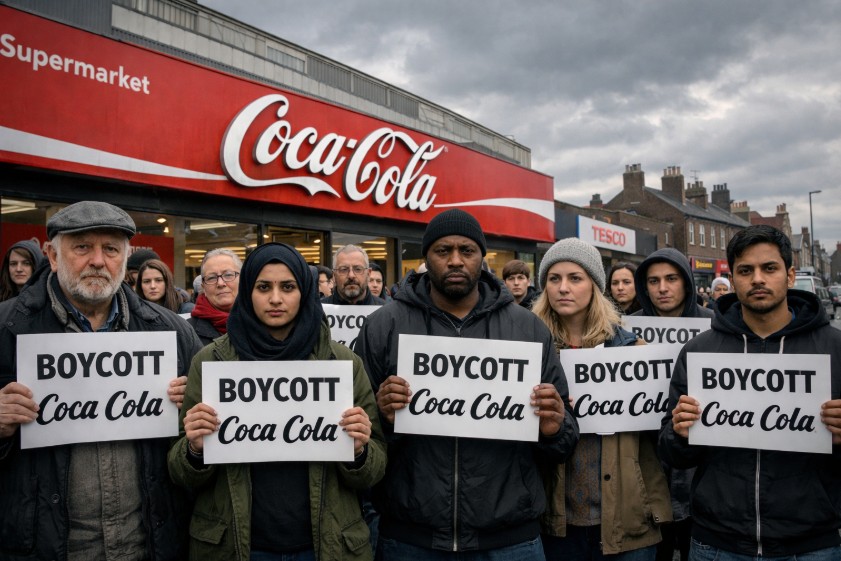
Have you ever questioned what lies behind the label of one of the world’s most iconic drinks? The current calls to boycott Coca Cola are not just a political gesture but a growing movement rooted in human rights, ethical consumerism and global accountability. In the UK, this conversation is intensifying, especially as consumers become more aware of the impact of their purchases.
Campaigns led by groups like the Boycott, Divestment, Sanctions (BDS) movement and Friends of Al-Aqsa (FOA) claim Coca Cola is profiting from injustice, particularly through its operations linked to Israeli settlements considered illegal under international law.
This has spurred a surge in public awareness, grassroots activism and consumer shifts. As we explore this unfolding situation, you’ll discover the reasons behind the boycott, the UK’s response, ethical alternatives and how your choices can contribute to greater social impact.
What Sparked the Movement to Boycott Coca Cola?
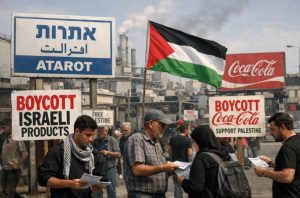
The call to boycott Coca Cola gained momentum due to its franchisee’s operations in the Atarot industrial zone in East Jerusalem. This area is internationally recognised as an illegal Israeli settlement built on occupied Palestinian land.
Campaigners argue that Coca Cola, by operating there, indirectly supports land theft and colonial expansion. Activist networks such as the BDS movement and Palestine Solidarity Campaign highlight this presence as a clear violation of international law and a symbol of complicity in Israel’s occupation.
Friends of Al-Aqsa has been one of the driving forces behind this campaign, urging the public to cut ties with Coca Cola and its subsidiaries. Over the years, they’ve organised mosque-based awareness drives, national protest days and even leafleting events outside Costa Coffee, a Coca Cola-owned chain.
These efforts have transformed the boycott into a unified call for justice and ethical accountability in business practices across the UK and beyond.
Is Coca Cola Complicit in the Israeli Occupation?
Coca Cola has come under scrutiny for its alleged complicity in the Israeli occupation due to its ties with operations in Atarot. This area is an illegal settlement under international law and was developed on forcibly seized Palestinian land. The Israeli Coca Cola franchise operates a distribution centre here, raising ethical concerns across the globe.
Critics argue Coca Cola is complicit in several ways:
- By paying taxes to the Israeli government, its franchise supports state policies tied to occupation
- Its business presence in Atarot helps normalise and financially sustain illegal settlements
- Profiting from operations in contested areas undermines international justice frameworks
Despite these concerns, Coca Cola maintains that it contributes positively to Palestine by offering local employment and investment. However, this claim is met with scepticism from advocacy groups, who stress that economic support cannot offset complicity in alleged human rights violations. The wider debate has triggered consumer-led action and increased demand for ethical corporate transparency.
How Has the UK Responded to the Coca Cola Boycott?
The UK has become a stronghold of support for the Coca Cola boycott, particularly among communities advocating for Palestinian rights. Organisations such as Friends of Al-Aqsa and the Palestine Solidarity Campaign have mobilised British consumers to rethink their shopping habits. Local businesses across the UK have removed Coca Cola products, joining in solidarity with the boycott.
National Days of Action, including protests outside Costa Coffee branches, and leafleting campaigns in mosques after Friday prayers, have amplified awareness. These peaceful campaigns aim to educate the public on Coca Cola’s alleged complicity in illegal settlement activities. As the campaign gains traction, more Britons are pledging to avoid Coca Cola and its associated brands entirely.
The response in the UK is not just political but deeply rooted in ethical consumerism. Shoppers are choosing to align their values with their purchases, making the boycott part of a broader movement for corporate accountability and global social justice.
What Is Coca Cola’s Official Response to the Boycott?
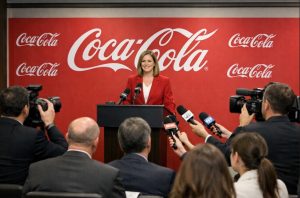
Coca Cola has publicly stated that it is committed to neutrality and contributing positively to local communities, including in Palestine. According to the company, its operations within Palestinian territories have created thousands of jobs, invested in infrastructure and helped stimulate local economies. Coca Cola asserts that its presence in the region is purely business-oriented, not political.
However, this position has not satisfied activists and human rights organisations. Critics argue that economic contributions do not excuse or offset the company’s involvement in disputed territories. They see the investment as a strategic move to distract from more controversial activities, particularly the ongoing operations in Atarot.
Furthermore, Coca Cola has not publicly addressed the growing pressure to divest from settlements deemed illegal under international law. This silence on key demands from activists is seen as part of a broader trend where corporations avoid transparency while benefiting from conflict-driven economies. This has only added fuel to the growing boycott movement.
Why Are Ethical UK Consumers Choosing to Boycott Coca Cola?
Ethical consumers in the UK are increasingly aligning their shopping choices with personal values. Coca Cola’s alleged ties to illegal settlements and human rights violations have pushed many to rethink their loyalty to the brand. For these individuals, boycotting Coca Cola is about more than geopolitics; it’s about moral responsibility.
Key motivations include:
- Supporting justice and solidarity with Palestinians
- Rejecting corporate involvement in internationally condemned activities
- Encouraging companies to respect international law and human rights
- Demanding transparency in global business operations
Younger consumers, in particular, are leading this shift. They favour brands that demonstrate real commitment to social justice and sustainability. As part of a wider ethical shopping trend, the boycott reflects growing awareness around the impact of everyday purchases.
Consumers are realising that even something as simple as a drink choice can have global implications. This shift is putting pressure on companies like Coca Cola to reconsider their operations and accountability.
What Are the Ethical Alternatives to Coca Cola in the UK?
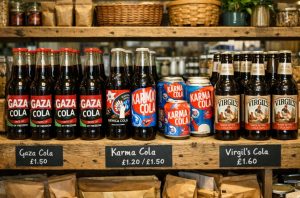
If you’re rethinking your cola choice due to ethical concerns, you’re not alone. As the Coca Cola boycott continues, more UK consumers are seeking alternatives that align with their values. Fortunately, several ethical and socially conscious brands are offering promising options. Let’s look at a few.
Overview of Gaza Cola and Its Mission
Gaza Cola has become a symbol of resistance and ethical consumption. Developed by Palestinians and distributed in solidarity-driven markets, Gaza Cola donates its profits to Gaza-based humanitarian efforts.
This not only supports reconstruction but also creates a beverage that carries a message of justice and dignity. The brand is gaining popularity among UK consumers who want their purchases to reflect their principles.
Other Ethical Beverage Brands in the UK
Apart from Gaza Cola, other alternatives focus on sustainability and fair trade. Brands like Karma Cola are committed to ethical sourcing and fair wages for their suppliers.
Q Kola and Virgil’s Natural Cola offer natural ingredients and transparent production methods. These companies distance themselves from controversial geopolitical involvements, making them appealing to values-led consumers.
Table: Comparison of Cola Brands by Ethical Values
| Brand | Ethical Practices | Political Stance | Environmental Policies | UK Availability |
|---|---|---|---|---|
| Gaza Cola | Profits support Gaza rebuilding | Pro-Palestine | Eco-friendly production | Moderate |
| Karma Cola | Fairtrade ingredients | Politically neutral | Recyclable packaging | High |
| Q Kola | Natural and organic ingredients | Not publicly stated | Minimal plastic use | Moderate |
| Virgil’s Cola | Small-batch natural production | No known conflicts | Local sourcing focus | Limited |
| Pepsi | No current settlement ties | Corporate neutral | Improving sustainability | High |
These alternatives offer not just a drink but an opportunity to take a stand through conscious consumption.
What Other Brands Should You Boycott Alongside Coca Cola?
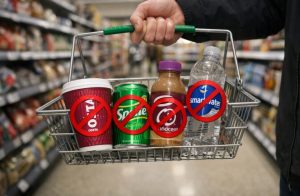
Many people don’t realise that Coca Cola owns a wide range of brands beyond its signature soft drink. If you’re supporting the boycott, it’s essential to recognise and avoid these associated products as well. By doing so, you strengthen the collective impact of the movement.
Here are some key Coca Cola-owned brands to consider boycotting:
- Costa Coffee
- Diet Coke
- Sprite
- Fanta
- Schweppes
- Innocent Drinks
- Powerade
- Smartwater
- Appletiser
- Oasis
Each of these products contributes to the same parent company that activists accuse of supporting apartheid through its operations in illegal Israeli settlements. Campaigners have specifically targeted Costa Coffee in protest rallies and awareness drives.
By extending the boycott to these brands, consumers can send a clearer message companies involved in unethical practices cannot hide behind sub-brands. The broader and more informed the boycott, the greater the pressure on Coca Cola to address and reform its actions on a corporate level.
Can Boycotts Really Make a Difference?
Boycotts are often dismissed as symbolic, but history shows they can lead to substantial change. The Coca Cola boycott has already seen local businesses refuse to stock its products, and global pressure is growing. A powerful example is General Mills, a multinational company that recently divested from the Atarot settlement due to sustained activism.
Such success stories prove that targeted boycotts can influence corporate decisions. They force companies to evaluate the long-term cost of unethical practices, both reputational and financial. As more people get involved, brands like Coca Cola feel mounting pressure from investors, partners and consumers.
Grassroots campaigns have also succeeded in reshaping public opinion. They bring attention to injustices that might otherwise go unnoticed. The combined effect of widespread consumer action, media coverage, and organised protests creates a compelling force for accountability.
When boycotts are persistent and principled, they do far more than raise awareness, they inspire systemic change and set new ethical standards.
Should You Join the Movement to Boycott Coca Cola?
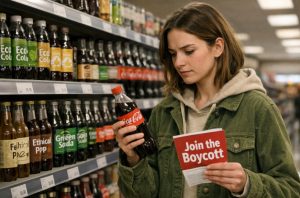
Choosing whether to boycott Coca Cola is a personal decision, but it’s one that carries social weight. If you care about justice, ethics and human rights, joining this movement is a meaningful way to act. By refusing to support brands complicit in injustice, you’re standing with oppressed communities and demanding corporate responsibility.
Joining the boycott doesn’t require major sacrifice. It can be as simple as switching your drink choice or sharing information with your community. You’re not acting alone either, thousands across the UK and beyond have pledged to stop buying Coca Cola products.
This is more than a symbolic gesture. It’s part of a larger movement of ethical consumerism that is reshaping how brands operate. Every can you choose not to buy sends a message that people value principles over profits. If you’re ready to make your purchasing power count, this boycott is a step towards meaningful, global impact.
Conclusion
The call to boycott Coca Cola is more than a campaign; it’s a reflection of growing global consciousness. As multinational corporations operate across borders, so too does consumer accountability. In the UK, the movement is gaining serious traction, fuelled by human rights concerns, ethical buying habits and strong grassroots activism.
Coca Cola’s connection to operations in disputed territories, and its perceived silence on ethical issues, has placed it at the centre of a debate about what responsible business really means. The rise of alternatives like Gaza Cola shows that consumers are not just turning away but turning towards brands that align with their values.
In today’s interconnected world, each purchase is a statement. Whether you choose to boycott Coca Cola or simply become more aware of the issues, your actions matter. Together, informed consumers can challenge injustice, reshape industries and create a more ethical, accountable world.
FAQs
What is the BDS movement, and why does it target Coca Cola?
The BDS movement targets Coca Cola for its indirect support of Israeli settlements in occupied Palestinian territories. It aims to apply economic pressure on companies complicit in human rights violations.
How can I avoid buying Coca Cola products unknowingly?
Check labels and research Coca Cola’s sub-brands such as Costa Coffee, Innocent Drinks, Fanta and Sprite before making a purchase.
Are there any legal consequences for companies operating in illegal settlements?
Operating in illegal settlements breaches international law, but companies often face reputational and economic backlash rather than legal prosecution.
How do boycotts affect multinational companies like Coca Cola?
Boycotts affect companies through public image, investor concerns and shifting consumer loyalty, prompting them to reconsider controversial operations.
What other global brands are being boycotted for similar reasons?
Brands like Puma and HP have also faced boycotts for alleged involvement in the Israeli occupation or support of the Israeli military.
Is boycotting Coca Cola anti-Semitic?
No, the boycott targets corporate behaviour, not religion or ethnicity. It is based on opposition to occupation and human rights violations.
Can individual consumer choices really influence global policies?
Yes, when many individuals act together, their choices influence corporate strategies and encourage policy changes at a global level.