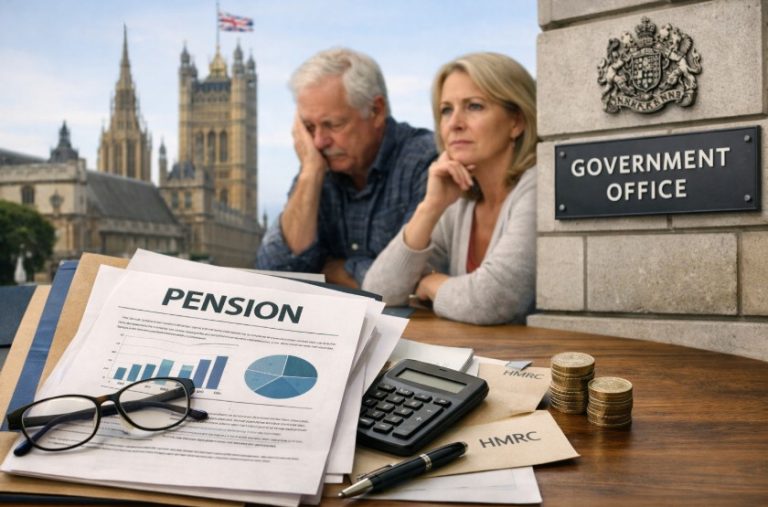


The Civil Service Pension increase for 2026 has been confirmed at 3.8%, effective from April 2026, as announced in October 2025.
This rise, based on the Consumer Prices Index (CPI) figure from September 2025, brings some long-awaited financial relief to many UK public sector pensioners. It reflects an annual statutory adjustment made to help pensions keep pace with inflation.
Key Takeaways:
- 3.8% increase in Civil Service pensions from April 2026
- Applies to deferred pensions and pensions already in payment
- Pro-rata payments for pensions under 12 months
- Based on CPI as per the Social Security Act 1975
- First partial increase in April, full payment starts in May
What Is the Civil Service Pension Increase in 2026?

In 2026, Civil Service pensions will increase by 3.8%, starting from 6 April 2026, based on the Consumer Prices Index (CPI) from September 2025, as confirmed by the Office for National Statistics in October.
This annual adjustment ensures that pensions continue to keep pace with inflation, providing some protection against the rising cost of living. The increase is implemented through legislation under the Social Security Pensions Act 1975, and formalised each year by the Pensions Increase (Review) Order.
For those who have been receiving their pension for 12 months or more, the full 3.8% increase will be applied. However, those who started receiving their pension within the last year will receive a pro-rata amount for the first year, with the full increase taking effect from May 2026. This structure ensures that pensioners are treated fairly, regardless of when they retired.
Speaking from experience, last year’s 1.7% increase barely covered my rising energy bills, so seeing this 3.8% uplift finally catch up to inflation feels like a much-needed correction.
David Luxton, Deputy General Secretary of the Civil Service Pensioners’ Alliance (CSPA), echoed a similar view, stating that the increase will
“Bring some relief to many members who are still struggling with higher Council Tax, energy price increases, and water bills.”
While it may not solve every financial issue retirees face, this increase shows that the system is, at the very least, responding to economic realities.
Who Will Benefit from the 2026 Pension Increase?
The 2026 Civil Service pension increase will impact a wide range of pensioners within the public sector, but the effect depends on their pension status and scheme.
Those who benefit fully:
- Civil Service pensioners in payment for 12 months or more as of 6 April 2026 will receive the full 3.8% increase.
Those receiving a partial increase:
- Pensioners with less than 12 months of pension payments by April 2026 will receive a pro-rata increase, calculated based on the number of months in payment.
Types of pensions and schemes affected:
- Deferred pensions – eligible for the full increase
- CARE Schemes like:
- Civil Service Alpha
- NHS 2015
- LGPS 2014
Additional beneficiaries:
- Those receiving pensions through legacy (Final Salary) schemes will also benefit, although increases for these are proportionate based on time since retirement.
This statutory increase covers a significant portion of the UK public sector workforce, offering essential support amid continued inflationary pressures.
Why Is the Increase Set at 3.8%?

The 3.8% pension increase for April 2026 is directly linked to the CPI figure from September 2025, published in October 2025. This annual mechanism is built into the Social Security Act 1975, which ensures public sector pensions are adjusted in line with inflation.
The government uses the CPI because it reflects a broader and more current representation of household spending patterns.
Until 2011, the Retail Prices Index (RPI) was used, but it was replaced by the CPI, which is generally a lower but more accurate inflation measure. This shift was intended to modernise inflation adjustments while helping the Treasury control pension costs.
While CPI was expected to be closer to 4% in September 2025, the official announcement by the Office for National Statistics (ONS) confirmed the figure at 3.8%. This forms the basis of the new pension increase rate for April 2026.
How Does the 2026 Civil Service Pension Increase Compare to the State Pension Rise?
The Civil Service Pension increase for 2026 may offer some financial relief, but how does it stack up against the State Pension rise under the UK’s Triple Lock guarantee?
State Pension Expected to Rise by 4.8%
According to government forecasts, the State Pension is set to increase by 4.8% from April 2026.
The Triple Lock guarantees the higher of:
- CPI Inflation
- Average earnings growth
- 2.5% baseline increase
In 2025, average earnings rose by 4.8%, outpacing the 3.8% CPI, which means the 4.8% increase will apply.
Civil Service vs State Pension: Key Differences
| Pension Type | Increase (%) | Basis | Effective Date | Notes |
|---|---|---|---|---|
| Civil Service Pension | 3.8% | September 2025 CPI | April 2026 | Pro-rata for new pensioners |
| State Pension | 4.8% | Triple Lock (earnings-led) | April 2026 | Final confirmation due in Autumn Budget |
Pension Age Increases from April 2026
The State Pension age will begin its gradual increase to 67, starting in April 2026. The Civil Service pension age now aligns with the State Pension age, meaning many public servants will see this shift affect their retirement timeline.
This policy change is being phased in over two years and aims to reflect longer life expectancy and economic sustainability.
In summary, while the State Pension sees a larger increase than the Civil Service pension in 2026, both adjustments play a crucial role in helping retirees combat rising living expenses.
What Role Does Legislation Play in the Annual Pension Increase?

The annual pension increase for Civil Service pensions is not arbitrary; it is governed by legislation, specifically the Social Security Pensions Act 1975. This act mandates that pensions in the public sector must increase each April, matching the CPI rise from the preceding September.
Key Legislative Framework:
- Consumer Prices Index (CPI) replaces RPI post-2011
- Pensions Increase (Review) Order formalises the increase annually
- Applies to:
- Deferred pensions
- Pensions in payment
- CARE and Final Salary schemes
This structure ensures public sector retirees aren’t left behind by inflation, with automatic adjustments written into law. However, the switch from RPI to CPI has slightly reduced the annual increase compared to past decades.
Legislation not only standardises the process but also protects pensioners from political shifts and arbitrary budget decisions.
What Is the Long-Term Impact of the CPI Link on Civil Service Pensions?

The CPI link plays a central role in shaping the long-term value of Civil Service pensions. But the broader implications go beyond annual adjustments.
Implication of Using CPI vs RPI
Before 2011, pension increases were linked to Retail Prices Index (RPI), which was typically higher. Since switching to CPI, pensions rise at a slower rate, saving the government money but slightly reducing pension growth over time.
Government Estimates from 2021: £400 Billion in Savings
The government’s 2021 forecast projected over £400 billion in long-term savings by using CPI instead of RPI, alongside other reforms like increased member contributions and scheme restructuring.
Public vs Private Sector Pension Indexing
Public service pensions now follow CPI, while many private sector defined benefit schemes still use RPI or CPIH. This discrepancy can result in different retirement outcomes, even among those with similar career earnings.
While CPI helps stabilise public finances, it also means that public service retirees need to plan carefully, as their pension increases may lag behind real-life expenses.
Final Thoughts: How Should Retirees Prepare for the 2026 Civil Service Pension Increase?
As someone looking toward retirement, I think it’s crucial to see this 3.8% increase not just as a number, but as part of a bigger financial strategy. This year’s rise helps offset cost-of-living increases, but it’s equally important for retirees to actively manage their budgets.
Practical steps for preparation:
- Review pension statements to understand expected increases
- Adjust personal budgets for essentials like energy and council tax
- Consult with a pension advisor to maximise retirement income
- Track inflation forecasts and stay informed about future increases
While the increase is welcome, careful planning ensures it goes further, particularly as pension ages and inflation continue to evolve.
Comparison of Civil Service vs State Pension Increase 2026
The 2026 pension increases highlight a growing gap between Civil Service pensions and the State Pension under the Triple Lock mechanism. While both increases aim to protect against inflation, the calculation methods differ.
The Civil Service pension follows a legislated CPI-based mechanism, while the State Pension is governed by the more generous Triple Lock policy, making it slightly more responsive in high-earning years.
| Pension Type | Increase (%) | Indexation Basis | Applies From | Eligibility Notes |
|---|---|---|---|---|
| Civil Service Pension | 3.8% | September 2025 CPI | April 2026 | Pro-rata for new pensioners |
| State Pension | 4.8% | Triple Lock (earnings-led) | April 2026 | Based on highest of CPI, earnings, or 2.5% |
Both increases offer support, but understanding the mechanics behind each can help retirees plan more effectively.
Conclusion
The civil service pension increase of 3.8% in 2026 provides a timely financial uplift for many UK retirees, reflecting the government’s statutory obligation to adjust for inflation.
While not as generous as the expected 4.8% State Pension increase, it still represents progress after a lower 1.7% rise in 2025. This adjustment is part of a broader framework designed to ensure retirees’ financial stability amid rising costs.
With the Civil Service and State Pension ages aligning and CPI-linked calculations firmly in place, it’s more important than ever for pensioners to stay informed.
The 2026 increase might not solve all financial concerns, but it offers much-needed support for those navigating retirement in a high-inflation economy.
FAQs
What is the Civil Service Pension Increase for 2026?
The civil service pension will rise by 3.8% from April 2026, based on September 2025’s CPI.
When Will the Pension Increase Be Applied?
The increase starts in April 2026, with the full amount paid in May for those eligible.
Who Qualifies for the Full Pension Increase?
Pensioners whose pensions have been in payment for 12 months or more will receive the full 3.8%.
Why is the Increase Based on CPI and Not Rpi?
Since 2011, CPI has replaced RPI as it better reflects actual consumer spending.
Will the State Pension Increase Be Higher Than the Civil Service Pension?
Yes, the State Pension is expected to rise by 4.8% in April 2026 under the Triple Lock.
Is the Increase Applied to All Types of Civil Service Pensions?
Yes, including deferred pensions, CARE schemes, and legacy schemes, with pro-rata rules for newer pensions.
What Should Retirees Do to Prepare for the Increase?
Review your pension details, budget accordingly, and speak with a financial adviser if needed.