


Critical Distinction: Suspended vs. Cancelled
The March strikes were Suspended (paused for talks), not Cancelled (withdrawn). This means industrial action can resume if negotiations regarding shift patterns fail.
The 2026 Strike Roadmap
March
April
May
The Stalemate: 4-Day Week Trials
- 35-hour week (down from 36)
- Introduction of paid meal breaks
- Operational flexibility trials
- 32-hour working week goal
- No increase in shift length
- Safety-first fatigue protection
Commuter Tip: Services resume gradually. Check the TfL Go app 60 minutes before travel during “restored” days to avoid residual delays.
Yes, the March London Underground tube strikes have been suspended, not fully cancelled. Services are expected to run normally on the affected March dates, but future strikes in April, May, and June are still planned as negotiations continue between Transport for London and the RMT union.
Key points you need to know:
- March 24 to 27 strikes are suspended and services will operate normally
- The dispute between TfL and RMT is still ongoing
- Further strike dates remain scheduled from April onwards
- Commuters should still check updates before travelling
This means while there is short term relief for passengers, uncertainty remains. The situation is evolving, and future disruptions are still possible depending on how negotiations progress between union representatives and London Underground management.
What Is the Latest Official Update on the London Tube Strike?

The latest official update confirms that the London Underground tube strikes scheduled for late March have been suspended rather than fully cancelled. This distinction is important because it means the industrial action could still resume if negotiations break down.
For now, passengers can expect normal service across the Tube network on the affected March dates. Transport for London has confirmed that operations will continue as planned, offering temporary relief for commuters.
Key details include:
- Strike action between March 24 and March 27 has been suspended
- Services are expected to run normally across all lines
- The underlying dispute remains unresolved
This update follows discussions between London Underground management and the RMT union, which have led to a pause in industrial action while talks continue.
Commuters should remain cautious and stay informed, as the situation could change quickly depending on the outcome of ongoing negotiations.
Which Tube Strike Dates Have Been Suspended or Cancelled?
The current situation shows that no tube strikes have been fully cancelled. Instead, specific dates have been suspended following negotiations between the RMT union and London Underground.
Suspended strike dates apply only to March, offering short term relief for commuters. There are no officially cancelled dates at this stage, which highlights that the dispute is still active.
Below is a clear comparison of the current status:
| Status | Dates Covered | Service Impact |
|---|---|---|
| Suspended | March 24 to March 25 | Normal service expected |
| Suspended | March 26 to March 27 | Normal service expected |
| Cancelled | None | Not applicable |
This means passengers travelling during these March dates should not face major disruption. However, it is still recommended to check live updates before travelling, as minor changes can occur.
The use of the term suspended rather than cancelled indicates that industrial action has only been paused. It has not been permanently resolved.
This temporary suspension reflects progress in negotiations, but it also signals that further strike action remains possible in the near future.
Are There Any Upcoming Tube Strikes Still Planned in 2026?
Yes, several tube strikes are still planned throughout 2026, despite the suspension of the March dates. The RMT union has confirmed multiple upcoming strike periods, which could affect London Underground services if negotiations do not lead to a resolution.
These planned strikes are spread across April, May, and June, indicating that the dispute is ongoing and may escalate if concerns are not addressed.
Here is a full overview of the confirmed strike schedule:
| Month | Dates | Expected Impact |
|---|---|---|
| April | April 21 to April 22 | Likely disruption across network |
| April | April 23 to April 24 | Continued disruption expected |
| May | May 19 to May 20 | Reduced services possible |
| May | May 21 to May 22 | Ongoing disruption |
| June | June 16 midday to June 17 | Major disruption likely |
| June | June 18 midday to June 19 | Continued disruption |
These dates remain officially scheduled, and there has been no announcement of cancellation.
Passengers should be aware that disruption levels can vary depending on staff participation and operational adjustments. In some cases, partial services may still run, but delays and overcrowding are likely.
The presence of multiple future strike dates shows that the issue has not been resolved. Instead, the suspension of March strikes appears to be a temporary step while discussions continue.
Why Were the Tube Strikes Suspended but Not Fully Cancelled?

The suspension of the March tube strikes reflects progress in negotiations, but it does not indicate a full agreement between the RMT union and London Underground. The dispute remains active, and both sides are still working through key issues.
What Is the Dispute Between RMT and London Underground About?
The core issue centres on proposed changes to working patterns for tube drivers. London Underground introduced a plan involving a four-day working week, which would slightly reduce total weekly hours but extend the length of each working day.
Key aspects of the proposal include:
- A reduction from 36 hours to 35 hours per week
- Introduction of paid meal breaks
- Longer individual shifts across fewer days
While this may appear beneficial in terms of fewer working days, the RMT union has raised concerns about the impact on drivers.
A union representative shared concerns in discussions, saying,
“We have been clear that longer shifts can create serious fatigue risks for drivers. Safety must remain the priority in any working arrangement. Our members want a fair balance between working hours and wellbeing.”
Why Has the RMT Union Not Fully Called Off the Strike?
The RMT union has not cancelled the strike because it believes the current proposal does not fully address its concerns. Instead, the union is pushing for a different arrangement that better supports worker wellbeing.
Their position includes:
- A preference for a 32 hour working week
- Maintaining current pay levels
- Reducing fatigue and safety risks
RMT General Secretary Eddie Dempsey highlighted the ongoing nature of the dispute, stating,
“We have made progress by bringing management back to the table. There is still work to do before we reach an agreement. The dispute remains active and our members expect meaningful change.”
This explains why the strikes have only been suspended. The union wants to keep pressure on negotiations while allowing time for discussions.
What Do TfL and London Underground Say About the Situation?
Transport for London and London Underground have responded positively to the suspension, describing it as a constructive step forward. They emphasise that the proposed changes are part of a trial and are not being imposed permanently.
A London Underground official explained,
“We are pleased that strike action has been paused while discussions continue. Our aim is to find a solution that works for both staff and passengers. We remain committed to open and constructive dialogue.”Another transport spokesperson added,
“This is good news for London as services can continue without disruption. We are focused on resolving concerns and avoiding future strikes. Passengers should continue to stay informed as talks progress.”
Overall, the suspension reflects cautious optimism. However, without a final agreement, the risk of future strikes remains.
Will Tube Services Run Normally During the Suspended Strike Dates?
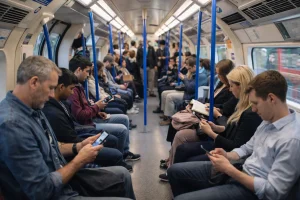
Yes, tube services are expected to run normally during the suspended strike dates in March. Transport for London has confirmed that there will be no planned industrial action affecting services between March 24 and March 27.
This means passengers can travel as usual across the London Underground network. However, minor delays or operational changes can still occur, so checking updates before travelling remains important.
Key points for travellers include:
- Full service expected across most lines
- No planned strike related disruptions
- Possible minor delays due to operational adjustments
Even though services are scheduled to run normally, commuters are advised to remain cautious. Situations can change quickly if negotiations take an unexpected turn.
Using official TfL tools and live updates can help ensure a smooth journey and reduce the risk of unexpected disruption.
What Should Commuters Do During Tube Strike Disruptions?
When tube strikes are planned or ongoing, preparation becomes essential for avoiding delays and frustration. Even with suspended strikes, future disruptions remain possible, so commuters should stay alert and plan ahead.
Practical steps include:
- Checking TfL updates before leaving home
- Allowing extra travel time during peak hours
- Exploring alternative routes, such as buses or cycling
- Using journey planning tools for real-time updates
Transport for London also recommends using digital tools to stay informed. These include apps that provide live service updates and route planning options.
Commuters who rely heavily on the Tube may benefit from flexible travel arrangements, such as adjusting work hours or working remotely where possible.
Planning ahead can significantly reduce the stress associated with unexpected disruptions. Staying informed ensures that passengers can make better decisions and avoid unnecessary delays during strike periods.
How Likely Is It That Future Tube Strikes Will Be Cancelled?
The likelihood of future tube strikes being cancelled remains uncertain. While the suspension of March strikes shows progress in negotiations, it does not guarantee that upcoming strikes will be called off.
The situation depends heavily on ongoing discussions between the RMT union and London Underground. If both sides reach a mutually acceptable agreement, future strike dates could be suspended or cancelled.
However, current information suggests that:
- The dispute is still unresolved
- Multiple strike dates remain officially scheduled
- Both sides continue negotiations
This means passengers should prepare for potential disruption in the coming months.
What Is the Real Impact of Tube Strikes on Daily London Travel?
Tube strikes can significantly disrupt daily life in London, affecting millions of commuters who rely on the Underground network.
The impact includes:
- Longer travel times due to reduced services
- Increased congestion on buses and roads
- Higher travel costs when using alternative transport
For example, a commuter travelling from East London to central areas may face extended journey times and crowded alternative routes. This can lead to delays at work and added stress.
Businesses are also affected, as employee productivity may drop due to travel disruptions.
Even when services are partially available, overcrowding and delays can make journeys uncomfortable. This highlights how important reliable transport is for the functioning of the city.
What Is the Difference Between “Strike Suspended” and “Strike Cancelled”?
Understanding the difference between a suspended strike and a cancelled strike is essential for interpreting updates correctly.
A suspended strike means that industrial action has been temporarily paused. It can resume at any time if negotiations fail or if disagreements continue.
A cancelled strike, on the other hand, means that the planned industrial action has been completely withdrawn and will not take place.
Key differences include:
- Suspended strikes can return if talks break down
- Cancelled strikes are fully removed from the schedule
- Suspended status indicates ongoing negotiations
In the current situation, the March tube strikes are suspended, not cancelled. This shows that progress has been made, but the issue is not fully resolved.
For passengers, this distinction matters because it affects how they plan future travel. A suspended strike still carries uncertainty, while a cancelled strike provides more confidence.
This is why commuters are advised to continue checking updates regularly, even when strikes appear to be paused.
Final Update: Is the Tube Strike Really Cancelled or Just Delayed?
The latest confirmed update is that the tube strike is not fully cancelled. It has been temporarily suspended for the March dates, allowing services to run normally during that period.
However, future strikes remain scheduled, and the dispute between the RMT union and London Underground is still ongoing.
This means the situation should be viewed as a delay rather than a resolution. While there is short term relief for commuters, uncertainty continues for the months ahead.
Passengers are encouraged to stay updated through official TfL channels and plan their journeys carefully.
The outcome of ongoing negotiations will determine whether future strikes are suspended, cancelled, or carried out as planned.
FAQs
Are all tube strikes cancelled in London?
No, only the March strikes have been suspended. Future strikes are still planned.
Will tube services run normally in March?
Yes, services are expected to operate normally during the suspended dates.
Why are tube drivers striking?
The dispute is mainly about working hours and shift patterns.
Are April tube strikes still happening?
Yes, April strike dates are still officially scheduled.
Can suspended strikes happen again?
Yes, suspended strikes can resume if negotiations fail.
How can commuters stay updated?
They can check official TfL updates and use travel apps.
Are buses affected by strikes too?
Some bus routes in East London are affected, but most services run normally.