
Can earn up to £1,000 in gross income per tax year on Vinted before paying tax in the UK, thanks to HMRC’s trading allowance.
If you are simply selling your own second hand clothes for less than you originally paid, you usually do not need to pay tax at all. However, if you buy items to resell for profit or your total gross income from trading exceeds £1,000, you must register for Self Assessment and report it.
Key takeaways:
- You can earn £1,000 gross income tax free under the trading allowance
- Selling personal items at a loss is normally not taxable
- Over £1,000 means you must register and report profits
- 30 sales or £1,700 triggers reporting by Vinted, not automatic tax
- Items sold for over £6,000 may fall under Capital Gains Tax
This guide explains exactly how much you can earn on Vinted before paying tax and how to stay compliant with HMRC.
How Much Can You Earn on Vinted Before Paying Tax in the UK?

If you are asking how much can you earn on Vinted before paying tax, the clear answer is £1,000 in gross income per tax year.
The UK tax year runs from 6 April to 5 April the following year. Gross income means your total sales before deducting Vinted fees, postage, or other costs.
This £1,000 limit comes from HMRC’s trading allowance. If your total trading income stays under this threshold, you do not need to register for Self Assessment or pay tax.
However, this only applies if you are trading. If you are simply selling personal possessions at a loss, you may not need to worry about the allowance at all.
It is important to understand:
- The £1,000 applies to total trading income, not profit
- It covers combined side hustle income, not just Vinted
- It resets each tax year
For example, if you sell clothes on Vinted and earn £800 in total during the tax year, and you have no other trading income, you usually do not need to declare it. But if you also earn £500 from freelance work, your total trading income becomes £1,300 and you must register.
Here is a simple overview:
| Situation | Do You Pay Tax | Do You Register |
|---|---|---|
| Selling personal items at a loss | No | No |
| Trading income under £1,000 | No | No |
| Trading income over £1,000 | Yes on profit | Yes |
Understanding this threshold is the first step to staying compliant.
Are You Just Selling Old Clothes Or Running a Business?

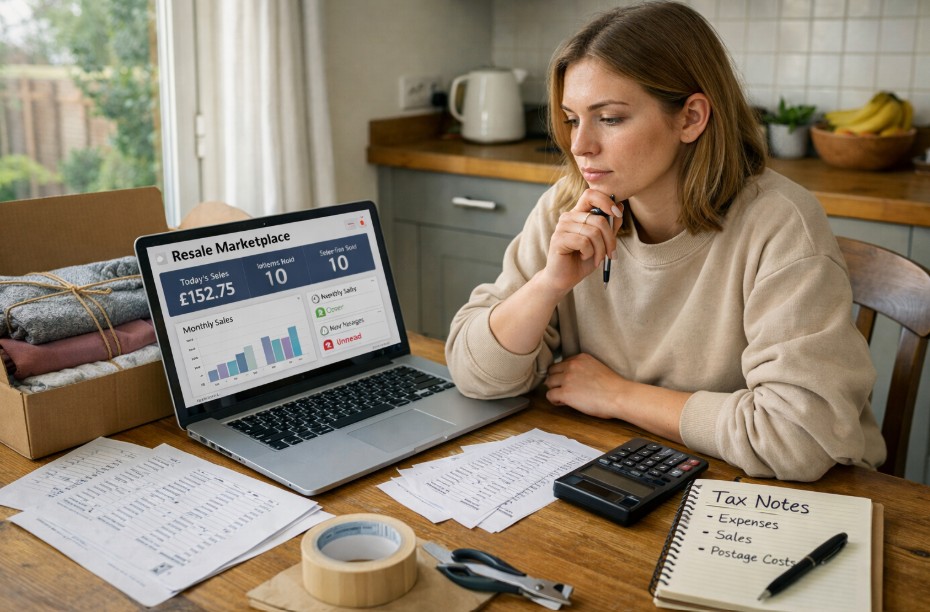
Before worrying about how much you can earn on Vinted before paying tax, you need to determine whether you are trading at all.
HMRC makes a clear distinction between casual selling and running a business. This distinction decides whether tax rules apply to you. If you are clearing out your wardrobe and selling items you no longer need, you are usually not considered a trader.
Most people sell these items for less than they originally paid, which means there is no profit and no tax to pay. Even if you sell many items, it is the intention and behaviour that matter.
What Counts as Casual Selling?
You are likely a casual seller if:
- You are selling clothes, shoes, or accessories you previously used
- You are not aiming to make a profit
- You sell items occasionally rather than consistently
- You are not buying stock to resell
For example, if you bought a jacket for £120 and sell it for £40, you have made a loss. This is not taxable trading. Even if you make 30 sales while decluttering, that alone does not mean you owe tax.
When Does It Become a Business?
You are more likely to be considered a trader if:
- You buy items specifically to resell
- You regularly source stock from charity shops or wholesalers
- You aim to make consistent profit
- You list items weekly and treat it like a side income
- You repair or upcycle items to increase resale value
If you repeatedly buy jeans for £10 and sell them for £35, you are operating with a profit motive. In this case, HMRC may consider you self employed.
There can also be grey areas. High sales volume, repeat customers, or professional branding can suggest business activity.
HMRC may look at patterns such as:
- Multiple listings of identical products
- Quick turnaround between purchase and resale
- Evidence of structured pricing strategies
If your activity resembles a small business, the trading allowance rules apply. Once your gross income exceeds £1,000, you must register and declare your profits.
Understanding whether you are a casual seller or a trader is crucial. It directly affects how much you can earn on Vinted before paying tax and whether HMRC expects you to file a return.
What Is the £1,000 Trading Allowance and How Does It Work?

The £1,000 trading allowance is a tax exemption introduced by HMRC to simplify small scale trading. It allows you to earn up to £1,000 in gross trading income per tax year without needing to declare it or pay tax. This rule applies across the UK and covers various types of self employed activity.
Applies to Total Self Employed Income
The allowance applies to your total trading income, not just Vinted. If you earn money from multiple sources such as freelancing, tutoring, or selling on other platforms, you must add everything together.
For example:
- £700 from Vinted
- £400 from Etsy
- Total £1,100
In this case, you exceed the allowance and must register for Self Assessment. The key point is that HMRC looks at combined income from all trading activities.
Covers Side Hustles
The trading allowance covers:
- Selling goods for profit
- Casual work like gardening or tutoring
- Online content income
- Freelance services
If your Vinted activity is part of a wider side hustle, you cannot treat it separately. Everything counts towards the same £1,000 threshold.
Cannot use if Income From Connected Parties
You cannot use the trading allowance if your trading income comes from connected parties.
This includes:
- A company you control
- A partnership you are part of
- Your employer or your spouse’s employer
If any of your income comes from these sources, you must declare it regardless of the amount.
Option Use Allowance or Claim Expenses
If you earn over £1,000, you have two options when filing your tax return:
- Deduct the £1,000 trading allowance from your income
- Deduct your actual business expenses
You cannot use both. You must choose the option that gives you the lower taxable profit.
For example, if you earn £3,000 and your expenses are £600, using the trading allowance may be better. If your expenses are £1,500, claiming expenses would reduce your taxable profit more.
When Claiming Expenses May Be Better?
Claiming actual expenses may be beneficial if:
- Your business costs exceed £1,000
- You travel to source stock
- You pay high platform fees
- You purchase packaging and supplies
Allowable expenses can include purchase costs, postage, packaging, and platform commissions. Keeping accurate records is essential so you can justify your figures if HMRC asks.
The trading allowance simplifies tax for small sellers. But once your income grows, you must actively manage your tax position.
What Happens If You Earn More Than £1,000 on Vinted?

If your gross trading income exceeds £1,000 in a tax year, you must register for Self Assessment. This applies even if you believe your profit is small.
Here is what you need to do:
- Register with HMRC by 5 October following the end of the tax year
- Keep detailed records of income and expenses
- Complete your tax return by 31 January
- Pay any tax due by the same deadline
Your tax is calculated on profit, not total sales. Profit equals total income minus allowable expenses or minus the £1,000 allowance if you choose that option.
You may also need to pay National Insurance contributions depending on your profit level. Missing deadlines can result in penalties starting at £100.
Taking action early prevents stress later. If you exceed the limit, treat your Vinted activity like a small business and organise your records properly.
Do Vinted Sellers Have to Give HMRC Their Details?
Since January 2024, digital platforms such as Vinted must collect and share seller information with HMRC under new reporting rules. This change was designed to increase transparency, not to introduce a new tax.
You may be asked for your National Insurance number if:
- You complete 30 or more sales in a calendar year
- Your total sales exceed €2,000 which is about £1,700
If you meet either threshold, Vinted may request personal details and report your income to HMRC. However, this does not automatically mean you owe tax.
It is important to understand:
- The reporting threshold is separate from the £1,000 tax threshold
- Selling personal items at a loss is still not taxable
- You remain responsible for assessing your own tax position
If Vinted contacts you, it is usually a routine compliance step. As long as you understand how much you can earn on Vinted before paying tax, there is no reason to panic.
Does HMRC Check Vinted?
HMRC does not randomly check individual wardrobes, but it does receive data from digital platforms. Under the new reporting rules, platforms share information about sellers who meet the reporting thresholds. HMRC can use this information to identify potential trading activity.
They may look for patterns such as:
- High volumes of similar products
- Repeated buying and selling behaviour
- Consistent profit making
If you are genuinely selling personal possessions at a loss, you are unlikely to face issues. The focus is on individuals running undeclared businesses.
HMRC has stated that people are responsible for their own tax affairs. If your side hustle grows and you fail to declare income, you could face backdated tax bills and penalties.
Staying informed and keeping records protects you. Transparency is now easier for HMRC due to data sharing, so compliance is more important than ever.
Do You Pay Capital Gains Tax on Vinted Sales?
Most everyday Vinted sales do not trigger Capital Gains Tax. Personal possessions sold for less than you paid are not taxable.
However, you may need to consider Capital Gains Tax if:
- You sell a single item for more than £6,000
- You make a profit on that item
In the 2025 to 2026 tax year, the annual Capital Gains Tax allowance is £3,000. This means gains above that threshold may be taxable.
This situation usually applies to high value items such as designer handbags or collectibles. For normal second hand clothing sales, Capital Gains Tax rarely applies.
How Can You Stay Compliant When Selling on Vinted?
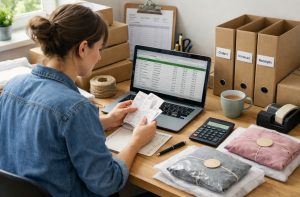
If you want peace of mind, good organisation is key. Whether you are below or above the £1,000 threshold, keeping accurate records helps you stay in control.
You should:
- Track your total gross sales
- Keep receipts for purchased stock
- Record Vinted fees and postage costs
- Save bank statements showing income
It can also help to:
- Set aside a portion of profits for tax
- Use spreadsheets or accounting apps
- Register early if you expect to exceed £1,000
If you are unsure, consider speaking to an accountant. Professional advice can clarify whether you should use the trading allowance or deduct expenses.
Being proactive ensures you understand how much you can earn on Vinted before paying tax and prevents unexpected issues with HMRC.
When Do You Actually Pay Tax on Vinted?
You do not pay tax if:
- You are selling personal items at a loss
- Your total trading income is under £1,000
- You are not operating as a business
You need to take action if:
- Your trading income exceeds £1,000
- You buy items specifically to resell
- You run consistent profit driven activity
Remember that:
- £1,000 is the tax free trading allowance
- 30 sales or £1,700 triggers reporting, not automatic tax
- Profit is what gets taxed, not total sales
Understanding these rules helps you confidently manage your Vinted income. The key is recognising whether you are a casual seller or a trader.
Conclusion
So, how much can you earn on Vinted before paying tax in the UK? In most cases, you can earn up to £1,000 in gross trading income per tax year without paying tax under the trading allowance.
If you are simply selling personal belongings at a loss, you usually do not need to worry about tax at all. Problems only arise when you begin trading for profit or exceed the allowance.
With new reporting rules in place, HMRC has greater visibility over online sales, so staying organised is essential. By understanding the thresholds and keeping accurate records, you can sell confidently on Vinted while remaining fully compliant with UK tax rules.
Frequently Asked Questions
Do I need to declare £500 from Vinted?
If the £500 comes from selling personal items at a loss, you usually do not need to declare it. If it is trading income, it still falls within the £1,000 allowance.
What if I made 30 sales but earned under £1,000?
Vinted may report your details to HMRC, but this does not automatically mean you owe tax. If you are not trading and remain under £1,000, you normally do not need to register.
Does Vinted deduct tax automatically?
No, Vinted does not deduct income tax from your sales. You are responsible for assessing and reporting your own tax obligations.
Can HMRC see my Vinted income?
Yes, under digital reporting rules, Vinted may share your sales data with HMRC if you meet reporting thresholds. This improves transparency but does not automatically create a tax bill.
What happens if I forget to register for Self Assessment?
You may face penalties and interest if tax is due and you fail to register. It is best to contact HMRC as soon as possible to correct the situation.
Is selling on Vinted classed as self employment?
It is only classed as self employment if you are trading with the intention of making a profit. Casual selling of personal items is not usually considered self employment.
Do students pay tax on Vinted sales?
Students follow the same rules as everyone else. If they exceed the £1,000 trading allowance or run a business, they must register and declare income.