
Have you ever wondered how a successful restaurant with over three decades of history can suddenly shut its doors? That’s precisely what happened with Simon Rimmer’s beloved vegetarian chain, Greens.
Known for its innovative menu and loyal following, the restaurant’s sudden downfall in 2024 raised eyebrows across the UK. From the heart of Manchester’s food culture to national headlines, the collapse of Greens has left both industry insiders and customers shocked.
This isn’t just a story of a restaurant closure. It’s a cautionary tale of how economic pressure, rising operational costs, and post-pandemic challenges can even topple long-standing institutions.
In this blog, we’ll explore the full timeline of Greens’ closure, what led to its financial downfall, Simon Rimmer’s emotional response, and how this story reflects the state of the UK hospitality sector today. If you’ve followed Rimmer’s career or dined at Greens, you’ll want to read what really happened behind the scenes.
What Happened to Simon Rimmer’s Greens Restaurant Chain?
Greens wasn’t just another eatery in Manchester. It was a pioneering vegetarian restaurant founded by TV chef Simon Rimmer and his business partner, Simon Connolly. The original Greens restaurant opened in Didsbury in 1990, making it one of the first fully vegetarian spots in the city.
Over the years, Greens earned critical acclaim and was even featured in The Good Food Guide, later being recognised as one of the top vegetarian restaurants in the UK by The Telegraph in 2019 and 2023.
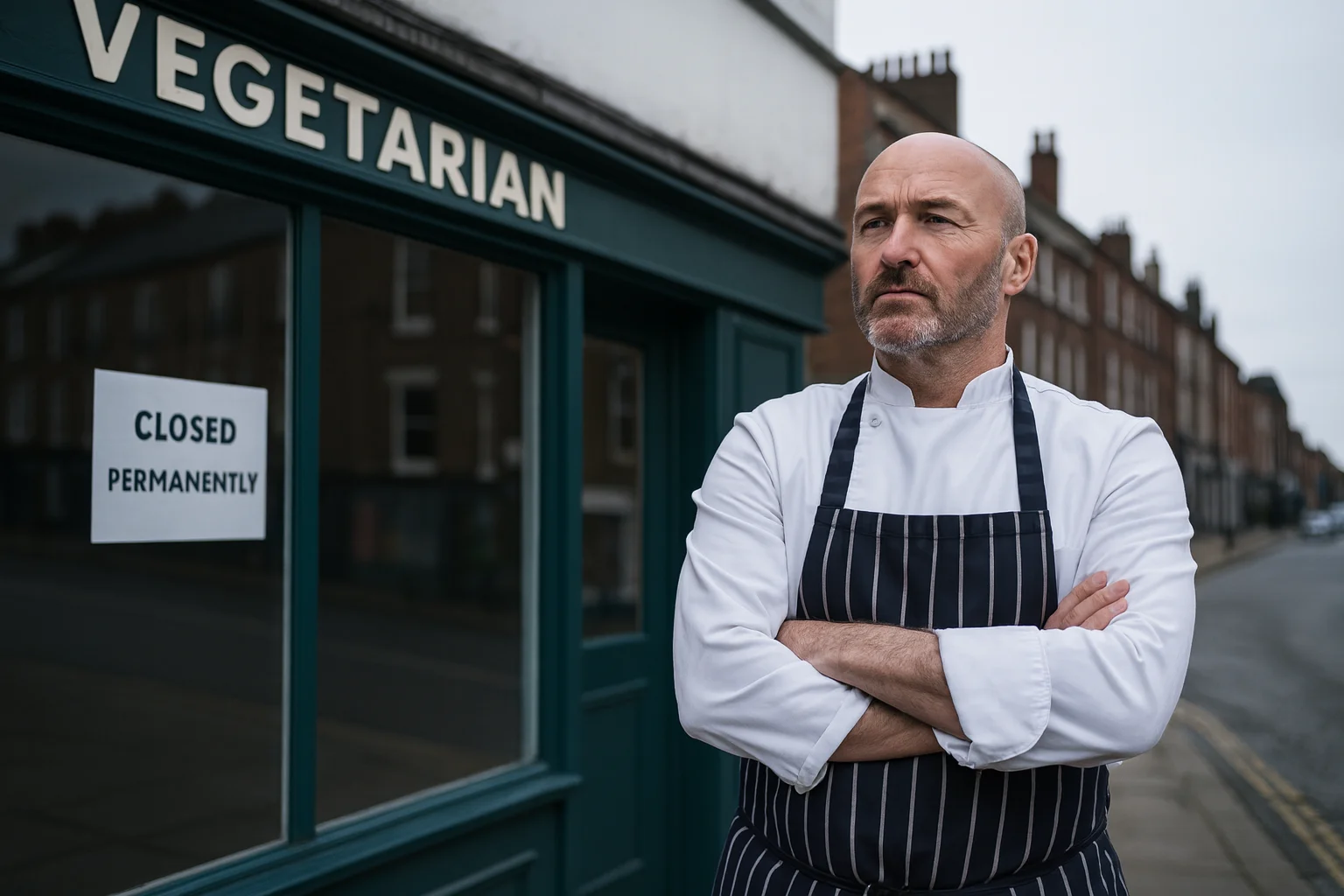
In 2022, the duo expanded by launching a second branch in Sale, located nearby in Greater Manchester. With over 30 years of service, the Greens brand has become a culinary landmark. However, in January 2024, the Didsbury location abruptly closed its doors, citing rising operational costs.
Just months later, in September 2024, the Sale branch followed suit. This officially marked the end of Greens’ 33-year journey, closing a chapter in Manchester’s food scene. The closures caught both fans and the media off guard.
In a world where restaurants are constantly challenged by market conditions, Greens’ collapse stands out due to its rich legacy and emotional weight. Despite its longstanding reputation, even Greens couldn’t survive the financial strain.
Why Did Greens Restaurant Collapse After 33 Years?
When a well-established restaurant like Greens shuts down, there’s often more beneath the surface than meets the eye. In this case, multiple economic factors converged, making the business model unsustainable.
The most significant blow came in the form of a 35% rent increase imposed by the Didsbury landlords. This sudden hike drastically altered the restaurant’s financial viability.
Alongside that, there was a sharp rise in energy costs, including heating, lighting, and power, factors essential to any food business. Add to that the soaring prices of raw ingredients, wages, and overall supply chain costs, and you’ve got a formula for financial strain.
The collapse was largely influenced by:
- A sharp 35% rent hike by landlords
- Soaring energy bills are affecting heating, lighting, and kitchen operations
- Increased prices for food supplies and raw materials
- Rising staffing costs, especially post-COVID
- Consumer spending drops amidst the cost-of-living crisis
Post-pandemic recovery added further pressure. With fewer people dining out regularly and higher operating costs, Greens found itself in a financial trap.
Despite efforts to stay afloat, the economics simply didn’t support the business anymore. It became clear that continuing was no longer sustainable under such harsh conditions.
How Much Was Owed and Who Were the Creditors?
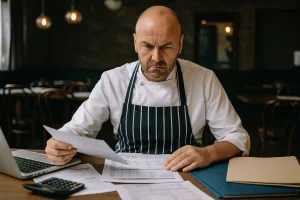
The financial collapse of Greens left a substantial trail of debt, revealing just how unsustainable the business had become. According to documents filed by administrator Begbies Traynor with Companies House, the restaurant chain owed a total of over £582,000 to various creditors, spanning government bodies, trade suppliers, and customers.
A breakdown of the amounts owed is presented below:
| Creditor Type | Details | Amount Owed |
|---|---|---|
| HMRC | Unpaid VAT and PAYE | £458,873 |
| Trade Creditors | Suppliers and service providers | £75,000 |
| Consumer Creditors | Vouchers and gift card holders | £35,790 |
| Royal Bank of Scotland | Outstanding loan/debt | £13,164 |
| Total Estimated Debt | £582,827 |
The most significant portion of debt, nearly £459,000, was owed to HMRC in unpaid tax obligations. In addition, trade creditors were left with £75,000 in unpaid bills, and consumers who had purchased vouchers or gift cards lost a collective £35,790. The Royal Bank of Scotland was also owed more than £13,000.
Begbies Traynor confirmed that due to the limited assets available through the administration process, most creditors would not be fully repaid.
The ripple effect of the collapse extended beyond Simon Rimmer and his team, impacting suppliers, customers, banks, and government bodies alike. This level of unpaid debt underscores how fragile restaurant businesses can become under sustained financial pressure.
What Was Simon Rimmer’s Reaction to the Collapse?
Simon Rimmer, best known for co-hosting Sunday Brunch and his appearance on Strictly Come Dancing, didn’t take the closure of Greens lightly.
To him, Greens wasn’t just a business, it was a deeply personal venture that spanned over three decades. In emotional public statements, he described the collapse as “heartbreaking” and said Greens was the “cornerstone of his life.”
Rimmer recorded a video message after the closure of the Didsbury location, expressing his sadness and gratitude.
He explained that the decision was driven by circumstances beyond their control, specifically highlighting the rent increase and overwhelming running costs. He thanked his staff, customers, neighbours, and friends, all of whom supported Greens over the years.
He and his team also released a Facebook statement, saying, “We’ve done everything possible to make this work, but it is now clear the business is untenable.” These heartfelt messages underlined the emotional toll this closure had on Rimmer and those around him.
How Did the Public React to the Restaurant Closures?
The closure of Greens didn’t just affect Simon Rimmer or his creditors. It struck a chord with the local community, long-time customers, and fans of vegetarian cuisine. On Facebook, the public outpouring was immediate and emotional, with users expressing deep sadness over the end of an era.
Reactions from supporters included:
- “So sad to read this, one of our Sale favourites.”
- “No. End of an era. Loved both restaurants. So sad.”
- “Oh god, this is so sad, my absolute favourite restaurant of all time.”
- “Oh no, that’s very sad. We have loved 12 years of eating at Greens.”
Many highlighted how Greens had become a regular dining spot for birthdays, anniversaries, and family outings. The closure meant more than the loss of a restaurant, it was the loss of a community staple.
For a vegetarian dining experience that had made such a mark in Manchester, the shutdown was a huge cultural blow. The response made it clear that Greens wasn’t just a business, it was a beloved institution in people’s lives.
Was This Inevitable or Could It Have Been Prevented?
When examining the collapse, the natural question arises could this have been avoided? While hindsight is always clearer, the reality is that several uncontrollable external factors played a key role in bringing Greens to an end.
The hospitality industry in the UK has faced severe challenges in recent years:
- The COVID-19 pandemic disrupted dining habits and forced closures
- Inflation led to increased prices across the board
- Landlords raised commercial rents, such as the 35% increase faced by Greens
- Energy crises pushed up utility costs at alarming rates
Even with a loyal customer base, Greens struggled to manage escalating costs. There might have been room for negotiation with landlords or a shift in business model, but these would have required significant capital and time, two things the restaurant no longer had.
Ultimately, the perfect storm of financial and market pressures made the collapse difficult to prevent. The sad truth is, many other businesses may face similar challenges if trends continue.
What’s Next for Simon Rimmer After the Restaurant Collapse?
Though Greens has closed its doors, Simon Rimmer’s culinary journey is far from over. As a familiar face on British television and co-host of Sunday Brunch, he remains a trusted voice in the food and entertainment world. Despite the setback of losing Greens, Rimmer still commands a significant platform and loyal audience.
Looking ahead, several opportunities may shape his next chapter:
| Potential Direction | Description |
|---|---|
| Television & Media Projects | Continued appearances on Sunday Brunch and potential new food-related shows |
| New Restaurant Ventures | Launching a new concept, pop-up, or reimagined eatery under a fresh brand |
| Brand Collaborations | Partnering with food retailers, product lines, or endorsements |
| Publishing & Digital Content | Writing cookbooks, developing online cooking tutorials, or launching a food blog |
The closure of Greens may have been deeply emotional, but it also offers an opportunity to reassess and innovate. Rimmer has decades of experience and a trusted reputation, which could be key assets as he explores his next move.
Rather than marking an end, this could be the start of a bold new phase for Simon Rimmer, one that blends his passion for food with evolving media and culinary trends.
Why Was Greens Important to Manchester’s Food Scene?
Greens wasn’t just a vegetarian restaurant, it was a culinary landmark in Manchester. Established in 1990, it offered something entirely new, a modern, vegetarian dining experience at a time when such options were limited in the UK. It played a key role in normalising plant-based cuisine.
Some of its notable achievements included:
- Being one of the first vegetarian restaurants in Manchester
- Gaining a place in the Good Food Guide
- Recognised in The Telegraph’s top vegetarian UK restaurants
- Serving the community for 33 years with innovative menus
Beyond accolades, Greens created a welcoming space for vegetarians, vegans, and curious foodies. It helped redefine what vegetarian food could be, pushing boundaries with creativity and flavour.
Manchester’s food scene has evolved over the years, but Greens was a pioneer. Its closure leaves a significant gap in the city’s dining landscape, both culturally and historically.
Could Other Celebrity Chefs Face Similar Challenges?
Simon Rimmer’s experience is not unique. In fact, it may be a warning for other celebrity chefs operating in today’s volatile hospitality market. While fame can help draw attention to a restaurant, it doesn’t make it immune to economic forces.
Challenges faced by celebrity chef-run businesses today include:
- High operational costs that exceed profit margins
- Dependence on foot traffic, which is unreliable post-COVID
- Public scrutiny and brand pressure
- Market saturation in major cities
- Uncontrollable factors like rent hikes and utility costs
Well-known chefs often invest in ambitious projects, but without careful financial planning, even their status cannot shield them from business collapse. The lesson from Greens is clear: reputation alone can’t sustain a restaurant if the economics don’t add up.
This shift in the market may prompt other chefs to diversify income streams, reduce overheads, or rethink their involvement in brick-and-mortar ventures.
Conclusion
The collapse of Simon Rimmer’s Greens restaurant chain wasn’t just a financial failure; it marked the end of a 33-year journey built on passion, innovation, and community. From the early days in Didsbury to national recognition, Greens stood as a symbol of vegetarian excellence in the UK.
Yet, rising rents, spiralling costs, and post-COVID economic pressures proved too much, even for a beloved institution. Simon Rimmer’s emotional response reflected how personal this loss truly was. For fans, the closure feels like losing a part of their lives.
While it’s a tough lesson in the fragility of the hospitality industry, it also sparks a conversation on how such businesses can adapt.
As Rimmer looks to the future, one can only hope his next move reignites the same passion and community spirit. The story of Greens, though ended, will be remembered as a defining chapter in the UK’s restaurant history.
FAQs
What was the main reason Greens closed down?
The main reason was a combination of a 35% rent hike and soaring operating costs. These made it financially unfeasible to continue running the restaurants.
How long had Greens been operating before it closed?
Greens had been in operation for 33 years, starting in 1990 and closing in 2024.
Were there multiple Greens locations?
Yes, there were two branches: the original in Didsbury and a second in Sale, Greater Manchester.
How much debt did the Greens restaurant chain leave behind?
The restaurant left over £500,000 in debt, with the largest chunk owed to HMRC.
What did Simon Rimmer say about the closure?
He called it heartbreaking and said Greens was the cornerstone of his personal and professional life.
Will customers who bought gift cards be refunded?
Unfortunately, customer creditors are unlikely to receive refunds due to insufficient funds in administration.
Is Simon Rimmer planning to open another restaurant?
There’s no confirmation yet, but he may focus on media projects and could explore new culinary ventures in the future.