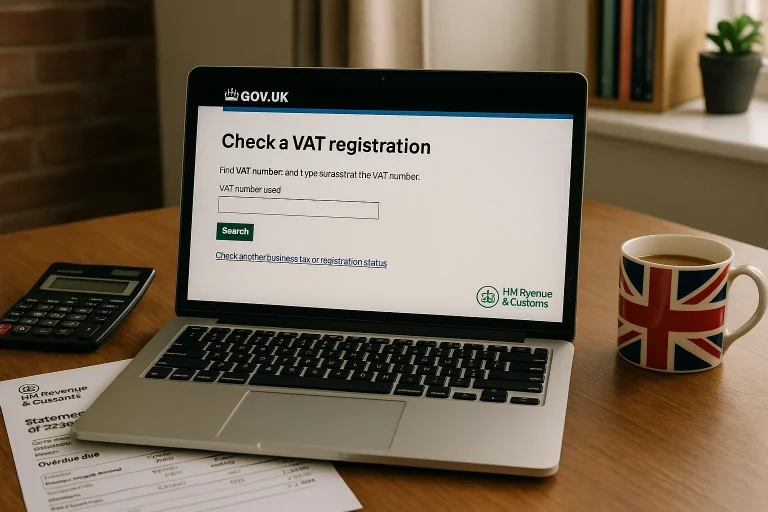

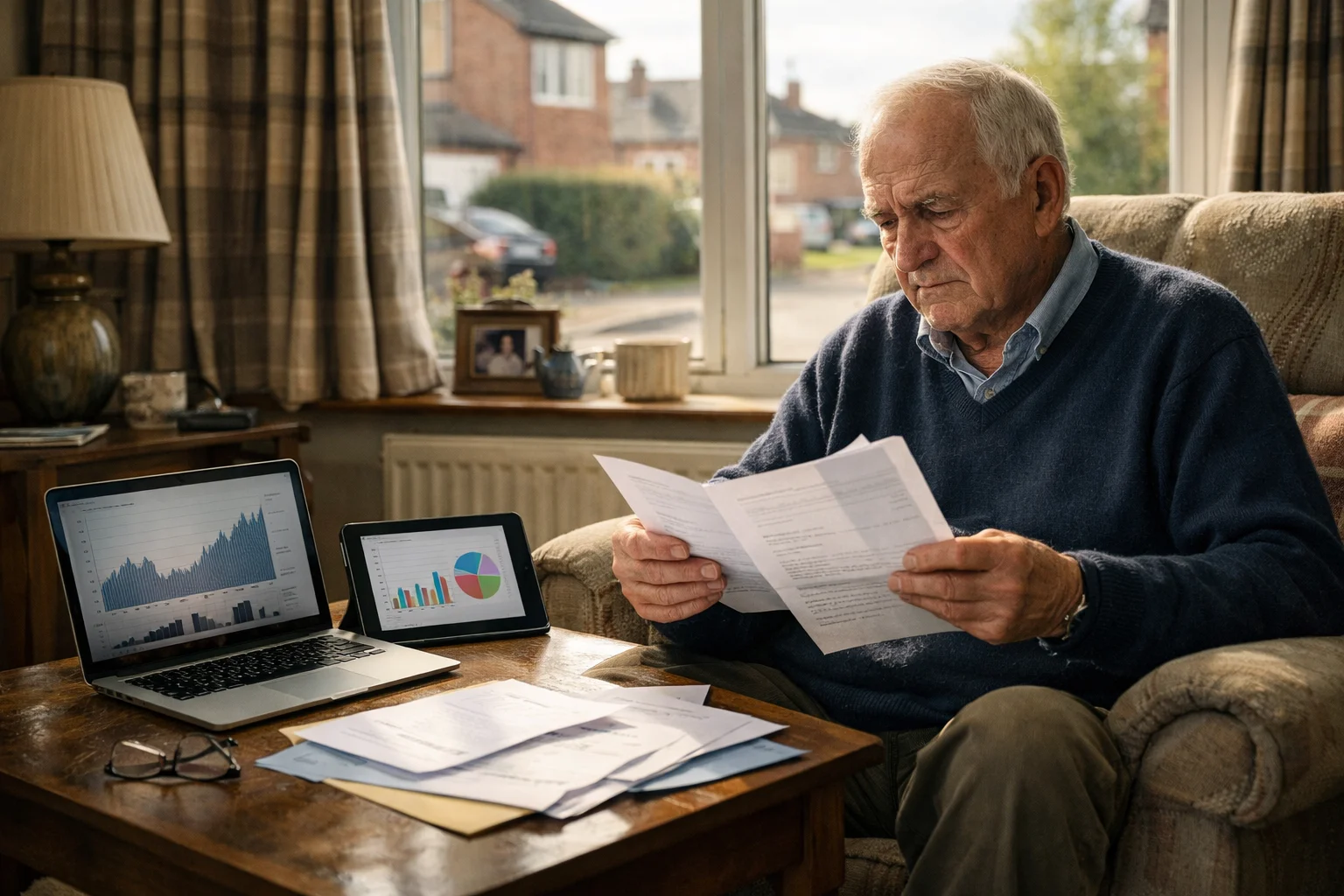
A state pension tax warning has been issued for UK retirees because rising pension payments and frozen tax thresholds could push many people into paying income tax for the first time in 2026.
The full new state pension is increasing each year under the triple lock, while the personal allowance remains frozen at £12,570 until 2031. This means even a small additional income could trigger a tax bill from HMRC.
Many pensioners do not realise that the state pension is taxable income. As a result, some retirees may receive unexpected tax demands if their total income exceeds the allowance.
Key points you should know:
- The state pension counts as taxable income in the UK
- Frozen tax thresholds are bringing more retirees into the tax system
- The full pension is expected to sit very close to the tax-free allowance
- Extra income from savings or private pensions could trigger tax
- Planning ahead can help you avoid surprise HMRC bills
Understanding this state pension tax warning now can help you protect your retirement income and avoid unexpected financial stress.
What Is the Latest State Pension Tax Warning for UK Retirees?
Financial experts have issued a state pension tax warning as millions of retirees could face income tax bills in the coming years.
The concern comes from a combination of rising state pension payments and frozen tax thresholds, which remain unchanged until April 2031.
Research shows many people still do not realise their pension income can be taxed. According to industry studies, around 41 percent of adults are unaware that the state pension counts as taxable income.
This misunderstanding could lead to unexpected bills once total retirement income exceeds the tax-free allowance.
Several factors are creating this situation:
- The personal allowance is frozen at £12,570 until 2031
- State pension payments continue to rise each year under the triple lock
- Many retirees have additional income, such as private pensions or savings
- Tax is not deducted from the state pension automatically
As the pension rises, the gap between the annual pension payment and the tax-free allowance becomes very small. From 2026, the full state pension will be only a small amount below the personal allowance.
This means that even modest additional income, such as savings interest, part-time work, or a small private pension, could push your total income above the limit.
Experts say this trend is likely to affect millions of pensioners over the next decade. Many people may be drawn into the tax system for the first time simply because pension payments are rising while the allowance stays frozen.
Understanding this warning early can help retirees plan their finances and avoid unexpected tax demands.
Is the UK State Pension Taxable?
Yes. The UK state pension is taxable income, even though many retirees believe it is tax-free. This rule has existed since the state pension was introduced in 1946.
The confusion often arises because tax is not deducted directly from the state pension before it is paid. The Department for Work and Pensions pays the pension in full, which can make it appear tax-free at first glance.
Important points to understand include:
- The state pension is treated as income by HMRC
- It counts towards your annual personal allowance
- Tax is usually collected through other means, such as pensions or assessments
- Many retirees do not realise the tax rule until they receive a bill
If your total income exceeds the personal allowance, the state pension becomes part of the taxable amount.
For example, if you receive the full state pension and also have income from a workplace pension or savings, the combined total may exceed the tax threshold. When this happens, HMRC may adjust your tax code or issue a payment request.
This is why financial experts advise pensioners to treat the state pension as the base of their taxable income rather than assuming it is tax-free.
Why Could More Pensioners Start Paying Income Tax in 2026?
A key reason behind the state pension tax warning is something called fiscal drag. Fiscal drag occurs when tax thresholds stay the same while incomes rise.
In the UK, the personal allowance has been frozen at £12,570 and will remain at this level until April 2031. At the same time, the state pension continues to increase each year due to the triple lock policy.
This combination gradually pushes more pensioners into the income tax system.
Several trends explain why this issue is growing:
- Pension payments are increasing annually through the triple lock system
- Tax thresholds remain frozen for several years
- Many retirees receive additional pension income
- Rising savings interest can add to taxable income
As a result, even small increases in pension payments can make a difference. The full new state pension is expected to sit only a small amount below the personal allowance.
Government forecasts also suggest the number of pensioners paying income tax will continue to rise. Estimates show the total could increase significantly by the end of the decade.
For many retirees, the shift will happen gradually rather than suddenly. A small pension increase or an extra income source could push total earnings over the threshold.
This is why experts encourage pensioners to review their retirement income regularly and understand how tax rules apply.
How Much Is the State Pension in 2026 and Why Does It Matter for Tax?
The amount of state pension you receive plays a major role in whether you may pay tax. For the 2025 to 2026 tax year, the full new state pension is around £230.25 per week. This amount is expected to increase to about £241.30 per week in the 2026 to 2027 tax year.
When calculated annually, the pension will sit very close to the personal allowance of £12,570. This small gap means many retirees could move into taxable income if they receive any additional earnings.
The key point is that the pension itself may remain below the tax threshold, but other income can easily push the total above the limit.
When Your Pension Income Becomes Taxable?
Your pension income becomes taxable when your total yearly income exceeds the personal allowance. This includes the state pension and any other sources of income combined.
For example, if your annual state pension is close to £12,500 and you receive even a small amount from another pension or savings interest, your total income could go beyond the tax-free limit. Once this happens, HMRC may apply income tax to the excess amount.
This situation is becoming more common as pension payments increase each year while the tax threshold remains unchanged.
What Other Income Could Push You Over the Tax Threshold?

Many pensioners receive income from several sources during retirement. Even small additional payments can push total income above the personal allowance and trigger a tax bill.
Private or workplace pensions are one of the most common reasons retirees exceed the threshold. These pensions are usually taxed through PAYE and combined with the state pension for tax calculations.
Savings interest can also add to taxable income. If the interest is earned outside tax-free savings accounts such as ISAs, it may count towards your annual income.
Some retirees continue working part-time after reaching pension age. Earnings from employment are also included when HMRC calculates total income.
Other income sources may include rental income or additional state pension payments built through schemes such as the State Earnings Related Pension Scheme.
Because all these income streams are combined, even a small payment can increase the risk of crossing the tax threshold.
How Does HMRC Collect Tax on the State Pension?
Unlike workplace pensions, the state pension is paid without tax being deducted. The Department for Work and Pensions sends the full payment to retirees.
HMRC then collects any tax owed through other systems, depending on your income sources.
Common ways tax may be collected include:
- Adjusting your tax code if you receive a private or workplace pension
- Deducting tax through PAYE from another pension payment
- Issuing a Simple Assessment tax calculation
- Sending a tax calculation letter, such as a P800 form
If you do not have another pension from which tax can be deducted, HMRC may calculate the tax owed based on information from the Department for Work and Pensions and financial institutions.
You may then receive a letter explaining how much tax is due and when it must be paid.
For some retirees, this process can be confusing because the state pension itself arrives without deductions, yet tax may still be owed on the overall income.
How Much Tax Are UK Pensioners Already Paying?

Recent data shows that a large number of retirees are already paying income tax on their pensions. Studies indicate that about 68 per cent of retired individuals who are not working pay tax on their pension income.
The average tax bill paid by pensioners is around £4,500 per year. Some people pay significantly more depending on their retirement income.
Research also found that:
- Around 27 per cent of pensioners pay more than £5,000 in tax
- Many retirees are unsure how much tax they pay each year
- A growing number of pensioners are entering the tax system
Government figures highlight how quickly this trend is expanding. The number of pensioners paying income tax increased from 6.47 million in 2020 to around 8.72 million in 2025.
As pension payments continue to rise, experts expect this number to grow further.
Pension Income Source Tax Risk
State pension only Usually below threshold
State plus private pension Likely taxable
State plus savings interest May exceed allowance
State plus part-time job Often taxable
This data highlights why the state pension tax warning has become such an important issue for retirees.
Will Pensioners Be Exempt from Paying Tax on the State Pension?
The UK government has suggested that pensioners whose only income is the state pension may not need to pay income tax on it in the future. However, the details of how this policy will work have not yet been fully explained.
Current statements indicate that people receiving only the basic or new state pension could be protected from paying small amounts of tax during this Parliament.
Experts say the policy would mainly affect pensioners whose income comes entirely from the state pension and does not include additional earnings or pension payments.
However, many retirees receive other forms of income, such as workplace pensions or savings interest. These individuals would still fall under the normal tax rules.
There are also questions about how the exemption will be applied and whether new legislation will be required to introduce the changes.
Until clearer guidance is provided, pensioners are advised to assume that their state pension remains part of their taxable income calculations.
Could State Pension Age Changes Also Affect Your Retirement Plans?

Changes to the state pension age may also affect how people plan their retirement. The current schedule shows the pension age increasing from 66 to 67 between 2026 and 2028.
This means many people will need to work longer before they can begin claiming their state pension.
Key facts about the changes include:
- The increase mainly affects people born after April 1960
- The rise to age 67 is being introduced gradually
- Future plans could increase the age further
Government proposals already include a potential rise to age 68 in the 2040s. These changes are being reviewed as the government considers long-term pension costs.
Because of this uncertainty, experts recommend checking your official state pension age and adjusting retirement plans if necessary.
Understanding when you can claim the pension can help you plan savings, workplace pensions, and other income sources more effectively.
How Can You Avoid an Unexpected State Pension Tax Bill?
Planning ahead can help reduce the risk of receiving an unexpected tax bill during retirement. Experts recommend reviewing your income sources and understanding how they interact with the personal allowance.
Several steps can help manage the risk:
- Check your HMRC tax code regularly
- Review your annual state pension forecast
- Monitor income from private pensions and savings
- Consider drawing income from tax-free ISAs when possible
- Track your National Insurance record
If you receive multiple pensions, it is important to understand how they combine to form your total taxable income.
Some retirees also benefit from financial advice when their income approaches the tax threshold. Professional guidance can help structure withdrawals and reduce unnecessary tax.
Being proactive about pension planning can make retirement finances more predictable and reduce stress.
What Steps Should You Take Now to Prepare for the 2026 Tax Changes?
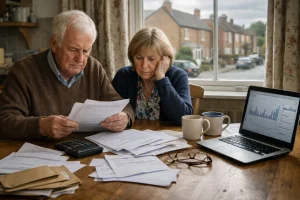
Preparing early for potential tax changes can help retirees avoid financial surprises. Even small adjustments to retirement planning can make a difference.
Experts suggest taking the following steps:
- Calculate your expected annual retirement income
- Combine state pension, workplace pensions, and savings income
- Review your National Insurance contributions
- Check your official state pension forecast online
- Consider speaking with a financial adviser
Understanding your expected income is particularly important because tax rules apply to the combined total rather than individual payments.
Monitoring these figures regularly allows you to adjust pension withdrawals or savings strategies if needed.
Taking action now will help you stay informed about the state pension tax warning and ensure your retirement income is managed efficiently.
Conclusion
The latest state pension tax warning highlights an important issue facing millions of UK retirees. Rising pension payments combined with frozen tax thresholds mean that more people could start paying income tax on their retirement income.
Although the state pension itself may remain just below the personal allowance, additional income from savings, private pensions, or part-time work can quickly push total earnings above the limit. As a result, some pensioners may receive unexpected tax bills from HMRC.
Understanding how pension income is taxed is essential for avoiding financial surprises. By reviewing your pension forecast, monitoring additional income, and checking your tax code regularly, you can prepare for potential tax changes.
Taking these steps now will help ensure your retirement income remains stable and predictable in the years ahead.
FAQs
Do you pay tax on the state pension in the UK?
Yes, the state pension counts as taxable income in the UK. If your total income exceeds the personal allowance, you may need to pay tax.
At what income level do pensioners start paying tax?
Pensioners start paying income tax when their total annual income exceeds the personal allowance of £12,570. This includes the state pension and any additional income.
Why does HMRC not deduct tax from the state pension?
The Department for Work and Pensions pays the state pension without deducting tax. HMRC usually collects any tax owed through other pensions or assessments.
Can you reduce tax on your retirement income?
Some retirees reduce tax by managing pension withdrawals or using tax-free savings such as ISAs. Financial planning can help keep income within tax thresholds.
Will the state pension exceed the personal allowance?
Projections suggest the full state pension could exceed the personal allowance within the next few years if thresholds remain frozen. This is why experts are warning about future tax risks.
What is the HMRC Simple Assessment system?
Simple Assessment is a process used by HMRC to calculate tax owed when it cannot be collected automatically. Pensioners may receive a letter explaining how much they need to pay.
How can you check your state pension forecast?
You can check your forecast through the official UK government website using your National Insurance record. This shows how much state pension you are likely to receive.