
Are you a UK pensioner trying to understand how Personal Independence Payment (PIP) works in 2025, and whether you’re entitled to backdated payments? With rising living costs and updates to the welfare system, it’s more important than ever to understand your rights.
However, there’s often confusion about whether PIP pays arrears or backpay if there’s a delay in a decision. The key thing to know is that PIP does not backdate payments. Your entitlement only begins from the date you make your claim or complete your qualifying period, whichever applies.
This guide clears up the myths and provides clarity for pensioners navigating the PIP system in 2025. From who is eligible, how PIP works, the rates involved, to what to do if your claim seems incorrect, here’s everything you need to know to stay informed and protect your entitlement.
What is PIP and Why It Matters to Pensioners in 2025?

Personal Independence Payment (PIP) is a non-means-tested benefit designed to support individuals with long-term health conditions or disabilities that affect their ability to manage daily living or mobility. It replaces Disability Living Allowance (DLA) and is available to people between 16 and State Pension age.
For pensioners who began a PIP claim before reaching State Pension age, continuing payments may still apply. However, new claims for PIP cannot be made after reaching State Pension age unless transitioning from an existing award or invited by the DWP.
PIP is crucial for pensioners who rely on extra support due to their condition. It offers two components, Daily Living and Mobility, and your entitlement depends on how your condition affects your day-to-day life.
The payment can ease financial strain, support independence, and open the door to additional benefits. It remains a vital part of the UK’s welfare system in 2025.
Are Pensioners Eligible for PIP Backdated Payments in 2025?
Many pensioners believe they may receive backdated PIP payments, but this is a common misconception. In 2025, PIP is not backdated beyond the date of claim. That means if your application is delayed or under review, you will not receive payments for the time before you made your claim.
Eligibility rules include:
- You must have started your PIP claim before reaching State Pension age
- You must meet the assessment criteria for either Daily Living or Mobility components
- Your health condition must have existed for at least 3 months and be expected to last for 9 months
Even though there’s a qualifying period of three months, your payment won’t be backdated to when your condition began. Instead, payments begin from the date of your claim or after the qualifying period, whichever is later. So if you wait to apply, you may lose out on months of support. That’s why it’s important to claim as soon as possible.
How Do Backdated PIP Payments Work in 2025?
Unlike some other benefits, PIP does not offer backdated payments unless your claim has been delayed after submission. Even then, the payments start from the date your claim is registered with the DWP, not from the date your condition began.
Here’s how the timing works:
- When you submit your claim, the DWP acknowledges the date
- There is a three-month qualifying period, but it only sets when your payments begin, not backdating
- If your claim is approved after several months, you’ll only be paid from the end of that qualifying period
- You will not receive any payment for months prior to your claim date, even if you were eligible
What some interpret as “backpay” is actually just a delayed first payment, not a true backdated benefit. If it takes the DWP 20 weeks to approve your claim, your first payment may include a lump sum covering those 20 weeks after the qualifying period ends. But again, this all starts from the date of your application, not before.
PIP Rates for 2025: How Much Could You Get?

While PIP doesn’t backdate to when your condition began, it’s still important to understand what you may receive once your claim is approved. PIP is made up of two parts, Daily Living and Mobility, and each part has two rates, standard and enhanced.
Your payment amount will depend on the severity of your condition and the outcome of your assessment.
In 2025, the weekly rates for PIP are as follows:
| Component | Standard Rate (£/week) | Enhanced Rate (£/week) |
|---|---|---|
| Daily Living | £73.90 | £110.40 |
| Mobility | £29.20 | £77.05 |
These amounts are paid every four weeks. Your first payment may include a larger sum if the claim took time to be approved, but this amount only covers the time since your claim was submitted, not before.
Always check your award letter for the rate and duration covered so you can ensure the amounts match what you’re owed from the claim date onward.
Real-Life Scenarios: How Much Could You Receive?
While PIP won’t be backdated to the onset of your condition, you could still receive a larger first payment if your claim was processed after a long delay.
If you claimed PIP in March 2025 and your application was approved in August 2025, you may receive a lump sum payment for the period starting from June, after the 3-month qualifying period ended. However, no payment would apply for any time before March, even if you were eligible earlier.
A pensioner applies on 1st May 2025 and gets approved in October 2025. Their first payment would cover the period starting from early August (3 months from application) to the present, not before May.
In both cases, any lump sum received is based on delays within the system, not a backdated payment for time before the claim date. It’s crucial to apply early so that you don’t lose valuable weeks of financial support.
What to Do If You Think You’re Owed More?
If your PIP payment seems too low or your timeline doesn’t match what you expected, it’s essential to act quickly. While PIP won’t backdate to a time before your claim, you should still make sure you received the correct amount from your claim date onward.
Steps to take:
- Review your PIP award letter and note the claim and decision dates
- Compare the weekly rates you received with the official 2025 rates
- Check if your payment covers the time after the 3-month qualifying period
- Contact the DWP at 0800 121 4433 if you believe an error has occurred
In some cases, delays or assessment errors may affect how much you receive. You have the right to request a reconsideration if the award is incorrect or does not reflect your actual needs. Always keep a copy of correspondence and payment records in case of a dispute.
Key PIP Changes Coming in 2026 (But Not Affecting 2025 Claims)
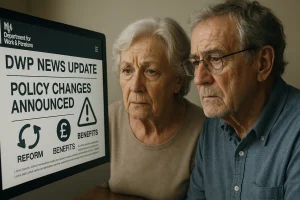
The UK government has announced several PIP reforms scheduled for 2026. These changes, however, will not affect pensioners or any claims submitted in 2025. The existing criteria remain in place for the current year.
Key changes in 2026 include:
- Stricter eligibility rules requiring higher levels of daily living need
- A minimum score of four in certain tasks for approval
- More face-to-face assessments and recorded interviews
- Reassessments to be scrapped for people with permanent disabilities
- Changes will only apply to new applicants post-2026
These updates are part of a wider welfare reform to manage rising numbers of claims and target support more effectively.
However, if you claim PIP in 2025, you’ll remain under the current assessment rules, and your payments will not be affected by the future changes. This means 2025 is an important year to apply if you believe you qualify.
Common Reasons Pensioners Miss Out on PIP Payments
Pensioners often miss out on PIP payments not because of eligibility, but due to misunderstandings or missed deadlines. Knowing the common mistakes can help you avoid losing support.
Key reasons include:
- Believing PIP will be backdated to the start of their condition
- Not applying before reaching State Pension age
- Assuming PIP is only for younger people
- Delaying their application after a diagnosis
- Ignoring or not understanding the three-month qualifying period
- Not following up on delayed decisions
Many pensioners also fail to appeal when they’re wrongly denied. With over 50% of initial claims rejected, challenging decisions is sometimes necessary.
By understanding the system clearly and applying early, you improve your chances of receiving the correct payments from the right date, even if backdating is not allowed.
How to Check If You’re Owed PIP Payments?
Even though PIP doesn’t backdate to before your claim, it’s important to make sure you’ve received all you’re entitled to from your claim date onward.
Here’s what to do:
- Review your PIP award letter for payment start dates
- Check your claim submission date and the 3-month qualifying period
- Compare your payments with the correct PIP rates for 2025
- If there’s a gap or underpayment, contact the DWP at 0800 121 4433
- Use Citizens Advice or Turn2Us if you need help checking your claim
Keeping all your documentation, including application forms, letters, and bank statements, ensures you’re ready if anything seems off. While you can’t ask for earlier payments, you can correct any shortfalls within your eligible timeframe.
Other Benefits You Might Be Entitled to with PIP
Once you’re approved for PIP, several other benefits may become accessible to you. Even without backdated payments, your current PIP award can help unlock support from other government programmes.
These include:
- Carer’s Allowance (for someone supporting you)
- Additional Housing Benefit or Pension Credit
- Eligibility for the Blue Badge parking scheme
- Access to the Motability Scheme for leasing a vehicle
- A Disabled Persons Railcard for cheaper travel
It’s also important to note that lump sum payments you receive from your PIP claim do not count as savings for the first year, which can help you qualify for other benefits without affecting eligibility.
If you’re unsure what you can claim, seek advice from trusted organisations like Citizens Advice or Turn2Us.
Conclusion
Understanding the PIP system can feel overwhelming, especially when it comes to payment timelines and eligibility. In 2025, it’s crucial to be aware that PIP does not offer backdated payments prior to your claim date. Instead, support starts from the day your application is submitted, with a qualifying period factored in.
By applying early, staying informed about your entitlements, and double-checking your payment amounts, you can avoid missing out on vital support. Whether you’re newly diagnosed or have a long-standing condition, your financial well-being depends on making timely and informed decisions.
Take control of your PIP journey, the sooner you apply, the sooner you receive the help you deserve.
FAQs
Can UK pensioners receive PIP after reaching State Pension age?
Only if they started receiving PIP before reaching State Pension age or were invited by DWP to apply.
Does PIP offer backdated payments in 2025?
No, PIP payments start from the claim date or end of the qualifying period and are not backdated.
What if my condition started months before I applied?
You won’t be paid for time before your claim, even if the condition existed earlier.
Does the DWP automatically include any delayed payments?
Yes, they pay from your claim date forward, after the qualifying period, not before.
Will PIP backpay affect other benefits?
No, PIP payments won’t reduce means-tested benefits and lump sums won’t count as savings for a year.
What should I do if I think I was underpaid?
Check your claim date and award letter, then contact the DWP or seek help from Citizens Advice.
Does PIP change in 2026 affect me?
No, if you apply in 2025, current rules and eligibility criteria still apply.