

UK Fuel Price Forecast: 2026
Market Volatility Alert • March 10, 2026
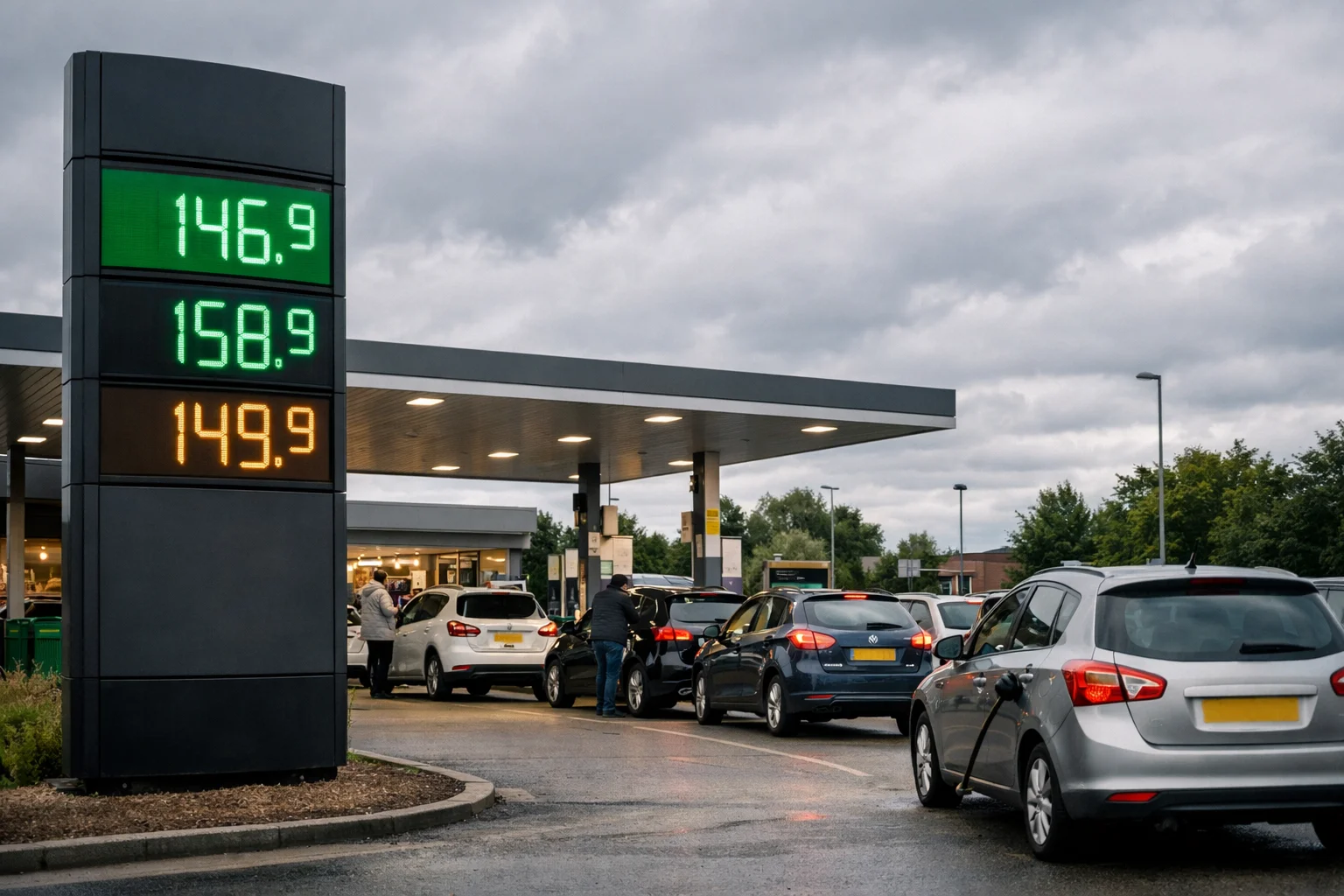
UK petrol and diesel costs are currently surging due to geopolitical tensions in the Middle East, pushing Brent crude oil above $100 per barrel. Prices are expected to stabilize only when supply routes, particularly through the Strait of Hormuz, return to normal capacity.
Oil vs. Pump Lag
There is a typical two-week delay between global oil price spikes and their full impact on UK petrol station forecourts.
Price Projections
Petrol is targeting 140p/litre, while diesel may approach 160p/litre if tensions remain elevated through April.
If you are wondering when are fuel prices going down in the UK, the short answer is that prices may stabilise or fall once global oil markets calm and supply routes return to normal.
At the moment, petrol and diesel costs are rising mainly because of geopolitical tensions in the Middle East and disruptions to global oil shipments.
Experts say prices could begin easing if conflict risks reduce and oil supply improves, though short term volatility may continue.
For UK drivers, this means fuel prices are closely tied to events happening far beyond Britain’s borders.
Key takeaways you should know:
- Global oil prices are the biggest factor affecting UK petrol and diesel costs
- Disruptions in the Middle East have pushed oil above 100 dollars per barrel
- UK pump prices usually react within about two weeks of oil price changes
- Petrol could reach around 140p per litre, while diesel may approach 160p if oil stays high
- Prices could fall again if shipping through major routes resumes normally
Understanding these factors helps you anticipate price changes and plan your fuel spending more effectively.
Why Are Fuel Prices Rising in the UK Right Now?
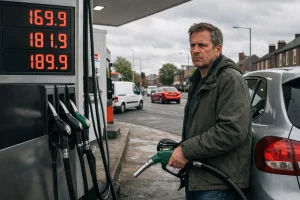
Fuel prices in the UK are rising mainly because global energy markets have become unstable. Petrol and diesel costs at the pump depend heavily on international oil prices.
When oil becomes more expensive due to supply disruptions or geopolitical tensions, the cost quickly filters down to motorists.
Recent developments in the Middle East have pushed oil prices above 100 dollars per barrel for the first time in several years. This increase has already started affecting petrol stations across the UK.
Industry experts warn that the situation may continue to affect drivers if tensions persist.
How Global Conflicts Are Affecting Oil Supply?
Global conflicts often create uncertainty in energy markets, and the recent tensions involving Iran, Israel and the United States have had a direct impact on oil supply.
The Strait of Hormuz is one of the most important shipping routes for global oil transport. A large share of the world’s crude oil passes through this narrow waterway.
When shipping traffic slows or becomes risky, the supply of oil reaching international markets decreases.
Economists and analysts say this is one of the key reasons why fuel prices have risen so quickly.
According to analysis reported by international financial experts, oil prices surged past 100 dollars per barrel after the conflict escalated. Some forecasts suggest the price could even approach 150 dollars per barrel if disruptions continue.
Energy Secretary Chris Wright highlighted the temporary nature of the current spike, stating:
“In the worst case, this is weeks, not months.”
His comment reflects the belief that energy markets may stabilise once tensions ease and shipping routes reopen fully.
However, the immediate effect has been a rapid increase in global fuel costs. When oil supply becomes uncertain, traders respond by pushing prices higher in anticipation of shortages.
This reaction spreads through global markets and eventually reaches the forecourts where drivers fill up their vehicles.
The Link Between Crude Oil Prices and UK Pump Prices
Crude oil is the primary ingredient used to produce petrol and diesel. When its price increases, refining and distribution costs rise as well.
In the UK, this relationship between oil and pump prices is well established.
Recent data shows how quickly changes in oil prices influence what drivers pay:
- Average petrol prices rose by roughly 5p per litre after the conflict began
- Diesel prices increased by about 9p per litre during the same period
- Brent crude oil rose sharply from around 73 dollars to over 100 dollars per barrel
Motoring organisations warn that the price increases may continue for a short period because fuel purchased earlier at lower wholesale prices is still working through supply chains.
Simon Williams from the RAC explained the situation clearly when he said:
“Average petrol and diesel prices have rocketed in the last week and are unfortunately likely to keep rising.”
Another key factor is the delay between oil price changes and petrol station prices. Analysts estimate that it usually takes around two weeks for global oil fluctuations to appear fully at UK pumps.
This means the price increases you are seeing today may reflect oil market movements from days or weeks earlier.
Because the UK imports large amounts of energy, local prices are heavily influenced by global supply conditions. Even when domestic production remains steady, international oil costs still determine what drivers pay at the pump.
When Are Fuel Prices Going Down in the UK?
Fuel prices in the UK are most likely to fall when global oil markets stabilise and supply disruptions ease. Experts say the recent spike in oil prices is closely linked to tensions affecting shipping routes and energy production in the Middle East.
If those disruptions are resolved quickly, oil prices could begin falling again, which would gradually lower petrol and diesel costs for drivers.
However, there is usually a short delay between falling oil prices and lower pump prices. Fuel bought by retailers at higher wholesale costs must still move through the supply chain before lower prices appear at petrol stations.
Analysts also say the duration of the conflict will play a crucial role. A short period of instability could result in only temporary increases.
But if oil remains above 100 dollars per barrel for a long time, petrol prices in the UK may stay elevated for several months before gradually declining.
How Do Oil Prices Directly Affect Petrol and Diesel Costs?
The relationship between crude oil prices and petrol costs is direct and measurable. Oil is extracted from global reserves, transported to refineries, processed into fuel, and then distributed to petrol stations. Each step becomes more expensive when the price of crude oil increases.
When oil prices rise sharply, the wholesale cost of petrol and diesel rises as well. Retail fuel providers then pass those costs to motorists at the pump.
Analysts estimate that every 10-dollar increase in the price of oil can raise petrol prices by roughly 7p per litre in the UK.
Another factor influencing pump prices is the time lag between wholesale costs and retail prices. Fuel that was purchased weeks earlier at lower prices may still be sold before higher costs appear at petrol stations.
Below is a simplified example showing how oil prices influence petrol prices.
Oil Price Per Barrel Estimated Petrol Price
80 dollars Around 130p per litre
100 dollars Around 150p per litre
120 dollars Around 170p per litre
This relationship helps explain why sudden increases in global oil prices quickly affect the cost of filling your car.
Because petrol and diesel rely heavily on crude oil, even small changes in energy markets can have a noticeable impact on drivers across the UK.
Could Fuel Prices Rise Even Higher Before They Fall?
There is a strong possibility that fuel prices could continue rising before stabilising. Energy analysts say several global factors are still influencing oil markets, and uncertainty remains high.
If tensions in major oil-producing regions continue, the oil supply could stay restricted. This would push crude prices even higher, which would quickly translate into higher pump prices.
Several scenarios could cause further increases:
- Prolonged disruption to shipping through key oil routes
- Continued military tensions in the Middle East
- Production slowdowns from major oil exporters
- Increased global demand for fuel
Financial analysts have warned that oil could rise toward 120 dollars or even 150 dollars per barrel if supply routes remain blocked for an extended period.
Such levels would push petrol prices significantly higher across Europe, including the UK.
Economists also note that global energy markets are highly sensitive to political developments. Even rumours of disruptions can cause traders to increase oil prices rapidly.
However, if diplomatic solutions reduce tensions and shipping returns to normal levels, markets may stabilise and prices could begin falling again.
How Do Rising Fuel Prices Affect the UK Economy and Cost of Living?

Higher fuel prices affect far more than just the cost of filling your car. They can influence the entire UK economy because transport plays a crucial role in almost every industry.
When petrol and diesel costs rise, businesses must spend more money transporting goods. These higher costs are often passed on to consumers through increased prices.
This can create a ripple effect across the economy.
Key economic impacts include:
- Higher transport costs for logistics companies
- Increased prices for groceries and consumer goods
- Rising costs for businesses that rely on road transport
- Pressure on household budgets
Experts also warn that rising energy prices can influence inflation. When fuel costs increase, they often push up the overall cost of living.
Economists note that energy price shocks have historically been linked to economic slowdowns.
Some analysts are concerned that prolonged high oil prices could increase borrowing costs if central banks attempt to control inflation.
However, modern economies are less dependent on energy than they were decades ago. This means the economic impact may be less severe than past oil crises, although the pressure on household budgets can still be significant.
What Factors Could Cause Fuel Prices to Fall?
Fuel prices can fall when global oil supply increases or demand decreases. Several factors could help stabilise energy markets and bring petrol and diesel prices down.
One of the most important factors is the restoration of normal shipping routes in global oil transport.
If oil exports resume at full capacity, supply will increase and prices may begin falling.
Other key factors that could reduce fuel prices include:
- Decreasing geopolitical tensions in major energy regions
- Increased oil production from global suppliers
- Release of strategic oil reserves by governments
- Lower global demand for fuel
Government policy can also influence fuel prices. For example, adjustments to fuel duty or temporary tax relief can reduce costs for motorists.
In addition, improvements in renewable energy and electric transport may gradually reduce reliance on fossil fuels over the long term.
While these changes do not immediately lower petrol prices, they can influence long-term energy trends.
Ultimately, the biggest driver remains global oil supply. When supply increases, and markets regain confidence, petrol and diesel prices usually begin falling again.
What Can You Do to Save Money While Fuel Prices Are High?

While you cannot control global oil markets, there are several practical steps you can take to reduce your fuel spending during periods of high prices.
Making small adjustments to driving habits and refuelling strategies can significantly reduce your monthly fuel costs.
Understanding how to manage fuel consumption becomes especially important when petrol and diesel prices rise.
Smarter Driving Habits to Reduce Fuel Use
Driving style has a major influence on how much fuel your vehicle consumes. Small changes in behaviour can improve fuel efficiency and reduce the amount you spend at the pump.
Fuel-efficient driving techniques include:
- Maintaining steady speeds instead of rapid acceleration
- Avoiding unnecessary idling when parked
- Keeping tyres properly inflated
- Removing unnecessary weight from your vehicle
Planning your journeys carefully can also make a difference.
Combining several errands into one trip reduces the number of journeys you need to make. This approach saves both time and fuel.
Motoring experts often recommend smoother driving styles to improve fuel economy.
Edmund King, president of the AA, highlighted this approach when discussing rising fuel costs. He advised motorists to consider reducing non-essential journeys and adopting more efficient driving habits.
He said drivers should think carefully about how often they travel and how they drive to reduce fuel consumption.
These small adjustments can significantly lower fuel costs over time.
How to Find the Cheapest Fuel in Your Area?
Another effective way to reduce fuel costs is by choosing where you fill up. Prices can vary significantly between petrol stations, even within the same town.
Shopping around for the best prices can save money each time you refuel.
Useful strategies include:
- Using fuel price comparison apps
- Checking supermarket petrol stations
- Avoiding motorway service stations, where prices are often higher
- Refuelling earlier in the week when prices may be lower
Motoring organisations often recommend monitoring local price trends to identify cheaper stations.
Simon Williams from the RAC advises drivers to keep filling up normally but look for the best available prices.
He said motorists should compare prices between different stations because variations can be significant even within short distances.
By staying informed and planning refuelling carefully, you can reduce the financial impact of rising fuel prices.
What Is the Future Outlook for UK Fuel Prices?
The future outlook for UK fuel prices depends largely on global oil market stability. Analysts believe prices could remain volatile in the short term due to geopolitical tensions affecting energy supply.
However, if shipping routes reopen fully and oil production increases, prices could gradually return to more stable levels.
Some forecasts suggest that if oil remains around 100 dollars per barrel, petrol prices may rise toward 150p per litre. Diesel could approach 160p or higher depending on supply conditions.
Longer-term energy trends may also influence future fuel costs. Governments are investing more heavily in renewable energy and alternative transport technologies.
While petrol and diesel will remain important for years to come, these changes could eventually reduce the impact of oil market disruptions on everyday drivers.
Conclusion: When Are Fuel Prices Going Down for UK Drivers?
Fuel prices in the UK will most likely begin falling when global oil supply stabilises and geopolitical tensions ease. Current price increases are mainly driven by disruptions to oil shipping and rising crude prices in international markets.
For motorists, this means pump prices are closely linked to events happening in major oil-producing regions. If shipping through key routes returns to normal and oil production increases, petrol and diesel prices should gradually decline.
However, there may still be short-term fluctuations before prices stabilise fully.
Until then, understanding how fuel markets work and adopting fuel-saving strategies can help you manage costs more effectively.
While drivers cannot control global energy markets, staying informed about oil price trends can make it easier to anticipate future changes in fuel prices.
FAQs
Why are petrol prices rising in the UK right now?
Petrol prices are rising mainly because global oil prices have increased due to geopolitical tensions affecting supply routes. Higher crude oil costs quickly influence UK petrol and diesel prices.
How long does it take for oil price changes to affect fuel prices?
Changes in oil prices usually take about two weeks to appear at petrol stations. This delay happens because fuel bought earlier at previous prices must move through the supply chain first.
Will petrol prices drop if global oil prices fall?
Yes, petrol prices typically fall when oil prices decline because crude oil is the main ingredient used to produce fuel. However, the drop may take a short time to appear at pumps.
Why is diesel usually more expensive than petrol in the UK?
Diesel often costs more due to higher refining costs and strong demand from logistics and transport industries. Supply differences in international markets can also influence diesel pricing.
How can drivers reduce the cost of fuel?
Drivers can reduce fuel costs by driving smoothly, avoiding unnecessary journeys, and comparing petrol station prices. Using fuel comparison apps can also help find cheaper options nearby.
Does the UK government control petrol prices?
The government does not set petrol prices directly but it influences costs through fuel duty and taxes. Global oil markets remain the biggest factor determining pump prices.
Could global conflicts keep fuel prices high for longer?
Yes, prolonged conflicts can disrupt oil production and shipping routes which increases prices. If supply remains restricted, fuel costs may stay high for a longer period.