
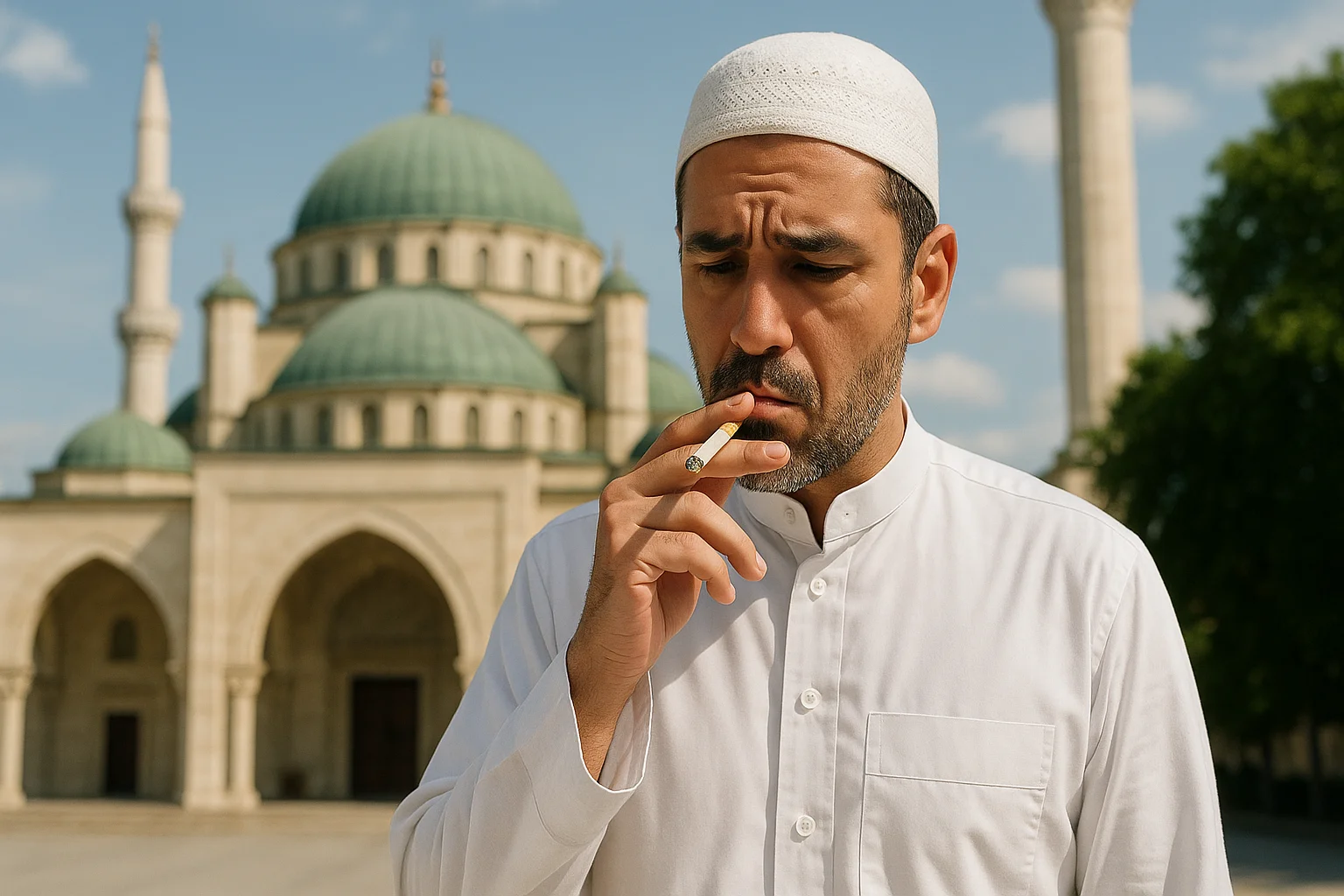
In recent years, the question “Is smoking haram?” has become increasingly relevant for Muslims around the world. As public health authorities highlight the dangers of tobacco and nicotine use, Islamic scholars have been examining whether smoking aligns with the principles of Shariah.
Islam places significant emphasis on preserving life, avoiding harm, and exercising responsibility over the body.
This blog aims to explore the religious, ethical, and legal perspectives within Islam regarding smoking, drawing on both classical sources and contemporary scholarly consensus.
What Does ‘Haram’ Mean in Islam?
In Islamic jurisprudence, the term haram refers to anything explicitly prohibited by Allah and His Messenger. Committing a haram act is sinful and potentially punishable in this life or the hereafter. Examples include theft, adultery, alcohol consumption, and now, according to many scholars, smoking.
Opposite to haram is halal, which is permitted. Other categories include:
- Makruh: Discouraged but not sinful
- Mustahabb: Recommended
- Mubah: Neutral/permissible without reward or sin
Islam’s approach to defining haram is holistic. Scholars look at harm, justice, purity, health, and moral consequences. If an action causes clear damage to the body, mind, or society, it is often ruled as haram, even if not explicitly mentioned in the Qur’an.
This legal reasoning provides the basis for evaluating issues like smoking, which were not present during the time of Prophet Muhammad (PBUH).
Was Smoking Addressed in Early Islamic Teachings?
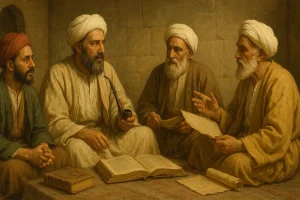
When discussing smoking, it’s important to note that tobacco was unknown in the early Islamic era. It was introduced to the Muslim world centuries after the time of the Prophet (PBUH), meaning it is not mentioned explicitly in the Quran or Hadith.
However, Islamic legal methodology allows scholars to interpret new issues using general principles. Initially, some scholars considered smoking to be makruh, viewing it as a disliked habit but not strictly forbidden. This classification stemmed from limited scientific understanding at the time.
However, with overwhelming modern evidence of its dangers, many contemporary scholars have shifted their position, now classifying smoking as haram due to its health implications.
How Do Modern Islamic Scholars Classify Smoking?
The majority of contemporary scholars now regard smoking as haram. This includes scholars from both Sunni and Shia traditions, as well as legal councils and religious bodies in countries across the Islamic world.
The core reasons behind this shift are:
- Verified scientific evidence showing smoking causes severe health conditions
- Addictive nature of nicotine undermines human will and self-control
- Secondhand smoke endangers innocent lives, including children
- Financial waste contradicts principles of responsible stewardship
Role of Ijtihad and Fatwas
Islamic jurisprudence uses ijtihad (independent reasoning) to address contemporary issues. With overwhelming health data from doctors, scientists, and global health bodies, scholars have performed ijtihad and issued fatwas declaring smoking haram.
These rulings are rooted in analogical reasoning (qiyas), drawing parallels between smoking and other prohibited substances.
The classification now reflects a clear understanding: smoking poses severe harm to the human body, which Muslims are religiously obligated to protect.
Why Is Smoking Considered Haram in Islam Today?
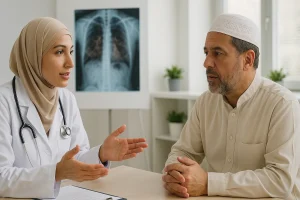
Several Islamic principles underlie the prohibition of smoking. These principles are rooted in the Quran and Hadith, even though smoking itself is not explicitly named.
Preservation of Life and Health
One of the overarching objectives of Islamic law (Maqasid al-Shariah) is the preservation of life. The Quran states:
“Do not kill yourselves. Surely, Allah is Most Merciful to you.” (Surah An-Nisa 4:29)
Smoking is recognised globally as a leading cause of preventable death. Whether it is cancer, lung disease, or cardiovascular illness, tobacco consumption contradicts the Islamic requirement to protect one’s body.
Avoiding Harm to Others
Secondhand smoke poses health risks to non-smokers, particularly children and the elderly. Islam teaches that causing harm to others, intentionally or negligently, is sinful.
“There should be no harm nor reciprocating harm.” (Hadith – Ibn Majah)
This principle further solidifies the ruling that smoking is not only self-destructive but also socially harmful.
What Are the Physical, Spiritual, and Social Harms of Smoking?
Smoking does not only damage the lungs, it affects one’s entire being, including spirituality and social relations.
| Type of Harm | Description |
|---|---|
| Physical Harm | Causes cancer, heart disease, stroke, respiratory illnesses |
| Spiritual Harm | Neglects the duty to preserve the body entrusted by Allah |
| Social Harm | Offends others with smell, sets a negative example, increases public health risks |
| Financial Harm | Wastes money on harmful substances that could be used for beneficial purposes |
Smoking also diminishes the spiritual purity expected in acts of worship. The strong odour can be unpleasant to fellow worshippers, and continuous addiction may interfere with fasting, prayer concentration, and self-discipline.
Does Islam Consider Smoking a Waste of Money (Israf)?
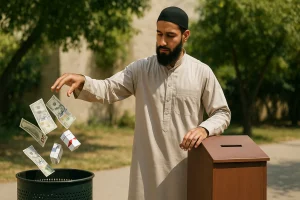
Financial accountability is a deeply rooted concept in Islam. The Quran warns against extravagance and wastefulness:
“…But do not spend wastefully. Indeed, the wasteful are brothers of the devils.” (Surah Al-Isra 17:26-27)
Spending on cigarettes offers no benefit and leads only to physical and financial destruction. This directly opposes the Islamic principle of responsible spending.
| Expense Type | Islamic View | Smoking Equivalent |
|---|---|---|
| Spending on essentials | Encouraged | Supporting one’s family, education, charity |
| Extravagant or harmful spending | Prohibited (Israf) | Buying cigarettes, shisha, or vaping products |
Can Quitting Smoking Be Considered an Act of Repentance (Tawbah)?
Repentance (Tawbah) is an essential aspect of Islamic spirituality. Any act that is considered haram must be abandoned with sincere repentance. This involves regret, stopping the act, and resolving not to return to it.
Quitting smoking with the intention of obeying Allah and caring for one’s health is not just a lifestyle change, it’s a spiritual decision. It becomes an act of obedience and renewal of faith.
Islam emphasises that Allah’s mercy is vast, and every step taken toward Him, including leaving harmful habits, is rewarded.
How Are Islamic Organisations Supporting Smokers to Quit?
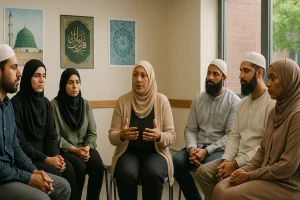
Today, many Islamic learning institutions and online platforms provide faith-based education and support to help Muslims understand why smoking is prohibited and how to overcome the addiction. These initiatives combine Quranic knowledge, prophetic guidance, and health awareness to motivate change.
Some programmes include:
- Online Quran classes that incorporate lessons on lifestyle and personal conduct
- Workshops on addiction from an Islamic and psychological perspective
- Community-driven support groups encouraging accountability and Tawbah
These efforts ensure that the path to quitting smoking is supported both spiritually and practically.
What Is the Final Islamic Verdict on Smoking?
Taking into account the numerous harms associated with smoking and the Islamic principles that prohibit self-harm, harming others, and wasting resources, the conclusion is clear:
Smoking is haram in Islam.
This ruling is grounded in a combination of health facts and religious ethics. While early rulings may have viewed smoking as makruh, the evolution of medical knowledge and Islamic jurisprudence now places it firmly in the haram category.
Muslims are encouraged to seek help, make dua, and take steps to stop smoking. Quitting smoking not only improves health but also strengthens one’s relationship with Allah.
Every effort made in this direction is a means of earning reward and protecting the trust Allah has placed in each human being, the body.
Conclusion
The question “Is smoking haram?” is not merely a theological inquiry, it’s a matter of health, responsibility, and Islamic ethics.
The overwhelming consensus among contemporary scholars is that smoking is haram, due to the undeniable harm it causes to individuals and society.
Islam calls on Muslims to preserve their health, spend wisely, and avoid harm to others. Those who smoke are encouraged to take steps towards quitting, not only for their physical well-being but as an act of obedience and self-purification.
With sincere intention and available support, breaking free from smoking can be a deeply spiritual and rewarding journey.
Frequently Asked Questions
Is vaping haram or is it treated differently from smoking?
Vaping contains harmful chemicals and nicotine, making it subject to similar rulings as smoking. Many scholars classify it as haram due to its health risks and addictive nature.
What Islamic rulings exist for smoking shisha or hookah?
Shisha, like cigarettes, contains tobacco and harmful substances. As such, it falls under the same prohibition due to its physical harms and addictive properties.
Can a smoker still lead prayer in Islam?
Yes, a smoker may lead prayer if they meet the other conditions of an imam. However, frequent smoking and its resulting odour can be disruptive to congregants, and scholars advise against it.
Are there halal alternatives to smoking for stress relief?
Yes, halal alternatives include exercise, deep breathing, dhikr (remembrance of Allah), herbal teas, and professional counselling. Islam promotes positive coping mechanisms that do not harm the body.
How can families support someone quitting smoking in an Islamic way?
Families should offer encouragement, avoid shaming, and help create a smoke-free environment. Sharing reminders of Allah’s mercy and the value of health can be spiritually uplifting.
What role does community awareness play in Islamic public health?
Community education campaigns within mosques and schools can reinforce the harms of smoking and offer resources for quitting. Collective effort strengthens individual resolve.
Does Islamic law allow temporary use of nicotine patches or gum?
Yes, if these tools are used with the intention of quitting smoking and not causing harm, they are generally permitted as transitional aids.
{
“@context”: “http://schema.org/”,
“@type”: “FAQPage”,
“mainEntity”: [
{
“@type”: “Question”,
“name”: “Can Universal Credit payments be delayed due to bank issues?”,
“acceptedAnswer”: {
“@type”: “Answer”,
“text”: “Yes delays can occur due to bank processing schedules during the holidays. Always check with your bank first and then contact the DWP if the payment is missing.”
}
},
{
“@type”: “Question”,
“name”: “How will the festive period affect new Universal Credit applications?”,
“acceptedAnswer”: {
“@type”: “Answer”,
“text”: “New claims may take longer to process due to office closures and limited staffing. It’s advisable to apply early in December to avoid delays.”
}
},
{
“@type”: “Question”,
“name”: “Do Universal Credit payment changes differ in Scotland or Wales?”,
“acceptedAnswer”: {
“@type”: “Answer”,
“text”: “Yes. For example, 2 January is a public holiday in Scotland affecting benefit payments there but not in England or Wales.”
}
},
{
“@type”: “Question”,
“name”: “Will cost of living payments be issued alongside Universal Credit in December?”,
“acceptedAnswer”: {
“@type”: “Answer”,
“text”: “As of now there are no confirmed cost of living payments scheduled for December 2025 but check DWP updates closer to the date.”
}
},
{
“@type”: “Question”,
“name”: “Can I still contact the DWP during the Christmas period?”,
“acceptedAnswer”: {
“@type”: “Answer”,
“text”: “You can reach the DWP on non-bank holidays but phone lines will be closed on Christmas Day Boxing Day and New Year’s Day.”
}
},
{
“@type”: “Question”,
“name”: “Is there any risk of being overpaid or underpaid due to early payments?”,
“acceptedAnswer”: {
“@type”: “Answer”,
“text”: “Early payments won’t affect your entitlement. They simply arrive ahead of the normal date and are not counted as extra.”
}
},
{
“@type”: “Question”,
“name”: “What happens if I miss my jobcentre appointment during the holidays?”,
“acceptedAnswer”: {
“@type”: “Answer”,
“text”: “Jobcentres close on bank holidays. If your appointment falls on a holiday you should be contacted with an alternative date. Always check your journal for updates.”
}
}
]
}