
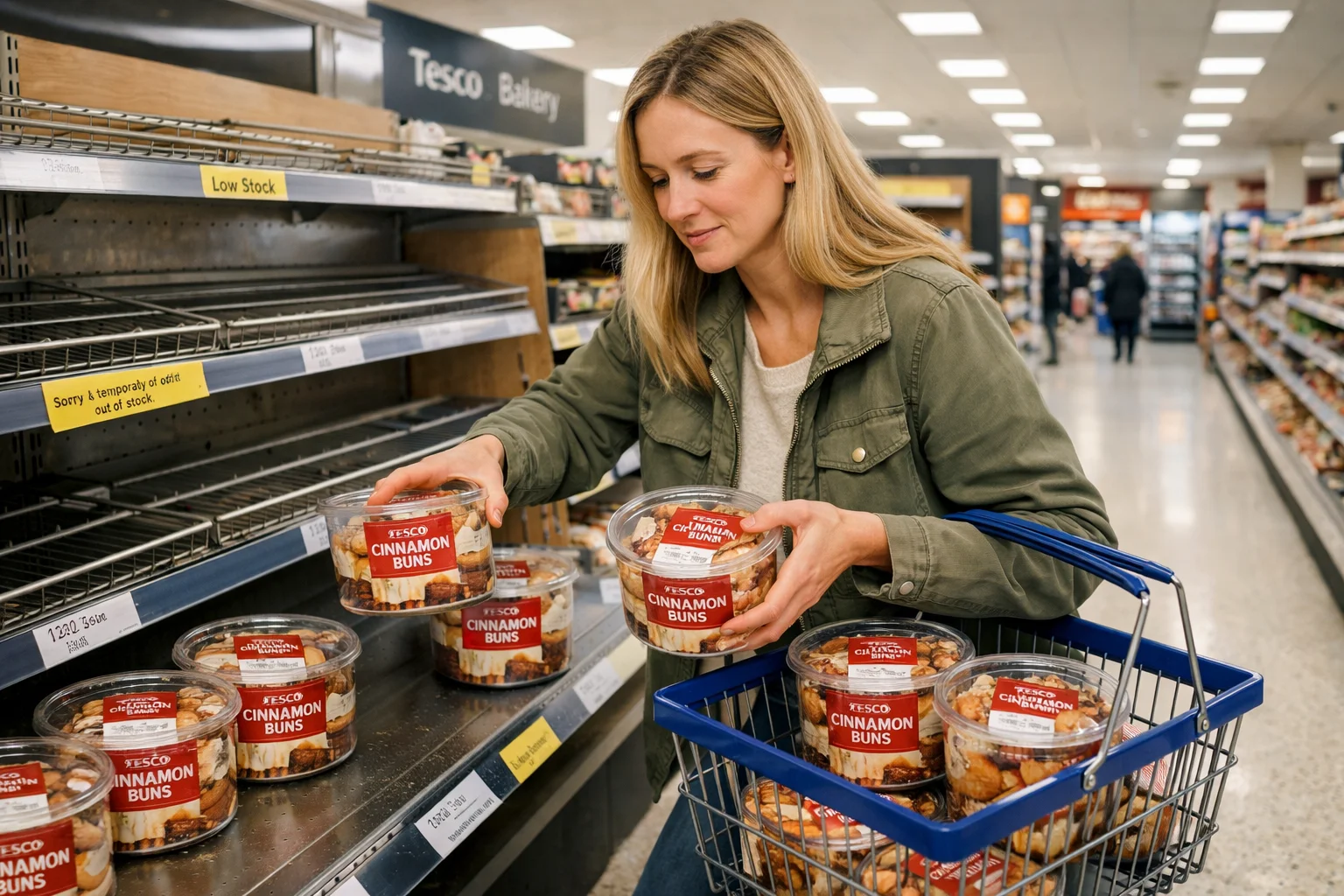
The reason a Tesco shopper clears cinnamon buns is not just about liking a sweet treat. It reflects how viral trends, social media influence and fear of missing out shape shopping habits in the UK today. When one shopper’s video went viral, it sparked debate about greed, hype and modern consumer behaviour.
Key takeaways you should know:
- A viral TikTok video triggered nationwide attention
- Tesco’s cinnamon buns became a social media driven craze
- Public reaction exposed strong opinions about fairness and food trends
This incident goes beyond pastries and offers insight into how you shop, react and engage with viral food moments.
Why Did One Tesco Shopper Clear the Shelves of Cinnamon Buns?

The moment a Tesco shopper clears cinnamon buns from a bakery shelf, it naturally raises questions. Was it genuine excitement, deliberate provocation or simply a reaction to a trending product? Understanding what happened requires looking closely at the person involved, the setting and the timing.
Who is the Viral Shopper?
The shopper at the centre of the story is Nneka, a London based TikTok user who regularly shares food related content online. She describes herself as a baker and often posts videos showcasing desserts and indulgent treats. This background is important because it explains why she may have been drawn to a newly launched bakery item at Tesco.
Nneka was not an anonymous shopper caught off guard. She was already familiar with how food content performs on social media. Her comfort filming in public spaces and interacting with other shoppers suggests she understood the attention such a moment could attract. For viewers, this made the situation feel more deliberate rather than accidental.
What Exactly Happened at Tesco?
In the video, Nneka is seen placing multiple tubs of Tesco’s new cinnamon tear and share buns into her basket. The shelves are gradually emptied as she continues picking up the product, eventually appearing to clear the entire display. Each tub was priced at around £3.75, making the haul appear both excessive and intentional.
Another shopper approaches her during the video and jokingly asks if she could save one, suggesting how difficult the buns had already become to find. Nneka appears to hand over one tub but keeps the rest. The visual of a full basket and empty shelf quickly became the defining image of the story.
What stood out most was not just the quantity but the timing. The buns had only recently been introduced, meaning supply was still limited while demand was rapidly growing.
The Tiktok Video That Started It All
The clip was uploaded to TikTok with a playful caption that implied she had been caught taking all the buns. Within hours, views and comments surged. The video gained hundreds of thousands of views and tens of thousands of likes, pushing it far beyond her usual audience.
As more people shared and commented, the context shifted. What started as a light hearted food video turned into a debate about shopping etiquette. The platform’s algorithm amplified the clip, ensuring it reached users who had never heard of the product before. This exposure helped transform a simple bakery item into a viral symbol of excess.
By the end of the first wave of attention, the phrase Tesco shopper clears cinnamon buns had become shorthand for a much larger conversation about viral food culture.
How Did the Public React to the Cinnamon Bun Shelf Sweep?

Once the video circulated widely, public reaction followed quickly and intensely. The response showed how divided opinions can be when viral shopping behaviour enters everyday life.
Social Media Backlash: Greed or Smart Shopping?
Online comments were dominated by criticism. Many viewers accused the shopper of being greedy and inconsiderate, especially during a time when viral products often sell out quickly. Some questioned why anyone would need so many cinnamon buns, pointing out their short shelf life.
Others framed the behaviour as unfair to fellow shoppers who had been searching for the product. Words like selfish and excessive appeared repeatedly in comment sections. For these viewers, the act symbolised everything frustrating about viral food trends.
However, a smaller group defended her actions. They argued that there were no official purchase limits and that she was free to buy what she wanted. To them, the outrage seemed disproportionate for a bakery item.
In Store Reactions From Other Shoppers
The in store moment captured on video added fuel to the debate. The brief interaction with another customer asking to save one bun resonated with viewers. It reflected a shared experience many shoppers recognised, arriving late to find shelves empty.
This real world interaction made the situation feel more personal. It was no longer just about social media but about how viral trends affect everyday shopping trips. For many, it raised questions about courtesy and community within supermarkets.
Was It Real or Staged? Nneka’s Clarification
As criticism grew, Nneka later addressed the backlash in a follow up video. She claimed she had not actually purchased all the buns and suggested the clip was misleading. According to her, the video ended before the checkout on purpose.
She explained that people assumed the worst without seeing the full context. This revelation shifted the narrative again, highlighting how easily short clips can distort reality. Even so, by that point the story had already taken on a life of its own.
The reaction proved that once something goes viral, clarification often comes too late. The image of a Tesco shopper clearing cinnamon buns had already cemented itself in the public mind.
What’s So Special About Tesco’s Cinnamon Tear & Share Bun?

When a Tesco shopper clears cinnamon buns from the shelf, the natural question becomes: why this product in particular? Tesco’s cinnamon tear & share bun has captured attention not just because of how it looks, but due to its taste, limited availability, and viral appeal. Here’s what makes this sweet treat so popular.
Product Overview: Price, Taste, and Ingredients
Tesco’s cinnamon tear & share bun is a soft, sweet pastry that combines a classic cinnamon swirl with indulgent cream cheese icing. At £3.50 to £3.75 per tub, it’s positioned as a premium yet affordable bakery treat.
Each bun is hand iced, swirled with cinnamon filling, and comes in a round, shareable format. The texture is sticky and soft, which makes it enjoyable hot or cold. According to Tesco, the product is “topped with soft cheese icing and swirled with cinnamon filling for a sweet and sticky sharing treat.”
The key ingredients include wheat flour, sugar, cinnamon powder, full-fat soft cheese, butter, and palm oil. It also contains egg and milk, which gives it a rich, bakery-style finish.
The bun contains four servings per tub, and its indulgent nature makes it ideal for gatherings, family desserts, or those wanting to enjoy a sweet snack over a couple of days.
Tesco Bakery Innovation and Marketing
Tesco has been actively expanding its bakery section to compete with other UK retailers and premium food outlets. The cinnamon tear & share bun stands out because it blends quality ingredients with social media-friendly presentation.
The timing of the launch aligned perfectly with increased demand for comforting treats and visually appealing products that trend well online. The product taps into several consumer desires, sweetness, nostalgia, affordability, and ease of access.
There were no official promotions or campaigns behind the product initially, but the unexpected buzz it received online worked better than any ad. The design itself encourages sharing, making it perfect for platforms like TikTok where food is both reviewed and consumed visually.
Nutritional Breakdown of the Tear & Share Bun
Here’s a look at the bun’s nutritional profile, especially in comparison to the standard Tesco cinnamon buns two-pack.
Product Price Calories (per serving) Sugars (g) Fat (g) Shelf Life
Tesco Tear & Share Cinnamon Bun £3.75 317 (per 1/4 bun) 25.1 9.1 2 days
Tesco 2-Pack Cinnamon Buns £1.80 371 (per bun) 24.4 14.6 2 days
While both products are high in sugar, the tear & share version offers slightly lower fat per serving and is better suited for portion control. However, its high sugar content and short shelf life sparked criticism over bulk buying, especially considering the limited time they remain fresh.
In short, this isn’t just a pastry, it’s a moment where branding, taste, and timing all came together to create a supermarket sensation.
How Does Social Media Influence UK Shopping Habits?
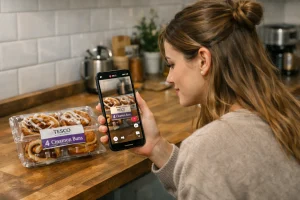
The rise of platforms like TikTok and Instagram has transformed how you discover and engage with supermarket products. In the case of the cinnamon bun incident, social media turned an ordinary bakery item into a national headline.
Posts like Nneka’s encourage product scarcity by creating FOMO (fear of missing out), and once content gains traction, people rush to buy items they might have otherwise ignored.
Influencers and casual users alike now act as trendsetters. One post can drive thousands into stores, which is what happened with Tesco’s cinnamon buns. The bun became a symbol of trend-driven demand, showing how much power social media holds over what people eat and buy.
Tesco didn’t have to invest in marketing, the content created by users like Nneka did the job, for better or worse. In the UK, social media isn’t just a communication tool; it’s a marketplace driver.
Is the UK Obsessed with Sweet Treats?
Yes, there’s a clear and growing obsession with sweet treats in the UK. The overwhelming popularity of Tesco’s cinnamon buns is only the latest example. British consumers have a long-standing love for bakery items, from sticky toffee puddings to mince pies, and cinnamon buns have now joined this lineup as a seasonal or occasional indulgence.
Data from market analysts consistently show that UK households rank baked goods among their top comfort foods. With the cost of dining out increasing, people are turning to affordable luxuries like supermarket bakery products. Social media adds fuel to the fire by making these items seem rare, exciting and desirable.
The Tesco cinnamon bun incident reflects more than one shopper’s choice. It highlights how closely food, identity and indulgence are tied together in British culture. Shoppers are not just buying for flavour but also for the experience, and often, the attention.
What Does This Incident Reveal About Modern Consumer Behaviour?
The moment a Tesco shopper clears cinnamon buns might seem trivial, but it reveals deeper trends in how people behave as consumers today. Viral shopping behaviour is no longer just about products, it’s about status, timing, and influence.
Modern consumers often shop with a sense of urgency driven by what they see online. When something goes viral, people rush to buy it, not because they always want it, but because they fear missing out. This is known as impulse-driven buying influenced by digital trends.
At the same time, there’s an emotional reaction to scarcity. If something appears limited, even temporarily, it becomes more desirable. This is often manipulated intentionally or not by influencers or viral content, which drives up demand far beyond the actual value of the product.
- Fear of missing out drives rapid product sellouts
- Viral content distorts perception of value or necessity
- Consumers often react emotionally, not practically
- Influencers unintentionally set supply into panic mode
This incident also shows how quickly people form opinions without context. Judgement online is swift, and even a seemingly light-hearted shopping video can become a public spectacle. What we saw wasn’t just about buns, it was a display of modern, emotionally reactive shopping behaviour.
What Can Tesco and Other Retailers Learn from This Trend?
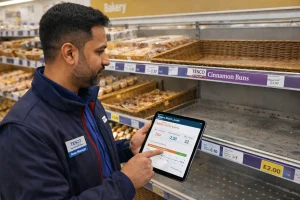
The viral cinnamon bun incident offers several key lessons for Tesco and other supermarket retailers. While the exposure helped sales, it also highlighted challenges in stock management, customer sentiment, and the unpredictability of social media.
Retailers should recognise the power of organic viral trends. Tesco’s cinnamon bun gained traction without paid promotion, showing the importance of monitoring social media buzz and being prepared to scale supply quickly.
- Monitor trending products online to forecast demand
- Set soft purchasing limits to avoid negative customer experiences
- Use in-store signage or stock updates to manage expectations
- Consider re-promoting successful viral items post-hype
The incident also demonstrates how a retailer’s reputation can be affected by individual shopper behaviour. Whether the video was staged or not, public perception shifted quickly, and Tesco found itself in the spotlight.
By responding early, offering transparency about product availability, and engaging with viral moments proactively, supermarkets can protect their brand image while capitalising on the trend.
Final Thoughts – Are You Feeding a Sweet Tooth or Following a Trend?
This Tesco cinnamon bun story is more than just a viral moment, it’s a reflection of how easily you can be influenced by social media and shopping hype. When food becomes content, it changes how people interact with everyday products.
Whether you love cinnamon buns or not, it’s important to recognise the difference between craving a treat and chasing a trend. The story reminds you to pause, think about your motivations, and avoid the trap of unnecessary consumption.
Next time you see a product going viral, ask yourself do you genuinely want it, or do you just want to be part of the buzz? There’s no harm in enjoying sweet things, but mindful shopping is always the smarter move.
Frequently Asked Questions
Are Tesco’s cinnamon buns really worth the hype?
Tesco’s cinnamon tear & share buns have gained popularity due to their rich flavour, soft texture and indulgent cream cheese icing. Many shoppers find them enjoyable, but the hype is largely driven by social media trends.
Did the shopper actually buy all the cinnamon buns?
The viral video suggested she did, but the shopper later clarified she did not purchase all the buns shown. It was part of a content strategy, and the clip was edited before the checkout.
What’s the difference between Tesco’s tear & share bun and the 2-pack cinnamon buns?
The tear & share bun is larger, shareable, and topped with soft cheese icing, offering four servings. The 2-pack option is smaller, with individual portions and slightly higher calories per bun.
Why did this video go viral so quickly?
The combination of a trending product, relatable in-store behaviour, and the shock factor of clearing a shelf made it ideal for sharing. TikTok’s algorithm favours this type of high-engagement content.
Are viral food trends affecting product availability in supermarkets?
Yes, viral food trends often lead to sudden spikes in demand, resulting in temporary shortages. Retailers sometimes struggle to keep pace with unexpected social media-driven buying.
How long do Tesco cinnamon buns stay fresh?
Tesco’s cinnamon buns typically have a shelf life of two days, as marked with a “2+” on the packaging. They are best enjoyed fresh or slightly warmed.
Can Tesco limit how many bakery items a shopper buys?
Tesco can introduce purchasing limits during high-demand periods, although no such policy was in place for the cinnamon buns during the incident. Limits are usually enforced when stock issues or fairness concerns arise.