
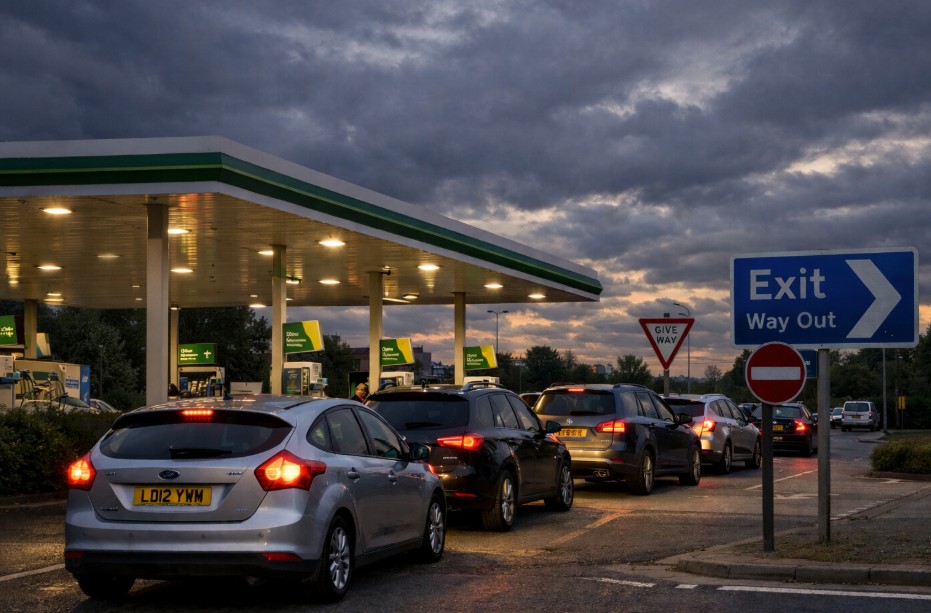
Yes, petrol prices are likely to rise in the UK if oil markets continue reacting to the US and Israel strikes on Iran, but you will not see an overnight jump at the pump.
Experts warn that disruption in the Middle East, particularly around the Strait of Hormuz, could push crude oil higher, which may filter through to UK forecourts within days or weeks.
Here are the key points you need to know:
- Brent crude has already climbed to a near seven month high of around 73 dollars per barrel
- The Strait of Hormuz carries about 20 per cent of global oil supply
- The AA warns record pump prices could appear within 10 to 12 days
- Current UK averages sit at 132.68p for petrol and 142.34p for diesel
- Economists say price rises depend on how long disruption lasts
Are Petrol Prices Going Up in the UK Right Now?
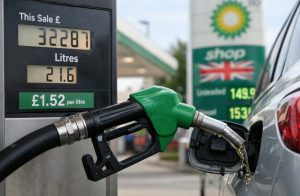
At this moment, petrol prices in the UK have not surged overnight, but the pressure is clearly building. Following US and Israel strikes on Iran and retaliatory action across the region, global oil markets have reacted nervously.
Brent crude closed the week at around 73 dollars per barrel, marking a near seven month high and a rise of roughly 16 per cent since the start of the year.
According to the RAC, you are currently paying on average:
- 132.68p per litre for unleaded petrol
- 142.34p per litre for diesel
These figures have not yet reflected a dramatic spike, but wholesale costs are rising. Oil futures, which influence future pricing expectations, are expected to climb when markets fully price in geopolitical risk. It is important to understand how pricing works.
Forecourts buy fuel in advance, meaning:
- Retail prices adjust with a delay
- Sudden oil jumps do not translate immediately
- Stock already purchased at lower prices may cushion short term changes
So while petrol prices are not soaring today, the direction of travel suggests upward pressure if crude remains elevated.
Why Are Oil Prices Rising After the US and Israel Strikes on Iran?
Oil prices are rising because markets fear disruption to global supply. After strikes on Iranian targets and reported retaliation affecting parts of the Gulf, traders began pricing in risk to energy infrastructure and shipping routes.
There are several reasons why crude has reacted sharply:
- Iran holds the world’s third largest crude reserves
- The conflict increases the risk of supply disruption
- Shipping through the Gulf may be delayed or suspended
- Investors buy oil futures as a hedge against instability
Susannah Streeter of Wealth Club explained that oil had already been creeping up before the strikes. With tensions escalating, prices are expected to shoot higher due to fears around global oil supplies.
When markets sense uncertainty, especially in a region responsible for a significant share of global output, prices tend to climb quickly.
Even if actual supply is not yet reduced, perceived risk alone can push crude higher. For you as a UK driver, that risk premium could eventually translate into higher pump costs.
Why Does the Strait of Hormuz Matter So Much to UK Petrol Prices?
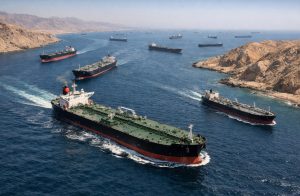
The Strait of Hormuz is one of the most important oil transit routes in the world. Around 20 per cent of global oil and gas flows pass through this narrow shipping lane between Oman and Iran.
It connects major Gulf producers such as Saudi Arabia, Iraq, Iran and the United Arab Emirates to international markets. Following the recent strikes, several oil companies and tanker operators reportedly suspended shipments through the strait.
Satellite tracking showed vessels waiting near major ports rather than transiting the waterway. There were also reports of warnings issued to ships in the area, though the UK Navy advised that any restrictions were not legally binding.
If the strait were significantly disrupted, global supply would tighten rapidly. Because the UK is a price taker in global energy markets, you would feel the impact through higher wholesale costs and eventually rising petrol prices.
What Are Experts Saying About a Petrol Price Increase?
Experts broadly agree that the risk of higher petrol prices is real, but they differ on how severe and how quickly you might feel it. The central theme is uncertainty. Much depends on whether the conflict remains contained or escalates further.
AA Warning to UK Drivers
Edmund King, president of the AA, has issued one of the strongest warnings. He stated that turmoil and bombing across the Middle East would disrupt oil distribution globally and would inevitably lead to price hikes. He cautioned that within 10 to 12 days, drivers could see record prices at the pumps.
This warning reflects concerns about oil trade disruption, particularly if shipping lanes remain affected. If crude shipments are delayed or reduced, wholesale markets react swiftly. As a result, retailers may have to pay more for new deliveries.
The AA’s position suggests you should prepare for higher costs rather than assume the spike will fade quickly. The emphasis is on timing, with a short window before changes could filter through.
Economist and Market Analyst Views
Other experts offer a more measured assessment. Damian Pudner, an economist, highlighted that a 10 per cent jump in oil futures does not mean petrol prices will surge the next morning. Forecourts purchase fuel in advance, and pricing adjusts with a lag.
He stressed that if crude remains elevated for weeks, drivers will start to feel it. The key issue is duration. A brief spike may not lead to lasting pump increases, but sustained high crude almost certainly will.
William Jackson of Capital Economics suggested Brent could rise to around 80 dollars per barrel even if strikes remain limited. If conflict affects actual supply and pushes Brent towards 100 dollars, global inflation could rise noticeably.
Danni Hewson of AJ Bell also warned that prolonged high oil prices could rekindle inflation pressures, echoing concerns seen during previous global crises. However, there is also the possibility of offsetting action. Opec could increase output to stabilise prices, helping limit the scale of any surge.
In short, experts agree upward pressure exists, but the final outcome depends on escalation, supply disruption and market response.
Could Petrol Hit £2 Per Litre Again?
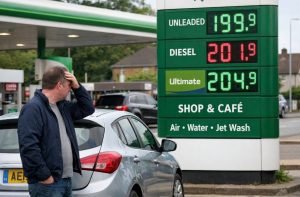
The possibility of petrol reaching £2 per litre cannot be ruled out, but it would likely require a sustained and significant jump in crude oil prices.
Analysts suggest that Brent moving towards 100 dollars per barrel would increase global inflation and place strong upward pressure on fuel costs.
During previous global shocks, including the invasion of Ukraine, petrol prices rose sharply in the UK. History shows that when crude climbs quickly and remains high, pump prices follow.
However, reaching £2 per litre again would depend on several factors, including:
- The duration of Middle East disruption
- Opec production decisions
- Currency movements
- UK fuel duty policy
At present, experts describe record prices as a risk rather than a certainty.
How Would Higher Petrol Prices Affect You and the UK Economy?
If petrol prices rise significantly, the effects would go beyond your weekly fuel bill. Higher oil costs ripple through the wider economy and can increase inflation.
You would likely experience:
- Increased commuting costs
- Higher delivery and freight charges
- Rising supermarket prices due to transport expenses
- Greater pressure on household budgets
Economists describe oil price jumps as an imported shock. Because the UK relies on global markets, higher crude prices feed directly into domestic costs. Inflation, which had shown signs of easing, could move higher again if energy prices climb.
There is also a broader psychological impact. When you see fuel prices rising, consumer confidence often weakens. Businesses facing higher transport costs may pass those increases onto customers. This chain reaction can slow economic momentum.
In short, rising petrol prices would not only affect drivers but could also influence the overall cost of living.
When Would You Actually See Higher Prices at the Pump?
Even if oil futures surge, you are unlikely to see immediate changes at your local forecourt. Retailers buy fuel in advance, meaning there is typically a delay between wholesale price increases and pump adjustments.
Experts indicate that:
- Changes may appear within days if disruption is severe
- More commonly, increases show within one to three weeks
- The scale depends on how long crude remains elevated
If Brent stays high for an extended period, suppliers will pass on increased costs as new stock is purchased. The AA has suggested a 10 to 12 day window for potential record prices, but that timeline assumes sustained market pressure.
Should You Fill Up Now or Wait?
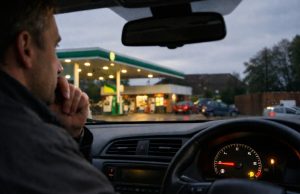
Deciding whether to fill up now depends on your risk tolerance and driving needs. If you anticipate heavy travel in the coming weeks, topping up before potential rises could offer short term protection. However, there is no guarantee that prices will spike dramatically.
You may want to consider:
- Monitoring daily fuel averages
- Using comparison tools such as PetrolPrices or Confused price checkers
- Checking local supermarket forecourts for competitive rates
- Avoiding panic buying unless sustained increases are confirmed
Remember that markets can stabilise if tensions ease or if Opec increases supply. Economists emphasise that not every oil spike leads to lasting pump increases. A balanced approach based on your usage patterns may be more practical than reacting to headlines.
What Could Prevent Petrol Prices From Rising Further?
Several factors could limit or reverse upward pressure on UK petrol prices. The situation remains fluid, and markets respond quickly to new developments.
Potential stabilising influences include:
- De escalation of conflict in the Middle East
- Continued safe passage through the Strait of Hormuz
- Opec increasing oil production
- Global demand slowing
- Government decisions on fuel duty
If shipping flows remain intact and crude supply is not physically reduced, prices could settle after an initial surge. Experts also note that global producers have spare capacity that may offset disruption.
For you as a driver, the key variable is duration. Short lived tensions may cause only modest increases, while prolonged instability would likely lead to more noticeable rises at the pump.
Conclusion
So, are petrol prices going up in the UK? The evidence suggests upward pressure is building due to the US and Israel strikes on Iran and fears surrounding the Strait of Hormuz.
While prices have not surged immediately, experts warn that sustained disruption could lead to higher pump costs within weeks.
The scale of any increase depends largely on how long tensions persist and whether oil supply is genuinely affected. For now, you should monitor developments, understand the lag in pricing, and prepare for the possibility of rising fuel bills if crude remains elevated.
Frequently Asked Questions
Will petrol prices rise immediately after oil futures increase?
No, petrol prices usually adjust with a delay because forecourts buy fuel in advance. You may see changes within weeks if crude remains high.
How much of the world’s oil passes through the Strait of Hormuz?
Around 20 per cent of global oil and gas flows through the Strait of Hormuz. Disruption there can quickly affect international prices.
What is the current average petrol price in the UK?
According to the RAC, unleaded petrol averages 132.68p per litre. Diesel stands at about 142.34p per litre.
Could Opec prevent a major petrol price surge?
Opec could increase production to offset supply concerns. That action may help stabilise crude prices if tensions continue.
How does rising oil affect UK inflation?
Higher oil costs increase transport and energy expenses. This can push headline inflation higher in the near term.
Is the UK directly dependent on Iranian oil?
The UK buys oil on global markets rather than relying on one country. However, global supply disruption still affects domestic prices.
Should drivers panic buy fuel?
Experts do not advise panic buying. Monitoring prices and understanding market developments is a more measured approach.