
What Are the Junior Doctor Strike Dates in 2026?

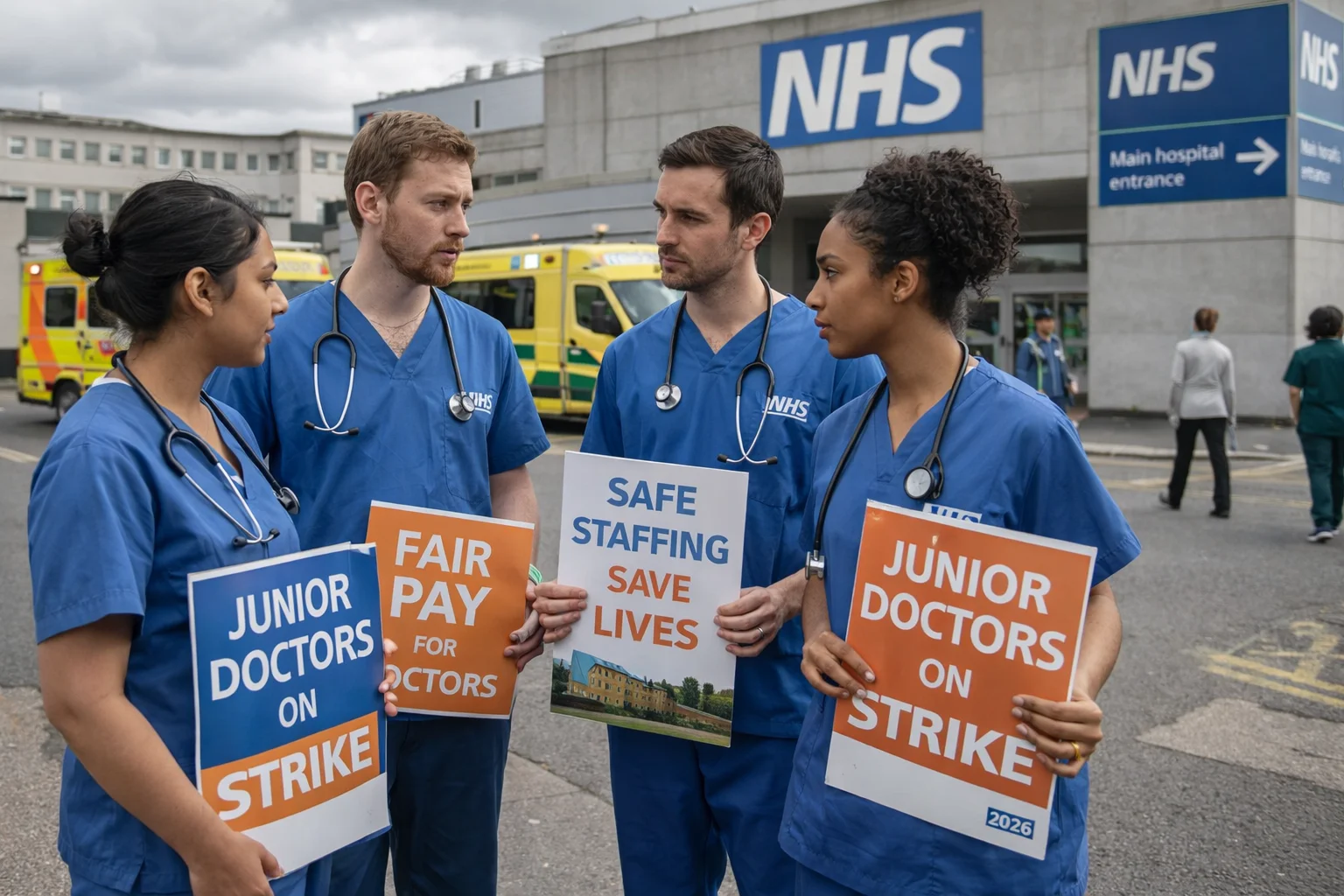
The confirmed junior doctor strike dates in 2026 have drawn widespread attention across the UK, particularly within England, where resident doctors are set to take part in a coordinated six-day walkout.
The industrial action is scheduled to begin on 7 April and continue until 13 April 2026, marking one of the longest continuous strike periods in recent NHS history.
This action follows a breakdown in negotiations between the British Medical Association and the Government, with disagreements focused heavily on pay restoration and long-term working conditions.
Resident doctors, often referred to as junior doctors, represent a significant portion of the NHS workforce, and their absence is expected to affect multiple layers of healthcare delivery.
The scale of this action reflects the seriousness of the ongoing dispute. Hospitals across England are preparing contingency plans to manage reduced staffing levels, particularly in departments that rely heavily on junior doctor support.
| Key Detail | Information |
|---|---|
| Strike Start Date | 7 April 2026 |
| Strike End Date | 13 April 2026 |
| Total Duration | 6 days |
| Workforce Involved | Resident doctors in England |
| Organising Body | British Medical Association |
The timing of the strike is also important. April is typically a busy period for the NHS, with increased patient demand following winter pressures.
This adds another layer of complexity for hospital administrators attempting to maintain service continuity.
Why Are Junior Doctors Striking in the UK in 2026?
The reasons behind the junior doctor strike dates in 2026 are rooted in a combination of financial, structural, and professional concerns.
At the centre of the dispute is the issue of pay, particularly the long-term decline in real earnings after inflation.
The Government presented an offer that included changes to pay structures and incremental pay increases.
However, the BMA’s resident doctors committee rejected this proposal, arguing that it did not adequately address the scale of pay erosion experienced over the past decade.
What Issues Did the Government’s Offer Contain?
The proposed deal included reforms aimed at modernising how junior doctors are paid and evaluated. These elements were presented as part of a broader effort to improve career progression and financial stability.
Key components included:
- Adjustments to pay scale nodal points
- Financial uplifts linked to ARCP progression
- A phased approach to implementing pay increases
While these measures appeared constructive on the surface, concerns emerged regarding how the financial aspects would be delivered over time.
| Offer Component | Description | Concern Raised |
|---|---|---|
| Pay Scale Reform | Restructuring salary progression | Lack of immediate benefit |
| ARCP Uplifts | Pay increases after progression reviews | Limited short term impact |
| Multi Year Pay Plan | Spread of pay increases over three years | Delayed financial recovery |
Why Did the BMA Reject the Proposal?

The rejection of the Government’s offer was influenced by last-minute changes that altered the financial structure of the deal.
The most significant concern was the decision to spread pay improvements over a three year period rather than implementing them more immediately.
This raised questions about whether the offer would genuinely restore pay levels or simply delay meaningful change.
Additionally, the recommended pay increase of 3.5 per cent fell below the retail price index inflation rate of 3.6 percent, reinforcing concerns about continued real-term pay decline.
A healthcare workforce analyst explained the situation clearly:
“From my experience working with NHS staffing data, the issue is not just the percentage increase but the timing of it. When pay adjustments are delayed, doctors feel the financial strain immediately while the proposed benefits remain uncertain in the future.”
This perspective highlights why junior doctor strike dates have become a recurring feature of the NHS landscape in recent years.
How Will the Junior Doctor Strike Dates Affect NHS Services?
The impact of the junior doctor strike dates on NHS services is expected to be both immediate and widespread. Resident doctors play a central role in day-to-day hospital operations, and their absence creates significant gaps in service delivery.
Hospitals typically activate contingency plans during strike periods, prioritising urgent and emergency care while postponing less critical services. This ensures patient safety but inevitably leads to delays in other areas.
Which NHS Services Will Remain Available?
Essential services are maintained during strike periods, often with the support of senior medical staff and consultants stepping into expanded roles.
These services include:
- Emergency care through A and E departments
- Critical care units and intensive care services
- Urgent treatment for a life-threatening condition
| Service Type | Availability During Strike | Notes |
|---|---|---|
| A and E | Fully operational | Priority service |
| Intensive Care | Maintained | Staffed by senior doctors |
| Emergency Surgery | Available | Limited capacity |
What Services Are Likely to Be Delayed?
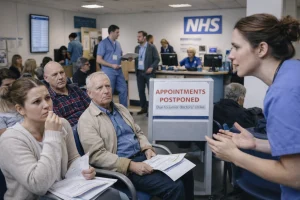
Non-urgent services are more vulnerable to disruption. These are often the first to be reduced or postponed to free up resources for critical care.
Patients may experience delays in:
- Elective surgeries
- Routine outpatient appointments
- Diagnostic procedures such as scans
- Follow-up consultations
An NHS operations coordinator shared insight into how these decisions are made:
“In previous strike periods, we had to assess which services could safely pause without immediate risk to patients. Elective care is usually the most affected, but the backlog it creates can take months to clear.”
This highlights the longer-term consequences of short-term disruptions.
What Should Patients Do During Junior Doctor Strikes?
Patients navigating the healthcare system during the junior doctor strike dates may need to adjust their expectations and plans. The NHS typically provides guidance ahead of strike periods, but individual responsibility also plays a role in managing disruptions.
Patients are generally advised to continue attending scheduled appointments unless they are contacted directly by their healthcare provider. Cancellations are usually communicated in advance, although last-minute changes can still occur.
| Patient Action | Recommended Approach |
|---|---|
| Attending Appointments | Go unless advised otherwise |
| Non Urgent Care | Use NHS 111 or local pharmacy |
| Emergencies | Visit A and E immediately |
| Updates | Check NHS website regularly |
Pharmacies can serve as an alternative for minor health concerns, offering advice and over-the-counter treatments. GP practices may also provide support, although they may experience increased demand during strike periods.
Planning ahead is particularly important for individuals with ongoing medical conditions. Ensuring prescriptions are up to date and being aware of alternative care options can help reduce stress during this time.
How Long Have Junior Doctors Been Taking Industrial Action?
The junior doctor strike dates in 2026 are part of a broader pattern of industrial action that has been ongoing since 2023. Over this period, multiple strike rounds have taken place, reflecting the persistent nature of the dispute.
One of the most notable previous strikes occurred between 17 and 22 December, when a full walkout significantly disrupted NHS services during a critical winter period. This demonstrated the scale of impact that coordinated action can have.
Despite a temporary agreement reached in September 2024, tensions resurfaced when elements of that agreement were not fully implemented. This led to the re-escalation of the dispute in April of the following year.
| Timeline Event | Date | Significance |
|---|---|---|
| Initial Industrial Action | 2023 | Start of dispute |
| Major Winter Strike | December 17 to 22 | High impact period |
| Agreement Reached | September 2024 | Temporary resolution |
| Dispute Resumed | April | Breakdown in agreement |
| Strike Mandate Extended | February 2 | Valid until August 2026 |
The extension of the strike mandate until August 2026 gives the BMA the authority to organise further industrial action if negotiations remain unresolved.
What Is the Government’s Position on Junior Doctor Pay?
The Government has maintained that its approach to junior doctor pay is designed to balance fairness with economic sustainability. While acknowledging the concerns raised by doctors, officials have emphasised the need to manage public sector spending responsibly.
The DDRB recommendation of a 3.5 percent pay increase has been presented as part of this balanced approach. However, comparisons with inflation have led to criticism from medical professionals who argue that this does not represent a real improvement in earnings.
| Factor | Government View | Criticism |
|---|---|---|
| Pay Increase | Fair and sustainable | Below inflation |
| Budget Constraints | Necessary for economy | Limits workforce retention |
| Reform Approach | Long term improvement | Slow implementation |
The Government has also focused on structural reforms, aiming to improve how pay progression works over time. These changes are intended to provide clearer career pathways and more predictable salary growth.
However, for many junior doctors, the immediate concern remains the erosion of current earnings rather than future projections.
Could There Be More NHS Strike Dates in 2026?
The possibility of additional junior doctor strike dates in 2026 remains high. With the strike mandate extended until August, the BMA retains the ability to call further action if negotiations fail to produce a satisfactory outcome.
The six day strike in April may therefore represent only one phase of a longer campaign. The outcome of ongoing discussions between the BMA and the Government will play a critical role in determining whether further strikes occur.
Healthcare analysts suggest that the situation remains fluid, with both sides under pressure to reach a resolution. However, the gap between expectations and proposals continues to present a challenge.
What Is the Wider Impact of Junior Doctor Strikes on the UK Healthcare System?
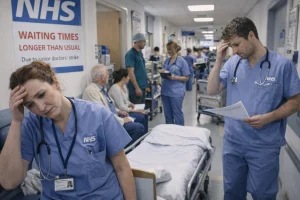
The wider impact of junior doctor strike dates extends beyond immediate service disruption. Repeated industrial action contributes to longer waiting times, increased pressure on staff, and growing concern among patients.
The NHS is already facing workforce shortages in several areas, and strike action can intensify these challenges. Delays in treatment can also have a knock on effect on patient outcomes, particularly for conditions that require timely intervention.
| Impact Area | Effect |
|---|---|
| Waiting Times | Increase due to postponed care |
| Staff Workload | Higher pressure on remaining staff |
| Patient Experience | Delays and uncertainty |
| System Efficiency | Reduced during strike periods |
Over time, these effects can accumulate, creating additional strain on an already stretched healthcare system. This is why the issue of junior doctor strike dates is not only a workforce matter but also a broader public health concern.
Quick Overview Table of Junior Doctor Strike Dates 2026
| Aspect | Details |
|---|---|
| Strike Dates | 7 April to 13 April 2026 |
| Duration | 6 days |
| Participants | Resident doctors in England |
| Main Reason | Pay dispute |
| Key Impact | NHS service disruption |
Conclusion
The junior doctor strike dates in 2026 reflect ongoing tensions between the Government and NHS workforce over pay and conditions. With a confirmed six-day walkout in April and the possibility of further action, disruption to healthcare services remains a key concern.
Patients, providers, and policymakers will need to stay informed and prepared as negotiations continue. The outcome of these disputes will play an important role in shaping the future stability and effectiveness of the UK healthcare system.
FAQs About Junior Doctor Strike Dates
Are junior doctors striking across the whole UK or just England?
The confirmed strike dates currently apply to resident doctors in England. Other UK nations may have separate arrangements or negotiations.
Will GP surgeries be affected during strike dates?
GP services are usually less directly affected, but increased demand may lead to longer waiting times.
Can patients still go to A&E during strikes?
Yes, A&E departments remain open for emergencies. Patients should only attend for serious or life-threatening conditions.
How often do junior doctor strikes happen?
Strike frequency varies depending on negotiations. Since 2023, there have been multiple periods of industrial action.
What is pay restoration for junior doctors?
Pay restoration refers to bringing salaries back in line with inflation-adjusted levels from previous years.
Will operations be cancelled during strike dates?
Yes, many non-urgent and elective procedures are likely to be postponed during strike periods.
How can patients stay updated on NHS strike information?
Patients should check NHS websites, hospital communications, and official Government updates for the latest information.