
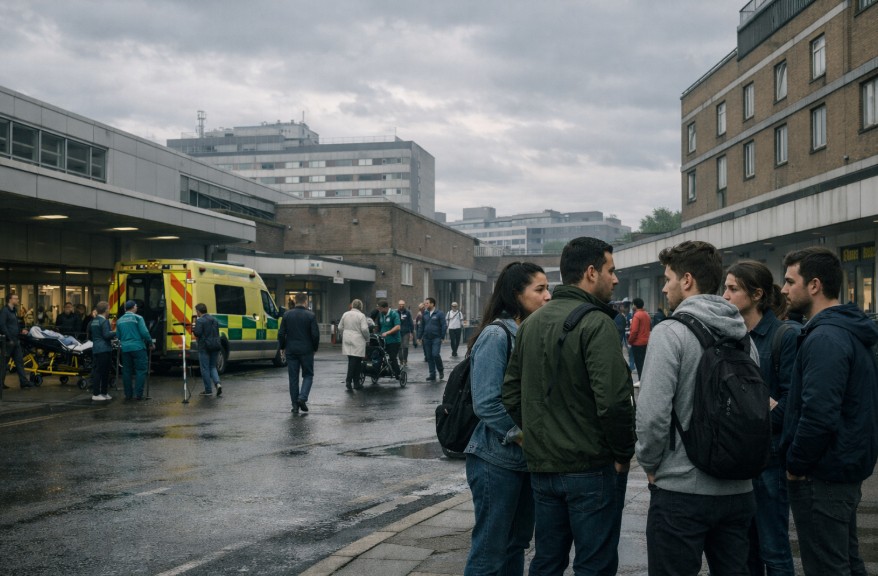
The NHS England six-day strike is taking place from 7am on Tuesday 7 April until 6:59am on Monday 13 April 2026, after resident doctors in England decided to walk out following failed talks with the government.
Although the strike is expected to disrupt some planned hospital services, the NHS says urgent care, emergency treatment, cancer services and maternity care will continue to run.
Key points you need to know:
- Tens of thousands of resident doctors are taking part in the strike.
- The dispute is mainly about pay, training opportunities and job progression.
- You should still attend NHS appointments unless you are contacted directly.
- A&E, 999, NHS 111, GP surgeries and pharmacies will remain open.
- Some routine operations, outpatient appointments and non-urgent treatments may be delayed.
- The strike is expected to be more difficult than previous walkouts because it follows the Easter bank holiday period.
- The government, the NHS and the doctors’ union all say there is still time to avoid further disruption.
Why Are Resident Doctors in England Going on Strike?
Resident doctors in England are going on strike because they believe their pay and career prospects have fallen behind over many years. The latest NHS England six-day strike began after negotiations between the government and the doctors’ union broke down at the end of March.
The doctors involved are members of the British Medical Association, which argues that resident doctors are still earning significantly less in real terms than they did in 2008 once inflation is considered. The union also says many doctors are frustrated by limited training opportunities, slow pay progression and uncertainty about future jobs in the NHS.
The dispute became worse when the government removed plans for 1,000 extra training places that had previously been discussed during negotiations. Many doctors felt that this showed the government was moving away from promises made during talks.
One resident doctor involved in the dispute said many staff feel exhausted and undervalued after years of pressure in the NHS. The union believes striking is the only remaining way to push the government back into meaningful discussions.
What Is the Dispute Between the Government and the BMA About?
The dispute between the government and the British Medical Association is mainly about three issues: pay, training opportunities and whether the government changed the terms of its offer during negotiations.
Both sides agree that resident doctors need better support, but they disagree strongly about how much should be offered and whether the government negotiated fairly. The disagreement has now led to the NHS England six-day strike.
Why Did Talks Between the Government and the BMA Break Down?
Talks broke down at the end of March after both sides accused each other of changing the deal.
The government believed it had offered a reasonable package that included:
- Faster movement through the five NHS pay bands
- Support with exam fees and other professional costs
- Around 1,000 additional training posts
- A separate 3.5% pay rise recommended by the independent pay review body
However, the BMA said important parts of that offer were weakened before the final agreement could be reached. The union argued that the promised improvements to pay progression were reduced at the last minute and no longer provided enough certainty for doctors.
The situation became even more tense when the government later removed the proposed 1,000 extra training places. Ministers said those posts were no longer financially or operationally possible.
For many doctors, this was the moment talks finally collapsed. The BMA said it no longer trusted that the government would follow through on its promises.
Dr Jack Fletcher, chair of the resident doctors committee, said the strike would still cause disruption despite NHS plans to keep services running.
He added:
“Many senior doctors will be covering for us and whilst that of course benefits patients, we know they are also exhausted and as demoralised as we are. We know the NHS says it can maintain services, but this dispute is not solved. We believe the government changed key parts of the agreement.”
The government disagrees and says it has already offered a substantial improvement. Ministers argue that continuing strike action risks making NHS waiting lists and staff pressures even worse.
What Pay Rise and Training Changes Have Been Offered?
The government says resident doctors have already received significant pay improvements over the last four years.
According to ministers, resident doctors are now due to receive:
- A 3.5% pay rise from April 2026
- Total pay increases of more than 35% over the past four years
- Faster progression through NHS salary bands
- Support with out-of-pocket costs such as exam fees
Current resident doctor salaries now begin at just under £39,000 and can rise to almost £74,000 depending on experience and training stage.
The government argues that this means doctors are considerably better off than they were several years ago. It also says that the planned changes to pay progression would allow younger doctors to move through training more quickly.
However, the BMA says those figures do not tell the full story. The union uses the Retail Prices Index measure of inflation and argues that, once rising living costs are taken into account, resident doctors are still earning around 20% less than they did in 2008.
The training issue is equally important. The government originally discussed creating 1,000 extra training places to help more doctors move into specialist roles. These places were intended to give resident doctors clearer career paths and more long-term job security.
But after the strike was announced, the government withdrew that proposal. The Department of Health and Social Care said the posts could not go ahead because of financial and operational pressures.
The BMA believes removing those training opportunities sent the wrong message to doctors who already feel uncertain about their future in the NHS.
Health Secretary Wes Streeting defended the government’s position and said:
“It is disappointing for patients and staff alike that the BMA has decided to press ahead with strikes this week, despite the deal we put to them which would have seen resident doctors 35.2% better off, on average, than they were four years ago. My attention is now on protecting patients and staff.”
The result is that both sides remain far apart. Doctors believe they have not been offered enough, while the government believes it has already gone as far as it reasonably can.
How Could the NHS England Six-Day Strike Affect Patients?
The NHS England six-day strike is likely to affect patients in different ways depending on the type of care they need. Urgent and emergency services are expected to continue, but routine and planned care may be disrupted.
Many hospitals are expected to cancel or postpone some non-urgent appointments so that senior doctors can be moved to emergency departments, wards and urgent care services.
You could notice:
- Longer waiting times in A&E
- Delays to routine operations
- Some outpatient appointments being rearranged
- Slower responses for non-urgent referrals
- Reduced availability of hospital clinics
At the same time, NHS leaders say the vast majority of essential services should remain available. During previous strikes, around 95% of planned NHS activity still went ahead.
People receiving urgent treatment, including cancer care and emergency surgery, are expected to be prioritised. Hospitals are also trying to reduce disruption for pregnant women, children and people with serious long-term conditions.
Professor Ramani Moonesinghe from NHS England said:
“The NHS is still open for business and there are still plenty of people there available to care for you. If you have a planned appointment, unless you have been specifically told it has been postponed or cancelled, you should attend. If you have an emergency or urgent condition, do exactly what you would normally do.”
Should You Still Attend NHS Appointments During the Strike?
Yes. You should still attend NHS appointments during the strike unless your hospital, GP surgery or clinic contacts you directly to cancel or rearrange them.
NHS England has repeatedly told patients not to assume their appointment is cancelled simply because of the strike. Many services will still be running, and missing an appointment unnecessarily could delay your treatment even further.
If your appointment is affected, the hospital or clinic should contact you in advance by phone, text, letter or email. If you have not heard anything, you should continue to attend as planned.
This is especially important if you have:
- A hospital scan or test
- A cancer appointment
- Maternity care
- A follow-up consultation
- Surgery that has already been scheduled
The NHS is particularly concerned that some people may avoid seeking help because they are worried about adding pressure to the system. However, NHS leaders say patients should continue to use healthcare services when they need them.
Which NHS Services Will Continue to Run During the Strike?
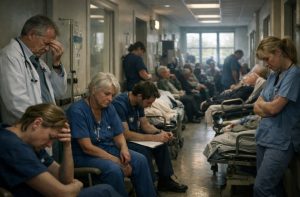
Why Is This Six-Day Strike Expected to Be More Difficult Than Previous NHS Strikes Although the NHS England six-day strike will place extra pressure on hospitals, many important services are expected to continue throughout the six-day period.
NHS England says it has used similar plans during previous strikes and believes it can continue to run most essential care safely.
Will A&E, 999 and NHS 111 Still Be Available?
Yes. Emergency and urgent care services will continue to run during the strike.
People who have a life-threatening emergency should still call 999 or go to A&E immediately. The NHS says emergency departments will remain open and staffed, although some patients may wait longer than usual because of higher demand and fewer resident doctors.
NHS 111 will also continue to operate. If you need urgent medical advice but do not think your condition is an emergency, you should use NHS 111 online first or call 111. The NHS says this can help direct people to the right service and reduce pressure on hospitals.
During the strike, the following services should still be available:
- A&E departments
- Ambulance services
- 999 emergency calls
- NHS 111 online and telephone support
- Urgent treatment centres
- Walk-in centres
The NHS is encouraging people to choose the right service for their condition. For example, minor illnesses or common infections may be treated more quickly by a GP or pharmacist instead of attending A&E.
Hospitals are also using senior doctors and other staff to cover emergency services during the strike. Although this may place additional pressure on staff, NHS leaders believe it is necessary to protect patients.
Will Cancer, Maternity and GP Services Continue?
Cancer treatment, maternity care and GP services are expected to continue during the strike wherever possible. The NHS says these services will be treated as a priority because delaying them could have a serious effect on patients.
Hospitals are trying to protect:
- Cancer surgery and chemotherapy
- Maternity appointments and births
- Urgent scans and tests
- Neonatal care
- Specialist treatment for vulnerable patients
GP surgeries are not directly involved in the strike and should remain open as normal. Local pharmacies will also continue to provide advice and treatment for minor conditions.
This means you should still be able to:
- Contact your GP surgery
- Attend routine GP appointments
- Collect prescriptions
- Speak to a pharmacist about common illnesses
However, there may still be some delays if GP practices receive more calls and appointments than usual because hospitals are under pressure.
The NHS says patients should continue to use these services normally and should not delay seeking help.
Cancer and maternity teams have already been preparing for the strike for several weeks. Hospitals may change staffing patterns, move senior doctors into key departments and postpone less urgent work in order to keep these services running.
Which NHS Services Are Most Likely to Be Delayed or Cancelled?
The NHS services most likely to be delayed during the NHS England six-day strike are routine, non-urgent and planned services.
Hospitals are expected to move staff away from these areas so they can support emergency care and urgent treatment. As a result, some people may find their appointments are postponed at short notice.
Services most at risk include:
- Planned operations that are not urgent
- Routine outpatient appointments
- Hospital follow-up clinics
- Non-urgent scans and diagnostic tests
- Elective surgery
- Some specialist referrals
For example, if you were due to have a routine knee operation or a follow-up hospital appointment, there is a higher chance it could be rearranged.
Patients may also experience:
- Longer waits for telephone calls from hospitals
- Delays in receiving appointment letters
- Fewer available clinic slots
- Longer waiting lists after the strike ends
The NHS says trusts will contact affected patients directly if there are any changes. However, because the strike follows a bank holiday period, some hospitals may have less time than usual to reorganise appointments.
Urgent treatment is still expected to be prioritised. That means services linked to emergencies, serious illness, pregnancy or cancer are much less likely to be cancelled.
Why Is This Six-Day Strike Expected to Be More Difficult Than Previous NHS Strikes?
The NHS says this strike is likely to be harder to manage than earlier resident doctor walkouts because of both its timing and its length.
The strike lasts six full days, making it one of the longest periods of industrial action in the current dispute. It also begins immediately after the Easter bank holiday weekend, when hospitals are often already under pressure.
Several factors make this strike especially difficult:
- It comes after a long holiday weekend
- Hospitals had less notice than during previous strikes
- More patients may already be waiting for treatment
- Staff are already dealing with seasonal pressures
Because of the Easter period, hospitals are likely to begin the strike with higher numbers of patients already waiting in A&E and on wards. At the same time, many NHS staff may already be tired after working through the bank holiday.
The six-day length also means hospitals must maintain emergency cover for almost an entire week. Senior doctors are expected to cover for resident doctors, but the BMA says this could place additional strain on already overstretched teams.
The NHS has said it can still protect the majority of services, but leaders admit the pressure will be significant. Some hospitals may need to cancel more routine care than during previous strikes simply to keep urgent departments running safely.
What Have NHS England, the Government and the British Medical Association Said?
NHS England says patients should continue to seek care and attend appointments unless they are told otherwise. NHS leaders believe they can continue to deliver most services safely despite the strike.
The government says it is disappointed that strike action is continuing after several pay and training proposals were made. Ministers argue that resident doctors have already received significant pay increases and that further disruption is unfair on patients.
Meanwhile, the British Medical Association says doctors had no choice but to strike because talks no longer offered enough progress on pay and jobs.
The BMA also believes the government changed important parts of the original offer and removed promised training opportunities. The union says many doctors feel overworked, undervalued and uncertain about their future.
Although both sides are still publicly saying further talks are possible, the relationship between them appears to be worsening. At the moment, there is no clear sign that the current NHS England six-day strike will end early.
Could More NHS Strike Action Happen Later in 2026?
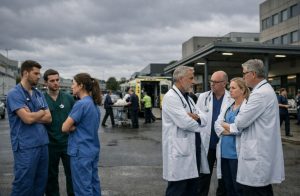
Yes. There is a growing possibility that further NHS strike action could happen later in 2026 if the current dispute is not resolved. The current NHS England six-day strike only involves resident doctors. However, the dispute could widen if other groups of doctors also decide to take industrial action.
The BMA has already announced new plans that could increase pressure on the government and the NHS in the coming months.
Why Is the BMA Balloting Senior Doctors?
The BMA has confirmed that it plans to hold a ballot of senior doctors in England, including consultants and specialty doctors.
The formal ballot is expected to run from 11 May until 6 July 2026. During that time, senior doctors will be asked whether they are willing to take strike action as well.
The BMA says it is considering this because many consultants share the same concerns as resident doctors, including:
- Pressure on NHS services
- Falling pay in real terms
- Lack of trust in the government
- Concerns about staffing and workload
The union believes the government has failed to address wider problems affecting doctors across the NHS. As a result, some senior doctors may decide that they also need to take action.
The announcement of a future ballot is also being seen as a warning to ministers. The BMA appears to be signalling that the current dispute could become much bigger unless new talks take place.
For the government, this creates extra pressure to find a solution before the situation escalates further.
What Could Happen if Consultants Also Go on Strike?
If consultants and specialty doctors also go on strike later in 2026, the disruption could be much greater than the current NHS England six-day strike.
At the moment, hospitals are able to keep many services running because senior doctors are covering for resident doctors. If those same senior doctors also went on strike, there would be far fewer staff available to maintain emergency departments, wards and specialist services.
Possible consequences could include:
- Larger numbers of cancelled operations
- Longer A&E waiting times
- Greater disruption to cancer and maternity services
- More pressure on ambulance services
- Significant delays across hospitals
NHS leaders have warned privately that there is no easy way to replace both resident doctors and consultants at the same time. Some hospitals could struggle to provide even reduced levels of routine care.
This is why the possibility of further strike action is worrying many NHS managers. The current dispute is already difficult, but a wider strike involving more doctors could create even bigger challenges later in the year.
For now, no further strikes have been confirmed beyond the current six-day action. However, unless the government and the BMA return to successful talks, the possibility of more disruption remains.
What Should You Do if You Need Medical Help During the NHS England Six-Day Strike?
If you need medical help during the NHS England six-day strike, the most important thing is not to delay seeking treatment.
The NHS says patients should continue to use services in the normal way. Waiting because you think the NHS is closed could make your condition worse.
You should:
- Attend any appointment unless you are told not to
- Call 999 for a life-threatening emergency
- Go to A&E if you need urgent emergency treatment
- Use NHS 111 online first for urgent but non-emergency problems
- Contact your GP surgery for routine medical concerns
- Visit a pharmacy for minor illnesses and advice
For example, if you have chest pain, difficulty breathing or signs of a stroke, you should still call 999 immediately. If you have a less urgent problem such as an infection, rash or worsening illness, NHS 111 or your GP may be the best first option.
You should also keep checking messages from your hospital or clinic in case any appointment changes are announced.
Although the NHS England six-day strike may cause delays, the NHS remains open and urgent care is still available.
FAQs
Is the NHS England six-day strike the same as a junior doctors’ strike?
Yes. Resident doctors were previously called junior doctors, so this strike involves the same group of NHS staff.
How long will the NHS England six-day strike last?
The strike runs for six days, starting at 7am on 7 April 2026 and ending at 6:59am on 13 April 2026. It is one of the longest periods of strike action in the current dispute.
Will my GP appointment be cancelled because of the strike?
Most GP appointments should still go ahead because GP surgeries are not part of the strike. You should attend unless your surgery contacts you directly.
Can I still go to hospital if I am pregnant?
Yes. Maternity services are being treated as a priority during the NHS England six-day strike. You should still attend scans, appointments and labour wards as normal unless you are told otherwise.
Will prescriptions and pharmacies still be available?
Yes. Local pharmacies are expected to remain open and can still provide prescriptions, medicines and advice for minor illnesses.
Could the strike make NHS waiting lists even longer?
Yes. Some routine operations and non-urgent appointments may be postponed, which could add to existing waiting times. Emergency and urgent treatment should still be prioritised.
Are hospitals closing during the NHS England six-day strike?
No. Hospitals are staying open during the strike, although some departments may be busier than usual. Emergency care, urgent treatment and many planned services will still continue.