

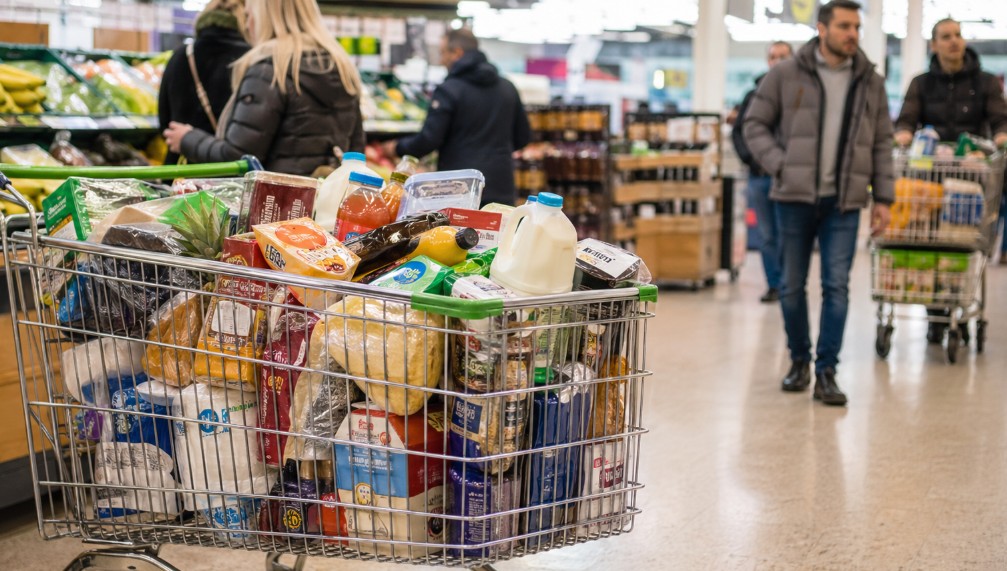
The short answer is yes, Asda has recently been identified as the cheapest supermarket for branded goods in the UK, particularly when compared with rivals offering loyalty-based pricing.
Independent analysis shows that Asda’s straightforward pricing model often beats even discounted member prices at competitors. For shoppers who regularly buy branded items like Heinz or Nescafé, this can lead to noticeable savings without needing a loyalty card.
Key takeaways:
- Asda consistently offers lower prices on branded groceries
- Loyalty schemes at competitors don’t always guarantee savings
- Price gaps can be significant without membership cards
- Some exceptions exist where other supermarkets are cheaper
- Smart shopping strategies can further reduce costs
Why Has Asda Been Named the Cheapest Supermarket for Branded Goods?
Asda has earned this recognition largely due to its consistent pricing strategy on widely recognised brands. Unlike competitors that rely heavily on loyalty schemes, Asda offers competitive prices that are accessible to all shoppers without requiring sign-ups or memberships.
Recent analysis of over 200 branded grocery items revealed that Asda’s total basket cost remained lower than major competitors. This included everyday essentials such as coffee, cooking oil, and packaged snacks. The key factor is transparency, customers know the price they see is the price they pay.
Another important aspect is how Asda manages supplier relationships and promotions. Rather than offering selective discounts tied to loyalty programmes, it spreads savings more evenly across its product range. This approach appeals to shoppers who prefer simplicity and predictability in their weekly shop.
As a result, Asda stands out as a reliable option for those prioritising branded goods without the complexity of fluctuating prices or conditional discounts.
How Does Asda Compare to Tesco, Sainsbury’s, and Morrisons on Branded Prices?

Asda is often compared directly with Tesco, Sainsbury’s, and Morrisons because these retailers dominate the UK grocery market. The comparison highlights how pricing strategies differ significantly, especially for branded goods.
Is Asda Cheaper Than Tesco Even With Clubcard Prices?
In many cases, Asda still comes out slightly cheaper than Tesco, even when Tesco’s Clubcard discounts are applied. This is because Tesco’s base prices are often higher, and discounts only apply selectively.
- Tesco Clubcard deals can reduce prices, but not across the full basket
- Non-members often face significantly higher costs
- Asda maintains consistently lower pricing across most branded items
For example, a full basket comparison showed Tesco’s discounted total still marginally exceeded Asda’s overall cost.
How Does Sainsbury’s Nectar Pricing Compare to Asda?
Sainsbury’s uses Nectar pricing to attract shoppers, but its effectiveness varies depending on the product mix.
- Nectar prices can offer targeted savings
- Without a Nectar card, prices are considerably higher
- Even with discounts, total basket costs often exceed Asda
This creates a situation where savings depend heavily on participation in the loyalty programme rather than everyday affordability.
Are Morrisons Prices Higher Even With Loyalty Discounts?
Morrisons generally falls behind in price comparisons, even when its loyalty scheme is used.
- Prices remain higher on average compared to Asda
- Loyalty discounts are less aggressive than competitors
- Overall basket costs tend to be noticeably higher
Price Comparison Snapshot
| Supermarket | With Loyalty Card | Without Loyalty Card |
|---|---|---|
| Asda | £813 (approx.) | Same pricing |
| Tesco | £824 (approx.) | £911 (approx.) |
| Sainsbury’s | £849 (approx.) | £933 (approx.) |
| Morrisons | £857 (approx.) | £860 (approx.) |
This comparison highlights how Asda’s consistent pricing model often delivers better value overall.
What Does the Which? Price Analysis Reveal About Branded Grocery Costs?
Independent analysis by Which? provides valuable insight into supermarket pricing trends. The study examined a large basket of branded goods to ensure a realistic comparison across retailers.
The findings confirm that Asda remains the cheapest option for branded groceries for consecutive months. More importantly, the research highlights how pricing varies depending on whether shoppers use loyalty schemes.
Key observations include:
- Shoppers without loyalty cards pay significantly more at some supermarkets
- Price differences across retailers can reach double for identical items
- Some premium supermarkets occasionally offer better deals on specific products
A retail expert involved in the analysis explained the situation clearly:
“Our latest analysis shows Asda beats the UK’s biggest loyalty schemes to be the cheapest for branded goods for the second month running. Meanwhile, shoppers without a membership at Tesco or Sainsbury’s are being charged up to 15% more than the cheaper option.”
This highlights a broader issue, pricing is not always straightforward, and consumers may unknowingly pay more depending on where and how they shop.
Why Do Loyalty Schemes Sometimes Make Shopping More Expensive?

Loyalty schemes from Tesco and Sainsbury’s are designed to reward repeat customers, but they can also create pricing inconsistencies. While these programmes offer discounts, they may also inflate standard prices, making non-members pay significantly more.
What Happens to Prices Without Clubcard or Nectar Membership?
Without a loyalty card, shoppers often face noticeably higher prices across many branded goods.
- Standard prices can be 10–15% higher
- Some items show extreme price differences
- Non-members may end up paying more than at premium supermarkets
This creates a divide between members and non-members, affecting affordability.
Are Loyalty Discounts Really Saving Money or Creating Price Gaps?
While loyalty discounts appear beneficial, they can sometimes mask higher base prices.
- Discounts are applied selectively rather than universally
- Shoppers may feel encouraged to buy more than planned
- Savings depend on matching purchases with available offers
Another retail voice described the situation:
“If you’re loyal to specific brands, the current market is a bit of a lottery. You could easily end up paying double for the exact same jar of coffee or bag of rice depending on where you shop.”
This reinforces the idea that loyalty pricing can introduce unpredictability rather than clarity.
How Big Can the Price Differences Be for the Same Product?
Price differences can be substantial, even for identical items.
- Some products show over 100% price variation
- Discounts can drastically reduce prices for members
- Non-members often face the highest costs
A shopper shared their experience:
“While membership cards offer targeted discounts, Asda’s straightforward pricing is proving more reliable for fans of big brands. It helps keep grocery bills under control without the need for a card. Many people just want simple pricing that doesn’t change depending on membership.”
This highlights why many consumers prefer consistent pricing over conditional discounts.
Which Branded Products Show the Biggest Price Differences Across Supermarkets?
Price variations are most noticeable in everyday branded items that shoppers buy regularly. These differences highlight how supermarket strategies impact overall spending.
| Product | Cheapest Supermarket | Most Expensive Supermarket | Difference |
|---|---|---|---|
| Nescafé Coffee | Tesco (with Clubcard) | Tesco (without) | 100%+ |
| Tilda Basmati Rice | Tesco | Waitrose | 115% |
| Filippo Berio Olive Oil | Asda | Waitrose | 71% |
| Twinings Tea Bags | Waitrose | Morrisons | 75% |
| Vimto Squash | Waitrose | Sainsbury’s | 65% |
These examples show that:
- Prices can vary dramatically for identical products
- Loyalty pricing often creates extreme differences
- No single supermarket is cheapest for every item
This reinforces the importance of comparing prices rather than relying on assumptions.
Is Waitrose Ever Cheaper Than Other Supermarkets for Branded Goods?
Waitrose is often perceived as expensive, but data shows it can occasionally offer the lowest prices on selected branded items.
While its overall basket cost is usually higher, certain products, such as tea or drinks, may be cheaper than at competitors. This is often due to targeted promotions or supplier agreements.
Key insights include:
- Waitrose can outperform others on specific branded goods
- Promotions can temporarily lower prices significantly
- It is not consistently the cheapest across full baskets
However, these savings are typically limited to individual products rather than entire shopping trips. For most shoppers focused on overall value, supermarkets like Asda still offer better consistency.
What Should UK Shoppers Know About Branded vs Own-Brand Pricing in 2026?
In 2026, the gap between branded and own-brand products continues to influence shopping habits. Branded goods remain popular for their familiarity and perceived quality, but they are often more expensive.
Supermarkets use branded products to attract customers while promoting own-brand alternatives for better margins. This creates a balance between value and preference.
For shoppers, the key is understanding when branded goods offer genuine value and when alternatives may be sufficient. Rising grocery costs also mean more households are mixing branded and own-brand items to manage budgets effectively.
Ultimately, branded pricing is no longer just about the product, it reflects broader supermarket strategies and consumer demand.
What Is the Best Way to Save Money on Branded Groceries in the UK?
Saving money on branded groceries requires a combination of awareness and strategy. While Asda offers consistent value, shoppers can still reduce costs further by being selective.
Effective approaches include:
- Comparing prices across multiple supermarkets
- Taking advantage of promotions without overbuying
- Mixing branded and own-brand products
- Avoiding reliance on loyalty schemes alone
Planning ahead and understanding pricing patterns can make a noticeable difference over time. Even small savings per item can add up significantly across a monthly shop.
For many households, the goal is not just finding the cheapest supermarket, but creating a balanced approach that delivers both value and convenience.
Conclusion
Asda has established itself as the cheapest supermarket for branded goods in the UK by offering consistent, transparent pricing without relying heavily on loyalty schemes.
While competitors provide discounts through membership programmes, these often come with higher base prices and less predictable savings.
The broader takeaway is that supermarket pricing is increasingly complex, with significant differences depending on shopping habits and access to discounts.
Although no single retailer is cheapest for every product, Asda’s approach provides reliable value for full baskets of branded goods.
For UK shoppers, the most effective strategy is to stay informed, compare prices regularly, and avoid assumptions about where the best deals are.
FAQs
What makes Asda the cheapest supermarket for branded goods in the UK?
Asda offers consistent pricing on branded products without requiring loyalty cards. This allows shoppers to access lower prices across a full basket rather than relying on selective discounts.
Are loyalty cards necessary to get the best supermarket deals?
Loyalty cards from supermarkets like Tesco and Sainsbury’s can provide discounts, but they are not always essential. Some supermarkets offer competitive pricing without requiring membership.
Why do prices vary so much between supermarkets for the same product?
Price differences are often due to promotional strategies, supplier agreements, and loyalty pricing models. This means identical products can have significantly different prices depending on where they are sold.
Is it cheaper to buy branded or own-brand products in the UK?
Own-brand products are generally cheaper than branded goods and can help reduce overall grocery spending. However, some shoppers still prefer branded items for consistency and quality.
Can Waitrose ever be cheaper than other supermarkets?
Waitrose can occasionally offer lower prices on specific branded items due to promotions. However, it is usually not the cheapest option for a full grocery shop.
How can shoppers reduce their grocery bills without switching supermarkets?
Shoppers can save money by comparing prices, choosing promotions carefully, and mixing branded with own-brand products. Planning purchases and avoiding impulse buying also helps control spending.
Do supermarket price comparisons reflect real shopping habits?
Price comparisons are based on selected baskets of goods and may not represent every shopper’s experience. However, they provide a useful benchmark for understanding general pricing trends across supermarkets.