

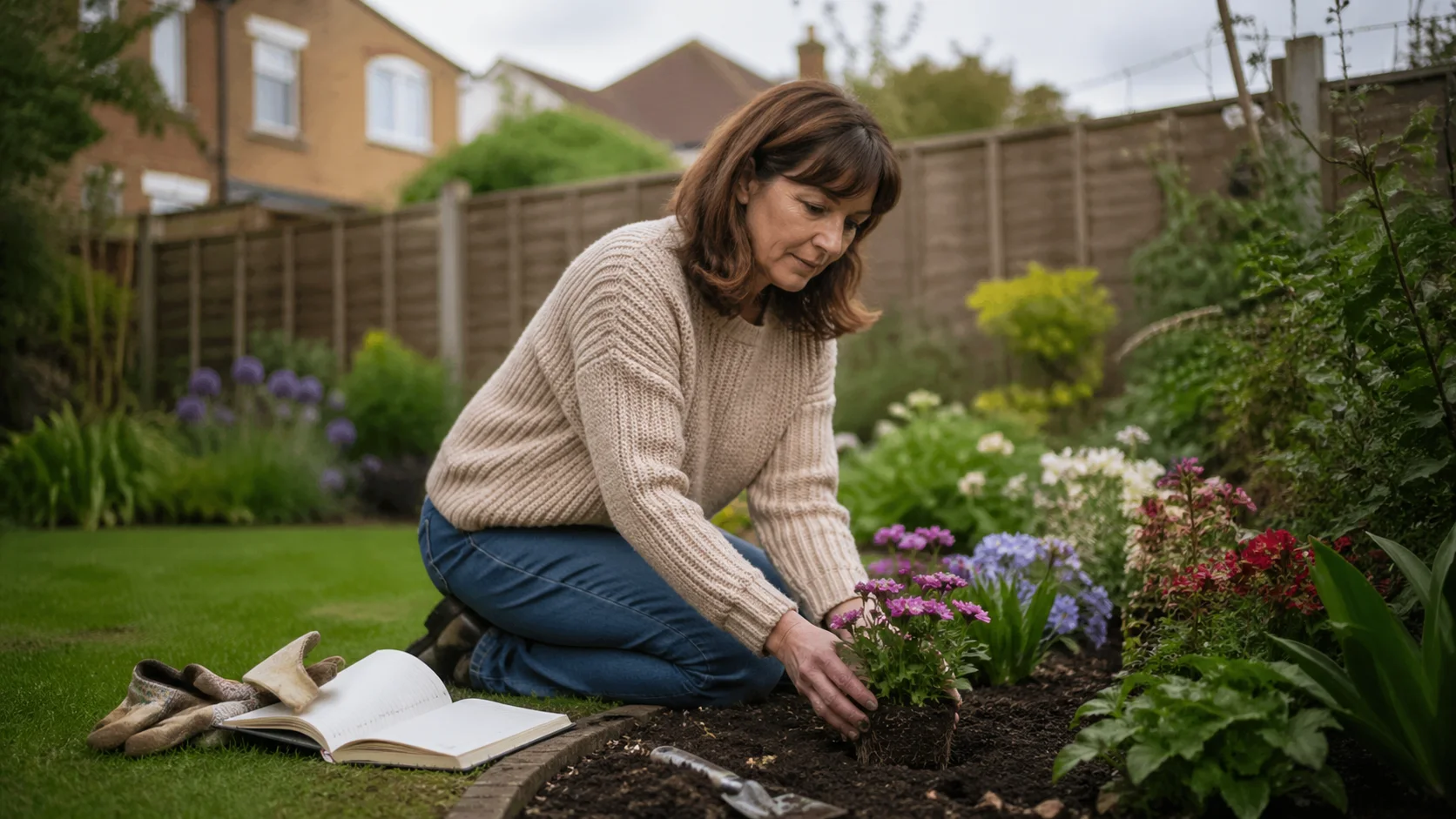
It might seem odd that digging around in the soil has become a talking point in health and wellbeing circles. But here we are.
Over the past few years, gardening has quietly shifted from something your grandparents did on a Sunday afternoon into something that genuinely gets cited when people talk about looking after their mental health.
For a lot of people, it starts simply, a few summer bedding plants on the patio, a bit of colour, something to tend to. And somehow, that small act opens a door.
Why Gardening Is Becoming a Key Part of Modern Wellness?

The Wellness World Has Been Growing Too
Wellness isn’t a new concept, but it’s taken on a different shape in recent years. There’s been a real shift, in workplaces, in public health conversations, in how people spend their free time, away from simply treating problems and towards trying to prevent them in the first place.
People are more aware of stress, more willing to talk about it, and more actively looking for ways to manage it before it becomes something bigger.
That’s created space for all sorts of activities to be looked at differently. Gardening is one of them. It’s physical without being punishing. It gets you outside. It gives your day a bit of structure. None of that is revolutionary, but it adds up.
What Gardening Actually Does for Your Head?
There’s something about working with plants that encourages you to slow down, and not in a forced or contrived way. When you’re sowing seeds or checking on something you planted last week, your attention narrows. You’re not thinking about your inbox. You’re just doing the thing in front of you.
That kind of focus, unhurried, purposeful, slightly repetitive, is genuinely useful for managing stress. It’s the opposite of the fragmented, always-on experience that a lot of people are trying to escape.
And unlike meditation or breathwork, which don’t suit everyone, gardening gives you something tangible to show for your time. A plant that wasn’t there before. Progress you can see.
It’s also worth saying that you don’t need a sprawling garden to get any of this. A window box works. A few pots on a balcony works. The scale doesn’t really matter as much as the act itself.
Employers Are Starting to Take Notice

Some workplaces have begun weaving gardening into how they think about employee wellbeing, and it’s not as niche as it sounds.
Shared outdoor spaces, planting projects, a raised bed somewhere on site, these things give people a reason to step away from their desks, have an informal conversation, and do something with their hands.
It’s low-key, which is partly why it works. Nobody feels put on the spot. There’s no performance involved. You just show up, do a bit of weeding, and head back in feeling slightly more human.
Companies that have tried this sort of thing tend to find it improves morale in a quiet, sustainable way rather than the short-lived buzz of a team-building day out.
Even indoors, something as simple as bringing plants into a shared workspace can make a difference. It’s a small thing, but small things have a habit of mattering more than we expect.
Urban Life and the Need for Something Green
Living in a city makes it easy to go days without any meaningful contact with nature. Everything is paved, lit, and loud. That’s convenient in a lot of ways, but it takes a toll after a while, and many people don’t quite realise what’s missing until they get a taste of something different.
Urban gardening has grown out of that need. Balconies, rooftop plots, community allotments, people are finding creative ways to bring a bit of green into their lives without leaving the city.
For a lot of urban dwellers, growing something themselves, even just a pot of herbs on the kitchen windowsill, provides a kind of grounding that’s genuinely hard to replicate elsewhere.
Community gardens have been particularly valuable here. They’re not just about the growing, they bring people together, reduce isolation, and create shared spaces that feel a world away from the surrounding streets.
You Don’t Need to Know What You’re Doing
This is maybe the most important thing about gardening as a wellbeing activity: the bar to entry is very low. You don’t need training, expensive kit, or a particular level of fitness.
You can start with almost nothing and learn as you go. Most gardeners will tell you they still learn as they go, no matter how long they’ve been at it.
That accessibility means it works for a wide range of people. Young or old, experienced or completely new to it, with a garden or without one, there’s a version of gardening that fits most circumstances.
And because plants grow on their own schedule, there’s a built-in patience to the whole thing. You plant something, you wait, you watch. Each small sign of progress, a shoot, a bud, a flower, feels disproportionately satisfying.
That cycle of effort and reward is part of why people stick with it.
The Sustainability Angle
Gardening also sits comfortably alongside growing concerns about the environment, and that’s not a coincidence. People who garden tend to become more attuned to the natural world, the seasons, the soil, which plants support pollinators and which don’t. It nudges you towards thinking about your immediate environment in a more conscious way.
Planting things that support bees and other insects is a small act, but it connects personal choice to something larger. That sense of contributing to something beyond yourself is, it turns out, quite good for your wellbeing too.
Where This is All Heading?
Gardening isn’t going to solve everything, and nobody serious is claiming it will. But as people continue looking for practical, affordable ways to feel better, activities that are simple, flexible, and grounded in the physical world are going to keep resonating.
More time at home, greater awareness of mental health, a hunger for things that feel real and unhurried, all of these point in the same direction. Gardening meets people where they are. It doesn’t demand much, and it tends to give back more than you expect.
To Sum Up
The fact that gardening is now part of serious conversations about health and wellbeing isn’t really surprising when you think about it.
It’s always offered what people need most when life gets overwhelming: something slow, something tangible, something that connects you to the world outside your own head.
It doesn’t need to be complicated. Start small, see what happens, and go from there. That’s pretty much always been the point.