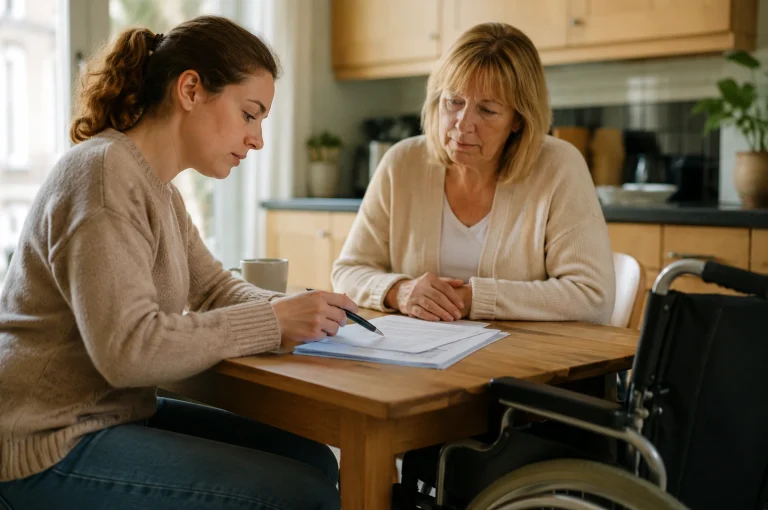


PIP assessment trick questions are not official “trick questions” used by the DWP. The phrase is commonly used by claimants because some everyday questions can feel casual but may still help an assessor understand how a health condition affects daily living and mobility.
A claimant may be asked about cooking, shopping, travelling, hobbies, pets, work, socialising, driving or using a phone. These questions can be relevant because Personal Independence Payment is based on how a condition affects practical function, not only on diagnosis.
The safest approach is to answer honestly, explain what happens most of the time, and describe whether activities can be done safely, repeatedly, to an acceptable standard and within a reasonable time.
Key Takeaways:
| Key Point | What It Means |
|---|---|
| No official "trick questions" | Everyday questions help assess consistency. |
| PIP is based on function | It looks at daily living and mobility difficulties. |
| Avoid one-word answers | Explain how your condition affects you. |
| Reliability matters | Describe safety, repetition, time and after-effects. |
| Good and bad days | Answer based on what happens most of the time. |
| Observations count | Assessors may note how you move, speak or sit. |
| Evidence helps | Medical records and supporting statements strengthen your claim. |
What Are PIP Assessment Trick Questions?

PIP assessment trick questions are questions that may sound casual but could still be used to understand whether a claimant’s answers match their daily life.
They are not usually “tricks” in the formal sense, but they can catch people off guard when they answer too briefly or only describe a good day.
Personal Independence Payment helps with extra living costs where someone has a long-term physical or mental health condition or disability and difficulty doing everyday tasks or getting around.
GOV.UK explains the benefit under its official PIP guidance, including the daily living and mobility parts.
The key point is that PIP is not awarded simply because a person has a condition. It is awarded based on how that condition affects activities such as preparing food, washing, dressing, communicating, managing treatment, budgeting, planning journeys and moving around.
For example, saying “I can cook” may not explain that the claimant only prepares basic meals, uses aids, needs supervision, forgets steps, risks burns or cannot cook again later because of fatigue.
Why Do Claimants Worry About PIP Assessment Trick Questions?
Claimants worry because some questions can feel indirect. An assessor may ask about pets, hobbies, travel, shopping or what the claimant does during a normal day. These questions may sound like general conversation, but they can connect to PIP activities.
For example, a question about getting to the assessment may relate to mobility, planning journeys, anxiety, public transport, walking distance, help from another person and recovery time.
Citizens Advice gives practical guidance on preparing for a PIP assessment, including what claimants should think about before the appointment.
The problem is not the question itself. The problem is when a claimant gives an answer that sounds simple but misses important details.
Which PIP Assessment Questions Can Catch Claimants Off Guard?

Some questions are common because they help build a picture of daily living and mobility. Claimants should not memorise scripted answers, but they should be ready to explain the full context.
PIP Assessment Questions:
| Possible question | What it may be checking | What a clear answer should include |
|---|---|---|
| How did you get here today? | Mobility, planning journeys, anxiety and support | Transport used, help needed, walking distance, distress and recovery |
| Do you cook for yourself? | Preparing food safely | Aids, supervision, risk, simple meals, fatigue and frequency |
| Do you go shopping? | Mobility, social engagement and budgeting | Online shopping, support, short trips, avoidance or after-effects |
| Do you have pets? | Routine, bending, memory and mobility | Which tasks are done by others and what support is needed |
| Do you use a phone or computer? | Reading, communication and concentration | Breaks, prompting, confusion, fatigue or accessibility tools |
| Do you drive? | Planning, concentration, grip and sitting | Short routes, adaptations, medication effects, panic or pain |
| What do you do on a normal day? | Overall daily function | Average day, support, rest periods, symptoms and limits |
A good answer explains what usually happens, not what the claimant can do once on a better day.
How Should Claimants Answer PIP Assessment Questions?
Clear answers are important because a PIP assessment is not only about whether someone can do an activity. It is also about how they do it, how often they struggle, whether they need help and what happens afterwards.
Explain What Happens Most of the Time?
Claimants should describe their usual difficulties, not just what happens on a good day. If a condition changes from day to day, they should explain how often the problem happens and how it affects daily living or mobility across a normal week.
For example, instead of saying, “I can cook,” a clearer answer would be:
“I can sometimes prepare a basic meal, but only when seated, and I often need reminders because my concentration is poor.”
Mention Help, Aids and Supervision
If a claimant needs help from another person, this should be explained clearly. Help may include physical assistance, prompting, supervision, reassurance, reminders or someone taking over the task completely.
Aids should also be mentioned. This may include a walking stick, shower stool, grab rail, adapted cutlery, reminder alarms, dosette box or mobility equipment.
Include Pain, Fatigue, Risk and Recovery Time
Many claimants understate what happens after an activity. If cooking, washing, dressing, walking or travelling causes pain, fatigue, panic, breathlessness or long recovery time, that should be included in the answer.
A strong answer explains the full impact:
“I can walk a short distance, but I need to stop often, I use a stick, I am in pain while walking and I usually need to rest afterwards.”
Avoid One-Word Answers
Short answers such as “yes”, “no” or “I manage” can be misleading. They may not show the difficulty, risk, help needed or after-effects.
A better approach is to answer directly and then add practical detail. The claimant should explain whether the task can be done safely, repeatedly, to an acceptable standard and within a reasonable time.
Why Is the Reliability Test Important in a PIP Assessment?

One of the most important parts of a PIP assessment is whether the claimant can complete activities reliably. Someone may technically complete a task once, but that does not always mean they can do it safely or repeatedly.
The DWP assessment criteria are explained in the PIP assessment criteria, which are built around activities and descriptors.
| Reliability point | What it means |
|---|---|
| Safely | Without causing harm, injury, panic, falls or serious mistakes |
| To an acceptable standard | Properly enough for the task to count |
| Repeatedly | As often as reasonably required |
| Within a reasonable time | Not taking much longer than someone without the condition |
This is where many “PIP assessment trick questions” become important. A claimant may be able to walk a short distance once, but not repeatedly. They may be able to wash, but only with supervision. They may be able to travel, but only with severe psychological distress.
The answer should explain the difference between “can do once” and “can do reliably”.
How Should Claimants Explain Good Days and Bad Days?
Many claimants have fluctuating conditions. Pain, fatigue, breathlessness, seizures, dizziness, anxiety, depression or cognitive difficulties may change from day to day.
A weak answer is: “Some days are fine and some are bad.”
A stronger answer is:
“On around four or five days a week, I struggle to wash and dress without help because of pain and fatigue. On better days, I can do more, but I still need rests and it takes much longer than it used to.”
Claimants should explain how often bad days happen, what a bad day looks like, what help is needed and whether better days still involve pain, risk, prompting or recovery time.
This matters because PIP is usually assessed by looking at how the condition affects the person over time, not only on one isolated day.
What Should Claimants Avoid During a PIP Assessment?

Claimants should avoid vague phrases that hide the real difficulty. Many people naturally say “I’m fine” or “I manage” because they are used to coping, but this can create an incomplete picture.
Claimants should avoid:
- Giving one-word answers: “Yes” or “no” rarely explains the full impact.
- Describing only a good day: This can make the condition sound less limiting than it usually is.
- Saying “I manage” without detail: It does not explain pain, risk, support or recovery.
- Leaving out help from others: Prompting, supervision and physical help can be important.
- Forgetting after-effects: Fatigue, pain or distress after a task may be relevant.
- Trying to sound polite or brave: The assessment needs the real picture, not the most optimistic version.
For example, instead of saying “I go shopping”, a claimant could explain:
“I only go with my sister, avoid busy times, use a trolley for support and usually need to rest for the rest of the afternoon.”
Can Informal Observations Affect a PIP Assessment?
Yes, informal observations may be included in the assessment report. This can include how the claimant walks, sits, speaks, remembers information, handles documents, interacts with the assessor or copes during the appointment.
This does not mean claimants should perform symptoms or act differently. They should be natural and explain what is happening if they are struggling.
For example, if a claimant sits through the assessment but is in pain, they should say so. If they walked into the room but only from a short distance, used painkillers or needed rest afterwards, they should explain that too.
Informal observations can be misunderstood if the claimant does not give context. A person may look calm but be experiencing severe anxiety. A person may answer questions clearly for a short time but become exhausted later.
What Evidence Helps with PIP Assessment Questions?
Evidence should support how the condition affects daily living and mobility. A diagnosis alone may not be enough if it does not explain practical impact.
Claimants can also use Citizens Advice guidance on filling in the PIP claim form to describe difficulties more clearly before the assessment.
| Evidence type | What it can show |
|---|---|
| GP or consultant letters | Diagnosis, symptoms, treatment and limitations |
| Prescription list | Medication, dosage and side effects |
| Occupational therapy report | Aids, adaptations and home difficulties |
| Care plan | Help needed with daily tasks |
| Mental health notes | Anxiety, panic, risk or social difficulty |
| Symptom diary | Frequency, bad days, falls, fatigue and after-effects |
| Carer or family statement | Real support given day to day |
The evidence should match the activity. If the issue is cooking, the evidence should explain cooking risks, grip problems, fatigue, prompting or supervision, not just the name of the medical condition.
Do Telephone, Video and Face-to-Face PIP Assessments Ask Different Questions?
The core activities are the same, but the format can change how the assessment feels. In a telephone assessment, the claimant may need to explain visible symptoms because the assessor cannot see them.
In a video assessment, visible aids or movement may be noticed, but the claimant should still explain pain, fatigue and support needs.
In a face-to-face assessment, travel, waiting time, walking distance and sitting tolerance may be discussed. In a home assessment, the assessor may see adaptations, aids or the claimant’s living environment.
The official PIP assessment process explains that assessments may be paper-based, telephone, video or face to face depending on the case and available evidence.
A claimant can usually have someone with them for support. That person may help explain difficulties, take notes or remind the claimant of details they forget.
What If the PIP Assessment Report Is Wrong?
If the decision seems wrong, the claimant can challenge it. The first stage is usually mandatory reconsideration, where the DWP looks at the decision again.
Claimants should:
- Read the decision letter carefully: Check which activities and points were accepted or refused.
- Compare the report with real daily life: Look for missing details or statements that do not match what was said.
- Use specific examples: Explain what actually happens when cooking, washing, dressing, travelling or walking.
- Send extra evidence where possible: This may include diaries, medical evidence or carer statements.
- Keep within the deadline: GOV.UK explains the mandatory reconsideration process, including the usual one-month time limit.
- Consider appeal if needed: If the claimant still disagrees, they may be able to appeal a benefit decision to an independent tribunal.
It is usually stronger to challenge a decision with clear examples and evidence rather than only saying the report is unfair.
Scotland, Northern Ireland and 2026 PIP Review Notes

This article mainly refers to PIP in England and Wales. In Scotland, new claims are made through Adult Disability Payment rather than PIP.
Social Security Scotland explains Adult Disability Payment as support for people with a disability or long-term health condition that affects everyday life.
Northern Ireland has its own benefits administration, so claimants should check local guidance if they live there.
There is also wider public discussion about welfare reform and PIP in 2026. Claimants should rely on the rules that apply at the time of their claim, because proposed changes and public debate do not always mean the current assessment rules have changed.
Practical PIP Assessment Answer Formula
A simple formula can help claimants answer more clearly:
Task + difficulty + frequency + help + risk + after-effect
For example:
“I can shower, but only with a shower stool and grab rail. On most days, I need my partner nearby because I feel dizzy and I have fallen before. It takes around 40 minutes and I need to rest afterwards because of pain and fatigue.”
This answer is stronger than “I can shower” because it explains the real-life impact of the task.
Final Thoughts
PIP assessment trick questions are best understood as indirect questions about daily living and mobility. They are not official traps, but they can affect how a claimant’s functional ability is understood.
The strongest preparation is honest, specific and consistent. Claimants should explain what happens most of the time, how safely they can complete tasks, whether they need help, how long activities take and what happens afterwards.
For UK readers, the key message is simple: do not answer based only on pride, habit or a good day. Explain the real impact of the condition in ordinary daily life.
FAQs
Are PIP assessment trick questions real?
PIP assessment trick questions are not official DWP “trick questions”. The term usually refers to everyday questions that may be used to understand whether a claimant’s answers are consistent with their daily living and mobility difficulties.
What questions do they ask at a PIP assessment?
A PIP assessment may ask about cooking, washing, dressing, medication, communication, budgeting, socialising, planning journeys and moving around. The assessor may also ask about daily routine, shopping, hobbies, pets, travel and help from other people.
How should someone answer PIP assessment questions?
A claimant should answer honestly and explain what happens most of the time. They should include pain, fatigue, safety, aids, prompting, supervision, recovery time and whether the task can be repeated.
Is “I manage” a bad answer in a PIP assessment?
“I manage” can be too vague because it does not explain how difficult the task is. A better answer explains what help, aids, time, pain or risk is involved.
Can the assessor use how someone travelled to the appointment?
Yes, travel to the appointment may be discussed or noted because it can relate to mobility and planning journeys. The claimant should explain whether they needed help, used taxis, followed a familiar route, felt distress or needed recovery time.
Can someone take notes into a PIP assessment?
Yes, notes can help the claimant remember key points. A copy of the claim form, symptom diary and short activity examples can be useful during the assessment.
Can a family member speak during a PIP assessment?
A family member, friend or carer can usually support the claimant and may help explain difficulties. The claimant should make clear why that support is needed if they struggle to remember, communicate or manage the process alone.
What happens if the PIP report is wrong?
The claimant can challenge the decision through mandatory reconsideration. If they still disagree after that, they may be able to appeal to an independent tribunal.
Should claimants talk about good days and bad days?
Yes, especially if the condition fluctuates. The claimant should explain how often bad days happen, what they cannot do, what help they need and how even better days may still be limited.
Does PIP depend on a diagnosis?
A diagnosis can support a claim, but PIP is mainly based on how the condition affects daily living and mobility. Evidence should show practical impact, not just the medical name of the condition.