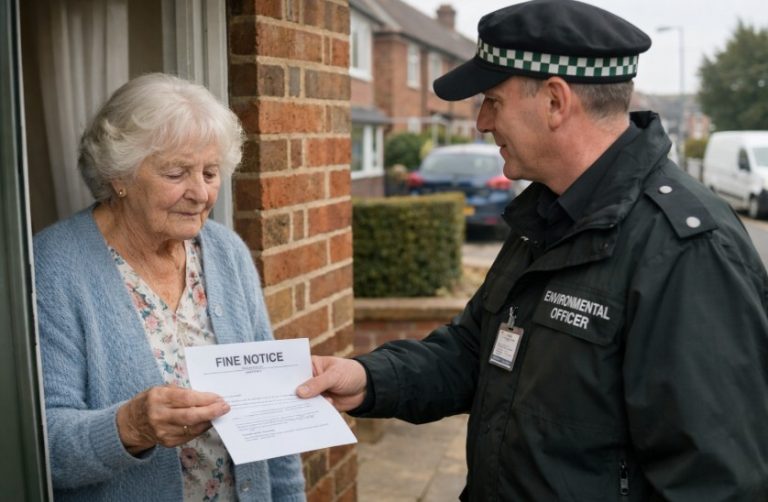


Councils across the UK are using stronger enforcement powers under the Renters Rights Act to issue faster penalties against landlords, often without providing informal warnings first.
The updated enforcement approach allows local authorities to take direct action against breaches involving property safety, licensing compliance, tenant rights, damp and mould issues, and illegal eviction.
Financial penalties can reach up to £40,000 for serious offences, while multiple breaches identified during a single inspection may lead to combined fines.
As councils increase inspections and shorten response timelines, landlords are facing growing pressure to maintain full compliance and keep accurate records.
Key Takeaways:
- Councils can move directly to formal enforcement action
- Landlords may face fines of up to £40,000
- Multiple breaches can lead to combined penalties
- Short response windows increase legal risks
- HMO and licensing enforcement is becoming stricter
- Property safety and damp issues remain major targets
- Accurate compliance records are now essential
- Professional compliance advice can help reduce enforcement risks
Why Are Councils Issuing Instant Fines to Landlords Under the Renters Rights Act?

The Renters Rights Act is changing the relationship between councils and private landlords across the UK. Under previous enforcement practices, many local authorities would often issue advisory letters or warnings before escalating matters further. That approach is now rapidly disappearing.
Councils are increasingly using direct enforcement powers where they believe there are serious risks, repeat breaches, or clear failures to comply with housing law.
This means landlords may no longer receive informal opportunities to correct problems before penalties are issued.
How the Enforcement Framework Has Changed?
The updated enforcement framework gives councils greater authority to act quickly against landlords who fail to meet legal obligations. Local authority housing teams are now under greater pressure to improve housing standards in the private rented sector.
As a result, councils are:
- Conducting more inspections
- Responding faster to tenant complaints
- Issuing civil penalties more frequently
- Escalating repeat breaches immediately
- Using licensing enforcement more aggressively
The focus has shifted from education-led enforcement to direct action.
Why Informal Warnings Are Disappearing?
Councils argue that repeated non-compliance by some landlords has reduced the effectiveness of warning notices. Instead of lengthy back-and-forth communication, authorities are prioritising quicker intervention.
Portsmouth City Council recently updated its enforcement policy to confirm that formal action may now be taken without warning in certain circumstances. Similar approaches are being adopted by councils across England.
A landlord compliance adviser described the situation clearly:
“We are seeing landlords caught off guard because they still expect a warning letter first. In reality, councils are increasingly skipping that stage entirely and moving straight to financial penalties where they identify obvious breaches.”
The Growing Role of Local Authority Enforcement Teams
Housing enforcement officers now play a larger role in monitoring rental conditions, licensing compliance, and tenant safety concerns. Many councils have expanded enforcement resources following growing public pressure over poor housing standards.
This is particularly visible in areas with:
- High levels of rented accommodation
- Selective licensing schemes
- HMO concentrations
- Ongoing damp and mould complaints
- Tenant safety concerns
What New Enforcement Powers Do Councils Have Over Landlords?
The Renters Rights Act strengthens the ability of councils to issue financial penalties and intervene quickly where landlords breach housing regulations.
Landlords can now face enforcement action for a wide range of issues, including:
| Breach Type | Possible Enforcement Outcome |
|---|---|
| Property safety failures | Civil penalties |
| Licensing breaches | Significant fines |
| Illegal eviction | Prosecution or penalties |
| Tenant discrimination | Enforcement notices |
| Damp and mould issues | Improvement notices |
| Gas safety failures | Formal enforcement action |
One of the most significant changes is the ability for councils to issue multiple penalties simultaneously where several breaches are identified during a single inspection.
This means a landlord could potentially face fines relating to:
- Missing certificates
- Licensing failures
- Safety hazards
- Property condition issues
- Management breaches
Combined penalties can quickly rise into tens of thousands of pounds.
Councils are also relying more heavily on:
- Selective licensing enforcement
- HMO licensing investigations
- Environmental health inspections
- Tenant complaint investigations
- Data sharing between departments
The result is a more coordinated and aggressive enforcement environment.
How Much Can Landlords Be Fined for Non-Compliance?

Financial penalties under the Renters Rights Act can vary significantly depending on the seriousness of the offence.
Minor Breaches That Can Trigger Penalties
Some landlords mistakenly assume only severe offences lead to enforcement action. However, councils can now issue substantial penalties for relatively smaller compliance failures.
Examples include:
- Failure to renew safety certificates
- Incomplete tenancy paperwork
- Licensing application errors
- Delays responding to notices
- Poor record keeping
In some situations, landlords could face penalties of up to £7,000 for lower-level breaches.
Serious Offences That May Lead to £40,000 Fines
More serious breaches can lead to penalties reaching £40,000 or more.
These may include:
- Illegal eviction
- Severe housing hazards
- Repeat licensing offences
- Failure to comply with improvement notices
- Serious tenant safety risks
Where councils believe landlords have repeatedly ignored legal responsibilities, enforcement action is likely to become more severe.
Why Combined Penalties Are Becoming More Common?
A single inspection can uncover multiple compliance failures at once. Councils are increasingly issuing separate penalties for each individual breach rather than treating them as one overall issue.
A property licensing consultant explained the risks this creates:
“Many landlords underestimate how quickly fines can accumulate. I’ve seen cases where a council inspection uncovered several administrative and safety issues at the same property, and each breach triggered its own penalty. What initially looked manageable became financially overwhelming within days.”
This approach is designed to encourage landlords to maintain continuous compliance rather than reacting only after problems arise.
Why Is the 14-Day Enforcement Timeline Creating Pressure for Landlords?
One of the biggest concerns for landlords is the short response period attached to formal enforcement notices.
In many cases, councils provide only 14 days from the date the notice is issued. However, postal delays can significantly reduce the actual time available for landlords to respond.
By the time a notice is:
- Processed
- Posted
- Delivered
- Opened and reviewed
Several days may already have passed.
This leaves landlords with limited time to:
- Gather compliance evidence
- Review tenancy documentation
- Seek legal advice
- Prepare formal responses
- Arrange urgent property works
For landlords unfamiliar with housing law, this timeline can create major difficulties.
Professional representation also takes time to arrange, particularly where specialist landlord licensing or housing enforcement advice is needed.
Failing to respond quickly may worsen the situation and increase the likelihood of larger penalties or prosecution.
Which Landlord Breaches Are Councils Targeting Most Aggressively?

Councils are prioritising enforcement in areas linked to tenant safety, housing quality, and licensing compliance. Common enforcement targets include.
Property Safety Violations
Unsafe electrics, fire hazards, and poor maintenance remain major concerns for local authorities. Councils are particularly focused on properties that fail Housing Health and Safety Rating System standards.
Damp and mould complaints
Following increased national attention on housing conditions, councils are taking stronger action against unresolved damp and mould issues.
Landlords are expected to investigate complaints promptly and carry out repairs within reasonable timeframes.
EPC and Gas Safety Failures
Missing or expired certificates are frequent triggers for enforcement.
Councils may request evidence of:
- Gas safety certificates
- Electrical inspections
- EPC ratings
- Smoke alarm compliance
Illegal Eviction and Tenant Harassment
Illegal eviction remains one of the most serious offences landlords can commit. Authorities are increasingly willing to prosecute landlords where tenants are unlawfully removed or pressured to leave properties.
Licensing Breaches in HMOs and Selective Licensing Areas
Licensing enforcement has become a major focus for councils operating selective licensing and HMO schemes. Landlords who fail to obtain licences or breach licence conditions may face substantial financial penalties.
How Can Landlords Protect Themselves From Council Enforcement Action?

The best protection against enforcement action is proactive compliance.
Keeping Accurate Compliance Records
Landlords should maintain organised records covering:
- Safety certificates
- Tenancy agreements
- Inspection reports
- Repair records
- Communication with tenants
Clear documentation can help demonstrate compliance if a dispute arises.
Conducting Regular Property Inspections
Routine inspections help landlords identify problems before councils become involved. Issues such as damp, maintenance failures, or overcrowding can often be addressed early through consistent monitoring.
Seeking Professional Landlord Compliance Advice
Professional advice is becoming increasingly important as regulations become more complex. Landlords operating HMOs or properties within licensing areas may particularly benefit from specialist guidance to avoid accidental breaches. Early advice can also help landlords respond effectively if enforcement notices are issued.
What Does the Renters Rights Act Mean for the Future of UK Landlords?
The Renters Rights Act signals a broader shift towards stricter regulation within the private rented sector. For tenants, the changes are intended to improve housing standards and increase accountability.
For landlords, however, the legislation introduces:
- Greater compliance obligations
- Higher financial risks
- Increased administrative responsibilities
- More frequent council oversight
Many landlords may need to invest more heavily in property management systems, compliance checks, and professional support.
At the same time, councils are expected to continue expanding enforcement activity over the coming years. Landlords who remain organised and proactive are likely to adapt more successfully to the changing regulatory landscape.
Are Councils Becoming More Aggressive Towards Rogue Landlords?

There is growing pressure on local authorities to take stronger action against landlords who fail to meet legal standards.
Public scrutiny surrounding poor housing conditions has increased significantly in recent years, particularly after several high-profile cases involving damp, mould, and unsafe accommodation.
Government policy is also encouraging councils to make greater use of enforcement powers.
As a result, many authorities are:
- Increasing inspections
- Sharing enforcement data
- Expanding licensing schemes
- Pursuing civil penalties more regularly
- Publicising successful prosecutions
While councils maintain that enforcement is targeted towards rogue landlords, the reality is that even responsible landlords may now face penalties if compliance standards slip.
The overall direction of travel is clear, councils are becoming more interventionist, and landlords are expected to meet higher standards consistently.
What Should Landlords Do Immediately to Avoid Costly Penalties?
Landlords should review their compliance procedures as soon as possible.
Immediate priorities include:
- Checking all safety certificates are valid
- Reviewing tenancy agreements
- Confirming licensing requirements
- Addressing unresolved repairs
- Maintaining accurate records
- Monitoring council correspondence carefully
Landlords should also avoid delaying responses to formal notices. Even small administrative oversights can become expensive under the current enforcement environment. Taking early action may help reduce financial risks and demonstrate cooperation if councils investigate a property.
Conclusion
The Renters Rights Act is reshaping council enforcement across the UK rental sector, with landlords now facing faster investigations, stricter compliance checks, and significantly higher financial penalties.
Councils are increasingly using direct enforcement powers without prior warnings, making proactive property management more important than ever.
Landlords who maintain accurate records, respond quickly to issues, and stay updated on licensing and safety requirements will be better positioned to avoid costly fines and operate successfully within the evolving regulatory landscape.
FAQs
Can councils fine landlords without warning under the Renters Rights Act?
Yes. Councils now have stronger powers to move directly to formal enforcement action without issuing informal warnings first in certain situations.
What is the maximum landlord fine under the new enforcement rules?
Serious offences can lead to penalties of up to £40,000, while smaller breaches may still attract fines worth several thousand pounds.
How long do landlords have to respond to an enforcement notice?
Many enforcement notices provide a 14-day response period, although postal delays can reduce the practical time available.
Can landlords appeal council penalties?
Yes. Landlords may challenge enforcement action through appeals or legal representation depending on the circumstances of the case.
What types of properties are most affected by council enforcement?
HMOs, selectively licensed properties, and rental homes with safety or maintenance concerns are often targeted more heavily.
Are HMO landlords at greater risk of fines?
Yes. HMO landlords typically face stricter licensing and safety obligations, increasing the risk of enforcement if standards are not maintained.
How can landlords prove compliance during inspections?
Keeping organised records, certificates, inspection reports, and repair documentation can help landlords demonstrate compliance.
Do selective licensing schemes increase enforcement risks?
Yes. Selective licensing schemes usually involve increased inspections and monitoring by local authorities.