


The Aer Lingus new passport rule introduces a stricter identification requirement for passengers travelling between Great Britain and the Republic of Ireland.
From 25 February 2026, all travellers on these routes must carry a valid passport or Irish passport card, as alternative photographic identification will no longer be accepted.
While the Common Travel Area still allows British and Irish citizens to move freely in legal terms, Aer Lingus has chosen to standardise its boarding policy across its network, directly affecting UK travellers.
Key answer points covered in this article:
- The exact start date of the new passport requirement
- Who must comply with the Aer Lingus passport policy
- Which previously accepted IDs are no longer valid
- The difference between CTA legal rights and airline boarding rules
- How Aer Lingus compares with British Airways, Ryanair and ferry operators
- Practical steps UK passengers should take before travelling
What Is the Aer Lingus New Passport Rule and When Does It Start?
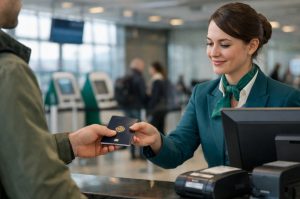
The aer lingus new passport rule represents one of the most significant identification policy changes affecting travel between Great Britain and the Republic of Ireland in recent years.
From 25 February 2026, Aer Lingus will require all passengers travelling between these destinations to carry a valid passport or a valid Irish passport card. This applies to British citizens, Irish citizens and all other travellers on these routes.
Until now, Aer Lingus had allowed passengers to travel using a broad range of photographic identification. As long as the ID included a clear photo, it was generally accepted for boarding.
That flexibility distinguished Aer Lingus from some other carriers operating between the UK and Ireland. From early 2026, that flexibility ends.
The airline has confirmed that only the following documents will be accepted:
- A valid passport
- A valid Irish passport card
All other forms of identification, regardless of whether they contain a photograph, will no longer be sufficient. To understand the scale of this shift, it helps to compare the position before and after implementation.
| Identification Type | Accepted Before Feb 2026 | Accepted After Feb 2026 |
|---|---|---|
| Valid Passport | Yes | Yes |
| Irish Passport Card | Yes | Yes |
| UK Driving Licence | Yes | No |
| Work ID Card | Yes | No |
| Student Card | Yes | No |
| Bus Pass with Photo | Yes | No |
This policy applies specifically to routes between Great Britain and the Republic of Ireland. It includes flights from England, Scotland and Wales to Irish airports operated by Aer Lingus and Aer Lingus Regional.
The aer lingus new passport rule does not stem from a change in border law. It is a carrier level decision that alters the documentation required to board the aircraft rather than altering legal rights to enter either country.
Why Is Aer Lingus Introducing This Passport Requirement Now?
Aer Lingus has explained that the new policy aligns identification requirements on UK and Ireland routes with the rest of its international network. In effect, the airline is moving toward a single, standardised document policy.
Operational consistency is a key theme in the explanation. By requiring passports across more routes, the airline reduces variability in document checks at boarding gates.
Staff training becomes simpler, disputes over acceptable ID are minimised, and boarding procedures may become more predictable. An aviation compliance professional I spoke to described the reasoning in straightforward terms.
He told me, “When an airline allows multiple forms of ID, it creates grey areas at the gate. Standardising around passports removes subjective judgement and protects the airline from compliance risks.”
From a professional standpoint, the shift reflects a broader trend in aviation. Airlines increasingly prefer clarity over flexibility.
Is This Linked to the Common Travel Area
The Common Travel Area, often abbreviated to CTA, was established in 1923.
It allows British and Irish citizens to move freely between:
- The United Kingdom
- The Republic of Ireland
- The Isle of Man
- The Channel Islands
Under the CTA framework, there is no legal requirement for British and Irish citizens to carry passports when travelling between the UK and Ireland.
However, legal permission to enter a country is not the same as airline boarding requirements. Airlines operate under their own conditions of carriage. They may demand documentation that exceeds minimum legal requirements.
The aer lingus new passport rule does not remove the CTA. It does not introduce new immigration checks. It simply changes what Aer Lingus will accept as proof of identity before allowing a passenger to board.
Does This Reflect a Government Rule Change
No. There has been no change in UK or Irish government policy mandating passports for CTA travel. Government guidance continues to state that British and Irish citizens do not require passports to move within the CTA.
The distinction is crucial. The government position addresses border entry. The airline position addresses boarding eligibility.
The aviation professional I consulted emphasised this difference, stating, “Airlines have discretion over boarding documentation. This decision is about internal operational standards rather than immigration control.”
Understanding this separation between public law and private carrier policy is essential for travellers.
How Does This Affect Travel Between Great Britain and Ireland?

The aer lingus new passport rule directly impacts routes connecting the Republic of Ireland with England, Scotland and Wales. These routes are among the busiest short haul corridors in Europe, particularly between London and Dublin.
For decades, many business travellers and frequent flyers relied on alternative photographic ID for these journeys. A driving licence or work ID often sufficed. From February 2026, those options disappear for Aer Lingus passengers.
The rule covers:
- All Aer Lingus operated services between Great Britain and Ireland
- Aer Lingus Regional flights on the same corridor
It does not apply to flights wholly within the United Kingdom that do not involve the Republic of Ireland. To clarify geographical coverage, the table below outlines affected routes.
| Departure Location | Arrival Location | Passport Required from Feb 2026 |
|---|---|---|
| London | Dublin | Yes |
| Manchester | Cork | Yes |
| Edinburgh | Dublin | Yes |
| Cardiff | Shannon | Yes |
| Belfast to Dublin | Yes if Aer Lingus route | Yes |
Travellers must pay close attention to route details, especially where journeys cross between Northern Ireland and the Republic of Ireland.
The elimination of alternative ID may particularly affect spontaneous travel. Many passengers previously assumed that short haul travel within the CTA did not require formal documentation beyond basic photographic ID.
Will British Airways Passengers Be Affected Too?
A practical complication arises because British Airways sells Aer Lingus operated flights on its website. A passenger may book a ticket through ba.com without immediately recognising that the operating carrier is Aer Lingus.
If the flight is operated by Aer Lingus, the aer lingus new passport rule applies, regardless of where the ticket was purchased.
British Airways itself continues to accept alternative forms of photographic identification on certain UK to Ireland routes that it operates directly.
That creates a situation where documentation requirements differ depending on which airline physically operates the aircraft. This difference can lead to confusion.
| Booking Platform | Operating Airline | Passport Required from Feb 2026 |
|---|---|---|
| ba.com | British Airways | Not necessarily |
| ba.com | Aer Lingus | Yes |
| aerlingus.com | Aer Lingus | Yes |
Passengers should always verify the operating carrier shown in their booking confirmation. The flight number prefix can provide clues, but the operating airline is the decisive factor.
From my own observation of airline booking systems, this distinction is often overlooked by travellers. Many focus on price and schedule without checking the small print regarding the operating carrier.
How Does Aer Lingus Compare with Other Airlines and Ferries?
Aer Lingus is not acting in isolation. Ryanair already requires passengers to carry passports on UK and Ireland routes. In that sense, Aer Lingus is aligning itself with an existing competitor standard.
British Airways currently maintains a more flexible approach on certain routes, continuing to accept alternative photographic ID.
Ferry companies operating across the Irish Sea also retain flexibility, typically accepting various forms of photographic identification, subject to their own policies. The comparison below highlights these differences.
| Operator | Passport Mandatory | Alternative Photo ID Accepted |
|---|---|---|
| Aer Lingus | Yes from Feb 2026 | No |
| Ryanair | Yes | No |
| British Airways | No on some routes | Yes |
| Irish Sea Ferries | No | Yes |
| Stena Line | No | Yes |
This divergence means travellers without passports may need to consider alternative carriers or ferry options, depending on their flexibility and time constraints.
While air travel offers speed, ferry travel may provide greater documentation flexibility for some passengers.
What Documents Will No Longer Be Accepted Under the Aer Lingus New Passport Rule?
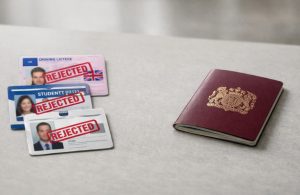
The aer lingus new passport rule removes acceptance of numerous identification types that were previously considered sufficient.
These include:
- UK driving licences
- Workplace ID cards
- Student identification cards
- Public transport passes with photographs
- Other institutional photo identification
Only a valid passport or Irish passport card will meet the requirement. It is important to note that the passport must be valid. An expired passport will not qualify.
The narrowing of acceptable documents simplifies the verification process for staff but reduces passenger discretion. Previously, a traveller who forgot a passport might still board with an alternative photo ID. That option will no longer exist on Aer Lingus services between Great Britain and Ireland.
The compliance professional I consulted commented, “Airlines prefer documents that are internationally standardised. A passport is universally recognisable and machine readable. That reduces risk at every stage of the journey.”
Do You Legally Need a Passport to Travel Within the Common Travel Area?
From a legal perspective, British and Irish citizens retain the right to move freely within the Common Travel Area without mandatory passport checks at the border.
The CTA remains intact. Immigration controls between the UK and Ireland have not been fundamentally altered by this airline policy.
However, airline boarding requirements operate independently of border control frameworks. An airline can require documentation as a condition of carriage even if a government does not mandate it for entry.
This creates a dual reality:
- Legally, a passport is not required by law for CTA travel.
- Practically, a passport will be required by Aer Lingus for boarding.
Understanding this distinction prevents misinterpretation of headlines suggesting that passport free travel has ended. It has not ended in legal terms, but airline documentation rules are tightening.
What Should UK Travellers Do Before Booking Aer Lingus Flights?

UK travellers planning journeys between Great Britain and Ireland after February 2026 should review their documentation well in advance of departure.
Practical considerations include checking passport validity, particularly if renewal deadlines are approaching. Even though CTA travel does not typically require specific validity periods beyond being in date, airlines expect a current passport.
When booking flights, travellers should:
- Confirm the operating carrier
- Review documentation requirements on the airline website
- Ensure passports are accessible on travel day
From my perspective, this policy change signals a move toward standardisation across short haul aviation. I believe many regular London to Dublin travellers may initially be caught out because they have grown accustomed to more relaxed identification practices. As I see it, the convenience of minimal ID has been replaced by procedural clarity.
The aviation professional added further insight, stating, “Passengers often assume short haul travel is informal. In reality, airlines operate in a highly regulated environment. Uniform passport rules reduce liability exposure.”
For business travellers who frequently commute between UK cities and Dublin, carrying a passport may become routine rather than optional.
Ultimately, the aer lingus new passport rule reinforces the importance of verifying airline specific requirements rather than relying solely on historical practice or general government guidance.
Conclusion
The aer lingus new passport rule marks a clear shift in identification requirements for travel between Great Britain and Ireland. From 25 February 2026, passengers must carry a valid passport or Irish passport card, regardless of citizenship.
While the Common Travel Area remains legally passport free, Aer Lingus has chosen to standardise its boarding policy for operational consistency. UK travellers should plan ahead, check the operating carrier carefully and ensure their passport is valid before flying.
Frequently Asked Questions
Can children travel without a passport on Aer Lingus UK–Ireland routes?
No. From February 2026, all passengers, regardless of age, must present a valid passport or Irish passport card.
Is an expired passport acceptable for boarding?
No. The passport must be valid at the time of travel.
Does an Irish passport card qualify instead of a full passport?
Yes. Aer Lingus has confirmed that a valid Irish passport card will be accepted.
Are domestic UK flights affected by this rule?
No. The policy specifically applies to routes between Great Britain and the Republic of Ireland.
What happens if I arrive at the airport without a passport?
You are likely to be denied boarding, as alternative photographic identification will no longer be accepted.
Does this change affect ferry travel between the UK and Ireland?
No. Ferry companies across the Irish Sea continue to accept alternative forms of identification, subject to their own policies.
Why is Aer Lingus stricter than British Airways?
Airlines set their own operational policies. Aer Lingus has chosen to standardise documentation across its network, while British Airways currently maintains flexibility on certain CTA routes.