
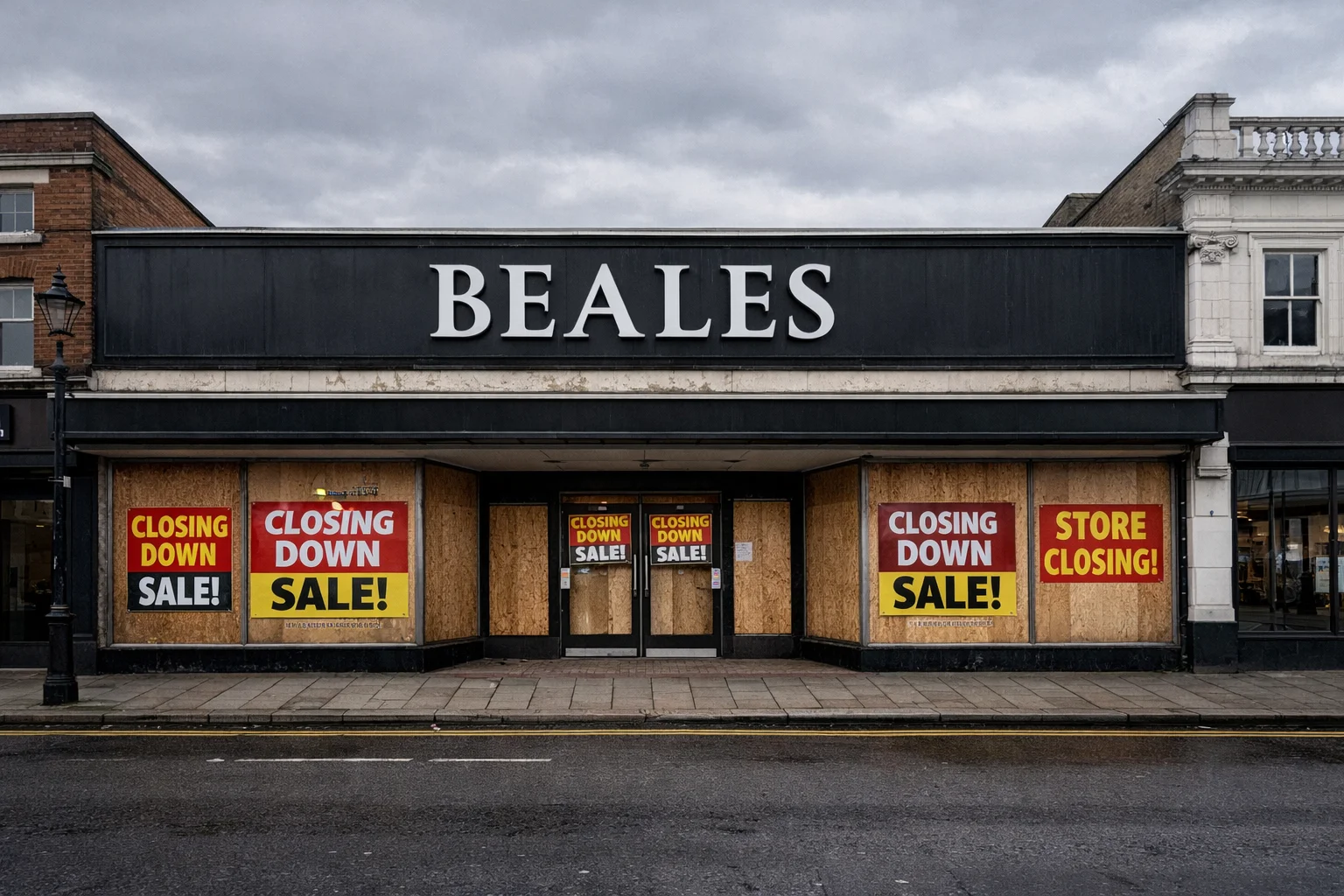
Have you ever walked through a nearly empty shopping centre and felt the absence of something once familiar? That’s the reality many UK shoppers now face following the closure of Beales’ last remaining department store. On May 31, 2025, the iconic Beales store in Poole, Dorset, closed its doors for the final time.
The end of this 144-year-old institution symbolises more than just the fall of another retailer, it marks a cultural and economic shift on the British high street. From rising operational costs to political pressures, several factors contributed to the downfall.
Understanding these elements not only tells the story of Beales but offers insights into the fragile state of UK retail today.
Why Did Beales Close Its Final Store in Poole?
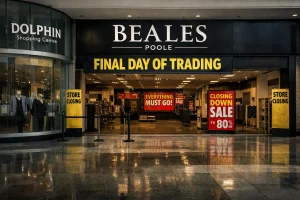
The closure of the last Beales department store in Poole was a decision driven by financial survival. Beales, once a well-established household name in UK retail, finally shut its doors at the Dolphin Centre on May 31, 2025. This move marked the official end of a 144-year legacy, making headlines across the country.
The decision came after years of financial turbulence, with Beales entering administration in January 2020 and shuttering 22 out of its 23 stores that same year. Only the Poole branch reopened under new ownership with hopes of revival.
Despite attempts to stabilise, increasing financial pressures proved too much to overcome. Tony Brown, the Chief Executive of Beales, cited unsustainable operating costs and reduced business rates relief as core reasons for the closure.
Although there was community support and a dedicated staff, the business could not continue in the current retail climate. The closure was described as an “orderly exit” but one filled with heavy emotional and economic loss.
How Did Rising Operating Costs Affect Beales?
One of the most pressing issues for Beales was the sharp rise in operating expenses that severely weakened its ability to stay competitive.
Tony Brown openly addressed that the company faced an “exponential cost” burden, which made the store financially unviable in the long run. These growing costs were primarily tied to increased employer obligations and inflationary pressures.
Key contributing factors included:
- Minimum wage increases, which came into effect in April, significantly raised staffing costs.
- Employer National Insurance Contributions (NICs) rose to 15 percent, further straining payroll budgets.
- Reduced business rates relief, particularly harmful for legacy high street brands like Beales.
- Energy and operational costs also climbed due to inflation, making day-to-day functions more expensive.
As these expenses grew, it became clear that profitability would be nearly impossible without drastic cuts. However, reducing staff or scaling back operations would have compromised customer service and brand integrity. In the end, the cost structure simply couldn’t support the store’s continued operation.
What Role Did Government Fiscal Policy Play in the Closure?
The political landscape surrounding business taxation heavily influenced Beales’ final shutdown. Government fiscal policies introduced by the Labour Party, particularly in the October Budget, were blamed directly by Beales’ leadership for tipping the business into closure.
Tony Brown referred to the final sale as the “Rachel Reeves closing down sale,” referencing the Chancellor and highlighting frustration toward national economic policy.
Several fiscal policies contributed to Beales’ downfall:
- National Insurance hike to 15 percent raised employer contribution costs dramatically.
- Lower threshold for NICs from £9,100 to £5,000 increased the number of employees affected.
- Minimum wage rise applied pressure across staffing budgets.
- Lack of sufficient tax relief or high street-specific support left retailers vulnerable.
These measures, though aimed at broader economic reform, had direct consequences on medium-sized retailers. Beales’ management felt targeted and unsupported, calling out the Chancellor’s strategy as a risk to the entire high street sector. The situation raised warnings that more closures could follow if relief is not prioritised.
How Has the UK High Street Changed in Recent Years?
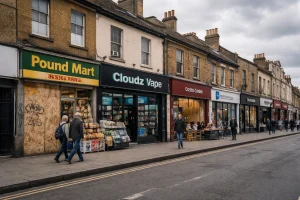
The closure of Beales is not an isolated event but a symptom of a broader transformation sweeping through the UK high street. Over the past decade, traditional department stores have faced mounting challenges, most notably due to shifts in consumer behaviour and digital disruption. As more shoppers turn to online platforms for convenience and variety, footfall in physical stores has declined sharply.
This shift is particularly significant among younger demographics, who prefer brands with a strong digital presence and faster delivery options. Large-format stores like Beales have struggled to maintain relevance in this new environment. Simultaneously, the high street has seen an influx of cafés, vape shops, and budget retailers taking over spaces previously occupied by legacy brands.
Retail analysts suggest that unless traditional stores adapt to hybrid models and personalised customer experiences, they may continue to lose ground. Beales’ failure is thus part of a much larger narrative about retail evolution in the UK.
What Was Beales’ Historical Significance in British Retail?
Beales was more than just a shop, it was a piece of British retail heritage. Established in Bournemouth in 1881, Beales became known for quality goods and a deep connection to the communities it served. At its peak, the chain operated over 20 stores, with some sources reporting up to 41 across UK market towns.
Here’s a brief timeline of Beales’ legacy:
| Year | Event |
|---|---|
| 1881 | Founded in Bournemouth |
| 1920s–1990s | Expanded to over 20+ locations |
| 2010 | Operated 32 stores |
| 2020 | Entered administration and closed 22 stores |
| 2021 | Poole store reopened under new ownership |
| 2025 | Final Poole store closed permanently |
Beales offered a mix of fashion, furniture, toys, cosmetics, and household goods. The chain was especially beloved by local shoppers who valued its wide selection and traditional in-store experience. Its legacy represents the rise and fall of a retail model that once thrived in Britain’s town centres.
How Are Staff and Local Communities Reacting?
The closure of Beales has left a lasting emotional impact on both staff and the communities it once served. Employees, many of whom had dedicated years to the company, were deeply saddened. CEO Tony Brown acknowledged the emotional toll, praising the team for their hard work during the final years.
Community and staff responses included:
- Emotional messages on social media, with long-time customers expressing heartbreak over the closure.
- Public disappointment at losing a familiar local hub.
- Concern for local economies, especially in areas like Poole, where the store attracted footfall to surrounding businesses.
- Support from Dolphin Centre management, which worked closely with Beales for an “orderly exit”.
While no suppliers were left with financial losses, the emotional and economic damage runs deep. Many fear the store’s departure will further erode the vitality of local high streets already struggling with change.
What Happens to the Dolphin Centre and NHS Clinic Now?
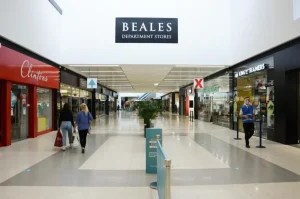
With the Poole store’s closure, attention now turns to the future of the retail space at the Dolphin Centre. The mall, which had housed Beales since its post-administration reopening in 2020, is reportedly considering new commercial uses for the vacant unit.
Though details remain unconfirmed, the centre’s management is exploring redevelopment plans that align with evolving retail needs. Importantly, the NHS Outpatient Assessment Clinic on the top floor will continue to operate.
Established in 2021 to help reduce waiting times, the clinic has been a vital service for the local community. Tony Brown confirmed that the closure of the store will not affect the medical facility, which will remain open after May.
As mall foot traffic patterns change, the Dolphin Centre’s future will depend on strategic tenancy planning. The challenge will be maintaining relevance in a market where traditional department stores are increasingly rare.
Is This the End of Traditional UK Department Stores?
The fall of Beales raises an urgent question: are traditional department stores becoming obsolete? Once considered the heartbeat of British retail, these stores now face an uphill battle to remain profitable. A combination of high operating costs, competition from online giants, and changing consumer preferences has made survival increasingly difficult.
Retail analysts suggest that without significant reinvention, many other department stores could face a similar fate. The government’s fiscal policies, while aimed at economic stability, have unintentionally put more pressure on physical retail spaces. As seen with Beales, the inability to offset costs or adapt fast enough can quickly lead to closure.
What remains is a UK high street landscape that’s vastly different from what many remember. The question now isn’t just about loss, it’s about how retail will reinvent itself in a world that no longer resembles the one Beales once thrived in.
Conclusion
The closure of Beales Department Store in Poole marks the end of an era. From its humble beginnings in Bournemouth in 1881 to its final day of trading in May 2025, Beales was a mainstay of British high streets for generations.
Its shutdown reflects the combined pressures of economic policy, rising costs, and changing consumer habits. As more retailers face similar challenges, the Beales story serves as both a warning and a call to innovate. While the brand may be gone, its legacy will continue to spark conversation about the future of British retail for years to come.
FAQs
Why did Beales close after more than a century in business?
Beales closed due to rising operating costs, reduced tax relief, and changing shopping habits. These challenges made the business unviable.
What budget changes affected Beales’ operations?
The October Budget increased National Insurance and minimum wage, which significantly raised the store’s running costs.
Did Beales try to avoid the closure in any way?
Yes, the Poole store reopened after administration and made cost-saving efforts, but rising expenses still outweighed profits.
What other department stores have recently closed in the UK?
Other legacy retailers like Debenhams and House of Fraser have also shut multiple stores due to similar financial challenges.
Will the Beales brand return in any form?
As of now, there are no confirmed plans to revive the Beales brand or reopen under new ownership.
How are rising taxes impacting UK retailers overall?
Increased employer taxes and reduced support have made it harder for mid-sized retailers to survive in physical retail environments.
What happens to the employees of the Poole Beales store?
All staff were informed in advance, and the company worked to ensure an orderly exit without financial losses to employees.