
Cadbury Fruitier Nuttier discontinued in the UK because sales fell sharply after an initially positive launch, prompting Mondelez International to withdraw the HFSS compliant range in late 2025.
Despite being positioned as a better for you alternative, the product struggled to maintain demand and accounted for just 0.05 percent of Cadbury’s £2.4 billion annual sales.
Key takeaways:
- Launched in 2023 as a healthier Dairy Milk option
- Sales dropped by over 50 percent in 2024
- Removed from major supermarkets in summer 2025
- Officially axed after poor performance
- Cadbury shifting focus to under 100 calorie Delights bars
This article explains why Cadbury Fruitier Nuttier discontinued became inevitable, the timeline behind the decision, and what it means for UK consumers and the wider confectionery market.
What Was Cadbury Fruitier & Nuttier and Why Was It Launched?
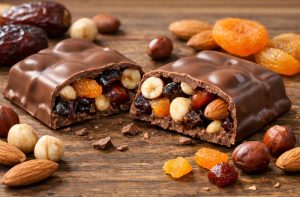
Cadbury Fruitier and Nuttier was introduced in 2023 as a new direction for one of Britain’s most recognisable chocolate brands. Developed by Mondelez International, the range aimed to respond to growing demand for healthier snacks while staying within the Cadbury Dairy Milk family.
The initial launch focused on Cadbury Dairy Milk Fruitier and Nuttier Trail Mix. In 2024, the brand expanded to include Fruitier and Nuttier bars. Both formats were designed to meet HFSS compliance standards and were marketed as better for you choices.
The core features included:
- Over 70 percent fruit and nuts
- A lighter layer of Cadbury Dairy Milk chocolate
- Around 127 calories per 30g bar
- Suitable for vegetarians
- Backed by the Cocoa Life sustainability programme
Ingredients such as date paste, dried apricot pieces, roasted hazelnuts and almond paste formed the majority of the bar. A thinner chocolate coating differentiated it from traditional Dairy Milk products.
The launch also reflected pressure from new UK HFSS regulations, which restricted the promotion of products high in fat, salt or sugar. By creating a compliant option, Cadbury aimed to secure better shelf positioning and avoid advertising limitations.
Positioned as indulgent yet mindful, the range attempted to balance taste and wellbeing. However, while it ticked regulatory boxes and sustainability credentials, the product would soon face challenges in winning long term consumer loyalty.
When Was Cadbury Fruitier Nuttier Discontinued?
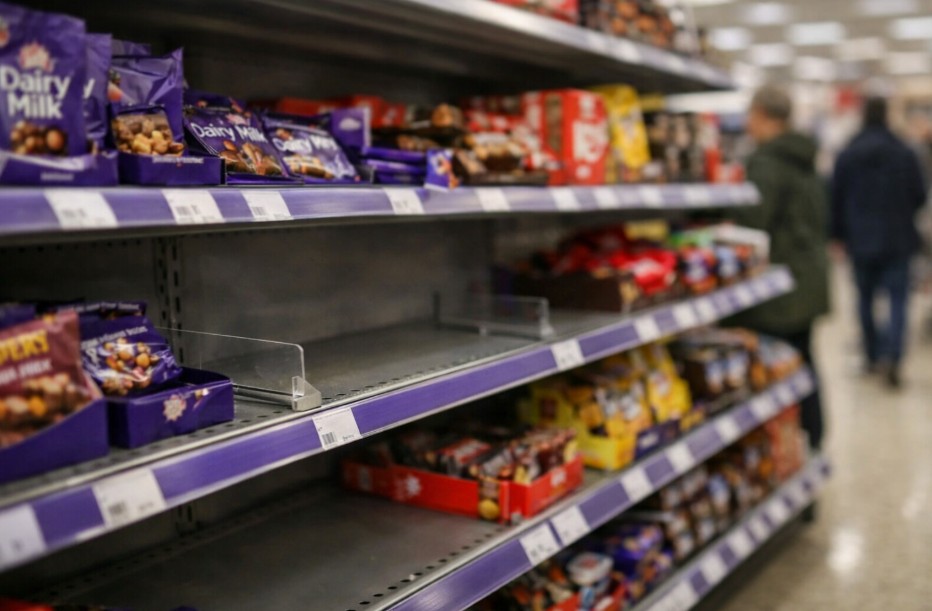
The Cadbury Fruitier Nuttier discontinued story unfolded gradually rather than overnight. The range first appeared in 2023, with expansion in 2024. By summer 2025, shoppers began noticing its absence from major supermarkets.
Retailers quietly reduced listings as availability declined. According to reporting, the range had disappeared from major mults during the summer before formal confirmation arrived.
In October 2025, Mondelez International confirmed it had taken the difficult decision to withdraw the entire Fruitier and Nuttier range from the UK market. The announcement covered both the trail mix and bar formats.
Below is a simple timeline of events:
| Year | Event |
|---|---|
| 2023 | Launch of Fruitier and Nuttier Trail Mix |
| 2024 | Expansion to Fruitier and Nuttier Bars |
| 2024 | Sales decline of over 50 percent reported |
| Summer 2025 | Product becomes scarce in major retailers |
| October 2025 | Official confirmation of withdrawal |
The removal marked the end of a two year experiment aimed at redefining Cadbury indulgence within regulatory limits.
Why Was Cadbury Fruitier Nuttier Discontinued Despite Early Success?
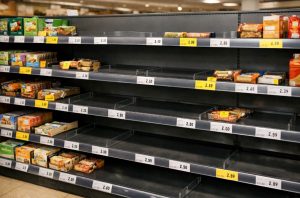
The key reason Cadbury Fruitier Nuttier discontinued was simple. Sales fell sharply after an encouraging launch period. Mondelez stated that while the initial consumer response was positive, sales and availability significantly dropped.
According to NIQ data reported by The Grocer:
- Value sales fell 51.2 percent to £1.3 million in 2024
- Volume declined by 48.9 percent
- The range represented just 0.05 percent of Cadbury’s £2.4 billion sales
For a brand of Cadbury’s scale, those figures signalled limited long term viability.
Other contributing factors included:
- Reduced repeat purchases
- Mixed consumer reviews
- Strong competition from own label trail mixes
- Premium price perception
Retail performance matters greatly in fast moving consumer goods. When shelf space is competitive, underperforming lines are often delisted to make room for higher margin or faster selling products.
Did UK Consumers Reject “Healthier” Cadbury?
Evidence suggests that many shoppers struggled to embrace a healthier interpretation of Dairy Milk. Consumer reviews ranged from praise for the fruit and nut blend to criticism about flavour balance and the thin chocolate layer.
This was not Cadbury’s first attempt at reformulation. The Dairy Milk 30 percent Less Sugar bar launched in 2019 was withdrawn after four years due to declining demand. Previous reduced sugar versions of other brands also failed to gain traction.
The pattern indicates a broader issue. Consumers may support healthier choices in principle, but when purchasing Cadbury, many appear to prioritise indulgence and familiarity.
The brand is strongly associated with creamy, full flavour chocolate. Diluting that identity can create tension between expectation and experience. In short, early curiosity did not convert into sustained loyalty.
How Did HFSS Regulations Influence the Decision?

The Cadbury Fruitier Nuttier discontinued decision cannot be fully understood without examining the regulatory environment that shaped its creation.
In recent years, the UK government has tightened rules around products classified as high in fat, salt or sugar, directly affecting how chocolate and confectionery brands operate. Fruitier and Nuttier was developed partly as a strategic response to these changes.
HFSS policy altered where products could be placed in stores, how they could be promoted, and how frequently they could appear in multi buy deals.
For major manufacturers such as Mondelez, this created commercial pressure to adapt portfolios and explore compliant alternatives. While Fruitier and Nuttier aligned with these requirements, regulation alone could not secure long term consumer demand.
What HFSS Means?
HFSS stands for high in fat, salt or sugar. The classification is based on a government nutrient profiling model used to determine whether a product can be promoted freely in retail environments.
Products that exceed specific thresholds fall into the HFSS category and face restrictions. Traditional chocolate bars typically meet HFSS criteria due to their sugar and fat content.
Fruitier and Nuttier was formulated to avoid this classification by:
- Increasing the proportion of fruit and nuts
- Reducing overall sugar per portion
- Limiting calorie content per serving
By positioning the product outside HFSS limits, Cadbury aimed to protect visibility and promotional flexibility in stores.
UK Restrictions on Promotions and Advertising
HFSS regulations introduced limits on how certain products could be displayed and marketed. High sugar snacks could no longer benefit from prominent checkout placement or high traffic end of aisle positioning in large retailers.
Key restrictions included:
- Bans on volume based promotions such as buy one get one free
- Removal from checkout areas
- Limited placement in store entrances and aisle ends
- Tighter rules around certain advertising channels
These measures were designed to reduce impulse purchases of high sugar foods. For confectionery brands reliant on visibility and promotional activity, the impact was significant. Developing compliant lines became a defensive strategy to maintain shelf presence.
Why Brands Launched Compliant Ranges?
In response, many manufacturers introduced products reformulated to meet HFSS guidelines. The aim was to retain market share while adapting to policy changes.
Fruitier and Nuttier represented Cadbury’s effort to innovate within this framework. The range combined nuts, dried fruit and a lighter chocolate layer to reduce sugar density and calorie load. It also aligned with broader trends towards portion control and wellbeing messaging.
For Mondelez, launching a compliant range offered several potential advantages:
- Greater flexibility in store placement
- Protection from promotional bans
- Alignment with public health messaging
- Reputation as a responsible manufacturer
However, regulatory compliance does not automatically translate into strong consumer demand.
Challenges of Reformulating Indulgent Categories
Chocolate presents particular reformulation challenges. Sugar and fat are not just flavour components but structural elements that define texture and mouthfeel. Reducing them can alter the sensory experience that consumers associate with established brands.
Cadbury Dairy Milk is known for its creamy taste and rich sweetness. When the chocolate content becomes secondary to fruit and nuts, the product risks losing its core identity.
Previous attempts at reduced sugar confectionery within the Cadbury portfolio also struggled to sustain sales. This pattern suggests that indulgent categories face higher barriers to successful reformulation compared with other food segments.
Food vs Soft Drinks Reformulation Comparison
The contrast between confectionery and soft drinks is notable. Soft drinks manufacturers successfully shifted many consumers towards low sugar or zero sugar options by using alternative sweeteners.
Chocolate reformulation is more complex. Artificial sweeteners cannot replicate the structural role of sugar in solid confectionery. As a result, reduced sugar chocolate often tastes or feels different from the original.
This technical limitation partly explains why HFSS compliant chocolate lines may struggle to match the appeal of full sugar variants.
Government Policy Pressure and Potential Future Tax Risks
Beyond placement and promotion rules, broader health strategies continue to influence manufacturer decisions. Discussions around further fiscal measures on high sugar foods create uncertainty for the sector.
Manufacturers face potential risks such as:
- Additional taxation on non compliant products
- Mandatory reduction targets
- Expanded reporting requirements
- Continued tightening of advertising rules
These pressures encourage innovation but also increase operational complexity.
In the case of Cadbury Fruitier Nuttier discontinued, HFSS regulation acted as a catalyst for development. Yet while policy drove innovation, it was consumer purchasing behaviour that ultimately determined the product’s fate.
Was Price, Taste or Branding the Bigger Problem?
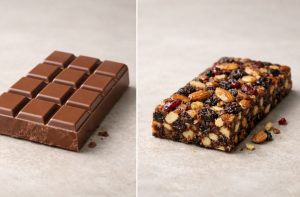
The Cadbury Fruitier Nuttier discontinued decision likely stemmed from a combination of factors rather than a single issue.
Price may have influenced perceptions. Reports suggested a recommended price of £2.50 for a 35g trail mix pack, positioning it above many own label alternatives.
Taste feedback appeared divided. Some praised the crunchy mix and balance of fruit and nuts, while others criticised the flavour combination and lighter chocolate coating.
Branding also played a role. Cadbury Dairy Milk is synonymous with creamy indulgence. A bar that contained mostly fruit and nuts with a thin chocolate layer challenged that identity.
In summary, the intersection of premium pricing, mixed taste reception and brand expectation created barriers to repeat purchase.
What Is Mondelez Doing After Cadbury Fruitier Nuttier Was Discontinued?
Despite the withdrawal, Mondelez has stated it remains fully committed to the wellbeing space. The company emphasised continued investment in reformulation, portion control and consumer education.
A central focus is the Cadbury Delights range, which offers chocolate bars containing fewer than 100 calories per portion. These products aim to maintain indulgent taste while supporting portion management. Mondelez has framed the decision as a portfolio adjustment rather than a retreat from healthier innovation.
By reallocating resources towards lines with stronger performance potential, the company seeks to balance regulatory compliance with commercial sustainability. The discontinuation reflects refinement of strategy rather than abandonment of better for you ambitions.
What Alternatives Can UK Consumers Consider Now?
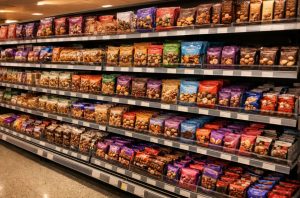
Although Cadbury Fruitier Nuttier discontinued in 2025, several alternatives remain available to UK shoppers.
For those seeking a similar fruit and nut experience, options include:
- Cadbury Dairy Milk Fruit and Nut for a classic indulgent taste
- Cadbury Delights for under 100 calorie portion controlled chocolate
- Supermarket own label premium trail mixes
- Other nut based Cadbury variants
The traditional Dairy Milk Fruit and Nut bar delivers a higher chocolate content and stronger brand familiarity. Meanwhile, Cadbury Delights offers a lighter option aligned with portion awareness.
Consumers interested in fruit and nut blends without chocolate may prefer dedicated trail mix brands from retailers such as Marks and Spencer or Waitrose. These products often focus on quality ingredients without the expectation of a Dairy Milk profile.
While the Fruitier and Nuttier concept has ended, the broader category of fruit and nut snacks continues to offer variety across price and indulgence levels.
What Does the Cadbury Fruitier Nuttier Discontinued Decision Reveal About the UK Confectionery Market?
The Cadbury Fruitier Nuttier discontinued outcome highlights the complexity of balancing health policy with consumer behaviour.
Key insights include:
- Reformulation in indulgent categories is commercially risky
- Brand heritage strongly influences purchase expectations
- Regulatory compliance does not guarantee sales
- Shelf space is increasingly competitive
- Health positioning must align with taste delivery
The case also underscores the limits of healthier innovation within established chocolate brands. While shoppers express interest in reduced sugar and better for you options, actual purchasing decisions often prioritise taste and value.
For manufacturers, the lesson is clear. Innovation must deliver both regulatory alignment and compelling flavour to succeed long term.
The UK confectionery market remains dynamic, shaped by policy, price pressures and evolving preferences. Yet the enduring appeal of traditional Dairy Milk suggests that indulgence remains central to chocolate buying habits.
Conclusion
The Cadbury Fruitier Nuttier discontinued decision reflects a clash between ambition and reality. Launched as a HFSS compliant alternative in 2023, the range aimed to combine health conscious credentials with Dairy Milk heritage.
However, falling sales, reduced availability and limited repeat purchases led Mondelez to withdraw it in October 2025. Although positioned as a forward thinking innovation, the product struggled to overcome expectations tied to the Cadbury brand. Its removal reinforces a broader pattern seen in previous reduced sugar launches.
For UK consumers, the outcome confirms that while healthier chocolate options are welcomed in theory, long term loyalty still depends on flavour, familiarity and value.
FAQs
Has Cadbury Fruitier and Nuttier been officially discontinued in the UK?
Yes, Mondelez confirmed in October 2025 that the entire range was withdrawn from the UK market. The decision followed a significant drop in sales and availability.
Why did sales of Fruitier and Nuttier fall so quickly?
Sales declined by over 50 percent in 2024 according to NIQ data. Reduced repeat purchases and mixed consumer feedback contributed to the downturn.
When did Cadbury first launch the Fruitier and Nuttier range?
The Trail Mix launched in 2023. The range expanded in 2024 to include Fruitier and Nuttier bars.
How many calories were in a Fruitier and Nuttier bar?
Each 30g bar contained approximately 127 calories. The product was marketed as a lower calorie option within the Cadbury range.
Was the range successful at launch?
Initial consumer response was described as positive by Mondelez. However, sustained demand did not follow.
Is Cadbury exiting the healthier snack category completely?
No, the company has stated it remains committed to wellbeing innovation. It is focusing on other lines such as Cadbury Delights.
Could Cadbury relaunch Fruitier and Nuttier in the future?
There has been no indication of a relaunch. Any future decision would likely depend on market demand and strategic priorities.