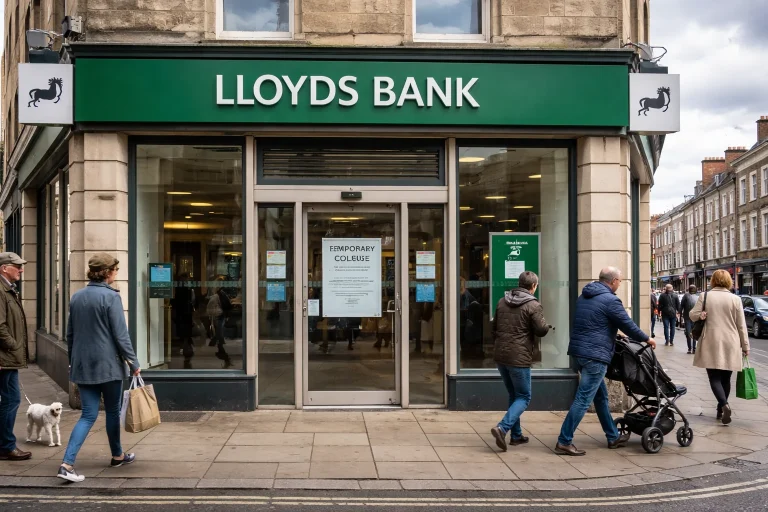


The Department for Work and Pensions has confirmed there is no official cost of living payment scheduled for 2026. The previous relief scheme concluded in February 2024.
Automated deduction from April 2026
Minimum & Living Wage adjustment
Emergency “cash-first” assistance available via local council Resilience Funds.
Discounted broadband and water rates for low-income households.
Priority Action
Verify your legacy benefit migration status before the March 2026 deadline.
If you are wondering whether there will be a cost-of-living payment in 2026, the short answer is that the Department for Work and Pensions has not announced any continuation of the scheme that ran between 2022 and 2024.
The final payments were made to eligible households between 6 February and 22 February 2024, meaning there is no official cost-of-living payment scheduled for 2026.
However, the government has introduced several alternative measures to help households manage everyday expenses this year.
These include:
- £150 off energy bills automatically applied from April
- 4% pay rise for millions of workers
- Free childcare and breakfast clubs for eligible families
- Removal of the two-child limit on Universal Credit
What Is The Cost Of Living Payment 2026?

The cost-of-living payment was introduced to support UK households struggling with everyday expenses. While the scheme ran between 2022 and 2024, there has been no official confirmation for 2026. It was designed to supplement your income and cover essential costs such as energy bills, food, and household needs.
Even though there’s no new payment this year, the government continues to take steps to help you:
- Average £150 reduction in energy bills from April 2026, automatically applied.
- Freeze rail fares to reduce commuting costs.
- Prescription charges are maintained under £10.
- Wage boosts through the National Minimum and Living Wage increases.
- Removal of the two-child limit on Universal Credit, helping larger families.
These measures collectively aim to ease financial pressures, making it easier for you to manage your household budget without waiting for a direct payment.
Who Was Eligible For The Cost Of Living Payment?
Eligibility for the previous cost-of-living payment was linked to your financial circumstances and benefits.
It was primarily aimed at low-income households, pensioners, and those receiving Universal Credit or other qualifying benefits.
Key eligibility points included:
- Households receiving Universal Credit, Pension Credit, or disability-related benefits.
- Pensioners receiving the State Pension or Attendance Allowance.
- Families with children receiving Child Benefit.
- Individuals on low incomes who met DWP criteria.
If you were eligible, the payment was automatic, requiring no separate application.
A Low Income Person said, “I didn’t know if I would get the payment at first, but it was automatically added to my account. It really helped cover my gas bill, and I could focus on other essentials without stress. I wish there were more programmes like this in 2026.”
These criteria ensured that the support reached households who needed it most, alleviating financial pressure and improving quality of life.
When Was The Last Cost Of Living Payment Paid?

The final cost of living payment from the previous scheme was distributed between 6 February and 22 February 2024. Payments were automatically deposited into the bank accounts of eligible recipients, depending on the benefit type or household circumstances.
Key details include:
- Payments went directly to Universal Credit or Pension Credit accounts.
- Those receiving other benefits like Child Benefit or DLA also had automatic transfers.
- No applications were necessary; eligibility was determined by existing benefit records.
Although the DWP has not announced a 2026 payment, understanding the schedule and delivery method of previous payments helps you anticipate how future support measures might be administered.
One person said, “I remember receiving the last payment in February 2024. It was seamless, and I didn’t have to fill in any forms. The money helped me catch up on my bills before the month ended.”
Are There Any Alternative Support Measures In 2026?
While there will not be a new cost of living payment in 2026, the UK government has introduced a variety of support measures to help you manage rising living costs.
These initiatives cover areas such as energy bills, wages, rail fares, prescription costs, childcare, and pensions. By understanding what support is available, you can better plan your household budget and ensure you are claiming every available benefit.
These measures aim to reduce the financial burden on households, particularly for those on low incomes, families with children, and pensioners. Each step is designed to be automatic or easily accessible, meaning you don’t need to apply for a separate one-off payment to benefit.
How Can You Save On Energy Bills?
From April 2026, households will automatically benefit from an average of £150 off their energy bills.
This discount is in addition to the Warm Home Discount Scheme, which provides a one-off £150 reduction on electricity bills, giving you a total potential saving of £300.
- The Ofgem energy price cap will decrease by 7%, limiting the cost of gas and electricity until July 2026.
- Savings are applied automatically, including for households on fixed energy tariffs.
- The exact amount you save depends on your energy usage and tariff type, so households using more energy may see slightly higher savings.
These measures aim to significantly reduce your monthly bills without requiring additional steps.
You can also take practical steps to maximise savings, such as:
- Turning off unused appliances and lights.
- Improving insulation and sealing gaps in windows or doors.
- Using energy-efficient appliances whenever possible.
This ensures your household can stretch income further without compromising comfort or safety.
How Are Workers’ Pay Boosted In 2026?
In April 2026, 2.7 million workers across the UK will benefit from a 4% pay increase. This rise applies to both the National Minimum Wage and National Living Wage, aiming to support low-income earners in coping with the rising cost of living.
- Full-time workers on the National Living Wage could see an extra £900 annually, giving more flexibility to cover essential household costs.
- Young workers aged 18-20 may receive an additional £1,500 per year, which can significantly ease financial pressures for younger adults entering the workforce.
This wage increase is particularly valuable for households that rely on work income as their main source of support, helping you maintain purchasing power against inflation.
How Will Rail And Transport Costs Be Reduced?
For the first time in 30 years, regulated rail fares are frozen across England and parts of Wales in 2026. This decision aims to make commuting and travel more affordable for millions of people.
- The freeze applies to season tickets, peak return fares, and off-peak returns between major cities.
- A typical commuter traveling three days per week could save approximately £315 a year, which is a significant contribution to household savings.
- This change benefits over a billion passenger journeys annually, reducing financial pressure for daily commuters.
By keeping rail fares stable, the government helps households manage transport costs, freeing up money for other essential expenses like groceries, childcare, or utility bills.
How Are Prescription Costs Controlled?
Prescription costs in England will remain under £10 in 2026, ensuring essential medications stay affordable.
- Prepayment Certificates and existing exemptions remain unchanged, so those requiring regular prescriptions or with chronic conditions can budget effectively.
- This reduces the risk that individuals will skip medications due to cost concerns.
- Maintaining low prescription costs also supports overall public health, helping avoid more serious and expensive medical interventions later.
For families and individuals managing ongoing health needs, this stability is an important part of the broader cost-of-living support.
What Support Is Available For Families?
Families in 2026 will have access to several new or expanded benefits, making it easier to manage childcare, nutrition, and household expenses.
- Universal Credit: The two-child limit is removed, allowing all children in a family to be eligible for support. This change helps lift approximately 450,000 children out of poverty.
- Government-Funded Childcare: Eligible working parents in England can receive up to 30 hours per week of childcare for 38 weeks a year, saving families up to £7,500 annually.
- Free Breakfast Clubs: These are being rolled out to all primary schools, ensuring children start the day nourished and ready to learn while saving parents up to £450 a year.
Together, these measures make it easier for families to balance work commitments, childcare, and household budgeting without compromising children’s wellbeing or educational opportunities.
How Are Pensioners Supported?
Pensioners will also benefit from substantial support in 2026, particularly through the New State Pension increase.
- Payments rise by 8%, bringing the weekly amount to £241.30, or £12,547.60 annually.
- This above-inflation increase helps cover rising costs, including energy, groceries, transport, and essential services.
- The adjustment ensures pensioners maintain their purchasing power despite ongoing economic pressures.
By combining energy discounts, stable prescription costs, and pension adjustments, pensioners are better protected from financial hardship, even without a direct cost-of-living payment.
Overall, while there is no direct cost of living payment in 2026, the government’s comprehensive support package, including energy savings, wage increases, rail fare freezes, childcare, pension adjustments, and healthcare cost controls, ensures that households continue to receive practical help to ease financial pressures.
What Benefits And Payments Are Updated In 2026?

In 2026, several benefits and payments will be updated to ensure you continue to receive financial support that keeps pace with the rising cost of living.
These changes are designed to maintain your purchasing power, cover essential expenses, and make it easier to manage your household budget.
Universal Credit Updates
The standard allowance for Universal Credit will increase by 6.2%, giving you more flexibility to meet everyday costs.
- If you are a single claimant over 25, your weekly allowance will rise from £92 to £98.
- If you are part of a couple over 25, the weekly payment increases from £145 to £154.
These adjustments ensure that households relying on Universal Credit can better handle expenses such as rent, food, and utility bills.
Other Benefits
Several additional benefits will also be uprated in line with inflation, helping you maintain your standard of living:
- Personal Independence Payment (PIP)
- Disability Living Allowance (DLA)
- Employment and Support Allowance (ESA)
- Attendance Allowance
- Carer’s Allowance
Most of these payments will increase by 3.8%, reflecting September’s inflation rate. These updates are particularly valuable if you or someone in your household relies on disability or care-related support.
State Pension
For pensioners, the New State Pension will rise to £241.30 per week, equivalent to £12,547.60 annually.
- This above-inflation increase helps cover everyday costs such as groceries, energy bills, transport, and healthcare.
- If you are a pensioner, understanding your payment schedule ensures you can plan ahead for larger bills or seasonal expenses.
Bank Holiday Adjustments
Certain bank holidays affect benefit and pension payment dates, including Good Friday and Easter Monday.
- If a payment normally falls on a bank holiday, it will be paid the day before.
- Being aware of these changes helps you avoid missed payments and manage your finances more effectively.
Legacy Benefits Migration
By March 2026, the government aims to complete the migration of legacy benefits to Universal Credit.
- This includes benefits such as Tax Credits, Housing Benefit, Income Support, and Jobseeker’s Allowance.
- If you currently receive any legacy benefits, you should have received a notice about your transfer.
- This ensures you continue to receive payments without interruption and can access additional support included in Universal Credit.
By keeping track of these updates and payment dates, you can plan your monthly budget efficiently, avoid financial stress, and make sure you are claiming every support you are entitled to.
Are There Other Financial Supports For Households?

In addition to the alternative support measures for energy bills, wages, rail fares, and childcare, the UK government provides a range of financial supports to help households manage everyday costs.
These measures aim to ensure that, even without a direct cost-of-living payment in 2026, you can still access emergency funds, housing assistance, loans, charitable grants, discounted utilities, and council tax reductions.
By understanding these options, you can plan your finances more effectively and ensure you are claiming all available support.
1. Crisis And Resilience Fund
The Crisis and Resilience Fund is a key support measure administered by local councils to provide quick, cash-first assistance to households experiencing urgent financial difficulties.
- It is designed to help those facing sudden income shocks, such as unexpected unemployment, illness, or reduced hours.
- Support is not limited to people receiving benefits. Eligibility depends on local council criteria, which can vary by area.
- The cash-first approach ensures that you receive funds quickly, helping cover immediate needs such as groceries, utilities, or emergency household costs.
This fund ensures that households at risk of entering crisis have access to practical support, avoiding long-term financial problems.
2. Housing Payments
If you are struggling with rent, deposits, or moving costs, housing payments can provide short-term relief to keep you and your family secure.
- These payments are primarily for households receiving Housing Benefit or Universal Credit housing elements.
- Councils may extend support to those in urgent need who are not on benefits, offering discretion for households facing hardship.
- Assistance can cover rent arrears, advance rent, or temporary housing costs, helping you avoid eviction or homelessness.
By accessing housing payments, you can focus on stabilising your living situation while arranging longer-term financial planning.
3. Budgeting Advance Loans
Budgeting advance loans are an interest-free financial support option available to Universal Credit claimants for emergency expenses.
- You can borrow up to £348 as a single claimant, £464 as a couple, or £812 if you receive child benefit.
- The repayment period is a maximum of 2 years, with deductions automatically applied to your Universal Credit payments.
- Monthly deductions are capped at 15% of your standard allowance, which prevents repayments from becoming a burden.
These loans provide a lifeline for unexpected expenses, such as urgent home repairs, medical costs, or temporary financial shortfalls, without the added pressure of interest charges.
4. Charitable Grants
Charitable grants are another valuable form of financial support, helping households in need for specific circumstances.
- Eligibility varies depending on factors such as disability, illness, bereavement, unemployment, or student status.
- The government encourages households to use the Turn2us online tool to search for grants suitable for their circumstances.
- Grants are typically one-off or limited in amount, but they can provide critical support when other measures are unavailable.
By exploring charitable grants, you can supplement government support and cover costs that might otherwise go unmet.
5. Social Tariffs
Many utility providers offer social tariffs, which are discounted rates for low-income households or benefit recipients.
- These reduced rates apply to broadband and water bills, helping you save on essential services.
- Social tariffs differ between providers and regions, so it’s important to check what your local provider offers.
- For water services, tariffs are regulated to provide reductions for eligible households, though amounts vary regionally.
Social tariffs are an effective way to reduce monthly bills without altering your usage, freeing up funds for other household priorities.
6. Council Tax Reduction
Council tax is a significant expense for many households, but council tax reduction schemes provide relief if you meet certain criteria.
- You may qualify for up to 100% reduction, depending on income, age, or financial hardship.
- Councils also have discretion to provide additional reductions in cases of severe financial difficulty.
- These reductions are applied automatically once eligibility is confirmed, helping you avoid late payments and penalties.
By taking advantage of council tax reductions, you can lower your overall household expenses, particularly if you are balancing multiple financial pressures.
How These Measures Work Together?
Combined, these financial supports form a comprehensive safety net for households across the UK. Even without a direct cost-of-living payment in 2026, you can:
- Access emergency funds for urgent needs.
- Secure housing support to prevent rent arrears or eviction.
- Borrow interest-free budgeting loans to cover unforeseen expenses.
- Apply for charitable grants to supplement your income.
- Reduce utility bills through social tariffs.
- Cut council tax with reductions or discretionary support.
Together, these measures ensure that households have multiple avenues of support, providing financial stability and flexibility during 2026.
Practical Advice
To make the most of these measures:
- Check eligibility early for all schemes and apply promptly.
- Keep documentation ready such as benefit letters, proof of income, or household details.
- Combine multiple supports where possible (for example, social tariffs plus council tax reductions) to maximize household savings.
- Stay informed about local council schemes, as they can offer additional help tailored to your area.
By actively using these financial supports, you can manage everyday costs more effectively and ensure your household remains stable throughout 2026.
How Can You Make The Most Of Available Support?

To make 2026 more manageable financially, it’s important to actively check and claim all support measures available to you. With multiple government initiatives and local schemes in place, taking the time to explore your options can significantly reduce household costs.
Start by verifying your eligibility for core benefits like Universal Credit, the State Pension, and government-funded childcare.
Ensure that you’re claiming the full amount for which you qualify. Next, review your energy bills and confirm that all automatic discounts, including the £150 energy savings and Warm Home Discount, are applied to your account.
Families should take advantage of free breakfast clubs and up to 30 hours of government-funded childcare, which can save thousands annually while supporting children’s wellbeing. Additionally, use online tools like Turn2us to identify charitable grants tailored to your circumstances.
Finally, monitor payment schedules for benefits, pensions, and childcare support to plan bills and manage cash flow effectively. By combining these steps, you can maximize your household income, reduce stress, and make the most of all available financial support in 2026.
What Should You Know About Mental Health Support?

Financial pressures can take a significant toll on your mental health. Recognising the link between money stress and wellbeing, the UK government and charities provide a range of mental health support services to help you cope.
If you’re feeling overwhelmed, Samaritans are available 24/7 via phone or email, offering a safe and confidential space to talk. Mind provides a dedicated support line with professional guidance, while Scope runs online forums for disabled individuals, carers, and others facing financial or health-related challenges.
The NHS online triage service also allows you to access mental health advice and resources without leaving home.
Seeking help early ensures you maintain emotional stability while navigating financial challenges. Combining financial planning with mental health support can make a real difference, helping you make informed decisions about spending, benefits, and emergency support.
Remember, prioritising your mental wellbeing is just as important as managing your household budget. By taking advantage of these services, you can reduce anxiety, build resilience, and face 2026 with greater confidence and stability.
Conclusion: What You Need To Remember About 2026 Support?
While there is no cost-of-living payment in 2026, the UK government provides a wide range of support measures. From energy bill reductions, pay increases, and frozen rail fares to childcare support, prescription caps, and pension adjustments, households have multiple ways to manage costs effectively.
By understanding benefit updates, checking eligibility for additional funding, and planning your household finances, you can reduce stress and ensure financial stability throughout the year.
It’s important to stay informed, claim what you’re entitled to, and use available tools such as council support, charitable grants, and social tariffs. These combined measures aim to offset rising living costs, giving you practical and sustainable help during 2026.
FAQs
Will there be a new cost-of-living payment in 2026?
No, the government has not announced a continuation of the payment in 2026. Alternative support measures are available to help households.
How can I check if I’m eligible for government support?
You can review your benefits online via the government website or consult your local council. Eligibility depends on income, benefits received, and household circumstances.
What is the energy price cap, and how does it affect me?
The energy price cap limits what suppliers can charge for gas and electricity. In 2026, it drops by 7%, saving you money automatically.
When will Universal Credit and other benefits be paid in 2026?
Payments follow your existing schedule, with adjustments for bank holidays. Check your account for exact dates.
Are pensioners getting extra financial support in 2026?
Yes, the New State Pension increases by 4.8% from April 2026. This helps cover everyday costs and inflation.
How can I reduce my household bills this year?
Use automatic energy discounts, social tariffs for water and broadband, and take advantage of free breakfast clubs and childcare support.
What emergency funds or loans are available for low-income households?
You can access budgeting advance loans, Crisis and Resilience Fund payments, and housing support from local councils.