

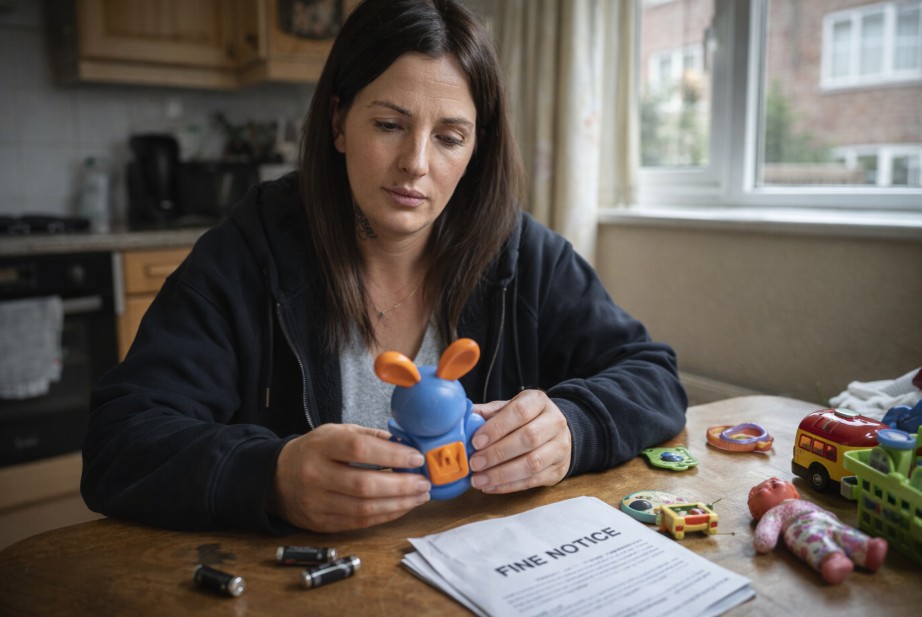
The Guernsey battery waste fine case gained widespread attention after a local mother faced a potential £11,500 penalty for accidentally disposing of toys containing batteries during a house move. The incident highlighted how strict waste disposal rules can apply even when mistakes are unintentional.
Waste management companies say such fines exist to prevent fires and protect workers, while critics argue that clearer warnings are needed so residents understand the risks and penalties.
Key takeaways from the Guernsey battery waste fine case include:
- A Guernsey mother accidentally threw away toys containing 23 AA batteries
- The waste company initially calculated a £500 penalty per battery
- The potential fine reached £11,500 before being reduced
- Waste firms warn batteries are the leading cause of fires at waste sites
- The case sparked debate about public awareness and waste disposal rules
The incident has become an important reminder for residents to carefully check items before disposal and understand the safety rules surrounding battery waste.
What Happened in the Guernsey Battery Waste Fine Case?

The Guernsey battery waste fine case began when local resident Krystal Ogier arranged for household waste to be collected while moving from her home in St Peter Port to a smaller and more affordable property.
As part of the move, she purchased large waste bags from the private refuse company Island Waste to dispose of unwanted household items.
Among the items placed into the bag were several of her children’s old toys. According to reports, these toys still contained AA batteries, which were not removed before disposal. When the waste bag was later inspected by the waste company, staff discovered 23 batteries inside four or five toys.
Because batteries are classed as unacceptable waste in standard refuse bags, the company calculated a penalty under its waste acceptance rules. The fine was initially assessed at £500 per battery, which meant the total penalty could reach £11,500.
The mother later explained that the mistake happened during the stress of moving house. She said she knew loose batteries should not be placed in general waste but did not realise they were still inside the toys she discarded.
Why Was the £11,500 Battery Waste Fine Issued?
The large penalty linked to the Guernsey battery waste fine case came from the waste company’s safety rules designed to prevent dangerous materials from entering general rubbish collections.
Island Waste has a policy known as Waste Acceptance Criteria, which outlines items that must never be placed in mixed waste bags.
Batteries are considered hazardous because they can trigger fires or chemical reactions during waste processing. For this reason the company applies financial penalties if they are found in waste bags collected from customers.
Important factors behind the fine included:
- The waste bag was found to contain 23 AA batteries
- The company’s policy states a £500 charge per battery
- Customers must confirm they have checked waste for batteries
- The booking system requires users to tick a confirmation box
- The customer accepted the terms during the online booking process
Despite the initial calculation of £11,500, the company later reviewed the situation. According to reports, the penalty was significantly reduced and a payment plan was offered to help manage the cost.
Waste operators say such policies are intended to protect workers, facilities, and the environment from battery related incidents.
Why Are Batteries So Dangerous in Waste Disposal?

The Guernsey battery waste fine case highlights a wider safety issue within the waste industry. Batteries are widely recognised as one of the most dangerous items when mixed with general rubbish because they can easily ignite during waste handling and processing.
Waste management organisations report that batteries are the leading cause of fires at recycling and waste facilities. When waste is compacted, crushed, or exposed to heat, batteries may short circuit or rupture.
Several key risks explain why strict disposal rules exist:
- Lithium and alkaline batteries can spark or explode when damaged
- Waste processing equipment can crush batteries, causing fires
- Fires can spread quickly in large waste piles
- Workers and nearby facilities face potential injury or damage
Industry research has highlighted the scale of the problem. Reports from the Environmental Services Association indicate that around six billion batteries are discarded in the UK each year, with many hidden inside electronic devices or toys.
These hidden batteries can go unnoticed until waste is processed. Experts warn that when batteries enter the waste stream they create serious hazards for staff, vehicles, and recycling infrastructure.
What Did the Mother Say About the Guernsey Battery Waste Fine?
Krystal Ogier has spoken openly about the emotional impact of the Guernsey battery waste fine, describing how the situation left her shocked and distressed when she first heard about the potential penalty.
According to her account, the phone call informing her about the fine was overwhelming. She explained that the situation escalated quickly because the penalty was calculated for each individual battery found in the waste bag.
She said during the call that her reaction was immediate and emotional.
“My head exploded. I was sobbing on the phone,” she explained while recalling the moment she was told about the potential charge.
The mother of five said she had not intended to break any rules and believed the mistake happened because the batteries were hidden inside toys that were thrown away during the move. She acknowledged responsibility but said the financial impact was frightening.
She also described how the possible penalty affected her mentally and financially.
“I literally thought I’m going to have to do prison time for this because I can’t afford it,” she said when discussing the initial amount.
She explained that she was on maternity leave from her job as a hairdresser at the time and worried about how she could afford the payments.
Key concerns she raised included:
- The fine felt extremely high for an accidental mistake
- Clearer warnings should appear when booking waste services
- Many people may not realise batteries are hidden inside toys
- She wanted to warn others not to repeat the same mistake
She said the experience was “soul destroying” and hoped sharing her story would raise awareness about the importance of checking items carefully before disposal.
What Was Island Waste’s Response to the Incident?

Island Waste responded to the Guernsey battery waste fine case by emphasising that its policies are designed primarily to protect safety rather than punish customers. The company stated that battery related fires are one of the most serious threats faced by waste facilities.
A company spokesperson explained that the penalties are intended to highlight the potential dangers associated with improper battery disposal.
“The consequences of a battery fire can be catastrophic for a waste site, rapidly spreading and causing risk of injury to people, damage to property and the environment,” a company representative said.
The waste company also noted that its booking system includes multiple steps designed to warn customers about these risks. Before confirming a waste collection order, users must confirm that they have checked their waste for batteries and accepted the waste acceptance rules.
Island Waste also stated that it does not want to issue fines but must enforce safety rules when dangerous materials are discovered.
The company said it worked with the customer after the incident by:
- Reducing the original penalty amount
- Offering a weekly payment plan
- Communicating with the customer about the situation
According to the company, public awareness about battery safety remains essential for protecting waste workers and facilities.
Are Waste Disposal Rules in Guernsey Clear Enough?
The Guernsey battery waste fine incident has sparked discussion among residents about whether waste disposal rules are communicated clearly enough to the public.
Some people believe that waste companies should display stronger warnings about the penalties associated with prohibited items. Others argue that the rules are already available but may not always be noticed by customers during the booking process.
Krystal Ogier herself said the website could present the information more clearly. She suggested that warnings about fines should be displayed more prominently so that customers fully understand the consequences before arranging a waste collection.
Points raised in the public discussion include:
- Some users say the £500 fine is mentioned but not clearly explained as per item
- Customers may overlook detailed conditions in terms and policy documents
- Waste companies argue their systems already include clear warnings
- Safety policies are designed to prevent dangerous incidents
Waste operators maintain that customers are required to confirm they have read the rules before using the service. However, the debate highlights the need for improved awareness around hazardous waste disposal. For many residents, the case has acted as a reminder to carefully review waste policies before discarding household items.
How Should Batteries Be Disposed of Properly in Guernsey?
The Guernsey battery waste fine case has encouraged many residents to learn more about the correct way to dispose of batteries safely.
Waste management experts say batteries should never be placed in general rubbish bags because they can create serious fire hazards during collection and processing.
Residents are encouraged to remove batteries from any device before throwing items away. This includes toys, small electronics, and household gadgets that may contain hidden power cells.
Proper disposal practices include the following steps:
- Always check toys, remotes, and small electronics for batteries
- Remove batteries before placing items in waste bags
- Store used batteries safely until recycling
- Take batteries to designated recycling points
Many supermarkets and recycling centres provide collection boxes specifically for battery recycling.
The following table summarises common battery disposal options:
| Item | Correct Disposal Method |
|---|---|
| AA / AAA batteries | Battery recycling bins |
| Lithium batteries | Designated hazardous waste collection |
| Toys with batteries | Remove batteries before disposal |
| Electronic devices | E waste recycling centres |
Recycling batteries prevents dangerous reactions and allows valuable materials to be recovered safely. Waste experts say public participation in recycling programmes is essential to reduce risks and protect waste facilities.
What Does the Guernsey Battery Waste Fine Case Mean for Residents?

The Guernsey battery waste fine story has become an important lesson for residents about the risks and responsibilities involved in disposing of household waste.
Although the incident involved a specific customer and waste company, the situation reflects a broader issue affecting waste systems across many regions. Hidden batteries inside toys, gadgets, and electronics are increasingly common and can easily enter the general waste stream.
For residents, the case highlights several important points:
- Batteries can remain hidden in everyday household items
- Waste companies may enforce strict penalties to prevent safety risks
- Even accidental mistakes can result in significant charges
- Checking items carefully before disposal is essential
The case has also raised awareness about how waste facilities operate and why safety rules exist.
Many residents have said the story prompted them to double check items before discarding them. In this way the incident has helped increase public awareness about battery recycling and safe waste management practices.
Experts believe greater education and clearer guidance will help reduce similar incidents in the future.
Could Similar Battery Disposal Fines Happen Elsewhere in the UK?
While the Guernsey battery waste fine case occurred on the Channel Island, similar waste safety concerns exist across the UK. Local councils and private waste operators throughout the country enforce regulations designed to prevent hazardous materials entering standard rubbish collections.
Batteries are increasingly common in household items, which has made safe disposal a growing priority for waste management organisations.
Authorities warn that incorrectly discarded batteries can damage equipment and create dangerous fires during waste processing. Across the UK, residents are encouraged to follow recycling rules and use designated battery collection points.
Important factors affecting waste enforcement include:
- National environmental safety regulations
- Local council waste management policies
- Fire risks associated with lithium batteries
- Growing volume of battery powered devices
Although fines may vary depending on location and policy, experts say improper disposal can lead to penalties if safety rules are breached.
The Guernsey case has therefore become a wider reminder for households across the UK to ensure batteries are removed and recycled correctly.
Conclusion
The Guernsey battery waste fine case has drawn attention to the hidden dangers of disposing of batteries incorrectly. What began as an accidental mistake during a house move quickly developed into a costly lesson about waste management rules and the serious risks batteries pose when placed in general rubbish.
The incident involving Krystal Ogier illustrates how easily batteries inside everyday items such as children’s toys can enter the waste system unnoticed. Waste operators argue that strict penalties are necessary because battery related fires can threaten workers, facilities, and the environment.
At the same time, the story has sparked debate about whether clearer warnings should be provided to customers when booking waste services.
Ultimately, the case highlights an important message for residents in Guernsey and across the UK. Carefully checking items for hidden batteries and using proper recycling points can help prevent dangerous incidents and avoid costly fines.
FAQs
Why was a Guernsey mother fined for throwing away batteries?
A Guernsey mother faced a large penalty after toys containing 23 batteries were found inside a waste bag collected by a private refuse company. Batteries are banned from general waste because they can cause fires at disposal facilities.
How many batteries were found in the waste bag?
Waste inspectors discovered 23 AA batteries hidden inside several children’s toys that had been placed in the rubbish bag during a house move.
Are batteries dangerous in household waste?
Yes, batteries can ignite or explode if damaged during waste processing. This risk makes them one of the leading causes of fires at recycling and waste sites.
How much was the Guernsey battery waste fine reduced to?
The initial calculation reached £11,500 based on £500 per battery. The company later reduced the fine and arranged a payment plan with the customer.
Where can batteries be recycled in Guernsey?
Residents can dispose of batteries at recycling centres, designated battery bins, and collection points available in many supermarkets and waste facilities.
What happens if batteries cause fires at waste sites?
Battery fires can spread quickly through waste piles and damage equipment, buildings, and vehicles. They also pose serious safety risks to workers at waste facilities.
Can residents be fined for disposing of hazardous waste incorrectly?
Yes, waste companies and authorities may impose penalties if prohibited items such as batteries are placed in general waste collections.