

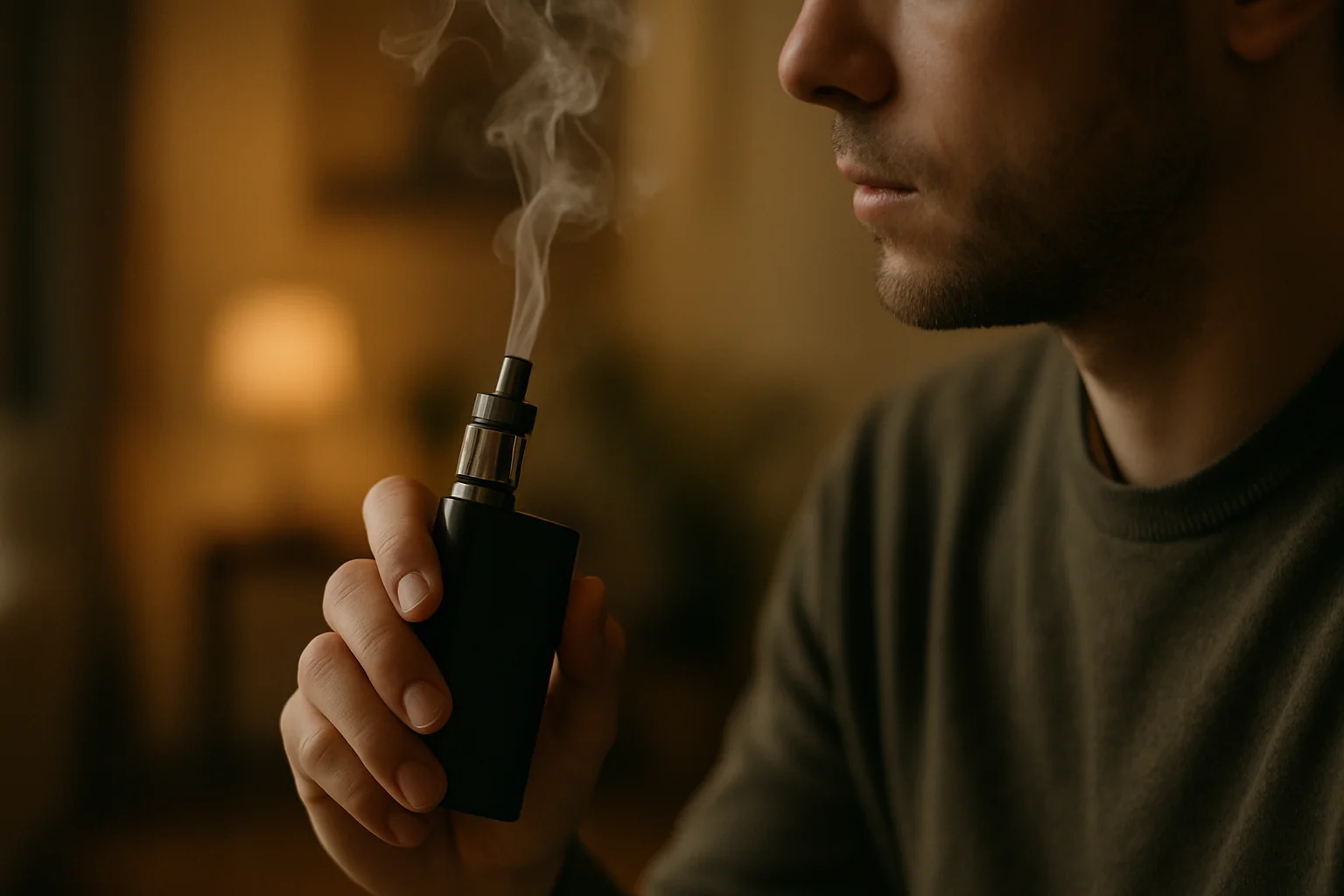
Across the UK, vaping has become a widespread habit, especially among young adults. It’s marketed as a less harmful alternative to smoking, and many Muslims who previously smoked have turned to e-cigarettes, believing it may be more acceptable in their faith. But an important question continues to arise: Is vaping haram?
While the UK’s Office for Health Improvements and Disparities maintains that vaping is at least 95% less harmful than smoking, Islamic rulings don’t solely rely on comparative harm.
Many Muslims are left wondering: does the reduced risk make it permissible? Or does its addictive nature and potential for harm still place it under the forbidden category?
This article provides an in-depth, updated breakdown on vaping in Islam as of 2025, exploring health facts, religious rulings, and practical advice.
What Does Islam Say About Harmful Habits?
To evaluate whether vaping is haram, it’s important to understand how Islam views harm. Islam is a faith that places immense emphasis on the preservation of health, mental clarity, and self-discipline. Any practice that significantly harms a person’s body or mind is subject to religious scrutiny.
Quranic Teachings on Self-Harm
The Qur’an repeatedly warns believers against actions that lead to harm or destruction. One of the most cited verses in this context is:
“Do not let your own hands contribute to your destruction…” – Surah Al-Baqarah (2:195)
This is not limited to violence or crime, it includes harmful lifestyle habits like smoking or drug use. Scholars often extend this ruling to modern practices, like vaping, especially when evidence of harm exists.
Why Do Many Scholars Consider Vaping Haram?

Islamic scholars rely on several key principles when determining if a modern practice is halal or haram. In the case of vaping, the dominant view across many global Islamic councils, including in the UK, is that vaping is haram or at least makruh (discouraged).
Primary Reasons for Prohibition
- Presence of nicotine: a known addictive substance
- Health risks: although lower than cigarettes, vaping still introduces foreign chemicals
- Addiction: loss of self-control is spiritually detrimental
- Waste of money: spending on harmful or unnecessary items
Islamic Ruling Comparison Between Smoking and Vaping
| Criteria | Smoking (Cigarettes) | Vaping (E-cigarettes) |
|---|---|---|
| Contains nicotine | Yes | Often yes |
| Causes addiction | Yes | Yes |
| Linked to health damage | Strongly proven | Still emerging |
| Breaks fast in Ramadan | Yes | Yes |
| Directly haram in most fatwas | Yes | Often yes or makruh |
Is Vaping Addictive Like Smoking?
One of the most significant concerns about vaping is the presence of nicotine, the same substance found in cigarettes. It is highly addictive, leading to dependency and withdrawal symptoms if stopped abruptly.
How Does Islam View Addiction?
In Islamic teachings, addiction is not just a physical problem; it’s a spiritual one. Being dependent on any substance can distract a person from their faith, disrupt their discipline, and affect their health.
“Do not kill yourselves. Indeed, Allah is to you ever Merciful.” – Surah An-Nisa (4:29)
This commandment underlines the responsibility to protect both life and well-being. Anything that contradicts this, including vaping-induced addiction, is considered highly problematic.
Could Vaping Break the Fast in Ramadan?

A common question among Muslim vapers is whether using a vape during fasting hours breaks the fast. The consensus among scholars is clear: yes, vaping invalidates the fast.
Why Vaping is Not Allowed While Fasting?
Although vapour is not food or drink, it still involves inhaling a substance that enters the body, offering satisfaction and stimulation, which goes against the essence of fasting.
Muslims are encouraged to use the month of Ramadan to quit vaping altogether as part of their spiritual renewal and discipline.
Can Vaping Ever Be Considered Permissible?
There are exceptions, particularly when vaping is used as a transitional tool to quit smoking. In this case, some scholars label it as makruh, meaning it’s discouraged but not sinful if done with good intention and a plan to stop.
The Role of Intention (Niyyah) in Islamic Rulings
Intent matters. If a person uses vaping as a sincere means to stop smoking and aims to quit vaping soon after, some leniency may apply. However, if the habit continues indefinitely or becomes a source of addiction, the ruling leans towards haram.
Islamic law always encourages moving toward purification, health, and self-restraint.
What Do Global Islamic Authorities Say About Vaping?
Various Islamic councils have issued fatwas on vaping in recent years, especially as it became more common among Muslim youth.
Global Fatwa Highlights
- Malaysia (2015): Vaping declared haram due to health risks
- Egypt’s Al-Azhar: Strong warnings about vaping’s addictive nature
- Saudi Arabia & Indonesia: Lean towards prohibition
- UK Imams: Advise against recreational use, particularly among youth
These fatwas reflect a shared concern: even though vaping may appear harmless at first, its consequences on the body and soul warrant avoidance.
Is There a Difference Between Nicotine Vaping and Nicotine-Free?
Some vapes are marketed as nicotine-free, claiming to be a safer alternative. While they may remove the addictive component, that doesn’t automatically make them permissible.
Are Nicotine-Free Vapes Halal?
- Still introduce foreign substances into the body
- Health effects of flavourings and chemicals are not fully known
- May imitate the behaviour of non-Islamic trends
- Could lead back to nicotine use in some cases
Therefore, while they may not be haram in all cases, many scholars still view them as makruh, especially when used recreationally or without purpose.
How Do Islamic Values Address Youth and Vaping?

Vaping has surged among teenagers, including young Muslims in schools, colleges, and even masjids. This raises serious concerns among scholars and community leaders.
Youth, Responsibility, and Discipline in Islam
Islam encourages self-restraint and accountability from an early age. Any habit that harms the body, wastes time, or leads to addiction is strongly discouraged.
Parents and educators are advised to:
- Educate youth on the health and spiritual consequences
- Encourage alternatives like sports or creative activities
- Address peer pressure through faith-based mentorship
Preventing bad habits before they start aligns with Islamic principles of upbringing and moral responsibility.
What About Vaping as a Harm-Reduction Strategy?
In the medical field, vaping is often presented as a harm-reduction method, a less dangerous option compared to smoking. Some Muslims see this as a valid step towards quitting.
Islamic Perspective on Harm Reduction
Islamic jurisprudence supports choosing the lesser of two harms when faced with limited options. If a person cannot quit smoking cold turkey, and vaping genuinely helps, it may be acceptable as a temporary solution.
However, harm-reduction is not the same as harm-removal. The goal should still be complete abstinence from both smoking and vaping.
Are There Better Halal Alternatives to Quit Smoking?

Yes. Islamic scholars and health experts agree that smoke-free nicotine alternatives are more acceptable, especially when used strictly for quitting.
Examples of Halal Smoking Cessation Tools
- Nicotine gums and patches
- Nicotine pouches (if non-intoxicating and medically guided)
- Prescription medications (e.g., varenicline)
- Support groups and counselling
These methods do not involve inhalation or behaviour that mimics smoking, making them more compatible with Islamic values.
Can You Give a Real Example of a Muslim Quitting Vaping?
Absolutely. Let’s take the story of Yusuf, a 30-year-old from Birmingham. Yusuf began vaping as a way to stop smoking after his father had a heart attack. He initially felt he had made a halal switch. But over time, Yusuf realised he had simply replaced one addiction with another.
His local imam advised him to try nicotine patches and gradually reduce his intake. With the support of his wife and friends, Yusuf fully quit vaping within 10 months. He now volunteers at his mosque, helping others break their dependence on smoking and vaping.
His journey is proof that with sincerity, support, and guidance, quitting is possible, and rewarded.
Conclusion: Is Vaping Haram?
The growing popularity of vaping has led many Muslims to revisit what Islam says about health, discipline, and harmful behaviours. As of 2025, most Islamic scholars categorise vaping as haram, especially when it contains nicotine, causes addiction, or is used recreationally.
Even in cases where vaping helps someone quit smoking, it should be seen as a transitional step, not a lifestyle. Islam always prioritises what protects the mind, body, and soul, and vaping often contradicts that goal.
Muslims are encouraged to seek halal alternatives, make use of support systems, and aim for a lifestyle that honours both their health and their faith.
FAQs
Does vaping always break your fast during Ramadan?
Yes, inhaling vapour into the lungs invalidates the fast, even if it’s not food or drink.
Are nicotine-free vapes allowed in Islam?
They may not be haram, but are still discouraged due to imitation and unknown health effects.
Can vaping be used as a quitting method?
Only if used short-term with a clear intention to quit both vaping and smoking.
Does vaping nullify wudu?
No, but rinsing the mouth before prayer is recommended due to lingering scent.
Are nicotine pouches a better option than vaping?
Yes, when medically advised and used solely for quitting.
Is it haram to vape just for pleasure?
Yes, using any potentially harmful substance for pleasure is generally considered haram.
What’s the Islamic advice for addicted vapers?
Seek help, reduce usage gradually, and make sincere repentance while striving to quit.
{
“@context”: “http://schema.org/”,
“@type”: “FAQPage”,
“mainEntity”: [
{
“@type”: “Question”,
“name”: “Does vaping always break your fast during Ramadan?”,
“acceptedAnswer”: {
“@type”: “Answer”,
“text”: “Yes inhaling vapour into the lungs invalidates the fast even if it’s not food or drink.”
}
},
{
“@type”: “Question”,
“name”: “Are nicotine-free vapes allowed in Islam?”,
“acceptedAnswer”: {
“@type”: “Answer”,
“text”: “They may not be haram but are still discouraged due to imitation and unknown health effects.”
}
},
{
“@type”: “Question”,
“name”: “Can vaping be used as a quitting method?”,
“acceptedAnswer”: {
“@type”: “Answer”,
“text”: “Only if used short-term with a clear intention to quit both vaping and smoking.”
}
},
{
“@type”: “Question”,
“name”: “Does vaping nullify wudu?”,
“acceptedAnswer”: {
“@type”: “Answer”,
“text”: “No but rinsing the mouth before prayer is recommended due to lingering scent.”
}
},
{
“@type”: “Question”,
“name”: “Are nicotine pouches a better option than vaping?”,
“acceptedAnswer”: {
“@type”: “Answer”,
“text”: “Yes when medically advised and used solely for quitting.”
}
},
{
“@type”: “Question”,
“name”: “Is it haram to vape just for pleasure?”,
“acceptedAnswer”: {
“@type”: “Answer”,
“text”: “Yes using any potentially harmful substance for pleasure is generally considered haram.”
}
},
{
“@type”: “Question”,
“name”: “What’s the Islamic advice for addicted vapers?”,
“acceptedAnswer”: {
“@type”: “Answer”,
“text”: “Seek help reduce usage gradually and make sincere repentance while striving to quit.”
}
}
]
}