

Have you ever walked past a familiar place, only to find its windows dark and doors permanently shut? That’s exactly what happened in Chelsea when Partridges, the iconic royal grocer, closed its flagship store after over 50 years of service.
The announcement in early 2025 didn’t just mark the end of a food store, it triggered national reflection and what many described as a “royal disappointment”. For decades, Partridges wasn’t just a retailer.
It was a symbol of British tradition, royal heritage, and Chelsea’s elegant lifestyle. Its closure has struck a chord with generations of customers and admirers of classic British retail.
From serving the Queen to hosting bun awards, Partridges meant something far beyond groceries. But what truly led to this unexpected ending? Why did a store, still holding a Royal Warrant from King Charles, suddenly close its doors? Let’s explore how this beloved store left such a lasting impact.
What Made Partridges More Than Just a Grocer?
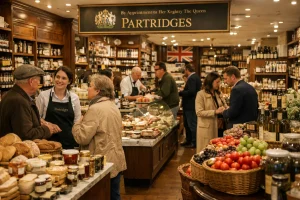
Partridges was never just a shop; it was a curated experience rooted in tradition and exclusivity. Since opening in Chelsea in 1972, it had established itself as a haven for fine foods, sought-after delicacies, and artisanal imports. You could find gulls’ eggs, frozen jugged hare, bird’s nest soup, and gourmet items from across the globe.
It became the kind of store that people didn’t just visit, they cherished. The personal attention, carefully selected items, and connection to British heritage made Partridges stand out in a city full of luxury retailers. It wasn’t just about luxury, it was about legacy.
From the fine food market it hosted for nearly 20 years to its community initiatives, Partridges was embedded in the lives of Londoners. Customers often shopped there with their parents and later brought their own children. Over five decades, it had become part of Chelsea’s identity, offering much more than shelves and price tags.
Why Was the Partridges Closure a Royal Disappointment?
The term “royal disappointment” wasn’t coined lightly. Partridges was a proud holder of Royal Warrants, having first received one from Queen Elizabeth II in 1994 after Buckingham Palace began ordering from the store in 1991.
Just months before its closure, it was granted a fresh Royal Warrant by King Charles III, making the decision even more poignant. The royal family’s connection gave the store a level of prestige unmatched by most retailers.
It was known that King Charles favoured the shop, and Princess Michael of Kent even judged their popular Chelsea Bun Awards in 2023. These associations placed Partridges firmly in the public imagination as a “royal” institution.
The timing of the new warrant, followed by the closure, created a narrative of loss, not just of a store, but of a regal tradition. For loyal royal watchers and everyday admirers, this was more than change, it was the end of an era in royal retailing.
What Led to the Closure of the Chelsea Flagship Store?
The decision to close Partridges’ Duke of York Square store wasn’t a failure but a strategic pivot. According to owner John Shepherd, the aim was to adopt a “smaller and more sustainable” format.
This shift aligns with broader trends in UK retail and a few major factors influenced the decision:
- Rising costs of operating large-scale flagship stores in prime London locations
- Changes in local demand and shopping behaviour in Chelsea’s evolving demographic
- A desire to embrace carbon-neutral, community-focused retailing
- Need for agility and flexibility to survive in a competitive market
Despite its royal prestige and loyal customer base, maintaining a large store format had become unsustainable in the long run. The brand’s commitment to environmental responsibility played a big role as well, with both Chelsea and Gloucester Road stores achieving carbon neutrality.
Rather than fading away, Partridges chose to evolve. This closure was part of a thoughtful transformation, not a collapse, and one that aligns with how people now shop in modern London.
How Did the Public and Celebrity Patrons React?

The closure sparked an outpouring of emotion, particularly on social media and in press columns. Chelsea residents and long-time shoppers described the decision as heartbreaking, calling Partridges “irreplaceable.”
The store wasn’t just visited for groceries, it was part of Saturday routines, family traditions, and community bonding.
Notable reactions included:
- One Instagram user reminisced about shopping since the 1980s and bringing their children
- Another commented, “If a Royal Warrant holder can’t survive the high street, what hope is there for anyone?”
- Coverage across UK media labelled the event a national “royal disappointment”
Celebrity patrons also reacted with sadness. Margaret Thatcher was a known fan, and public figures like Jane Asher and Sophie Winkleman were regulars.
The Chelsea Bun Awards, judged by Princess Michael of Kent, became an annual event that drew wide attention. Partridges had deep roots in British culture and media.Its closure wasn’t just a retail event, it felt like a public farewell to a piece of national heritage.
Is This the End of Partridges or a New Beginning?
Despite the flagship store closure, Partridges has made it clear that this isn’t the end, but a step forward. The Gloucester Road branch in Kensington remains fully operational and will serve as the new hub for the brand. Plans are in place to open smaller, more sustainable store formats in other areas of London.
This evolution reflects a business model that is better aligned with modern consumer habits, environmental priorities, and operational efficiency. Partridges is focused on staying true to its values while adapting to the changing retail climate.
Owner John Shepherd’s heartfelt messages reflect both pride and optimism. He emphasised that while the Chelsea chapter has ended, the Partridges spirit will live on in future ventures.
These upcoming shops will likely continue the brand’s heritage of offering gourmet foods and local community support. So for loyal fans, this isn’t goodbye, it’s a repositioning of Partridges for the next generation of British shoppers.
What Will Replace Partridges in Duke of York Square?
After the closure of Partridges, the iconic Chelsea location didn’t stay empty for long. Cadogan Estate, the landlord and longtime partner, introduced The Chelsea Grocer as a new high-quality food retailer for the site.
This decision aimed to retain the character and quality Chelsea residents had come to expect. Key transitions include:
- The Chelsea Grocer taking over the retail space formerly held by Partridges
- The weekly Fine Food Market, which Partridges had curated for 19 years, continuing under Cadogan’s management
- Cadogan’s commitment to supporting local artisans and maintaining heritage
John Shepherd expressed warm wishes to all market vendors and celebrated nearly two decades of running almost 1,000 food markets. The physical space may have changed names, but its purpose remains. Cadogan’s efforts ensure the continuity of a cherished local tradition.
Even without the Partridges name, the Square retains its place as a vibrant hub of independent food retail, community spirit, and Saturday market magic for Chelsea’s discerning shoppers.
How Does the Closure Reflect Wider UK Retail Challenges?
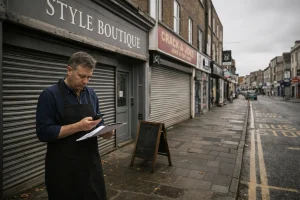
Partridges’ closure is more than a single event, it mirrors a nationwide challenge facing many independent and heritage retailers across the UK. The traditional British high street has been under pressure from rising rent, increased operational costs, and the dominance of online marketplaces.
Even stores with royal approval, like Partridges, are not immune. Across the country, Royal Warrant holders and family-run businesses are downsizing or shutting entirely, reflecting a shift in how consumers shop. Modern buyers prefer convenience, digital access, and value-focused experiences over large-format, legacy-style stores.
The closure also highlights how sustainability and adaptability have become critical to survival. As foot traffic declines in affluent zones like Chelsea and customer habits evolve, legacy brands must rethink their approach.Partridges chose to embrace this reality rather than fight it.
The decision wasn’t about loss, it was about strategic reinvention. In this sense, the royal disappointment echoes the broader transformation in British retail.
What Legacy Does Partridges Leave Behind?
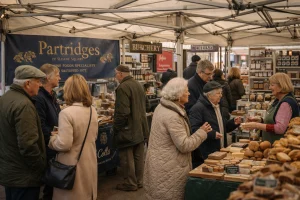
Partridges leaves a legacy that few grocers in the UK can match. It wasn’t simply about the products on the shelf, but the culture, history, and relationships built over five decades.
The store supported hundreds of food artisans, acted as a launchpad for startups through its Fine Food Market, and offered Londoners access to rare delicacies sourced globally.
Its royal connections elevated its public image, but it was the warmth of customer service and consistency of quality that truly defined its brand. Partridges was one of the last remaining examples of boutique British food retail at scale, known for its dedication to authenticity and sustainability.
It nurtured a loyal base that spanned generations, with many families returning week after week. Its legacy now transitions into a new phase, where its core values will guide smaller-format stores. While the Duke of York Square doors have closed, the cultural significance of Partridges lives on across London.
Timeline of Partridges’ Journey as a Royal Grocer
Partridges’ five-decade journey is marked by key milestones that reflect its rise from a local Chelsea store to a national icon of royal retail.
| Year | Event |
|---|---|
| 1972 | Partridges opens its doors in Chelsea, becoming a fine food destination |
| 1991 | Buckingham Palace places its first order, initiating royal relations |
| 1994 | Receives Royal Warrant from Queen Elizabeth II, cementing prestige |
| 2006 | Launches the Fine Food Market in Duke of York Square |
| 2023 | Princess Michael of Kent judges the World Chelsea Bun Awards |
| 2024 | Granted a new Royal Warrant by King Charles III |
| Jan 2025 | Closure of Chelsea flagship store is officially announced |
| Feb 2025 | Store closes permanently; Cadogan takes over site and market operations |
These events mark Partridges’ transformation from a single-store retailer to a royal favourite. Each milestone contributes to its heritage, showcasing its dedication to tradition, innovation, and cultural contribution in British food retail.
Conclusion
The closure of Partridges in Chelsea is a poignant chapter in the story of British retail, but it is far from the end. The royal disappointment it stirred reflects not just sadness over a store’s closure but a collective mourning of tradition, community, and heritage.
Partridges stood for much more than luxury groceries, it was a cultural touchstone, woven into the daily lives of many. From serving royalty to supporting artisan markets, its impact was wide-reaching and deeply felt.
While its flagship may no longer stand in Duke of York Square, its mission continues through Gloucester Road and future ventures.
The brand’s evolution shows a commitment to staying relevant while holding onto its values. For loyal patrons and new supporters alike, Partridges still offers something rare: a taste of tradition with an eye on the future.The store may have closed, but the story certainly hasn’t ended.
FAQs
Why did Partridges close its flagship store despite its popularity?
The decision was part of a strategic shift toward smaller, sustainable formats that better suit current consumer behaviour and operational efficiency.
Is Partridges still operating in London?
Yes, Partridges continues to operate its Gloucester Road branch in Kensington, which is now the main location.
What happened to the Chelsea Fine Food Market?
The Cadogan Estate took over the market’s management and is continuing its weekly operation with the same commitment to quality.
What unique items was Partridges known for?
Partridges was famous for rare and luxury items like bird’s nest soup, gulls’ eggs, and frozen jugged hare sourced from around the world.
Will there be new Partridges stores in London?
Yes, the brand plans to open more compact, sustainable shops across London in line with changing retail trends.
How was the Royal Family involved with Partridges?
Partridges held Royal Warrants from Queen Elizabeth II and King Charles III and frequently served royal and aristocratic clients.
Who replaced Partridges at the Duke of York Square location?
The Chelsea Grocer, a new independent retailer introduced by the Cadogan Estate, now operates from the former Partridges site.