
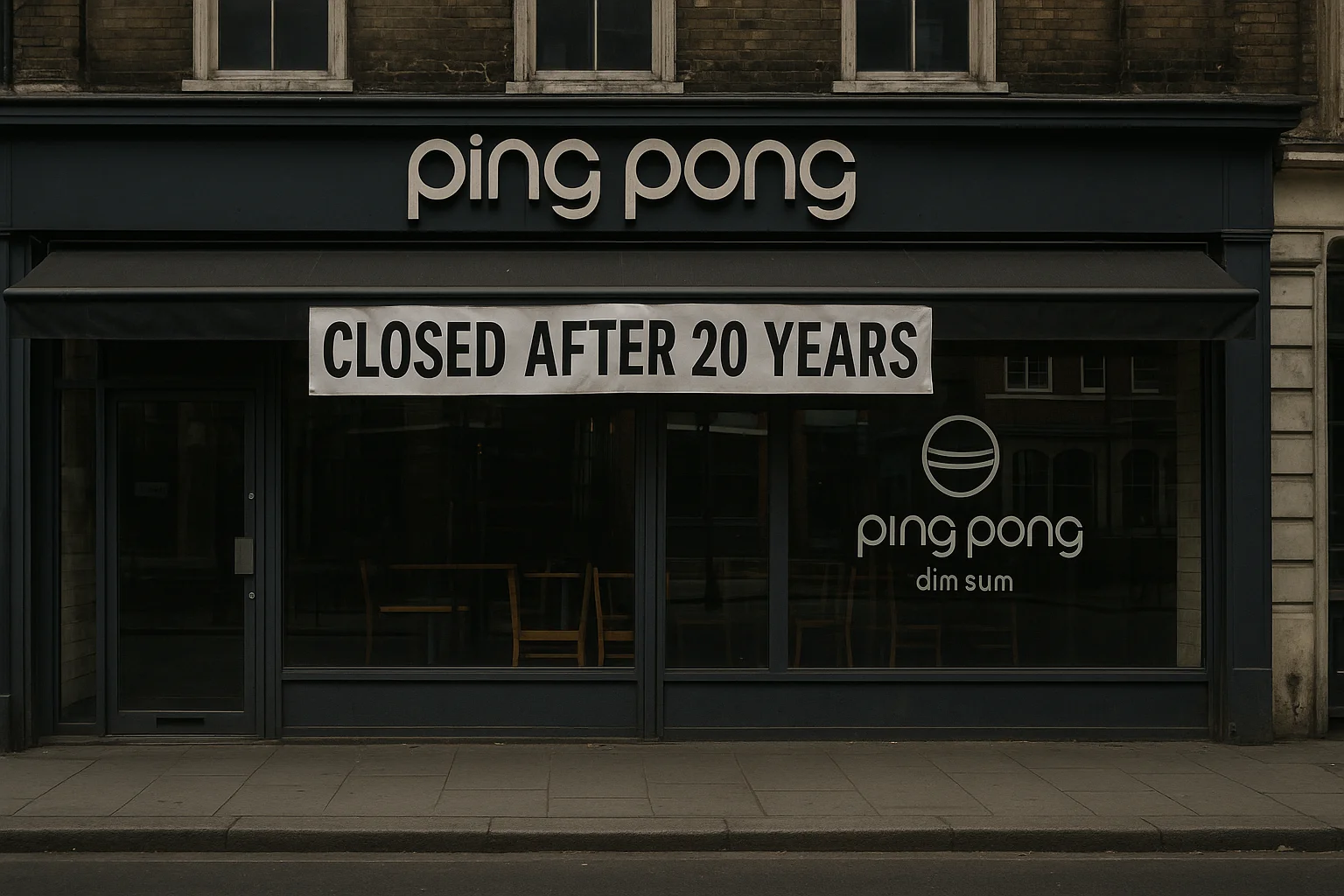
Have you recently tried to book a table at Ping Pong and found every location permanently closed? You’re not alone. The beloved dim sum chain, once a buzzing part of London’s casual dining scene, shocked its loyal customers by announcing an abrupt closure of all UK restaurants in July 2025.
After two decades of serving bao buns, steamed dumplings, and lychee cocktails, Ping Pong suddenly vanished from the city it helped shape. The closures caught many off guard, sparking emotional reactions across social media and raising serious questions about the current state of the UK restaurant industry.
This blog explores exactly what went wrong, the reasons behind the shutdown, and how one of London’s most iconic dim sum spots came to such an unexpected end. If you’ve ever dined at Ping Pong or watched the UK food scene evolve, you’ll want to read on.
Why Did Ping Pong Restaurants Close in the UK?
Ping Pong’s sudden closure in mid-2025 was driven by a mix of financial pressure, poor trading performance, and the inability to secure new investment.
Despite restructuring attempts and a brief return to profit in 2022, the brand could not withstand the growing economic strain. After facing considerable post-pandemic debt and rising operating costs, Ping Pong’s financial health continued to decline.
A key factor was their unsuccessful attempt to secure long-term funding, even after entering a pre-pack administration in 2022. The chain struggled with rent repayments, changes in consumer behaviour, and backlash over an introduced 15 percent brand charge, which replaced traditional service tips.
By July 2025, the brand announced via Instagram that all remaining restaurants would close with immediate effect. While the message reflected pride in the company’s journey, it also made it clear that survival was no longer viable. In the end, Ping Pong simply couldn’t keep up with the competitive pressures and economic shifts that have disrupted so many mid-tier dining chains in the UK.
What Was the History of Ping Pong Restaurants?
Founded in 2005 by restaurateur Kurt Zdesar, Ping Pong was built on the idea of modernising traditional Chinese dim sum for a London audience. The chain quickly expanded due to its unique blend of stylish décor, contemporary presentation, and affordable Asian-inspired menus.
Key milestones in Ping Pong’s early years include:
- Launch backed by investor Igor Sagiryan
- Reached 13 locations across London by 2009
- Popular dishes included steamed, fried, and baked dim sum
- Known for signature drinks like lychee martinis
- Set lunch menus in the mid-2000s started at just £11
Zdesar departed in 2007 and went on to launch the upscale fusion brand Chotto Matte. However, Ping Pong continued to grow under new leadership, becoming a go-to spot for bottomless brunches, happy hour, and group dining.
For many Londoners, it became the introduction to dim sum culture in a modern and approachable setting. The brand maintained its reputation for creativity and soul, even as it weathered multiple industry shifts over the next two decades.
When Did the Chain Start Struggling Financially?
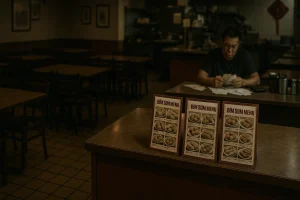
The financial struggles for Ping Pong became more visible after the onset of the COVID-19 pandemic. Like many hospitality businesses, the chain faced severe trading losses and accumulating debt, which began to erode its operational stability.
Important points about its financial decline include:
- Reported trading loss of £1.4 million by March 2020
- Another £1.86 million loss followed in 2021
- A £500,000 loan from backer Igor Sagiryan helped it stay afloat
- Achieved a modest £334,000 profit in the 2021–2022 financial year
- Entered pre-pack administration in November 2022
- Sold for £3.21 million to three of its own directors on the same day
Even with temporary recovery, the long-term damage was difficult to reverse. The post-COVID rent burden, combined with ongoing uncertainty in the UK dining sector, left little room for long-term planning.
The brand’s finances remained fragile. While many customers saw the surface glamour, the numbers behind the scenes told a much grimmer story. That underlying instability eventually led to the collapse in 2025.
Which Ping Pong Locations Were Closed?
Before its complete shutdown in July 2025, Ping Pong was operating only four restaurants across central London.
These remaining locations were:
| Location | Status |
|---|---|
| Soho | Permanently Closed |
| Southbank | Permanently Closed |
| Bow Bells House | Permanently Closed |
| St Christopher’s Place | Permanently Closed |
At its peak in the late 2000s, the brand had expanded to 13 outlets across London. Over the years, several underperforming branches were quietly closed. By the end of 2022, only six outlets remained along with a central production kitchen. The move to centralise operations was part of its restructuring effort.
Despite the reduction in physical locations, each of the remaining branches had continued to attract loyal customers. These venues were part of the brand’s identity, especially Southbank and Soho, which were key to Ping Pong’s lifestyle-driven branding.
Their sudden closure, without prior notice, left customers without the chance to say goodbye. The closure of these high-traffic venues signified not just the end of operations, but the end of Ping Pong’s cultural imprint in London’s dining scene.
What Did the Founder Say About the Closure?
Although Kurt Zdesar left Ping Pong in 2007, his statement after the closure offered insights into the challenges faced by the hospitality sector in the UK.
He acknowledged the grim economic landscape and described it as “increasingly difficult to survive” in. While not directly involved in the brand’s day-to-day in its final years, Zdesar’s words reflected the emotional weight of seeing a business he helped build come to an end.
The closure announcement was also shared via Ping Pong’s official Instagram account, expressing pride in its 20-year journey. The message thanked customers for their loyalty and shared nostalgic references to dim sum dates, bottomless brunches, and countless memories created inside the restaurants.
The brand positioned its farewell as heartfelt and sincere. Zdesar’s reaction complemented that tone, stating that while the creative soul of the brand remained intact, it could not withstand the financial reality. His legacy continued through other ventures, like Chotto Matte, but his association with Ping Pong added a deeper level of sadness to its closure.
How Did the Public React to Ping Pong’s Shutdown?

The public reaction to Ping Pong’s closure was immediate and emotional. Many long-time customers took to social media to share their shock, disappointment, and memories. Some expressed anger at the suddenness, saying they wished they had known to visit one last time.
A few of the most common responses included:
- “Noooo, we’ve made some amazing memories there, birthdays, anniversaries, you name it.”
- “This is very, very sad. Will be sorely missed.”
- “WHAT?? WE HAD NO CHANCE TO SAY GOODBYE!”
- “We had so many good times there. The food and the lychee cocktails will be sorely missed.”
- “Omgggggggggg nooooooooooo! If I knew, I’d have made one last trip.”
These comments show just how much Ping Pong meant to its audience. The brand had created not just a place to eat, but a space for celebration, connection, and shared experiences. For many, Ping Pong was a part of their London life. The closure left a visible void in the city’s vibrant dining culture and the hearts of those who had grown up with it.
What Does This Say About the UK Hospitality Industry?
Ping Pong’s shutdown is more than a brand story, it highlights deeper issues in the UK hospitality industry. Even popular, recognisable restaurants are not immune to the economic pressures facing mid-range dining.
Key industry challenges reflected in this case include:
- Skyrocketing rent costs in prime London areas
- Post-COVID debt and reduced dine-in footfall
- Labour shortages and increased wage expectations
- Consumer shift to takeaway and food delivery apps
- Economic uncertainty affecting customer spending
The chain’s decision to introduce a 15 percent brand charge also met public resistance, suggesting customers were less willing to accept non-transparent pricing strategies.
Many restaurants have been walking a fine line between maintaining quality and keeping prices affordable. Ping Pong’s closure reveals how difficult this balance is to achieve without significant financial backing or structural changes.
In a saturated market where competition is fierce, even well-loved chains are struggling to survive. Ping Pong’s story serves as a case study in the vulnerabilities of even long-standing hospitality brands amid current economic realities in the UK.
Could Anything Have Saved Ping Pong?
While the outcome may seem inevitable in hindsight, Ping Pong did attempt several measures to stay afloat. These included restructuring through a pre-pack administration in 2022 and streamlining operations by halving its restaurant portfolio. The sale of the business to three internal directors showed a willingness to keep the brand alive under familiar leadership.
Unfortunately, the failure to secure long-term funding ultimately sealed its fate. The brand may have benefited from a more aggressive digital transformation, greater investment in delivery platforms, or partnering with retail food suppliers. However, its core business model depended heavily on dine-in experiences, which declined after the pandemic.
The hospitality sector’s rapid shift caught many traditional operators off guard. For Ping Pong, survival would have required drastic reinvention. Newer, leaner brands with tech-forward approaches were better suited to the post-pandemic market.
The reality is that even beloved names sometimes struggle to adapt quickly enough. In this case, financial limitations and market resistance left Ping Pong with no viable path forward.
What Can Future Restaurant Brands Learn from Ping Pong?

Ping Pong’s two-decade run offers valuable lessons for upcoming and existing restaurant brands. From expansion and popularity to sudden closure, its journey reflects both the potential and pitfalls of operating in a volatile industry.
Key takeaways include:
| Year | Event |
|---|---|
| 2005 | Ping Pong launched by Kurt Zdesar |
| 2007 | Founder exited the business |
| 2009 | Expanded to 13 locations |
| 2020 | Reported £1.4 million in losses |
| 2021 | Lost £1.86 million despite restructuring |
| 2022 | Achieved a minor profit and entered administration |
| 2025 | Announced sudden closure of all branches |
Restaurant operators must prioritise agility, transparency, and operational sustainability. Over-reliance on dine-in experiences can become a liability during crises. Strategic cost control, diversified revenue streams, and direct customer engagement via digital platforms are vital.
The story also illustrates the importance of communication. A brand that built deep emotional connections still struggled due to market forces. But it left behind a powerful narrative that newer brands can learn from, both in what to emulate and what to avoid.
Conclusion
The closure of Ping Pong restaurants across the UK marks the end of an era for many Londoners. From its peak of 13 locations to a quiet exit in 2025, the brand’s story is one of early innovation, customer connection, and economic hardship. While its dishes and dining experiences are now part of memory, the lessons it leaves behind will influence how future food businesses operate.
As customers, we remember the bao buns, happy hours, and the unique buzz of Ping Pong’s spaces. For restaurateurs and industry observers, it’s a cautionary tale of adapting to changing conditions. Though the restaurants are gone, the impact remains. The next chapter in UK dining may look different, but it will always carry traces of brands like Ping Pong that shaped the journey.
FAQs
Why did Ping Pong close all its UK restaurants?
Ping Pong closed due to financial struggles, poor trading performance, and failure to secure new funding. The economic climate made continued operations unsustainable.
When did Ping Pong officially close?
The closure was announced in July 2025 via Instagram, and all branches were closed with immediate effect that month.
How many restaurants did Ping Pong have at its peak?
At its peak, Ping Pong operated 13 restaurants across London, becoming a well-known brand in the UK dim sum scene.
What was the customer reaction to the closure?
Customers were shocked and saddened, with many expressing regret for not having a final visit and sharing fond memories on social media.
Did the brand face any controversy before closing?
Yes, Ping Pong faced backlash after introducing a 15 percent discretionary brand charge, replacing the traditional tipping system.
Who founded Ping Pong, and what is he doing now?
Ping Pong was founded by Kurt Zdesar, who later launched the Chotto Matte brand after leaving Ping Pong in 2007.
What can future restaurant brands learn from this closure?
Future brands should focus on adaptability, diversify their income channels, and strengthen customer relationships through digital innovation and transparency.