
Are you wondering whether you’re due a £250 Cost of Living Payment this December 2025? You’re not alone. Across the UK, thousands of people are asking the same question, especially as misinformation circulates online and in the media.
While some reports claim that the government has approved another round of support, the official position is very clear, there will be no Cost of Living Payment in 2025, and no future payments are planned. This has led to confusion, and unfortunately, even opened the door for scams targeting those most in need.
In this blog, you’ll find the factual information you need, including what help is actually available, how to avoid falling for fraud, and how to access legitimate support if you’re struggling. Let’s separate the facts from fiction and ensure you have the right guidance for the months ahead.
Is the UK Government Giving a £250 Cost of Living Payment in December 2025?
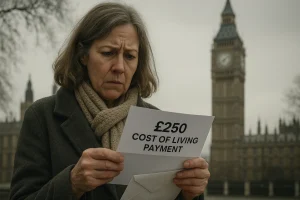
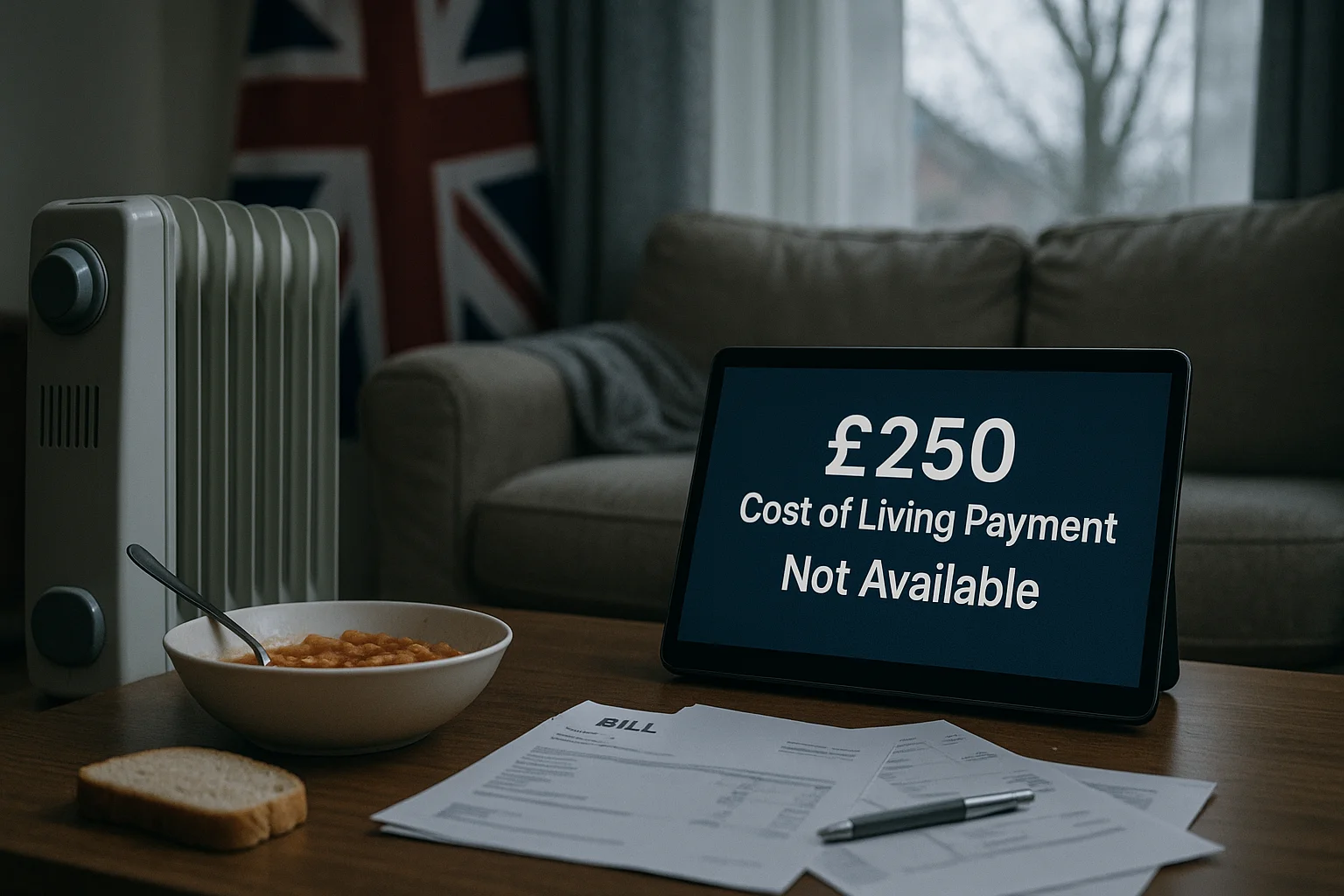
No, the UK government is not issuing a £250 Cost of Living Payment in December 2025. The Department for Work and Pensions (DWP) has confirmed that there are no new Cost of Living Payments planned for 2025 or any future period.
This includes one-off payments, winter-specific boosts, or any automatic support linked to benefits like Universal Credit, ESA, or Pension Credit.
Unlike the previous schemes issued between 2022 and 2024 to tackle inflation and energy price hikes, the 2025 government strategy shifts toward long-term benefit support, budgeting loans, and tax relief schemes rather than temporary payments. The decision reflects the government’s position that emergency inflation-related support has concluded.
While previous payments offered vital help during economic uncertainty, no such initiative is currently active or approved for this winter. If you see claims about a confirmed £250 payment, they are either speculative or misleading. It is important to always verify such information through official channels like GOV.UK or your local council.
Why Are People Talking About a £250 Payment in December 2025?
You may have come across social media posts, blog articles, or even WhatsApp messages stating that the UK government has announced a £250 Cost of Living Payment in December 2025. These claims are largely based on outdated or false information.
Here’s why the rumour spread:
- Previous cost of living payments (between 2022 and 2024) helped millions, so many now expect more.
- False blogs and news sites are publishing incorrect information for traffic and clicks.
- Scammers are circulating fake messages pretending to be DWP or HMRC.
- A viral article from a non-government site falsely claimed confirmation of a £250 boost, causing public confusion.
Some posts even show fake eligibility lists and payment dates, creating a sense of urgency and misleading thousands. People naturally want to believe help is coming during the winter season, which is typically more expensive for heating, food, and family expenses.
But it’s important to understand that there is no government confirmation of a £250 December 2025 payment, and the rumours are simply not backed by facts.
How to Spot and Avoid £250 Cost of Living Scams?
With no official payment due, scammers are now exploiting confusion by impersonating government bodies. If you’ve received a message claiming you’re owed a £250 Cost of Living Payment, you need to be cautious, it could be a scam.
Here are the key signs to watch out for:
- Unexpected messages asking for your personal information or bank details
- Emails or texts that claim to be from DWP, HMRC, or energy support schemes
- Clickbait headlines on unverified websites offering payment calculators or eligibility checks
- Phone calls demanding immediate action or payment to claim your benefit
The UK government will never ask you to confirm bank details or provide passwords through SMS, emails, or cold calls. Official payments are processed automatically via your benefit account or bank account, there is no application process for legitimate support.
If you receive anything suspicious, you should report it to Action Fraud or via the official GOV.UK website. Staying alert and informed is the best defence against these growing scam tactics targeting vulnerable people.
What Government Support Is Actually Available in 2025?
Although there is no £250 payment coming in December 2025, the government has a wide range of ongoing support schemes available to help you manage living costs.
If you’re on a low income, unemployed, disabled, over 60, or caring for someone, you may be eligible for these legitimate forms of support:
- Universal Credit: Regular payments for low-income individuals, including housing support.
- Pension Credit: For those over State Pension age on a low income.
- Carer’s Allowance: If you care for someone for at least 35 hours a week.
- Budgeting Loans: Interest-free loans for essential costs if you’ve been on benefits for 6+ months.
- Help to Save: Offers a 50% bonus on savings for low-income workers.
- Council Tax Reduction: If you’re on benefits or a low income.
- Free childcare: Available for working families with children aged 2–4.
- Disability Benefits: Including PIP, ESA, and Attendance Allowance.
Additionally, you can still access support for:
- Cheaper broadband and phone tariffs
- Energy and water bill discounts through your council
- NHS cost reduction schemes
Use the GOV.UK benefit checker to find what you’re eligible for. Support varies across England, Scotland, Wales, and Northern Ireland, so check your local authority’s offerings too.
Are You Eligible for Any Other Payments or Benefits in 2025?
If you’re not eligible for a specific benefit like Universal Credit, you may still qualify for alternative forms of support in 2025.
The government provides targeted benefits and schemes depending on your circumstances. Whether you’re working part-time, retired, caring for someone, or on a limited income, there are options available.
For Those in Employment, You Might Be Entitled to:
- Marriage Allowance: Reduces your partner’s tax if you earn below the threshold.
- Tax relief on work expenses: Helps you recover money for job-related costs.
Older residents can check for:
- Senior Railcards and free bus passes
- Discounted or free TV licences if receiving Pension Credit
Parents can apply for:
- Tax-Free Childcare
- 15–30 hours of free childcare
- Sure Start Maternity Grant (if on qualifying benefits)
Check your National Insurance and benefits history to access Budgeting Advances or Help to Save. Use the official GOV.UK tools for a personalised eligibility check. Even without a one-off payment, this system of support can be a financial lifeline.
Don’t Be Fooled by the £250 December 2025 Payment Rumours
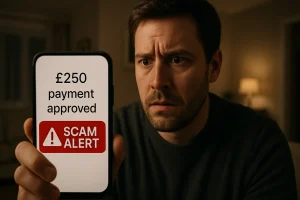
It’s easy to fall for a message that seems to offer free money, especially during winter. But it’s crucial to remember that the £250 Cost of Living Payment in December 2025 is not real. These rumours are not just misleading, they can lead to you being scammed or misinformed about the help you actually qualify for.
Government sources are clear: there are no new cost of living payments scheduled, and none are currently being planned. If a website or message tells you otherwise without linking to GOV.UK, it’s likely not trustworthy.
Be cautious of unofficial blogs, viral posts, or WhatsApp messages. If a claim seems too good to be true, it usually is. Instead, focus on checking your benefit entitlements, speaking with your local council, or getting advice from verified sources like Citizens Advice.
Staying informed helps you avoid disappointment and protects your personal data. Share this information with family or friends who might be vulnerable to believing these false rumours.
Conclusion
There is no UK £250 Cost of Living Payment coming in December 2025, and the government has made it clear that no further payments are scheduled. As cost of living challenges continue, it’s essential to stay informed and protect yourself from online misinformation and scams.
While this may be disappointing for many, there are still valuable resources and benefits available for those in need, from Universal Credit and Pension Credit to childcare help and debt support. Instead of relying on false promises, use official tools to find real financial assistance that suits your situation.
And most importantly, if you receive any unexpected messages about government payments, always verify their authenticity before taking any action. Stay safe, stay alert, and don’t be misled by rumours.
FAQs
Why isn’t the UK Government issuing a £250 Cost of Living Payment in December 2025?
The government has confirmed that no further cost of living payments are planned as economic support strategies have shifted.
How can I tell if a message about a cost of living payment is a scam?
Scams often ask for personal details or bank information and are not from official government channels.
What support is still available if I’m on Universal Credit in 2025?
You may still qualify for housing support, Budgeting Advances, or additional schemes like Help to Save.
Can I still get help with energy bills in 2025?
Yes, local councils may provide support through schemes like the Household Support Fund and social energy tariffs.
Is Pension Credit available even if I didn’t claim it before?
Yes, you can apply for Pension Credit at any time if you meet the eligibility criteria and are over State Pension age.
How can I check what benefits I’m eligible for in 2025?
You can use the official GOV.UK benefits calculator or speak with Citizens Advice for a full assessment.
What should I do if I’m struggling with living costs this winter?
Seek support through local councils, apply for relevant benefits, and reach out to charities or Citizens Advice for guidance.