
Last Checked: 10 July 2026
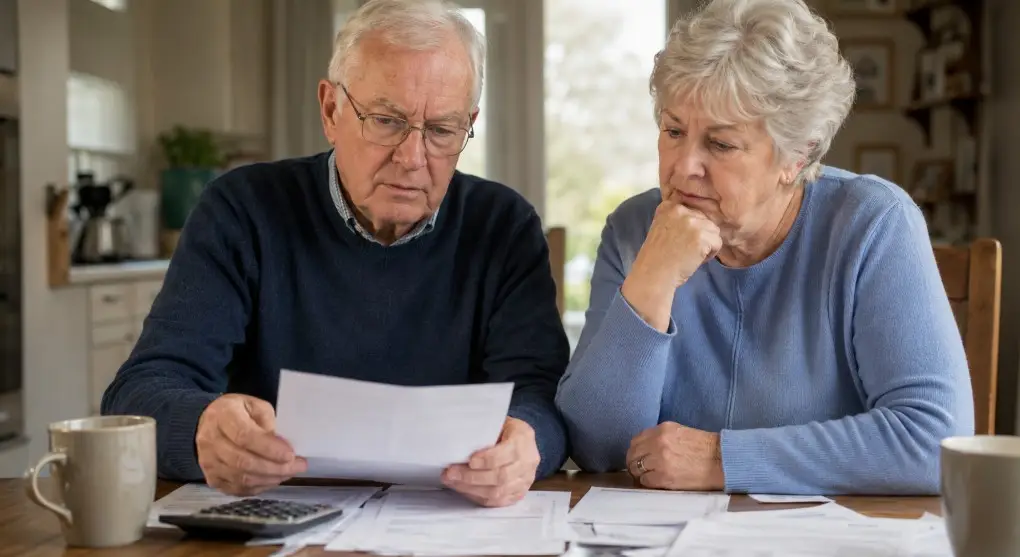
UK pensioners may receive an unexpected tax bill when their total taxable income rises above their tax-free allowance, even if they did not realise their State Pension, private pension, savings interest or other income could be taxable. This does not automatically mean a pensioner has done anything wrong, but the bill should be checked carefully before payment.
Key takeaways:
- Some UK pensioners may be surprised by tax bills because the State Pension is taxable but usually paid without tax deducted first.
- A pensioner’s tax position depends on total taxable income, not pensioner status alone.
- Private pensions, savings interest, employment income, property income and taxable benefits can all affect the final bill.
- HMRC may use a Simple Assessment letter when tax cannot be collected automatically.
- Pensioners should check HMRC’s figures against pension statements, DWP letters, P60s and bank records.
- A tax bill may be correct, partly correct or wrong, so pensioners should not ignore it or pay without checking.
- This article is for general information only and is not personal tax advice.
Why UK Pensioners Are Being Caught Out by Tax Bills?

Many pensioners are unaware that retirement income can still be taxable. The confusion often begins with the State Pension because it is paid by the government and normally arrives without tax deducted at source.
That can make the payment feel tax-free. In reality, the State Pension counts as taxable income. If a pensioner’s total income stays within their Personal Allowance, they may have no Income Tax to pay. If their total income goes above the allowance, HMRC may need to collect tax.
Why This Issue Matters in 2026?
This has become more important because pension income has risen while tax thresholds have remained fixed. As a result, some pensioners who previously had no tax to pay may now be closer to, or above, the tax-free limit.
This can affect pensioners who receive more than one source of income, such as:
- State Pension
- Workplace or private pension income
- Savings interest
- Part-time employment income
- Rental income
- Taxable benefits
The main issue is not one payment on its own. It is the combined income across the tax year.
What Does “UK Pensioners Unaware Tax Bill” Mean?
The phrase refers to pensioners who receive a tax demand or HMRC letter without expecting one. In many cases, they believed their income was too low to be taxed or assumed pension income was automatically tax-free.
The Simple Explanation
A pensioner may be unaware of a tax bill because tax is calculated across all taxable income. Even if each income source seems modest, the combined total can exceed the Personal Allowance.
For example, a pensioner may receive the State Pension, a small private pension and bank interest. Individually, these may not seem large. Together, they may create a tax liability.
Why the Bill Can Feel Unexpected?
The bill often feels unexpected because pensioners may not see tax being deducted each week or month from every income source. If tax is not collected automatically, HMRC may calculate the amount later and issue a bill.
This is especially confusing for people who have never completed a Self Assessment tax return and have always relied on tax being handled through PAYE.
Is the State Pension Taxable?

Yes, the State Pension is taxable income. However, tax is not usually deducted from it before it is paid.
That distinction is important. “Paid without tax deducted” does not mean “tax-free”. It simply means HMRC may need to collect any tax due in another way.
How Pension Income is Taxed?
UK pension tax depends on total income and available allowances. Official guidance on tax when getting a pension explains that pension income can be taxable and that total income may include State Pension, private pensions, earnings, taxable benefits, property income, investments and savings.
This means pensioners need to look beyond the State Pension alone. Their full financial picture matters.
Why the State Pension Creates Confusion?
The State Pension is often paid gross. This means the pensioner receives the payment without Income Tax being taken off first.
If the pensioner also has a private pension, HMRC may collect the tax through that pension’s tax code. If there is no suitable PAYE income, or if the tax cannot be collected automatically, HMRC may send a bill.
How the Personal Allowance Affects Pensioners?
The Personal Allowance is the amount of income most people can receive before Income Tax is due. Pensioners are not automatically exempt from tax simply because they have reached State Pension age.
The Key Threshold
The standard Personal Allowance is £12,570. The official Income Tax rates page explains the current bands and shows the standard allowance used for Income Tax calculations.
If a pensioner’s total taxable income is below their available allowance, they will usually have no Income Tax to pay. If their income rises above it, tax may be due on the amount above the allowance.
Why Fixed Thresholds Matter?
When pension payments rise but the Personal Allowance does not rise at the same pace, more income can fall into the taxable range. This is sometimes called fiscal drag.
For pensioners, this can feel unfair or confusing because their income may rise only to keep up with living costs. However, if the allowance stays the same, a higher pension can still lead to a tax bill.
What Is an HMRC Simple Assessment Tax Bill?
A Simple Assessment is a tax bill issued by HMRC when it believes a person owes Income Tax and does not need to complete a full Self Assessment tax return.
When Pensioners May Receive One?
A pensioner may receive a Simple Assessment if HMRC cannot collect the tax automatically through a pension or wages. It can also be used where tax is due on State Pension income.
The official Simple Assessment guidance says people should check the calculation and contact HMRC within 60 days if they think the amounts used are wrong.
What the Letter Should Show?
A Simple Assessment letter normally sets out:
- The tax year being assessed
- Taxable income used in the calculation
- Tax already paid
- Tax still owed
- Payment instructions
- The deadline for action
This is why pensioners should not only look at the amount due. They should check the income figures behind the calculation.
Why Some Pensioners May Not Realise They Owe Tax?
Unexpected tax bills usually happen because the tax system treats income differently from how many people understand it in everyday life.
The State Pension is Paid Differently From Private Pensions
Many private pensions operate through PAYE. Tax may be deducted before the pensioner receives the payment. The State Pension works differently because it is usually paid without tax deducted. This can create a delay between receiving income and finding out that tax is due.
Tax Codes Can Change During Retirement
A pensioner’s tax code may change when HMRC receives updated information. This can happen after a pension starts, after State Pension begins, or when another source of income is reported.
A tax code may also be based on estimated income. If the estimate is wrong, too little or too much tax may be deducted during the year.
Savings Interest Can Add to the Problem
Savings interest may also affect a pensioner’s tax position. Many older people rely on savings, and higher interest can increase taxable income.
This does not mean every pensioner with savings will owe tax. It means savings interest should be included when checking whether total taxable income exceeds the allowance.
Confirmed Facts Pensioners Should Know

There are several confirmed points that pensioners should understand before responding to a tax bill.
- Pensioners can pay Income Tax: Age does not remove Income Tax liability. A pensioner can still owe tax if taxable income exceeds the available allowance.
- State Pension counts as taxable income: The State Pension is included in the tax calculation. It may be paid without deductions, but it is still part of taxable income.
- HMRC can collect tax in different ways: Depending on the person’s circumstances, HMRC may collect tax through a tax code, PAYE deductions, Self Assessment or Simple Assessment.
- Pensioners should check before paying: A bill should be taken seriously, but it should also be reviewed. The right approach is to compare HMRC’s figures with personal records.
Pensioner Tax Bill Checklist
Pensioners should check the calculation before making payment, especially if the amount is unexpected.
| What to check | Why it matters | Where to check |
|---|---|---|
| State Pension amount | It counts towards taxable income | DWP letter or bank records |
| Private pension income | Tax may already have been deducted | Pension provider statement or P60 |
| Savings interest | It may increase total taxable income | Bank or building society statements |
| Tax code | It affects how much tax is deducted | Pension payslip or HMRC account |
| Tax year | Bills relate to a specific period | HMRC letter |
| Payment deadline | Missing it can cause further problems | HMRC letter |
| Calculation errors | Wrong figures may change the bill | Compare with personal records |
This checklist does not replace professional advice, but it can help pensioners identify where a bill may have come from.
What Should Pensioners Do If They Receive a Tax Bill?

A tax bill should not be ignored. Even if the pensioner believes it is wrong, they should take action within the deadline stated on the letter.
Step 1: Read the Whole Letter
The payment amount is only one part of the letter. Pensioners should check the tax year, income sources, tax already paid and deadline.
Step 2: Compare the Figures
The pensioner should compare HMRC’s figures with:
- DWP State Pension letters
- P60s from pension providers
- pension payslips
- bank interest statements
- employment income records
- previous HMRC letters
This helps identify whether the tax bill is expected or whether something may be wrong.
Step 3: Contact HMRC if the Figures Look Incorrect
If the income figures do not match the pensioner’s records, they should contact HMRC within the review period. They should explain which amount appears wrong and what they believe the correct figure should be.
Step 4: Ask for Help if Needed
Some pensioners may find tax letters difficult to understand. Support may come from HMRC, a qualified tax adviser, an accountant, a trusted family member or a reputable pension guidance service.
What If the Pensioner Cannot Pay Straight Away?
Some pensioners may accept that tax is due but struggle to pay the bill in one amount. In that situation, the worst option is to ignore the letter.
Why Early Action Matters?
Contacting HMRC early may help avoid unnecessary stress and further problems. Pensioners should explain their circumstances clearly and keep records of any calls, letters or payment arrangements.
They should also avoid sharing personal tax details with anyone who contacts them unexpectedly. Tax bills can create opportunities for scams, so pensioners should use official contact routes and check suspicious messages carefully.
How Families Can Help Older Relatives?
Family members may be the first to notice that an older relative is worried about a tax letter. Help should be practical and respectful.
Useful Support Without Taking Over
A family member can help by reading the letter, organising paperwork, checking income sources and making notes before the pensioner contacts HMRC. They should avoid assuming the bill is either right or wrong. The aim is to check the facts calmly.
Documents to Gather
Useful documents may include pension statements, P60s, bank interest summaries, DWP letters, tax code notices and previous HMRC correspondence. Having these ready can make it easier to challenge a wrong calculation or understand why the bill has arisen.
Conclusion
The issue of UK pensioners unaware tax bill notices is mainly caused by confusion over how pension income is taxed. The State Pension is taxable, even though it is usually paid without tax deducted first, and other income can push a pensioner above the tax-free allowance.
Pensioners who receive an unexpected HMRC bill should stay calm, check the calculation carefully and act before the deadline. The bill may be correct, but it is always sensible to compare the figures with reliable personal records before paying or disputing it.
FAQs
Why are UK pensioners getting unexpected tax bills?
UK pensioners may get unexpected tax bills because their total taxable income is above their Personal Allowance. This can happen when State Pension, private pension income, savings interest or other income are added together.
Is the State Pension taxable in the UK?
Yes. The State Pension is taxable income, but tax is not usually deducted before it is paid. HMRC may collect any tax due through another income source or by issuing a bill.
Does every pensioner have to pay Income Tax?
No. Pensioners only pay Income Tax if their taxable income is above their available allowance. Some pensioners will have no tax to pay, while others may owe tax depending on their total income.
What is a Simple Assessment letter?
A Simple Assessment letter is an HMRC tax calculation. It tells the person how much tax HMRC believes is due without requiring a full Self Assessment tax return.
Can savings interest cause a pensioner tax bill?
Yes, savings interest can contribute to a pensioner’s taxable income. It may not create a bill by itself, but it can affect the final calculation when combined with pension income.
What should a pensioner check before paying HMRC?
They should check the tax year, State Pension amount, private pension income, savings interest, tax already paid, tax code and payment deadline. These should be compared with personal records.
What if an HMRC tax bill is wrong?
If the calculation looks wrong, the pensioner should contact HMRC within the review period and explain which figures they believe are incorrect. They should keep records of all communication.
Can a pensioner get a tax bill if they only receive the State Pension?
It is possible if the State Pension amount exceeds the person’s available allowance, although many pensioners with only State Pension income may have no tax to pay. The exact position depends on the amount received and the allowance available.
Should pensioners ignore a tax bill if they think it is incorrect?
No. A pensioner should never ignore a tax bill. If they disagree with it, they should contact HMRC within the stated timeframe and provide the correct figures where possible.
Editorial Note
This article is written for informational purposes only. It is designed to help UK readers understand why some pensioners may receive unexpected tax bills and what general checks may be useful. It does not provide personal tax, legal or financial advice. Pensioners should check their own circumstances and contact HMRC or a qualified professional if they are unsure.
How We Checked
This article was checked using official UK government guidance on pension taxation, Income Tax thresholds and Simple Assessment tax bills. The information was reviewed for accuracy, reader clarity and YMYL standards, with care taken to separate confirmed tax rules from general examples and practical guidance.