
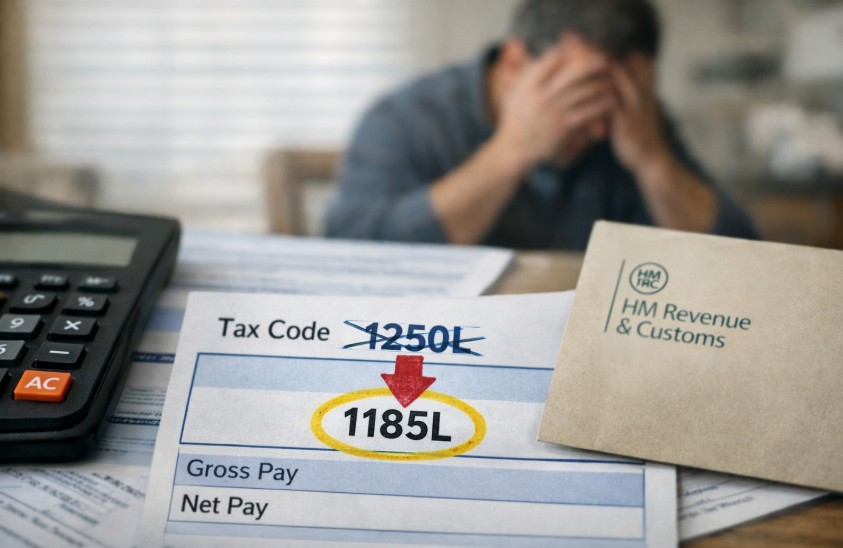
If your tax code has recently changed from 1250L to 1185L, it usually means that your tax-free personal allowance has decreased. This change can result in you paying more tax and taking home less pay each month. The shift may reflect new income, employment benefits, or unpaid tax from previous years.
Key Takeaways:
- The code 1185L represents a £11,850 personal allowance.
- A drop from 1250L indicates a £650 reduction in tax-free income.
- HMRC adjusts tax codes based on changes in income, benefits, or past tax underpayments.
- Checking your tax code helps ensure you’re not overpaying or underpaying tax.
Understanding the reason behind this change is key to avoiding overpaying tax or missing refunds.
What Is a Tax Code and Why Does It Matter?
Your tax code is a combination of numbers and letters assigned by HMRC to tell your employer or pension provider how much tax to deduct from your income. It’s a crucial part of the UK tax system and directly impacts your take-home pay.
For example, a tax code like 1250L means you’re entitled to a £12,500 personal allowance, the amount of income you can earn before tax is applied. The number is derived by removing the last digit of the personal allowance, and the letter “L” usually means you’re entitled to the standard tax-free allowance.
HMRC uses information from your employer, previous tax records, benefits, and other income sources to determine this code. That’s why even a small change in your financial circumstances, like a company car or freelance earnings, can affect your tax code.
Getting the wrong tax code could mean paying too much or too little tax. Regularly checking and understanding your code is essential to staying tax-efficient and compliant with HMRC rules.
What Does the Change From 1250L to 1185L Mean?
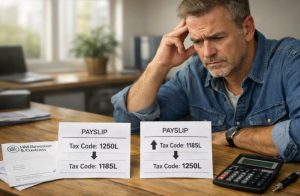
When your tax code drops from 1250L to 1185L, it’s a clear signal from HMRC that your tax-free personal allowance has decreased. This means more of your income is subject to tax, which could result in less take-home pay each month.
Your Personal Allowance Has Decreased
The tax code 1250L represents a personal allowance of £12,500, meaning you can earn this amount annually before paying income tax. A change to 1185L reduces that threshold to £11,850, effectively decreasing your tax-free earnings by £650.
This reduction often indicates that HMRC has factored in additional taxable elements, such as:
- Company benefits (like a car or private healthcare)
- Underpaid tax from previous years
- Secondary income from a second job or side business
Real-life Financial Impact on Your Take-home Pay
Even a small change in your personal allowance can impact your monthly budget.
Here’s what it could mean in real terms:
- A £650 reduction in allowance taxed at the 20% basic rate equals £130 more tax per year
- That’s around £10.83 per month less in your take-home salary
- If your income exceeds £50,000, the impact could be higher due to tapering reliefs
Personal Allowance vs Tax Code Comparison
| Tax Code | Personal Allowance | Taxable Income Starts At | Impact on Net Pay |
|---|---|---|---|
| 1250L | £12,500 | Income above £12,500 | Standard tax-free allowance |
| 1185L | £11,850 | Income above £11,850 | Increased monthly tax deduction |
So, the difference between 1250L and 1185L isn’t just numbers, it directly affects how much money you take home and can indicate hidden adjustments made by HMRC.
Why Has HMRC Reduced Your Tax Code?
A shift from 1250L to 1185L often reflects changes in your financial situation that HMRC has identified through employer reports, benefits data, or self-assessment returns. This section outlines the most common reasons for a reduced tax code.
1. You’ve Received New Taxable Benefits
If you’ve started receiving benefits such as a company car, fuel allowance, or private medical insurance, HMRC reduces your personal allowance to account for the value of these benefits in kind. Even small perks can impact your tax code.
Example: If your medical insurance is worth £700, HMRC reduces your allowance by this amount, changing your code from 1250L to approximately 1180L.
2. You Have Additional Income Sources
Side jobs, freelance work, rental income, or dividend earnings can trigger tax code changes. If HMRC estimates that you’re earning more than before, they’ll reduce your tax-free allowance to ensure that enough tax is being collected through PAYE.
3. You Owe Tax From Previous Years
HMRC can collect underpaid tax by reducing your personal allowance. Instead of demanding a lump sum, they spread the repayment over the year via a lower tax code.
For example: If you underpaid £325 last year, your code may reduce by 32 points to collect it throughout the year.
4. You No Longer Qualify for Marriage Allowance
If your circumstances change and you’re no longer eligible to claim or receive the Marriage Allowance, HMRC removes the 10% uplift from your code. That can reduce your personal allowance by £1,260, adjusting your code downward accordingly.
5. You’re On an Emergency Tax Code
New jobs without a submitted P45 can result in an emergency tax code such as 1185L W1 or M1, where you’re taxed only on the current period without considering previous earnings. These are temporary and should be corrected once HMRC receives complete details.
6. HMRC Used an Estimate That May Be Incorrect
Sometimes, HMRC applies estimated income from previous years or employer-reported benefits that are no longer valid. These adjustments can lead to unfair reductions in your tax code. If the estimate is too high, you could be overpaying tax until corrected.
Case Example: A taxpayer who had previously received £2,000 in freelance income but stopped the side job found his tax code still reduced by that amount the next year, until he updated HMRC with current income details.
7. Your Income Exceeds £100,000
High earners lose £1 of personal allowance for every £2 earned over £100,000. If your income has crossed that threshold, HMRC adjusts your code to reflect the reduced or even eliminated personal allowance.
This can result in steep code drops, especially if you’re not making pension contributions that might preserve your allowance.
A reduced tax code reflects real or estimated changes to your financial situation. It’s crucial to check for accuracy, especially if the drop is unexpected. You could be entitled to a refund or correction.
Who Is Affected by the Tax Code Change?

If your tax code has dropped from 1250L to 1185L, you’re not alone.
This type of adjustment typically affects:
- Employees receiving new taxable benefits
- Individuals with multiple jobs or pensions
- Taxpayers with additional income streams, such as rental or freelance work
- High earners approaching or exceeding the £100,000 threshold
- People with underpaid tax from previous years
Even if you’re employed in a single role, a code change can happen due to employer errors, benefit updates, or HMRC estimates based on past income.
If you’re on an emergency tax code, your standard allowance might be restricted temporarily, affecting your payslip until HMRC updates the records.
Those living in Scotland or Wales might also notice a change in code letters, like S1185L or C1185L, reflecting regional tax differences. Understanding if and why you’re affected helps you take the right action early, before the issue compounds over multiple pay periods.
How to Check If Your Tax Code Is Correct?
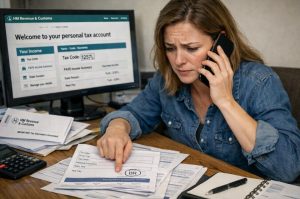
If you’re unsure whether your new tax code is accurate, you should take a few steps to confirm it. A wrong tax code could mean you’re overpaying or underpaying tax, so it’s crucial to review it regularly.
Here’s how to check:
- Log into your Personal Tax Account at GOV.UK: This will show your current tax code, how it was calculated, and any adjustments
- Check your payslip: Your tax code appears near the top, and any “W1” or “M1” flags suggest it’s on an emergency basis
- Review your P60 or P45: These forms show what you’ve earned and paid in tax for the year
- Compare with your benefits: If you’ve got a company car or private health cover, make sure HMRC has the right value listed
- Contact HMRC: If anything seems wrong, you can call or use the online form to query your code
Staying informed ensures that your deductions reflect your true financial status.
What to Do If Your Tax Code Is Incorrect?
If you find that your tax code is wrong, it’s important to act quickly to avoid paying the wrong amount of tax. Incorrect codes can lead to underpayments or overpayments.
Here’s what you should do:
- Use HMRC’s online tax code checker. This tool can help identify the issue
- Contact HMRC directly by phone or through your Personal Tax Account
- Provide supporting documents, such as payslips, benefit statements, or your P60
- Update any changes in employment, income, or benefits
- Ask your employer to check if they’ve reported the correct details to HMRC
Once HMRC verifies the information, they will issue a corrected code to both you and your employer. This usually reflects in your payslip within a month.
How the Tax Code Change Affects Your Income?
The shift from 1250L to 1185L directly affects how much of your income is taxed. With a lower personal allowance, a larger portion of your salary becomes subject to tax. For most people, this means a noticeable reduction in take-home pay.
If you’re on the basic rate of 20%, the drop of £650 in your tax-free allowance translates to an extra £130 in tax per year, or roughly £11 per month. For higher rate taxpayers, the difference can be more significant.
This change may also affect other financial decisions, such as mortgage applications or savings plans. Understanding this impact allows you to adjust your monthly budgeting accordingly.
How to Prevent Future Tax Code Errors?
To avoid facing incorrect tax code changes in the future, it’s important to keep your financial records updated and be proactive with HMRC.
Here’s what you can do:
- Review your tax code each time you get a new payslip or job
- Report any job changes, benefits, or additional income to HMRC immediately
- Ensure your employer reports correct information to HMRC
- Check your Personal Tax Account regularly for any adjustments
- Submit a Self Assessment if you’re self-employed or have side income
- Track benefit changes, even minor ones can influence your allowance
Proactive monitoring can help prevent miscalculations that could result in financial loss or administrative delays.
Common Mistakes That Lead to Incorrect Tax Codes
Mistakes in tax codes often arise from outdated or incorrect information. Identifying these common errors can help you take timely action.
Here are frequent causes:
- Employers failing to update HMRC after benefit changes
- Missing or incorrect P45 during a job change
- Incorrect income estimates for side businesses or freelance work
- HMRC is applying an emergency code due to a lack of prior details
- Marriage Allowance is still being applied after a relationship change
- Outdated data used by HMRC to estimate untaxed income
- Self-employed income mistakenly included in PAYE
By staying vigilant and communicating with HMRC when changes occur, you can avoid these common pitfalls.
Conclusion
If your tax code has changed from 1250L to 1185L, it’s likely due to a decrease in your personal allowance caused by changes in income, benefits, or past tax adjustments. This results in more of your income being taxed, potentially reducing your take-home pay.
It’s essential to understand the reason for the change, check your tax code for accuracy, and take prompt action if something looks wrong.
By monitoring your tax code, updating your information with HMRC, and seeking help when needed, you can ensure you’re being taxed fairly and avoid unpleasant surprises in the future.
FAQs
What does 1250L mean on my payslip?
It means you’re entitled to a £12,500 personal allowance before tax is applied.
Why has my tax code dropped to 1185L?
Because your tax-free allowance has been reduced, possibly due to extra income or benefits.
Can I challenge a tax code change?
Yes, you can contact HMRC and provide evidence if you believe the change is incorrect.
What happens if my employer uses the wrong tax code?
You may overpay or underpay tax, so it’s important to inform HMRC to get it corrected.
How do I check what my tax code means?
Use your Personal Tax Account on GOV.UK or the HMRC tax code checker tool.