

Have you seen online claims about a new £225 cost of living payment from the Department for Work and Pensions (DWP) and wondered if it’s true? With the rising cost of essentials in the UK, such announcements can be both hopeful and confusing.
But what’s the reality behind the headlines? Many families are still struggling to keep up with food, rent, and utility bills, especially as inflation pressures linger into 2025.
Understanding where help is actually coming from is vital. While official DWP payments ended in early 2024, some support is still available, just not in the way it’s often portrayed online.
This guide will help you uncover the truth about the £225 cost of living payments, explain who can get them, and how you can access support through your local council. Let’s break it down so you can make informed decisions and avoid missing out on real assistance.
What Happened to the DWP Cost of Living Payments?
You may have heard that the DWP is offering another round of cost of living payments in 2025. However, that is not true, that’s just a rumour. The official DWP Cost of Living Payment scheme ended in February 2024.
This scheme ran from 2022 to 2024, providing automatic financial support to households receiving means-tested benefits, disability payments, or tax credits. For example, a final payment of £299 was issued in early 2024 to eligible recipients.
No applications were necessary for those payments, they were deposited automatically into bank accounts. These one-off support payments were introduced during a period of high inflation and economic uncertainty.
They were temporary measures to help people through sharp rises in household costs, including food, energy, and housing.
As of 2025, no new national DWP cost of living payments have been announced. That means any claims about upcoming £225 DWP payments this year are misleading or confused with other local schemes, as clarified by GOV.UK and local councils.
What Is the Household Support Fund and How Does It Work?
Since the DWP no longer issues automatic cost of living payments, support has shifted to the Household Support Fund (HSF). This fund is not operated by the DWP directly, but by local councils across the UK. It was introduced to help vulnerable households meet immediate needs such as food, energy bills, and essential living costs.
The HSF runs from 1 April 2025 to 31 March 2026, and councils have the flexibility to design their support schemes. Some may provide one-off grants, others might issue supermarket vouchers, or utility top-ups.
Here’s how the fund typically works:
- Managed locally: Councils decide how to distribute the funds.
- Amounts vary: Some offer £225 for families with children and £125 for others.
- Requires application: Most councils require you to apply through an online form.
- Support types: Includes cash grants, food vouchers, and help with utility bills.
The HSF offers crucial support, but it’s essential to check with your local authority for the most accurate information.
Who Can Get the £225 Cost of Living Help in 2025?
You might still be eligible for financial help through the Household Support Fund, even if you’re not receiving benefits. Unlike the DWP’s previous scheme, this fund is open to a wider range of people based on local council criteria.
Generally, you may qualify if you fall into one of these categories:
- Households with children (often eligible for £225 support)
- Individuals without children (may receive around £125)
- People facing financial hardship, even if not on benefits
- Recipients of Universal Credit, Housing Benefit, or Free School Meals
- Low-income pensioners or disabled individuals
Each council decides who gets what based on its own rules and available funding. For example, Tandridge Council previously offered £225 to families with children and £125 to those without. However, other councils might have different payment amounts or eligibility requirements.
The best way to determine if you’re eligible is to visit your local council’s website and check for current application windows, criteria, and required documentation.
How Do You Apply for a £225 Payment or Emergency Help?
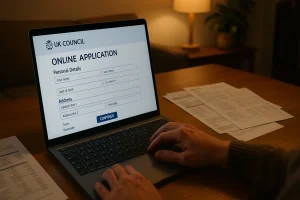
If you’re looking to apply for financial support equivalent to the £225 cost of living payment, you need to go through your local council, not the DWP. Each council has its own process and deadlines, and it’s essential to act early, as funding is limited and may close without notice.
Where Can I Apply for Household Support Fund Grants?
Applications are usually made through your council’s website. Use the GOV.UK council finder to locate your authority’s page. Once there, search for Household Support Fund, cost of living help, or emergency grants. Some councils may also allow referrals from local charities or housing associations.
For example, Middlesbrough and Doncaster councils have separate windows for food and energy support. Other areas, like Nottinghamshire, offer automatic payments to certain households.
What Documents Do I Need to Apply?
While the application process varies, most councils ask for:
- Proof of address (e.g., council tax or utility bill)
- Proof of income or benefits (e.g., Universal Credit statement)
- Bank statements
- Evidence of hardship, such as arrears letters or eviction notices
- Child benefit letters if applying for child-related support
In Tandridge, applicants were required to submit evidence online or attend council offices if they lacked internet access.
Do All Councils Offer £225 Payments?
Not all councils offer the same amounts. While many provide £225 for households with children, others might offer more or less. For instance, West Berkshire offers up to £300 for large families. In some areas, payment amounts vary based on family size or needs.
Always check your specific council’s guidelines because each one sets its own payment structure, eligibility, and method of support delivery. Acting quickly ensures you don’t miss out, especially if funds run low or deadlines close early.
When Will You Receive Household Support Fund Payments?
Once you’ve submitted your application for the Household Support Fund, you may be wondering when the support will arrive. The timing varies depending on your local council, how you applied, and whether the payment is automatic or manually reviewed.
Is the Support Available Now or Later in 2025?
Yes, the Household Support Fund is active from 1 April 2025 to 31 March 2026. However, individual councils set their own application timelines, so availability may differ. Some councils, like Doncaster, split the support into Summer food payments and Winter energy help.
For example:
- Summer food grants may be paid in July
- Energy-related support may come in December
Are Payments Automatic or Do I Need to Apply?
Some councils, such as Nottinghamshire, make automatic payments to certain households that previously received help. Others, including Middlesbrough, require an online application, especially if your circumstances have changed.
You may also be contacted directly by your council if they have existing records of your eligibility. However, most councils still require you to actively apply or confirm details even if you’ve received help before.
Are There Specific Deadlines for Applications?
Yes, many councils operate on rolling deadlines or set specific windows for certain types of support. Deadlines often close early due to limited funding. In some cases, applications may only be open for a few weeks.
You should:
- Check your council’s website regularly
- Set reminders for application openings
- Submit your application as early as possible
Missing the deadline could mean missing the entire round of support. If in doubt, contact your local authority directly or reach out to support centres like Citizens Advice. They can help guide you through the process and confirm when payments might be issued in your area.
What Other Help Is Available Besides the £225 Grant?
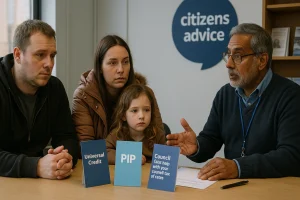
Beyond the Household Support Fund, there are several other financial assistance options for UK residents. These schemes are designed to offer ongoing or one-time help for different groups, including those not eligible for the HSF.
Here are key alternatives:
- Universal Credit: Monthly financial support for low-income individuals and families.
- Pension Credit: For pensioners on low income, includes extra help with bills.
- Personal Independence Payment (PIP): For those with long-term health conditions or disabilities.
- Housing Benefit: Helps cover part or all of your rent if you qualify.
- Carer’s Allowance: For those providing unpaid care to someone with serious health needs.
- Cold Weather Payments: Issued during extreme winter temperatures to help with heating costs.
- School Meal Vouchers: Offered during school holidays in some regions.
You can check eligibility and apply through GOV.UK or your local Jobcentre Plus. Combining these options with the HSF can provide more complete support for households in financial difficulty.
What Are the Risks of Following Unofficial Information?
Social media often spreads misleading or outdated claims about government payments, including the false belief that the DWP is offering a £225 cost of living payment in 2025. Acting on this misinformation can lead you to miss deadlines, fall for scams, or delay real help.
Here’s what you should be cautious of:
- Viral posts claiming national payments with no official source
- Fake websites asking for bank details or personal data
- Outdated articles referring to 2022–2024 schemes
The DWP has not announced any new cost of living payments for 2025. Relying on unofficial channels can prevent you from accessing genuine support like the Household Support Fund.
Instead, use trusted platforms such as:
- GOV.UK
- Your local council’s official site
- Citizens Advice
Staying informed through official sources ensures you know what support is actually available, how to access it, and when to apply. This helps you avoid false hope and make confident decisions about your finances.
How Can You Make the Most of Any Financial Support?
When you receive support from the Household Support Fund or other schemes, it’s important to make your payment go as far as possible. These grants are often one-time payments designed to cover immediate essentials, so careful planning is key.
Start by prioritising critical needs such as:
- Energy bills
- Groceries
- Children’s clothing or school items
Next, explore whether you qualify for additional local aid, such as food banks, holiday meal vouchers, or utility bill discounts from your provider. You can also use benefits calculators like Turn2Us or EntitledTo to check for missed entitlements.
Budgeting wisely helps you stretch the value of your support. Use simple budgeting apps or spreadsheets to track spending. Sharing tips or buying in bulk with others in your community may also reduce costs. Maximising every resource available ensures your household stays afloat during tough financial times.
What Should You Do Next?
Now that you know what’s real and what’s rumour, it’s time to take action. Waiting too long or relying on incorrect sources can mean missing out on vital support that could ease your financial burden.
Here’s what you should do right now:
- Check your local council’s website for open applications
- Review your eligibility for the Household Support Fund
- Gather necessary documents like benefit letters or bank statements
- Set reminders for application deadlines or payment dates
- Contact Citizens Advice if you need help understanding the process
- Apply early as funds can run out before deadlines
- Follow your council’s social media pages for updates
Every council is different, so don’t assume the process is the same across regions. If you’re unsure, contact your council directly. By acting early and staying informed, you increase your chances of getting the support you need without delays or missed opportunities.
DWP vs Household Support Fund
Understanding the difference between the old DWP scheme and the current Household Support Fund can help clarify confusion about eligibility and application processes.
Here’s a side-by-side comparison:
| Feature | DWP Cost of Living Payments (2022–2024) | Household Support Fund (2025–2026) |
|---|---|---|
| Managed By | Department for Work and Pensions (DWP) | Local councils |
| Payment Type | Automatic cash deposits | Grants, vouchers, or bank transfers |
| Eligibility | Benefits like UC, PIP, tax credits | Varies by council, may not require benefits |
| Application Required | No | Usually yes |
| Maximum Support | £900 (combined) | £125–£300 depending on area |
| Duration | Ended Feb 2024 | Runs until March 2026 |
The DWP’s role has shifted to strengthening long-term welfare like Universal Credit, while local councils now handle emergency financial support. Always verify details with official council websites to avoid outdated or incorrect information.
FAQs
What is the truth about the £225 DWP cost of living payment?
There is no £225 cost of living payment being issued by the DWP in 2025. The confusion comes from council-run schemes offering similar amounts via the Household Support Fund.
Will any cost of living payments continue in 2025?
No new national cost of living payments are planned in 2025. The official DWP scheme ended in February 2024.
Where can I apply for financial help now?
You can apply for the Household Support Fund through your local council’s website. GOV.UK can help you find the correct authority.
Are pensioners getting extra money in 2025?
Pensioners may still receive support like Pension Credit or Winter Fuel Payments. However, there are no new DWP cost of living payments for them in 2025.
How can I check if I qualify for support?
Check eligibility on your local council’s website or through GOV.UK. Citizens Advice can also help you understand what you’re entitled to.
What support is available if I receive disability benefits?
You may still qualify for PIP or Attendance Allowance and could also be eligible for the Household Support Fund. These schemes are separate but can be claimed together if criteria are met.
Can families with children get emergency help?
Yes, many councils offer grants of £225 or similar for families with children. You’ll need to apply directly through your council’s application process.