

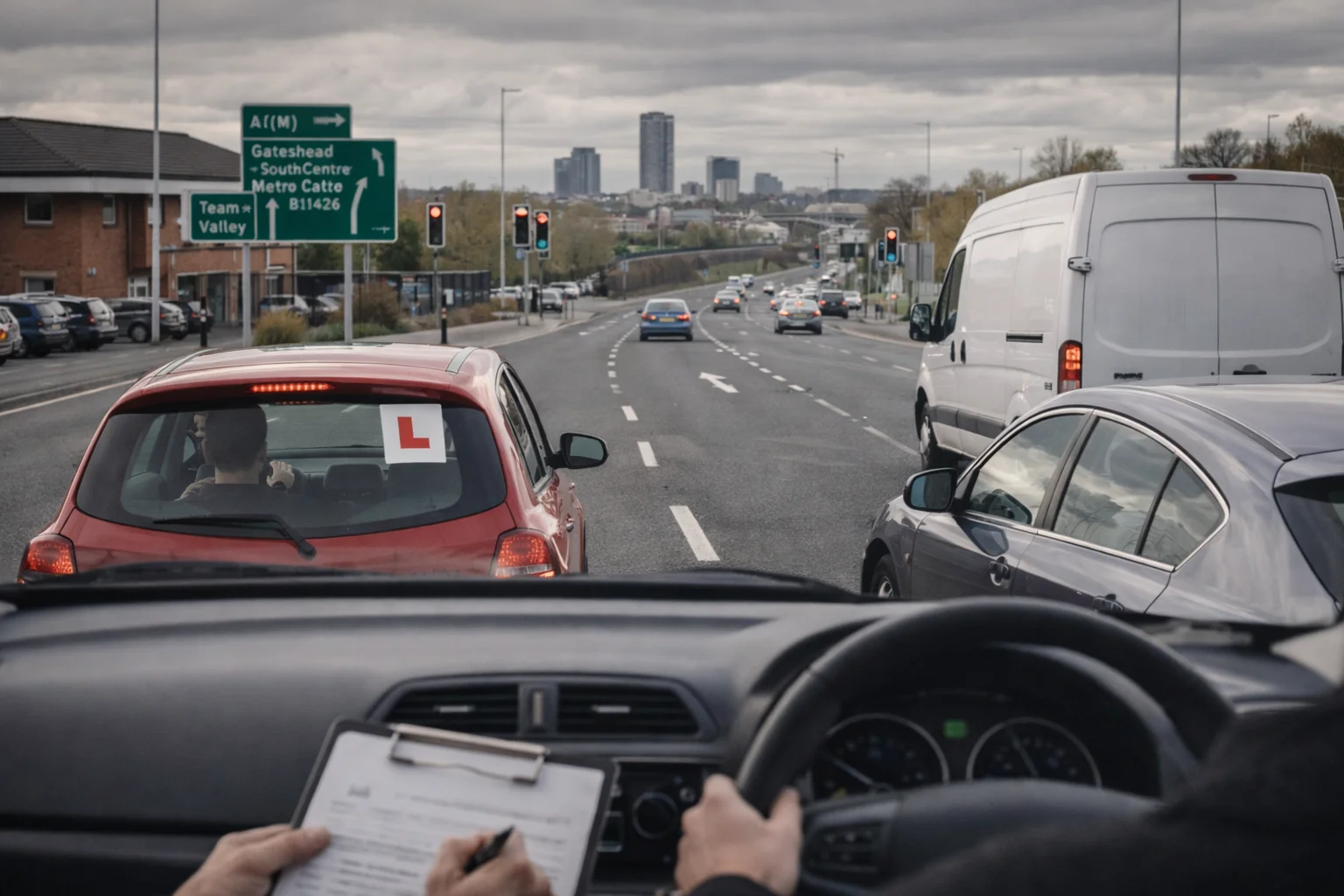
The DVSA driving law changes taking effect on March 31 2026, will significantly reshape how learner drivers book, manage, and prepare for their driving tests across the UK. These changes mainly limit booking amendments, restrict who can manage test appointments, and aim to reduce fraud while increasing test availability.
Key takeaways at a glance
- Learners will be limited to two booking changes from March 31 2026
- Only learners will be allowed to book and manage tests from spring 2026
- Test centre changes will be restricted to nearby locations
- The government is introducing measures to clear the test backlog
These reforms are designed to make the driving test system fairer, faster, and more efficient for UK motorists.
What Are the DVSA Driving Law Changes Starting on March 31 2026?
The DVSA driving law changes beginning on March 31 2026, represent one of the most notable reforms to the UK driving test system in recent years. Announced by the Driver and Vehicle Standards Agency, these changes focus on tightening booking rules and reducing misuse of the system that has contributed to long waiting times.
From this date, learner drivers will face stricter controls on how many times they can modify a driving test booking. The DVSA has confirmed that the number of allowed changes will drop significantly, reflecting concerns around excessive rescheduling and test slot manipulation. These reforms are part of a broader effort to address the substantial backlog of learners waiting to take their tests.
“These changes are designed to reduce misuse of the booking system and make more driving tests available to those who genuinely need them,” a DVSA spokesperson noted.
The changes are also being introduced in phases. While March 31 2026, marks the start of booking limits, additional rules affecting who can book and manage tests will follow later in spring 2026. Together, these updates aim to increase test availability, cut fraud, and ensure fair access to driving tests for all learners.
How Many Times Can Learners Change Their Driving Test Booking?
From March 31 2026, the DVSA driving law changes will strictly limit how often a learner driver can amend an existing driving test booking. Under the new rules, learners will only be allowed to make two changes per test booking, a significant reduction from the previous allowance.
These changes apply to all types of booking modifications recognised by the DVSA. Once a learner has used both permitted changes, any further adjustments will require the test to be cancelled and rebooked entirely. This approach is designed to discourage unnecessary alterations and prevent abuse of the booking system.
Changes that count towards the two allowed amendments include:
- Changing the test date
- Changing the test time
- Changing the test centre
- Swapping the appointment with another learner driver who already has a booking
Learners who cancel their test after exceeding the allowed changes will still be eligible for a full refund, provided the cancellation is made at least ten full working days before the scheduled test date. This ensures fairness while reinforcing responsible booking behaviour.
Who Can Book and Manage a Driving Test from Spring 2026?
The DVSA driving law changes extend beyond booking limits and introduce a fundamental shift in who controls driving test appointments. From later in spring 2026, only learner drivers themselves will be permitted to book and manage their driving tests.
This reform aims to remove third-party involvement and reduce the practice of bulk bookings that contribute to delays and unfair access.
Driving instructors’ role before vs after spring 2026
Previously, driving instructors were allowed to book and manage tests on behalf of their pupils. Under the new system, instructors will no longer have this authority. Their role will shift to an advisory and availability-based function rather than direct booking control.
“Driving instructors will continue to play a vital role in preparing learners, even as booking responsibilities shift directly to candidates,” said a DVSA representative.
New learner-only rule explained
Once the rule comes into effect, learners will be solely responsible for booking, changing, and cancelling their tests. This ensures accountability and reduces the misuse of instructor-managed bookings. The DVSA believes this will lead to a more transparent and fair booking process.
Test rebooking is limited to the original area
Learners will also be restricted when changing test centres. Any rebooking must be to a centre close to the originally selected location. This prevents learners from booking in quieter regions purely to secure earlier test slots and later switching to high-demand areas.
Driving instructors will still be able to:
- Set morning and afternoon availability
- Block out one-off unavailable periods, such as holidays
- Specify minimum time gaps between tests
This system ensures instructors remain involved while learners retain full control over bookings.
How Will Driving Instructors Be Affected by the DVSA’s New Rules?

The DVSA driving law changes will significantly alter how driving instructors interact with the test booking system. While instructors will no longer be able to book or manage tests directly, they will still play an essential role in scheduling and preparation.
Under the revised rules, instructors will continue using the online service to manage availability rather than appointments. This means they can influence scheduling without controlling bookings.
Key impacts on instructors include:
- Loss of direct booking authority
- Increased reliance on learners to coordinate test dates
- Continued ability to manage availability hours
- Reduced risk of overlapping test commitments
These changes may initially require instructors to adjust their workflows. However, the DVSA believes this approach will reduce booking abuse while still allowing instructors to support learners effectively. Overall, the reforms aim to balance fairness for learners with operational clarity for instructors.
What Is the Government Doing to Tackle the Driving Test Backlog?
Addressing the driving test backlog is a central reason behind the DVSA driving law changes. The government has acknowledged that learners have faced record waiting times, prompting urgent intervention.
“We are taking decisive action to reduce waiting times and ensure that every learner driver has a fair chance to book a driving test and get on the road,” said Transport Secretary Heidi Alexander.
To increase capacity, the Transport Secretary confirmed that military driving examiners would be deployed to assist with testing. In total, 36 defence driving examiners will conduct tests one day per week for a 12 month period. This initiative is expected to deliver up to 6,500 additional driving tests each year.
These measures are part of a broader commitment to ensure every learner driver has a fair opportunity to take their test. Alongside booking reforms, the government aims to restore confidence in the testing system and reduce delays that have impacted young drivers nationwide.
Are There Changes to the Practical Driving Test in 2026?
Yes, the DVSA driving law changes also include updates to the structure of the practical driving test in 2026. These changes are intended to better reflect real-world driving conditions and improve road safety.
Key updates include a reduction in routine stops during the test, allowing more time to be spent on faster roads. Emergency stop manoeuvres will also become less frequent, appearing in fewer tests than before.
Another major update is the extension of the independent driving section. This part of the test will increase from 10 minutes to 20 minutes, encouraging candidates to demonstrate confident decision-making without constant examiner instruction.
There are also proposals to introduce a mandatory minimum learning period before learners can take their practical test. Together, these updates aim to produce safer and more competent drivers.
What’s New in the Theory Test for UK Learners?
The DVSA driving law changes introduce important updates to the theory test, focusing strongly on safety and emergency awareness. These updates are designed to equip new drivers with essential life-saving knowledge.
New topics: CPR, AEDs, emergency response
Learners will now be tested on:
- Basic CPR principles
- Awareness and use of Automated External Defibrillators
- Roadside emergency response procedures
These additions reflect the growing importance of first aid knowledge on UK roads.
Importance of roadside safety knowledge
Understanding how to respond in an emergency can save lives. The DVSA believes that equipping learners with this knowledge will improve overall road safety and driver confidence.
“Improving emergency awareness among new drivers is a key step towards making UK roads safer for everyone,” a DVSA spokesperson stated.
How does this change improve driver awareness?
By introducing these topics, the theory test now goes beyond road signs and rules. It promotes responsible behaviour, situational awareness, and preparedness. This ensures new drivers are not only legally compliant but also safety-conscious from the start of their driving journey.
How Do These Driving Law Changes Affect Licence Holders Across the UK?
The DVSA driving law changes impact more than just learner drivers. While learners are the primary focus, the reforms affect the wider driving community.
Licence holders should be aware of:
- Increased enforcement through improved booking systems
- Greater emphasis on safety knowledge
- Changes that may influence future retesting or upgrades
“For too long, learners have faced long waits and repeated delays. These reforms aim to make the system fairer and more transparent,” said a government source.
For learners, these changes mean more responsibility and fewer opportunities to reschedule unnecessarily. For instructors, the focus shifts to guidance rather than administration. For the wider public, the result should be safer, more confident new drivers entering UK roads.
Is the UK Moving Towards Digital Driving Licences?
Yes, alongside the DVSA driving law changes, the UK is progressing towards digital driving licences. A pilot scheme launched in late 2025 allows drivers to access their licence details through the GOV.UK Wallet app.
While physical licences remain valid, drivers are encouraged to keep digital records updated. Incorrect or outdated details could lead to fines or enforcement issues.
Key points include:
- Full rollout expected by 2027
- Digital licences remain optional initially
- Focus on convenience and accuracy
This digital shift supports the government’s wider transport modernisation strategy.
Conclusion
The DVSA driving law changes coming into force from March 31 2026 mark a decisive step towards reforming the UK driving test system. By limiting booking changes, placing control firmly with learners, and increasing test capacity, the DVSA aims to reduce delays and restore fairness.
Additional updates to practical and theory tests further strengthen road safety and driver preparedness. With digital licences also on the horizon, UK motorists are entering a new era of driving regulation. Staying informed and prepared will be essential for navigating these changes successfully.
FAQs
Will my instructor still be able to book my driving test after spring 2026?
No. Only learner drivers will be allowed to book and manage driving tests from spring 2026.
What happens if I need to change my test more than twice?
You must cancel the test and make a new booking if you exceed the two allowed changes.
Can I still get a refund if I cancel my test?
Yes. A full refund is available if you cancel at least ten full working days before the test.
Do these rules apply to all UK driving tests?
They apply primarily to learner driving tests and booking systems managed by the DVSA.
Will test centre changes be allowed?
Yes, but only to centres located close to the original booking location.
Are theory tests becoming harder in 2026?
They are becoming more comprehensive, with added focus on safety and emergency awareness.
Do full licence holders need to take action now?
Full licence holders should stay informed, but most changes directly affect learners.