
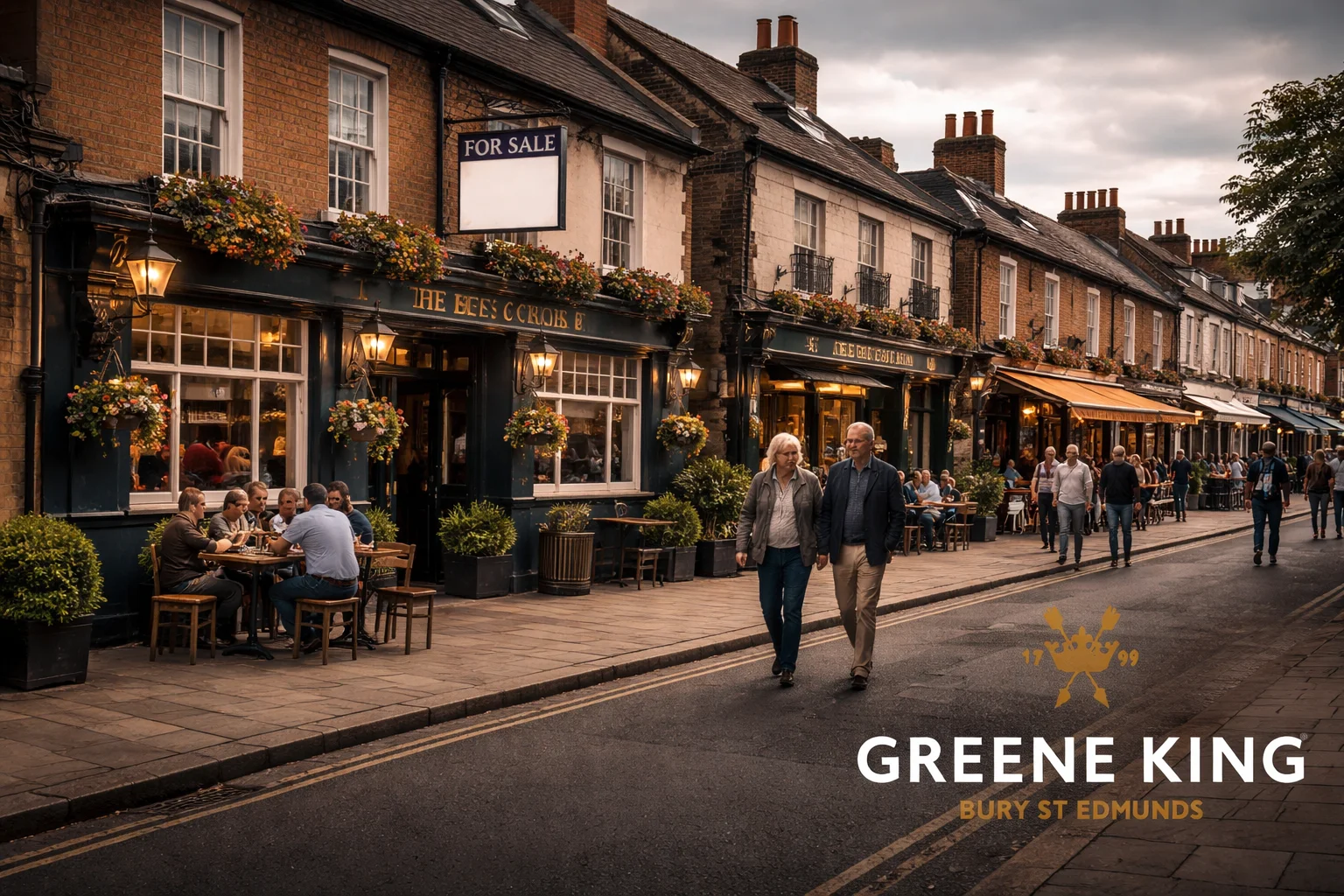
Greene King: The 150 Pub Strategy
Strategic Executive Summary
Greene King is transitioning 150 non-core sites to new ownership. This is a Portfolio Optimization move, not a closure program, designed to insulate the group against 2026’s rising energy costs and inflationary pressures.
Divestment
Selling underperforming or non-core assets to free up capital.
Refocus
Prioritizing “Food-Led” and “Premium” venues for higher ROI.
Stability
Strengthening the balance sheet against utility cost spikes.
Stakeholder Impact Matrix
“This move signals a broader evolution in the UK pub sector—away from sheer volume and toward high-quality, resilient experiences that can survive the current cost-of-living climate.”
— Industry Analyst Review 2026
Estate Status: Major national presence remains unchanged. Analysis based on 2026 restructuring data.
Greene King plans to sell 150 pubs across the UK as part of a strategic business restructuring rather than a mass closure programme.
The move focuses on divesting non-core or underperforming sites to strengthen its overall portfolio, manage rising costs, and prioritise higher-performing venues.
While the announcement has raised concerns, most pubs are expected to continue operating under new ownership rather than shutting down.
Key Takeaways:
- Greene King is selling 150 pubs, not closing them outright
- The decision is linked to inflation and rising operating costs
- Most locations are expected to remain open under new owners
- The move reflects wider challenges in the UK pub industry
- It is part of a long-term strategy to improve profitability
What Is Greene King’s Plan To Sell 150 Pubs In The UK?

Greene King’s plan to sell 150 pubs is part of a structured effort to reshape its business portfolio and focus on more profitable operations. The company, one of the UK’s largest pub operators, is reviewing its estate and identifying sites that no longer align with its long-term goals.
This decision does not indicate an immediate closure of these pubs. Instead, the intention is to transfer ownership while allowing many of them to continue trading. Reports suggest that these pubs are often smaller, less profitable, or located in areas where returns have been declining.
Key elements of the plan include:
- Selling selected pubs to independent buyers or smaller operators
- Prioritising investment in high-performing and premium venues
- Improving overall efficiency and financial stability
Industry observers note that such moves are increasingly common as large pub chains adapt to economic pressures. By reducing its estate, Greene King aims to create a more sustainable and focused business model while maintaining its presence across the UK hospitality sector.
Why Is Greene King Selling 150 Pubs Now?
Greene King’s decision comes at a time when the UK hospitality sector is facing significant financial strain. Rising costs and shifting consumer habits have made it increasingly difficult for large pub chains to maintain profitability across all locations.
Several key factors are driving this move:
- Inflation pressures: Increased prices for food, drinks, and supplies have reduced profit margins
- Energy costs: Higher utility bills continue to impact operating expenses across all venues
- Labour challenges: Wage increases and staff shortages are adding to financial strain
- Changing consumer behaviour: Customers are spending less frequently due to the cost-of-living crisis
The timing reflects a broader trend across the industry where businesses are reassessing their portfolios. Rather than maintaining a large number of lower-performing pubs, companies are choosing to focus on fewer, more profitable locations.
A hospitality analyst noted,
“This is not a sudden decision. It is a response to sustained cost pressures that have been building over several years.”
In addition, Greene King is aiming to strengthen its financial position by freeing up capital. This allows the company to reinvest in areas that offer better long-term returns, including food-led pubs and premium experiences that are proving more resilient in the current market.
How Does This Decision Reflect The Wider UK Pub Industry Crisis?
The sale of 150 pubs by Greene King highlights deeper challenges affecting the entire UK pub industry. Over recent years, many operators have struggled to balance rising costs with declining customer spending.
Across the sector, similar patterns are emerging:
- Reduced footfall in traditional pubs
- Increasing reliance on food and premium offerings
- Growing competition from alternative leisure options
- Ongoing financial pressure from inflation and taxation
Reports from multiple outlets suggest that pub closures and restructuring efforts are becoming more common. While not all closures are permanent, the trend indicates a shift in how the industry operates.
A pub owner shared,
“It is not just one company. Everyone in the sector is feeling the pressure, especially smaller venues.”
The situation is further complicated by the cost-of-living crisis, which has reduced discretionary spending. Customers are more selective about when and where they go out, which directly impacts pub revenues.
Despite these challenges, the industry is not collapsing. Instead, it is evolving. Many businesses are adapting by offering improved experiences, diversifying their services, and focusing on quality over quantity. Greene King’s decision reflects this broader transition rather than signalling a complete decline.
What Types Of Pubs Are Being Sold By Greene King?
Greene King is focusing on selling pubs that are considered less central to its long-term strategy. These are typically locations that generate lower returns or require significant investment to remain competitive.
The company is not exiting the pub market. Instead, it is refining its portfolio to concentrate on venues that align with changing customer expectations and stronger financial performance.
Many of the pubs being sold share common characteristics:
- Smaller sites with limited growth potential
- Locations with declining footfall
- Properties requiring high maintenance costs
- Venues outside core strategic areas
This approach allows Greene King to streamline operations while maintaining a strong presence in key markets.
Are These Underperforming Or Non-Core Locations?
Yes, most of the pubs identified for sale fall into categories that are either underperforming or considered non-core to the business. This does not necessarily mean they are unsuccessful, but rather that they do not fit within Greene King’s evolving strategy.
For example:
- Some pubs may perform adequately but lack long-term growth opportunities
- Others may be in regions where operating costs outweigh returns
- Certain locations may not match the company’s focus on food-led or premium experiences
An industry insider explained,
“It is about strategic alignment. A pub might still be viable, but it may not fit the direction the company is heading.”
Will These Pubs Continue Operating Under New Ownership?
In most cases, the pubs are expected to remain open after being sold. New ownership often brings different business models or local expertise that can revitalise these venues.
Possible outcomes include:
- Independent operators taking over and adapting the offering
- Smaller pub groups expanding their portfolios
- Community-focused management improving local engagement
A local operator commented,
“When larger chains step back, it often creates opportunities for smaller businesses to step in and succeed.”
This transition can benefit both the company and the local community. Greene King reduces its operational burden, while new owners may bring fresh ideas and renewed investment into the pubs.
What Does This Mean For Local Communities And Pub Workers?
The sale of 150 pubs naturally raises concerns about its impact on communities and employees. Pubs play an important role in many UK neighbourhoods, often serving as social hubs and local meeting points.
For workers, the situation varies depending on the outcome of each sale. In many cases, staff may continue working under new ownership, although there may be changes in management or operations.
Key Impacts Overview:
| Area | Potential Impact |
|---|---|
| Employment | Staff may retain jobs but face changes in contracts |
| Community Role | Pubs likely remain open but may change style |
| Local Economy | Continued activity if new owners invest |
| Customer Experience | Possible improvements or repositioning |
A community member shared,
“People worry when they hear about sales, but often the pub stays open and even improves.”
However, there is still some uncertainty. Not all pubs will experience smooth transitions, and outcomes may differ depending on the buyer and location. Overall, the move is expected to create a mix of challenges and opportunities across different communities.
Is Greene King In Financial Trouble Or Restructuring Strategically?

Greene King’s decision has led to speculation about its financial health, but current evidence suggests that the move is primarily strategic rather than a sign of immediate distress. The company is adjusting to a changing market rather than reacting to a crisis.
The distinction between financial trouble and strategic restructuring is important. While rising costs have affected profitability, the company is actively taking steps to improve its long-term position.
Is This A Sign Of Financial Distress?
There is no clear indication that Greene King is facing severe financial instability. Instead, the sale appears to be part of a controlled plan to manage costs and optimise performance.
Key points to consider:
- The company continues to operate a large and diverse portfolio
- Sales are targeted rather than widespread closures
- The move aligns with industry trends rather than panic decisions
A financial observer noted,
“This is about strengthening the balance sheet, not reacting to a sudden crisis.”
How Does This Fit Into Greene King’s Long-Term Strategy?
The sale aligns with Greene King’s broader strategy to focus on quality over quantity. By reducing its estate, the company can allocate resources more effectively and invest in areas with higher returns.
Strategic goals include:
- Enhancing premium and food-led pub experiences
- Improving operational efficiency
- Reducing exposure to underperforming assets
- Strengthening financial resilience
A hospitality consultant explained,
“Large operators are becoming more selective. It is about building a sustainable business for the future.”
This approach reflects a shift across the industry where companies prioritise profitability and customer experience over expansion.
How Many Pubs Does Greene King Currently Operate In The UK?
Greene King operates a substantial number of pubs across the UK, with an estate that includes several thousand locations before the planned sale. This makes it one of the largest pub operators in the country.
Even after selling 150 pubs, the company will retain a significant presence in the market. The sale represents only a portion of its overall portfolio.
Key context includes:
- A large national footprint across urban and rural areas
- A mix of managed, leased, and tenanted pubs
- Continued focus on core and high-performing venues
The scale of the business means that the impact of selling 150 pubs is relatively limited in terms of overall operations. However, it is still a notable move that reflects changing priorities within the organisation.
This repositioning allows Greene King to maintain its leadership position while adapting to evolving market conditions.
Could More Pub Sales Or Closures Follow In The UK?
The sale of 150 pubs raises questions about whether similar actions could follow, both for Greene King and across the wider industry. Current trends suggest that further restructuring is possible.
Factors that may influence future decisions include:
- Ongoing inflation and cost pressures
- Changes in consumer behaviour
- Performance of remaining pubs
- Broader economic conditions
Some analysts believe that additional sales could occur if market conditions remain challenging. Others suggest that this move may be sufficient for Greene King’s current strategy.
A sector expert commented,
“We are likely to see continued adjustments across the industry as businesses respond to economic realities.”
While uncertainty remains, it is important to note that not all changes result in closures. Many pubs continue operating under new ownership, which helps preserve their role in local communities.
How Are Inflation And Costs Impacting UK Hospitality Businesses?
Inflation and rising costs are among the most significant challenges facing UK hospitality businesses today. These pressures are affecting everything from pricing strategies to staffing decisions.
The impact is widespread and continues to shape how businesses operate and plan for the future.
What Are The Biggest Cost Pressures Facing Pubs Today?
Several major cost factors are influencing pub operations:
- Energy bills have increased significantly, affecting daily operations
- Food and drink supply costs continue to rise
- Wage increases are adding to labour expenses
- Maintenance and property costs remain high
These pressures reduce profit margins and make it harder for pubs to remain financially viable, particularly in less busy locations.
A pub manager stated,
“Every cost has gone up, but customers cannot always afford higher prices, so margins are squeezed.”
Are Smaller Pub Operators More At Risk Than Large Chains?
Smaller operators often face greater challenges because they lack the financial resources and economies of scale available to larger chains. This can make it harder to absorb rising costs or invest in improvements.
However, smaller operators can also be more flexible and responsive to local demand. In some cases, this allows them to succeed where larger chains struggle.
Key differences include:
- Large chains benefit from bulk purchasing and brand recognition
- Smaller operators rely on local engagement and adaptability
- Financial resilience varies significantly between businesses
The overall effect is a highly competitive environment where only the most adaptable businesses are likely to thrive.
What Are Experts And Industry Analysts Saying About Greene King’s Move?
Industry analysts generally view Greene King’s decision as a strategic adjustment rather than a sign of decline. Many experts highlight that similar actions are being taken across the hospitality sector.
Common perspectives include:
- The move reflects necessary adaptation to economic conditions
- It aligns with broader industry trends
- It may strengthen Greene King’s long-term position
A market analyst observed,
“This is a calculated step that allows the company to focus on stronger assets while reducing exposure to weaker ones.”
There is also recognition that the pub industry is undergoing a period of transformation. Businesses are evolving to meet new consumer expectations and economic realities.
Overall, the response has been measured, with most experts viewing the move as a practical and forward-looking decision.
What Should Customers And Pub-Goers Expect Going Forward?
Customers are unlikely to see immediate disruptions as a result of the sale. Most pubs are expected to continue operating, although there may be gradual changes over time.
Potential developments include:
- New ownership is bringing different menus or concepts
- Refurbishments or repositioning of venues
- Continued service with minimal short-term impact
For regular customers, the experience may remain largely unchanged in the short term. However, over time, some pubs may evolve to better suit local demand.
The overall message for pub-goers is one of continuity rather than sudden change.
Is The UK Pub Industry Declining Or Evolving?
The UK pub industry is not simply declining but undergoing a period of transformation. While closures and sales are increasing, many businesses are adapting to new conditions.
Key trends include:
- A shift towards food-led and premium experiences
- Greater emphasis on customer experience
- Increased focus on efficiency and sustainability
These changes suggest that the industry is evolving rather than disappearing. While challenges remain, there are also opportunities for innovation and growth.
The future of the UK pub sector will likely depend on how effectively businesses adapt to changing consumer preferences and economic pressures.
Conclusion
Greene King’s decision to sell 150 pubs represents a strategic response to ongoing challenges within the UK hospitality sector. Rather than signalling widespread closures, the move reflects a shift towards a more focused and sustainable business model.
The plan highlights key industry trends, including rising costs, changing consumer behaviour, and the need for operational efficiency. While some uncertainty remains, particularly for local communities and workers, many pubs are expected to continue operating under new ownership.
Ultimately, this development underscores a broader transformation within the pub industry. Businesses are adapting to survive and grow in a changing environment, and Greene King’s approach reflects this evolving landscape.
FAQs
Is Greene King closing 150 pubs permanently?
No, Greene King is selling these pubs rather than closing them outright. Many are expected to remain open under new ownership.
Who is likely to buy the pubs being sold?
Buyers may include independent operators or smaller pub groups. These buyers often bring local expertise and new business ideas.
Will staff lose their jobs after the sale?
In many cases, staff may continue working under new ownership. However, some roles and contracts could change.
Are other UK pub chains also selling assets?
Yes, other operators are also restructuring due to economic pressures. This reflects a wider industry trend.
How does this affect pub prices and customers?
Prices may continue to reflect rising costs across the industry. Customer experience may change depending on new ownership.
Is this linked to the cost-of-living crisis?
Yes, reduced consumer spending is a key factor influencing decisions like this. It affects how often people visit pubs.
What happens to leased or tenanted pubs?
These pubs may continue operating under existing agreements or transfer to new owners. Terms can vary depending on the sale.