
What Is Behind the UK Driving Examiner Shortage?
The UK driving examiner shortage is being driven by several connected problems rather than a single issue.
Demand for driving tests increased sharply after pandemic restrictions ended, while the DVSA struggled to recruit and retain enough examiners to manage the sudden rise in bookings. As more learners entered the system, waiting times grew faster than staffing levels could recover.
Industry experts also point to the complexity of the recruitment process. Becoming a driving examiner requires multiple stages of assessment, strict training standards, and a lengthy approval period.
Although these measures are designed to maintain road safety, they have also reduced the number of successful candidates entering the workforce.
At the same time, experienced examiners continue leaving the role because of stress, safety concerns, and salary dissatisfaction.
Reports suggest many test centres are now operating under sustained pressure, particularly in busy urban areas where demand consistently exceeds available appointments. The result is a national backlog that continues affecting learners, instructors, and transport accessibility across Britain.
Why Is It So Difficult to Become a Driving Examiner in the UK?

The process of becoming a UK driving examiner is often described as one of the biggest obstacles preventing faster recruitment.
While the DVSA aims to maintain high testing standards and road safety, critics argue that the system has become too slow and overly bureaucratic for current demand levels.
Applicants must pass several assessment stages before they are allowed to supervise practical driving tests.
These stages evaluate driving ability, communication, decision-making, observation skills, and public interaction. Even experienced drivers or former transport professionals can struggle to complete every stage successfully.
The shortage has sparked growing debate within the driving industry because thousands of learners remain stuck in long waiting queues while examiner recruitment progresses slowly. Many instructors believe the process needs modernisation without reducing safety standards.
How Long Does the DVSA Recruitment Process Take?
The DVSA recruitment process can take several months from the initial application to final qualification. Candidates usually complete written applications, driving assessments, interviews, role-play exercises, and practical evaluations before entering formal training.
After the recruitment stages are completed, successful applicants must still undergo intensive examiner training. This final phase tests whether candidates can consistently assess learner drivers under real-world conditions.
The process commonly includes:
- Application screening and eligibility checks
- Advanced driving assessments
- Role-play and communication exercises
- Observation and judgment testing
- Several weeks of structured DVSA training
Many applicants drop out before the final stages because of the long timeline and uncertainty surrounding success rates. Others fail during training despite already investing significant time into the process.
Chris Benstead, co-founder of the Driving Instructor and Trainers Collective, criticised the recruitment structure by saying the process “is a poor fit for the role.” He explained that candidates are often filtered using civil service-style competency systems that “don’t clearly link to assessing driving ability.” He also warned that the strict final training phase creates “a hard bottleneck” after candidates have already committed substantial time and effort.
These concerns have increased pressure on the DVSA to simplify recruitment pathways while still protecting testing standards and road safety expectations.
Why Do So Few Applicants Pass the Examiner Process?
One of the most alarming concerns surrounding the UK driving examiner shortage is the extremely low pass rate for applicants.
Government figures previously showed that thousands of applications were started, but only a very small proportion of candidates eventually qualified as examiners.
Several factors contribute to this outcome. The role requires strong technical driving knowledge, calm judgement under pressure, and the ability to handle stressful situations involving inexperienced drivers.
Candidates must also demonstrate consistent professionalism throughout training and assessment periods.
Industry professionals believe the strictness of the process discourages capable applicants from continuing. Some former police officers and experienced instructors reportedly failed during the early stages despite having extensive road experience.
The low pass rate is also linked to the high responsibility attached to the job. Examiners are expected to make rapid safety decisions during practical tests while remaining neutral and accurate in their assessments. Mistakes during training can result in immediate failure.
Some experts argue that maintaining strict standards is necessary because examiners directly influence road safety outcomes. Others believe the balance between safety and recruitment efficiency has become too restrictive during a period of national staffing shortages.
The challenge for the DVSA is finding a way to recruit more examiners without reducing the quality and consistency expected from the UK driving test system.
How Are Long Driving Test Waiting Times Affecting Learner Drivers?
Long driving test waiting times are affecting almost every stage of the learner driver journey in the UK. In many parts of the country, learners now wait several months simply to secure a practical test date.
For people who rely on driving for work, education, or family responsibilities, these delays are creating financial and emotional pressure.
Many learners complete their lessons and become test-ready long before they can secure an appointment. This often leads to frustration, reduced confidence, and additional lesson expenses while waiting for an available slot.
Driving instructors also report that learners are struggling to stay motivated after repeated delays or cancelled tests. In some cases, learners feel forced to continue paying for refresher lessons just to maintain driving standards before their eventual test date arrives.
Rob Watts, an approved driving instructor, highlighted the scale of the problem by explaining that many of his learners were fully prepared but still unable to secure tests for months. He said, “If they found a way that would really help current backlogs the more tests you can do, the less the backlog.”
The delays are also affecting younger people entering employment. In areas with limited public transport, many learners depend on a driving licence to access jobs or apprenticeships. Waiting half a year for a test can delay work opportunities and increase transport costs significantly.
Why Are Learners Paying More During the Delays?
The examiner shortage has indirectly increased the overall cost of learning to drive in the UK. Learners who expected to finish lessons within a planned timeframe are now spending extra money while waiting for tests to become available.
Additional costs often include:
- Refresher driving lessons during long waiting periods
- Repeat lesson bookings to maintain confidence
- Higher travel expenses without a full licence
- Rebooking costs after cancelled appointments
Some learners are also turning to cancellation finder services to secure earlier tests. Although these tools can occasionally help, they add another layer of expense during an already costly process.
Extended waiting times can also affect insurance planning, especially for younger drivers hoping to purchase vehicles shortly after passing.
Families who budgeted for driving lessons over a few months may now face additional costs extending far beyond their original expectations.
The financial impact is especially difficult for learners balancing education, part-time work, or household expenses. In some cases, delays have caused learners to temporarily pause their driving progress altogether.
How Are Driving Instructors Being Affected?
Driving instructors are facing operational challenges because learners cannot progress through the system at normal speed.
Test-ready pupils often remain on instructors’ schedules for months while waiting for appointments, reducing space for new learners entering the system.
This situation creates pressure for instructors trying to manage availability fairly. Many instructors now juggle long-term students alongside growing waiting lists of new learners seeking lessons.
Instructors are also dealing with increased emotional pressure from frustrated learners and parents. Although instructors are not responsible for test availability, they are often the first people learners contact when delays occur.
Several instructors have warned that prolonged waiting times could eventually reduce the number of active driving teachers in certain areas if workloads become increasingly difficult to manage.
The shortage also affects lesson planning. Instructors must spend additional time refreshing previously learned skills rather than helping new learners progress through early training stages. This slows the overall learning pipeline and contributes to broader delays within the system.
Why Are Driving Examiners Leaving the DVSA?

Recruitment difficulties are only part of the problem because the DVSA is also struggling to retain experienced examiners.
Many former examiners describe the role as increasingly stressful, particularly as waiting lists continue growing and pressure on testing centres intensifies.
Salary concerns remain one of the biggest complaints. Although examiners receive civil service benefits, some workers believe pay progression does not properly reflect the risks and responsibilities involved in supervising practical tests every day.
Safety concerns have also become more prominent. Examiners regularly assess inexperienced drivers in unpredictable traffic situations, and some former staff say dangerous incidents are becoming harder to manage under current working pressures.
Justin Stanbrook, a former examiner, explained why he eventually left the role after several years. He said, “It’s the way they’re treated, the way the job has become extremely scary. It’s not worth the money.” He also recalled an incident involving a learner driver entering a dual carriageway dangerously, where he intervened to prevent a serious collision.
These experiences have reinforced concerns that retaining experienced examiners may become increasingly difficult unless working conditions improve.
How Is the Examiner Shortage Affecting Driving Instructors and ADI Trainees?
The examiner shortage is not only affecting learner drivers. It is also disrupting the process for Approved Driving Instructor (ADI) trainees attempting to qualify as professional instructors.
Because some DVSA examiners are being redirected toward practical driving tests, fewer staff are available to assess trainee instructors completing qualification stages.
This creates delays across another part of the driving industry pipeline. Trainee instructors may wait months for assessments while trying to complete strict qualification deadlines.
Common problems reported include:
- Delayed ADI qualification tests
- Limited examiner availability for instructor assessments
- Increased training costs during waiting periods
- Risk of restarting qualification timelines
Anthony McKenzie, a retired traffic sergeant pursuing ADI qualification, described concerns about potentially running out of time to complete his instructor assessments because of examiner shortages.
He explained that candidates may spend hundreds of pounds preparing for qualification stages without certainty about receiving test opportunities before deadlines expire.
The issue creates a wider cycle affecting the industry. Fewer qualified instructors entering the workforce can eventually reduce lesson availability for future learners.
This means the shortage impacts not only current driving tests but also the long-term stability of the UK learner driver system itself.
What Is the DVSA Doing to Reduce Driving Test Backlogs?
The DVSA has introduced several measures aimed at reducing waiting times and increasing test availability across the UK. Recruitment campaigns, overtime testing, and expanded examiner schedules are all part of broader efforts to improve appointment capacity over the next few years.
Government targets currently aim to reduce average waiting times significantly by 2027. However, transport analysts believe progress will depend heavily on whether recruitment and retention improve at a faster pace than learner demand continues growing.
Can the DVSA Realistically Reach Its Waiting Time Targets?
Reaching national waiting time targets remains challenging because the backlog is deeply connected to workforce limitations. Although examiner numbers have increased in some regions, demand for practical driving tests remains exceptionally high.
Several obstacles continue to slow progress:
- Low examiner recruitment pass rates
- Ongoing staff retention problems
- High learner demand in urban areas
- Delays within training pipelines
Experts warn that improvements may happen gradually rather than immediately. Some busy test centres could continue experiencing long waits even if national averages improve over time.
What Changes Are Industry Experts Suggesting?
Many industry professionals believe reforms are needed to improve both recruitment and retention. Suggestions mainly focus on simplifying application procedures while maintaining safety standards.
Common recommendations include:
- Streamlining recruitment stages
- Improving examiner salaries
- Expanding training capacity
- Increasing retention incentives
- Improving working conditions and safety support
Some experts also believe better long-term planning is needed to prevent future backlogs during periods of rising learner demand.
Could the UK Driving Examiner Shortage Continue Beyond 2026?
Many transport experts believe the UK driving examiner shortage could remain a long-term issue unless recruitment and retention improve significantly. Learner demand is expected to remain high as more young drivers enter the system and delayed bookings continue carrying over between years.
Population growth and employment-related driving needs may also increase pressure on practical test availability. In areas where public transport options remain limited, driving licences continue playing an important role in economic mobility and job access.
Although the DVSA is actively recruiting new examiners, the slow qualification process means staffing improvements may take time to fully impact waiting lists. Continued staff resignations could also reduce the effectiveness of recruitment campaigns if retention problems remain unresolved.
Industry analysts warn that future improvements will depend on balancing safety standards with a recruitment process capable of supplying enough qualified examiners for long-term national demand.
What Can Learner Drivers Do While Waiting for a Driving Test?
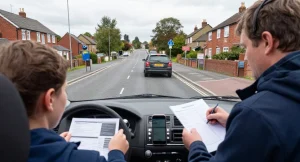
Learner drivers facing long waits can still take practical steps to stay prepared and reduce stress during the delay period. Maintaining driving confidence is important, especially when test dates are several months away.
Learners can benefit from:
- Taking occasional refresher lessons
- Practising regularly with qualified supervisors
- Monitoring official cancellation slots carefully
- Avoiding unofficial booking scams
- Staying updated with DVSA announcements
Many instructors also encourage learners to focus on independent driving confidence rather than simply preparing for the test itself.
Using waiting time to improve parking, roundabout awareness, and motorway familiarity can help learners feel more comfortable once their practical test finally arrives.
Managing expectations is equally important. While delays remain frustrating, staying consistent with practice often improves long-term driving ability and confidence behind the wheel.
What Does the UK Driving Examiner Shortage Reveal About Wider Transport Challenges?
The UK driving examiner shortage highlights wider workforce and infrastructure pressures affecting multiple parts of the transport sector.
Recruitment difficulties are no longer limited to driving tests alone. Similar staffing concerns are visible across logistics, public transport, and transport enforcement roles.
One major issue is the challenge of attracting workers into public-facing transport jobs that involve high responsibility but limited salary progression.
The examiner shortage demonstrates how difficult it can become to maintain public services when recruitment systems move more slowly than operational demand.
Broader concerns connected to the shortage include the following:
- Long-term workforce planning gaps
- Public sector recruitment delays
- Increasing pressure on transport infrastructure
- Growing regional mobility inequality
- Rising demand for transport-related services
The issue also reflects how driving licences remain essential for economic participation across many parts of Britain. In areas with limited rail or bus connectivity, delayed driving tests can directly affect employment access and social mobility.
For policymakers, the backlog has become more than an inconvenience for learner drivers. It now represents a wider challenge involving workforce sustainability, public service efficiency, and transport accessibility across the UK.
Conclusion
The UK driving examiner shortage has developed into a major national issue affecting learners, instructors, and the wider transport system.
Long recruitment timelines, low applicant pass rates, staff retention problems, and rising learner demand have all contributed to severe driving test backlogs across Britain.
While the DVSA continues introducing recruitment campaigns and backlog reduction measures, many experts believe lasting improvement will depend on wider reforms to examiner recruitment, training, and working conditions.
Learners are already facing higher costs, longer waits, and growing frustration as test availability remains limited in many regions.
Although future progress is possible, resolving the shortage will likely require long-term planning rather than short-term fixes alone. Until staffing levels stabilise, driving test delays may continue shaping the experience of learner drivers across the UK for several more years.
FAQs
Why are UK driving tests taking so long to book?
UK driving tests are taking longer to book mainly because there are not enough qualified driving examiners available to meet demand. Backlogs created after the pandemic, combined with high learner numbers and recruitment challenges, have increased waiting times across many UK test centres.
How many driving examiners does the DVSA currently employ?
The DVSA recently reported having more than 1,600 driving examiners working across the UK. However, industry estimates suggest that significantly more examiners are still needed to reduce national waiting times effectively.
What is the average waiting time for a driving test in the UK?
Many UK driving test centres are currently reporting average waiting times of around 22 to 24 weeks. Waiting periods can vary depending on location, with busy urban areas often experiencing the longest delays.
Why do so many driving examiner applicants fail?
The DVSA recruitment process includes several strict assessments covering driving ability, communication, judgement, and safety awareness. Many applicants fail during the final training stages because the standards are intentionally high to protect road safety.
Are driving examiner jobs considered dangerous?
Driving examiners regularly supervise inexperienced learner drivers in live traffic conditions, which can create unpredictable situations. Some former examiners have publicly raised concerns about stress levels and safety risks during practical tests.
How does the examiner shortage affect driving instructors?
Driving instructors often have to keep test-ready learners on their schedules for much longer than expected. This reduces lesson availability for new learners and increases pressure on instructors managing delayed test bookings.
What is the DVSA doing to solve the backlog problem?
The DVSA is recruiting additional examiners, expanding overtime testing, and introducing measures designed to increase appointment availability. The government also aims to reduce average waiting times over the next few years through staffing improvements.
Could UK driving test waiting times improve in 2027?
Waiting times could improve if examiner recruitment and retention efforts become more successful over the next two years. However, experts believe progress will depend on whether staffing growth can keep pace with continuing learner demand.