
What Is Happening at Connaught School for Girls?
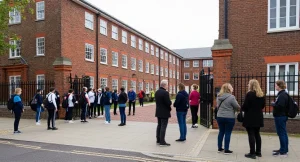
Connaught School for Girls in Leytonstone, East London, has faced renewed industrial action after teachers walked out during the GCSE and mock examination period. The strike began in April 2026 and quickly attracted national attention because students and parents launched public counter-protests against the disruption.
The dispute centres around claims of increasing workloads, fears over compulsory redundancies, and wider concerns about school funding pressures.
The National Education Union supported the industrial action, arguing that teachers were facing unsustainable working conditions. However, many families believed the timing of the strike placed unnecessary pressure on pupils preparing for crucial exams.
The situation escalated further when videos appeared online showing students confronting striking staff outside the school gates. Campaign groups such as “Stand With Our Girls” also emerged, with parents arguing that repeated industrial action over several years had negatively affected learning continuity for many pupils.
Why Are Teachers at Connaught School for Girls on Strike?
The strike at Connaught School for Girls is part of a wider conversation about funding, staffing pressures, and working conditions across UK schools.
Teachers involved in the industrial action argued that the dispute was not simply about pay, but also about long-term educational stability and staff wellbeing.
What Concerns Have Teachers and the NEU Raised?
Teachers and National Education Union representatives said the strike was linked to several workplace concerns that they believed were becoming increasingly difficult to manage.
According to union statements, staff feared compulsory redundancies and argued that workloads had become excessive.
Key concerns included:
- Increased teaching pressures
- Staff restructuring proposals
- Redundancy fears
- Concerns about workplace culture
- Claims of trade union victimisation
The union also stated that education staff were struggling with growing responsibilities while resources continued to tighten. Supporters of the strike argued that without action, staffing reductions could affect educational standards in the future.
During interviews and demonstrations, union members insisted they were striking to defend both staff welfare and pupil learning conditions. Some former students and activists also joined the demonstrations in solidarity.
One parent quoted during the dispute, Angela Tranter, criticised the prolonged disruption by saying:
“They just want to learn. This is the most horrible thing. They’re begging to be taught. If you have been striking since 2012 and it is still not working, maybe this is not the place for you to teach.”
Her comments reflected the growing divide between families frustrated by disruption and teachers insisting the action was necessary.
Why Is School Funding Being Linked to the Strike?
School funding became a major talking point throughout the dispute because union representatives connected staffing pressures directly to wider education budget challenges across the UK.
The NEU argued that many schools were struggling financially due to rising operational costs, staffing expenses, and increased workloads without equivalent funding increases.
According to union campaigners, these financial pressures were forcing schools to consider restructures and staff reductions.
Several wider concerns were repeatedly mentioned:
- Growing classroom sizes
- Reduced staffing flexibility
- Pressure on support services
- Teacher retention difficulties
- Rising stress levels among education workers
At rallies linked to the dispute, speakers connected Connaught School’s situation to broader austerity debates within education. Some union representatives claimed schools were being asked to operate with insufficient resources while expectations on staff continued to rise.
Critics of the strike, however, argued that industrial action during exam periods risked harming students more than helping the education system. Parents opposing the strike believed the dispute should not interfere with GCSE preparation.
What Have Union Representatives Said Publicly?
Union representatives publicly defended the industrial action throughout the dispute. The NEU stated that teachers were responding to what they described as unmanageable workloads and threats to staffing stability.
During wider education protests in London, union speakers linked Connaught School to broader national concerns about funding and teacher retention. NEU General Secretary Daniel Kebede argued that education services were facing increasing strain and called for greater investment in schools.
Some rally speeches criticised government funding priorities and warned that further disputes could occur if education pressures continued. Union representatives repeatedly emphasised that many teachers wanted to remain in classrooms but believed industrial action was necessary to push for change.
At the same time, public criticism intensified after footage of the protests spread online. Many families questioned whether prolonged strikes during GCSE preparation periods were fair to students already facing academic pressure.
Why Are Students and Parents Opposing the Strike?
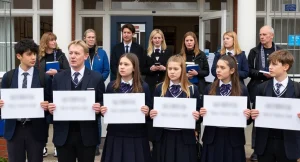
Many students and parents opposed the strike because they believed it disrupted learning during one of the most important academic periods of the school year.
GCSE revision, coursework preparation, and mock exams were already creating pressure for pupils, and families feared repeated industrial action could affect long-term educational outcomes.
Parents argued that although schools attempted to continue lessons, substitute teaching and combined classes could not fully replace subject specialists. Some students reportedly attended lessons in large groups within assembly halls due to staff shortages.
Several frustrations were repeatedly raised:
- Interrupted GCSE preparation
- Reduced access to subject teachers
- Concerns about exam performance
- Stress and uncertainty among pupils
- Repeated disruption over several years
One parent involved in the counter-protests said the issue had reached a breaking point for many families.
Alia Khan stated:
“How long can this continue? How long can you carry on protesting when, each year, you are ruining these girls’ lives? They already come from a deprived background, and then you have taken away the one thing they can use to get out of that.”
Students also became increasingly vocal. Many argued they supported teachers’ rights but believed exam periods were the wrong time for extended industrial action. Their frustration eventually developed into organised demonstrations outside the school gates, drawing wider public attention.
How Have the Student Counter-Protests Changed Public Attention?
The student counter-protests transformed the Connaught School for Girls strike from a local education dispute into a nationally discussed issue. Once footage of students confronting striking staff began circulating online, the debate expanded far beyond East London.
What Happened During the Demonstrations Outside the School?
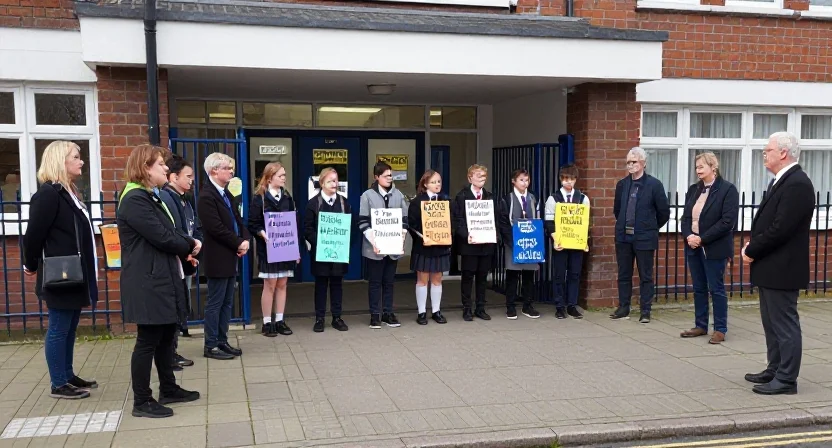
The demonstrations involved students and parents gathering opposite striking teachers outside the school each morning. Pupils carried homemade signs and used megaphones to express frustration about the disruption to lessons and exam preparation.
Some of the signs included slogans such as:
- “Teach Us or Quit”
- “Don’t Strike Out Our Future”
- “Teach or Leave”
Videos from the protests showed students delivering speeches while some striking staff appeared to turn away or continue conversations among themselves. These clips quickly gained attention online and became central to public discussion about the strike.
One student speaker publicly challenged teachers by saying:
The fact that you are doing this during people’s GCSE and mock exam times makes us think you have no sympathy or consideration toward your students.”
The demonstrations also highlighted the emotional pressure many pupils felt during the dispute. Parents said students wanted their voices heard because they believed their concerns had been overlooked throughout the industrial action.
Why Did Some Protest Footage Become Controversial?
The protests became more controversial after online videos appeared to show Palestine flags and political symbols near the picket lines. Critics argued that wider political activism should not become part of a school dispute focused on education.
Some parents questioned why geopolitical issues were visible during demonstrations involving GCSE students. This created additional debate across social media and news platforms, particularly after videos showed students directly challenging protesters about political messaging.
Concerns raised by critics included:
- Political symbolism near schools
- Tension between protesters and pupils
- Public arguments during demonstrations
- Questions about professionalism
- Broader ideological divisions online
At the same time, supporters of the strike argued that the industrial action was being unfairly politicised by critics. Some teachers and activists maintained that the central issue remained education funding and staffing pressures.
The controversy increased media coverage significantly because the dispute now involved wider debates about activism, schools, and public demonstrations. As a result, the Connaught School strike became part of broader national discussions about education and politics.
How Did Social Media Amplify the Story?
Social media played a major role in spreading awareness of the strike and shaping public opinion. Videos filmed outside the school were shared widely across TikTok, Instagram, Facebook, and X, attracting reactions from across the UK.
Parents involved in the demonstrations created “Stand With Our Girls” social media accounts to document events outside the school gates. Their posts focused heavily on student experiences and frustrations during the strike.
Several factors helped the story gain traction online:
- Viral protest videos
- Emotional student speeches
- Public debate around exam disruption
- Political controversy
- National media coverage
Online reactions were deeply divided. Some viewers praised the students for speaking confidently about their education, while others defended teachers’ rights to strike over workplace conditions.
One viral clip showed a pupil addressing striking staff directly and asking why they were not listening to students’ concerns. The footage generated widespread discussion because many people viewed the situation as highly unusual within a school industrial dispute.
As social media engagement increased, national newspapers and broadcasters also intensified their coverage, turning the strike into a significant national education story.
How Is the Strike Affecting Students and Daily School Life?
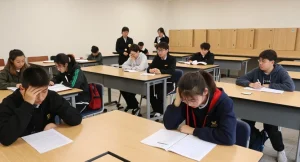
The strike has disrupted normal routines for many pupils at Connaught School for Girls. Reports from parents suggested some lessons were combined into large group sessions due to staff shortages, while substitute teachers covered multiple subjects during industrial action days.
Students preparing for GCSEs appeared particularly affected because revision schedules and direct access to specialist teachers became less consistent. Families also expressed concerns about the uncertainty surrounding lesson planning and exam support.
Despite the disruption, the school remained open and attempted to continue education wherever possible. Some parents praised staff members who continued teaching under difficult circumstances. Others said pupils were trying to remain focused despite frustration surrounding the ongoing dispute.
The emotional impact has also been significant. Many students reportedly felt anxious about falling behind academically while simultaneously witnessing public disagreements between teachers, unions, and families outside their school environment.
What Has Connaught School for Girls Said About the Dispute?
Connaught School for Girls leadership acknowledged the frustration caused by the strike and stated that maintaining educational stability remained a priority throughout the dispute.
Headteacher Alex Silk addressed parents and carers directly, explaining that the repeated disruption was deeply challenging for the school community. School communications stressed that decisions were being made with long-term sustainability in mind.
The school focused on several priorities during the industrial Action:
- Keeping the school open
- Maintaining student safety
- Continuing lessons wherever possible
- Supporting exam-year pupils
- Communicating regularly with families
School leaders also attempted to reassure parents that contingency plans were in place to reduce disruption during GCSE preparation periods. However, they acknowledged that industrial action inevitably created operational difficulties.
One statement from the headteacher said:
“I know that repeated uncertainty and disruption is deeply frustrating for families, and I share that frustration. Every decision being taken by the school and governing body is guided by what is necessary to protect the long-term stability of Connaught.”
The leadership team also received support from some parents who believed management was trying to balance staff concerns with student welfare. However, tensions remained high as both sides continued defending their positions publicly.
Is the Connaught School Strike Part of a Bigger UK Education Crisis?
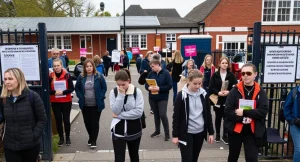
Many observers believe the Connaught School dispute reflects wider pressures across the UK education sector. Teacher workload concerns, staffing shortages, and funding debates have become increasingly common topics within schools nationwide.
Education unions across the country have repeatedly warned about:
- Teacher burnout
- Recruitment challenges
- Growing classroom sizes
- Budget pressures
- Staff retention difficulties
The Connaught strike also connected with wider London disputes involving redundancies and school restructures. Several rallies linked Connaught School with other schools experiencing industrial tensions over staffing and funding.
Critics of current education policies argue that schools are being asked to manage increasing demands without sufficient financial support. Meanwhile, opponents of repeated strikes believe industrial action creates instability for pupils already facing academic pressure.
The dispute has therefore become symbolic of a larger national debate about how education should be funded and managed. While some families focused mainly on immediate classroom disruption, unions insisted the longer-term future of education was also at stake.
The growing visibility of students within the protests added another dimension to the national conversation, highlighting how industrial disputes can directly affect young people preparing for major examinations.
What Are the Different Viewpoints in the Connaught School for Girls Strike?
The Connaught School strike has created strong disagreements between students, parents, teachers, unions, and political commentators. Each group views the dispute through a different lens, making the situation particularly complex.
Supporters of the strike believe teachers are standing up against unsustainable working conditions and funding pressures. Critics argue that repeated disruption during exam periods unfairly affects students’ education and wellbeing.
Many families expressed sympathy for teachers while still opposing the timing of the industrial action. Meanwhile, unions insisted the strike was necessary to protect the long-term quality of education.
Perspective Main Concerns
Students Disrupted education and GCSE preparation
Parents Repeated strikes affecting learning stability
Teachers Workload, redundancies, and funding pressures
NEU School funding crisis and staff protections
School Leadership Maintaining education while managing disputes
Government Critics Broader austerity and education policy debates
The dispute also exposed wider tensions about politics within schools, public activism, and the balance between workers’ rights and student welfare. Because multiple viewpoints carry emotional weight, public opinion on the strike remains sharply divided.
What Could Happen Next at Connaught School for Girls?
The future of the dispute will likely depend on whether school leadership, unions, and staff can reach agreements over workload concerns and staffing issues. Continued negotiations may help reduce tensions, but uncertainty remains around future industrial action.
Parents and students will also expect reassurance regarding GCSE preparation and classroom stability moving forward. Rebuilding trust between families and teachers could become one of the biggest challenges after such a public conflict.
Several possible developments may shape the next stage of the situation:
- Further negotiations between unions and school leadership
- Additional industrial action ballots
- Greater government attention on funding pressures
- New efforts to support affected students
The dispute may also influence how schools manage communication during future industrial action. Because the protests attracted national attention, many education leaders will likely study the situation closely when handling similar disputes elsewhere.
What Does the Connaught School for Girls Strike Reveal About Education in the UK?
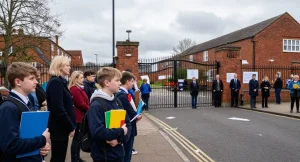
The Connaught School for Girls strike highlights how education disputes now extend far beyond staff pay disagreements. Issues such as workload, mental wellbeing, school funding, and political tensions increasingly shape conversations within UK education.
The situation also demonstrated how students themselves can become active participants in public debates about schooling. Their protests drew national attention because many people were surprised to see pupils publicly confronting teachers during an industrial dispute.
At the same time, the strike revealed the growing pressure placed on schools attempting to balance financial challenges with educational standards. Families want stability and strong academic support, while teachers argue they need sustainable working conditions to provide quality education.
Ultimately, the dispute reflects a wider national challenge: how to protect both staff welfare and student opportunities within an increasingly pressured education system.
Conclusion
The Connaught School for Girls strike became nationally significant because it combined education, politics, social media, and student activism into one highly visible dispute. Teachers argued the industrial action was necessary to address workloads, staffing concerns, and funding pressures, while many students and parents believed exam preparation was being unfairly disrupted.
The situation exposed wider tensions affecting schools across the UK, including teacher retention, financial pressures, and public trust in the education system. It also showed how quickly local school disputes can become national conversations when social media amplifies emotional moments and conflicting viewpoints.
Although opinions remain divided, most people involved share one common concern: ensuring students receive the education and support they need. The challenge moving forward will be finding solutions that protect both educational quality and staff wellbeing without creating further disruption for pupils.
Frequently Asked Questions
Why are teachers striking at Connaught School for Girls?
Teachers at Connaught School for Girls say the strike is linked to workload pressures, redundancy concerns, and wider school funding issues. The National Education Union has argued that staff are facing unsustainable working conditions and need stronger protections.
Are GCSE students being affected by the strike?
Many parents and students believe the industrial action has disrupted GCSE revision and mock exam preparation. Some lessons were reportedly combined into larger group sessions because of reduced staffing during strike days.
What is the Stand With Our Girls” campaign?
“Stand With Our Girls” is a campaign created by parents and students opposing the ongoing strike action at the school. The group gained attention online after sharing videos and organising counter-protests outside the school gates.
Has the National Education Union responded to criticism?
Yes, the NEU has defended the strike by stating that teachers are taking action over workload concerns, redundancies, and funding pressures. Union representatives also argued that education staff want long-term improvements for both teachers and pupils.
Why were Palestine flags mentioned during the protests?
Some videos from the demonstrations appeared to show political symbols and Palestine flags near the picket lines. This sparked debate online, with critics questioning whether wider political activism should be connected to a school dispute.
Is Connaught School for Girls still open during the strike?
Yes, the school remained open during parts of the industrial action and attempted to continue lessons wherever possible. School leadership introduced contingency measures to reduce disruption for students.
Could more UK schools experience similar strikes in 2026?
Education unions across the UK have warned that funding pressures and staffing concerns are affecting many schools. Because of this, some experts believe further industrial action could happen if disputes remain unresolved.