

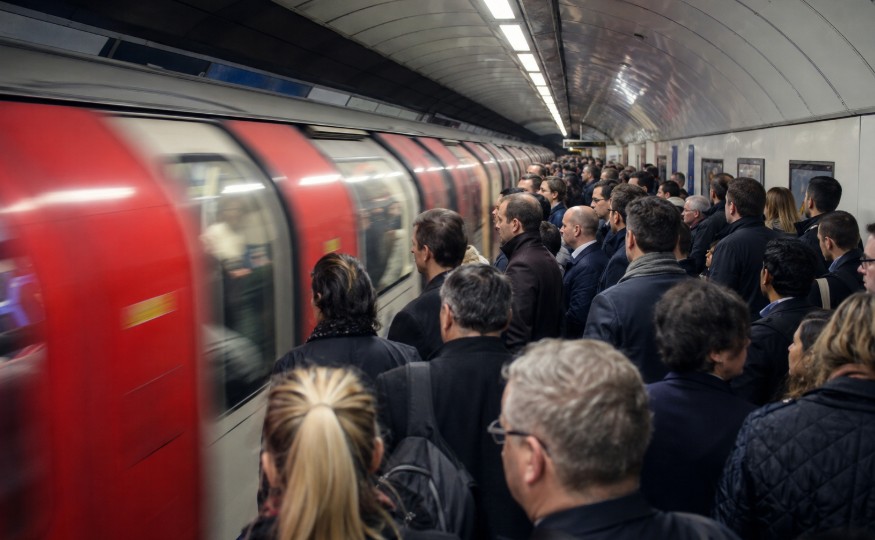
London commuters should expect disruption across the Underground network during the Tube strike on 19th May 2026, although Transport for London (TfL) has confirmed that most Tube lines will continue operating with reduced services.
The strike action, organised by some Tube drivers, will begin at midday on Tuesday 19 May and continue until midday on Wednesday 20 May, with a second strike scheduled from Thursday 21 May to Friday 22 May. While the network will not completely shut down, delays, overcrowding and reduced frequencies are expected across multiple lines.
Key Takeaways
- The strike affects the whole London Underground network
- Some Tube services will continue running on reduced timetables
- Elizabeth line, DLR, buses, trams and London Overground are expected to operate normally
- Disruption may continue even after strike periods officially end
- TfL recommends using live travel tools and planning journeys in advance
- The dispute centres around proposed four-day working arrangements for Tube drivers
What Is Happening During the Tube Strike on 19th May?

The Tube strike on 19th May is part of planned industrial action involving some London Underground drivers. According to official TfL guidance, the strike will run from 12:00 midday on Tuesday 19 May until 12:00 midday on Wednesday 20 May, with another strike period beginning on Thursday 21 May and ending on Friday 22 May.
Although the entire Underground network will be affected, TfL has stated that services are still expected to operate on most Tube lines. However, service levels will vary throughout the day, especially after midday when disruption is expected to intensify. Morning services on strike days may begin normally before gradually reducing.
Passengers are also being warned that disruption will continue into the afternoons and evenings even after strikes officially end. TfL expects station crowding, longer waiting times and inconsistent service frequencies across multiple lines.
Importantly, not all Tube drivers are participating in the strike action. Drivers from the Aslef union are not currently involved, which is why partial services can still operate during the disruption period.
Why Are Tube Drivers Striking in May 2026?

The May 2026 Tube strike is mainly linked to disagreements between the RMT union and TfL regarding proposed changes to working arrangements for Tube drivers. While negotiations remain ongoing, union representatives argue that the current proposals could negatively affect working conditions and driver wellbeing.
For many London commuters, the dispute may appear confusing because services are not expected to fully stop. However, the disagreement reflects wider concerns about staffing, fatigue and scheduling across the Underground network.
What Is the Dispute Between RMT and TfL About?
The central disagreement involves TfL’s proposed four-day working week trial for Tube drivers. TfL says the proposal is currently voluntary and limited to the Bakerloo line, but the RMT union argues that the changes could eventually impact more staff across the network.
Under the proposal:
- Drivers would work longer shifts
- Weekly hours would reduce from 36 to 35
- Paid meal breaks would become part of working hours
- Drivers would work fewer days each week
The RMT claims the structure could increase fatigue levels because staff may face longer working days despite fewer overall hours.
One union representative reportedly explained the concern by saying:
“Longer shifts can create additional pressure on drivers, especially during busy commuter periods. Safety and fatigue should never become secondary issues. Staff want meaningful consultation before permanent changes are introduced.”
TfL, however, maintains that the trial is designed to improve flexibility and modernise working patterns rather than increase workloads.
What Changes Are Tube Drivers Asking For?
The RMT union is pushing for different working arrangements than those currently proposed by TfL. Instead of the suggested 35-hour structure, the union reportedly wants a 32-hour week spread across four days while maintaining existing salary levels.
The union believes this would:
- Reduce fatigue risks
- Improve work-life balance
- Protect operational safety standards
- Reflect modern flexible working expectations
For commuters, the disagreement may sound technical, but it directly affects staffing availability and operational planning across the Underground network.
During previous discussions around the dispute, some transport workers expressed frustration about uncertainty surrounding future schedules. One driver involved in discussions reportedly stated:
“Drivers are not opposing change simply for the sake of it. Many staff members want clarity about how these schedules will affect health, recovery time and safety over the long term. The concern is about sustainable working patterns.”
TfL sources have continued discussions with unions while attempting to minimise service disruption for passengers.
Why Has TfL Called the Strikes “Unnecessary”?
TfL has publicly described the strike action as “completely unnecessary” because the proposed four-day week arrangement is currently only being trialled voluntarily on one line. Officials argue that no permanent network-wide decision has been finalised.
Transport authorities also point out that:
- Negotiations are still ongoing
- No compulsory changes have been introduced
- The trial remains limited in scope
- Services can still partially operate during strikes
TfL’s position focuses on maintaining operational flexibility while modernising staffing arrangements.
A TfL spokesperson reportedly said:
“The trial is voluntary and designed to explore whether modern working patterns can benefit both staff and passengers. We are disappointed that strike action is being taken while discussions are still ongoing. Our priority remains keeping London moving safely.”
For many commuters, the practical concern remains travel disruption rather than the internal negotiations themselves. However, understanding the reasons behind the strike helps explain why partial services will continue instead of a complete shutdown.
Which Tube Lines and London Transport Services Will Be Affected?
TfL has confirmed that the Tube strike will affect the entire London Underground network, although disruption levels will vary depending on staffing availability throughout the day. Some lines may operate near-normal morning services before reductions begin late in the morning ahead of the official strike start time.
Passengers should expect:
- Reduced train frequencies
- Longer waiting times
- Temporary station crowding
- Delays during peak travel periods
- Short-notice timetable adjustments
Disruption is expected to intensify after midday on both strike dates. Wednesday 20 May and Friday 22 May may also experience lingering disruption while services gradually return to normal.
TfL has warned that no specific line is guaranteed to avoid disruption entirely. However, because Aslef drivers are not participating, partial services should continue operating across most routes.
The disruption timeline currently expected includes:
- Tuesday 19 May: Normal morning service followed by afternoon disruption
- Wednesday 20 May: Significant morning disruption with gradual recovery later
- Thursday 21 May: Repeat disruption beginning around midday
- Friday 22 May: Reduced morning services before evening recovery
Commuters travelling during these periods are being advised to allow additional journey time and check live updates before travelling.
Which London Transport Services Will Continue Running Normally?

Although the Tube strike will disrupt Underground services, several major transport networks across London are expected to continue operating normally.
TfL has emphasised that alternative public transport options remain available, although many services are likely to become significantly busier than usual.
Will the Elizabeth Line, DLR and London Overground Be Running?
TfL currently expects the Elizabeth line, DLR and London Overground services to operate normally throughout the strike periods. These services are not directly involved in the industrial action, making them important alternatives for commuters attempting to avoid Underground disruption.
However, “normal” operation does not necessarily mean smooth travel conditions. Passenger demand is expected to rise sharply across these routes as commuters look for alternatives.
Travellers using these services should prepare for:
- Busier platforms
- Longer boarding times
- Increased peak-hour congestion
- Potential queuing at major interchange stations
Key interchange locations such as Stratford, Liverpool Street and Canary Wharf may experience particularly heavy foot traffic during the strike periods.
TfL has encouraged passengers to stagger journeys where possible and avoid peak commuting hours if they have flexible schedules.
Are London Buses and Trams Expected to Be Affected?
London buses and trams are also expected to continue operating during the Tube strike. However, buses are likely to face indirect disruption caused by increased passenger demand and heavier road congestion.
During previous strikes, commuters relied heavily on bus services, leading to:
- Longer waiting times
- Overcrowded bus routes
- Slower journey times due to traffic
- Increased pressure on central London services
TfL expects similar conditions during the May strikes. While buses will technically run normally, travel times may still increase substantially during peak hours.
Tram services are expected to remain operational as well, particularly benefiting commuters in South London where Underground coverage is more limited.
Passengers travelling into central London from outer boroughs may need to combine multiple transport methods during the strike period.
What Alternative Travel Options Could Commuters Consider?
Many commuters may choose alternative travel arrangements to avoid the busiest Underground routes altogether. During April’s disruption, cycling and e-bike usage increased significantly across London.
According to reports:
- Lime recorded a 22% increase in rides
- Forest reported over 50% growth during evening rush hours
- Walking routes between major stations became increasingly popular
Commuters may consider:
- Cycling or e-bikes
- Walking shorter central London routes
- Remote working where possible
- Adjusted working hours
- National Rail alternatives
For shorter journeys, walking may prove faster than waiting for overcrowded Tube services. Many commuters successfully adapted this way during previous disruptions.
Tourists and occasional visitors unfamiliar with London’s transport network are also being encouraged to use TfL’s Journey Planner and live travel updates throughout the strike period.
How Severe Could the Tube Strike Disruption Be for London Commuters?

The disruption caused by the Tube strike could become significant during peak travel hours, especially in central London. While TfL expects partial Underground services to continue operating, overcrowding and inconsistent timetables may create widespread delays.
Commuters should particularly prepare for:
- Congested station entrances
- Longer platform queues
- Delayed interchange connections
- Increased travel times across Zones 1 and 2
- Pressure on alternative transport networks
Morning rush hours on Wednesday 20 May and Friday 22 May could become especially challenging because services may still be recovering from overnight disruption.
Previous strikes showed how quickly alternative routes become overcrowded. During April’s industrial action, many central stations experienced long queues as passengers searched for replacement routes home.
Office workers, students and tourists are all expected to feel the impact differently. Those with fixed commuting schedules may face the greatest disruption, while flexible workers may have more options to avoid peak congestion.
TfL has repeatedly advised passengers not to assume services will run according to normal timetables, even on lines that remain operational.
How Can Londoners Prepare for the Tube Strike on 19th May?
Planning ahead will be essential for commuters travelling during the Tube strike period. TfL recommends checking live service information before leaving home because disruption levels may change throughout the day.
Passengers are encouraged to:
- Monitor TfL Go notifications
- Use Journey Planner before travelling
- Leave earlier than usual
- Consider flexible travel times
- Explore alternative transport methods
TfL Go remains one of the most useful tools during major disruption because it provides live Tube maps, travel alerts and service updates. Real-time information may help passengers avoid overcrowded routes or sudden station closures.
Commuters should also expect alternative services such as buses and the Elizabeth line to become extremely busy, particularly during the morning and evening peaks.
Those travelling to airports, major events or important appointments should allow substantial additional travel time. Journeys that normally take 30 minutes could potentially take much longer during heavy congestion periods.
Cycling and walking may become practical options for shorter distances within central London. Many commuters used this approach successfully during previous strikes.
Passengers unfamiliar with London transport should keep updated through official TfL announcements rather than relying on rumours circulating on social media.
What Happened During Previous London Tube Strikes?
Previous Tube strikes provide a useful indication of what commuters may experience during the May 2026 disruption. During the April strike action, several major stations experienced heavy congestion as passengers searched for alternative routes.
Cycling and e-bike usage increased sharply across London. Lime reported a 22% increase in journeys compared with the previous week, while Forest saw evening peak rides rise by more than 50%.
Many commuters adapted by:
- Leaving work earlier
- Walking between stations
- Working remotely
- Using National Rail alternatives
- Avoiding central London travel altogether
Although London’s transport network continued functioning, overcrowding remained one of the biggest challenges. Bus routes became particularly busy, and some commuters reported significantly extended travel times.
The previous disruption also demonstrated that partial Tube services can still create confusion because passengers may assume lines are fully operating when services are actually reduced or inconsistent. TfL expects similar travel patterns during the upcoming May strikes.
What Are the Confirmed Facts, Proposed Changes and Common Misunderstandings About the Strike?

Confusion often spreads quickly during transport strikes, particularly on social media. TfL has therefore attempted to clearly separate confirmed operational information from speculation and ongoing negotiations.
The most important confirmed detail is that the Underground network will not completely shut down. Partial services are expected across most lines because not all driver unions are participating in the strike action.
The dispute itself relates mainly to proposed working arrangements rather than immediate pay reductions or staffing cuts.
| Category | Details |
|---|---|
| Confirmed Facts | Strike dates, timings, affected services and TfL travel guidance have been officially confirmed |
| Proposed Changes | TfL’s voluntary four-day working week proposal and RMT requests for a 32-hour week |
| Misunderstandings | Claims that all Tube lines will completely close or that every driver is striking |
Another common misunderstanding involves timing. Even after strike periods officially end at midday, disruption may continue into the evening while services gradually return to normal.
Passengers should also remember that “normal” operation on alternative services does not guarantee comfortable travel conditions. Buses, Overground services and the Elizabeth line are all expected to become significantly busier than usual.
For accurate updates, commuters are being encouraged to rely on official TfL travel tools rather than unverified online rumours or outdated service information.
What Should London Commuters Expect After the Strike Ends?
Even after the official strike periods finish, commuters should expect continued disruption while Underground services gradually return to full operation. TfL has warned that recovery periods may last into the afternoon and evening following strike action.
This means passengers could still experience:
- Delayed services
- Reduced train frequencies
- Congested stations
- Intermittent timetable gaps
Wednesday 20 May and Friday 22 May are expected to see lingering disruption during the morning before conditions slowly improve later in the day.
Evening services are currently expected to return closer to normal operation, although exact recovery times may vary depending on staffing and operational conditions.
Passengers travelling immediately after strike periods end should avoid assuming the network will instantly return to standard schedules. Checking live updates before beginning journeys will remain important throughout the recovery period.
TfL continues to advise commuters to plan flexible journeys where possible and remain prepared for changing travel conditions across the network.
Conclusion
The Tube strike on 19th May is expected to create noticeable disruption across London’s Underground network, but the city’s transport system will not come to a complete standstill. Most Tube lines are expected to continue operating reduced services, while the Elizabeth line, buses, trams, DLR and London Overground should remain available throughout the strike period.
For commuters, preparation will be the key factor in reducing travel stress. Checking TfL updates regularly, allowing extra journey time and considering alternative transport methods could make a major difference during busy periods.
The dispute itself centres around proposed working changes and driver concerns over fatigue and scheduling. While negotiations continue between TfL and unions, passengers should focus primarily on practical travel planning.
Londoners who stay informed and flexible are likely to manage the disruption far more effectively during the May strike period.
Frequently Asked Questions About the Tube Strike 19th May
Will all London Underground stations close during the strike?
No, the London Underground network is not expected to shut down completely during the Tube strike. TfL has confirmed that most lines should continue running reduced services, although delays and overcrowding are likely.
Can commuters still use Oyster and contactless payments normally?
Yes, Oyster cards and contactless payments will continue working normally across London transport services. Passengers can still use them on buses, the Elizabeth line, DLR, London Overground and available Tube services.
Is Heathrow travel expected to be affected by the Tube strike?
Travellers using the Piccadilly line may experience disruption and longer journey times during the strike period. However, the Elizabeth line is expected to continue operating normally and may provide an alternative route to Heathrow Airport.
Are Night Tube services expected to operate during strike days?
Some Night Tube services could face disruption depending on staffing levels and operational conditions. Passengers should check TfL’s live travel updates before making late-night journeys.
Will taxis and ride-sharing services become more expensive?
Taxi and ride-sharing demand usually increases significantly during major Tube strikes across London. This can sometimes lead to longer waiting times and higher fares during peak hours.
Could the Tube strike dates still change before May 19?
Strike dates can occasionally change if unions and TfL reach agreements during ongoing negotiations. However, commuters should currently plan based on the officially announced strike schedule.
How early should commuters leave during the strike period?
Passengers travelling during busy periods should consider leaving earlier than usual to avoid severe congestion. Allowing additional travel time may help reduce stress and avoid missed connections.
Are schools and offices in London expected to be affected?
Many workplaces and schools may experience delays as staff and students face transport disruption across the city. Some organisations could allow flexible hours or remote working arrangements during the strike period.
More Stories
May Bank Holiday Supermarket Opening Times in the UK 2026
Joe Harris Cleared Misconduct: Full Story Behind the Council Probe
Royal Mail Scrap Saturday Service: UK Postal Shake-Up Begins