

With inflation driving up everyday costs, households across the UK are constantly seeking updates on financial aid, especially from government-backed schemes.
Recently, headlines and social media posts have been buzzing with news of a DWP £780 benefits extra payment expected in 2025. This has stirred hope among millions, particularly those relying on Universal Credit and other means-tested benefits.
But is this payment genuine or simply an internet-fuelled rumour? As the cost-of-living crisis persists, it’s crucial to separate fact from fiction. The Department for Work and Pensions (DWP) has previously issued multiple payments to ease financial burdens, leading some to speculate whether a new lump sum is on the horizon.
In this guide, you’ll discover the truth about the £780 figure, where the rumour began, what financial support is still available in 2025, and how to stay safe from misleading information online.
What Is DWP £780 Benefits Extra Payment and Why Is It Trending?
The term “DWP £780 benefits extra payment” began circulating online in late 2024, quickly gaining traction on social platforms, discussion forums, and even some media outlets.
The claim suggests that a one-time or two-part payment of £780 will be provided to benefit claimants during 2025. This has generated widespread interest, especially among households under financial stress.
Much of the traction is due to the figure’s believability. £780 sounds like a realistic support sum when compared to previous cost of living aid packages. It also conveniently breaks down to £65 per month for an entire year, which makes it appear structured and intentional, even if unconfirmed.
There is speculation that this figure was derived from older payment patterns and that people mistook past cumulative payments as part of a new upcoming scheme. Influencers and non-official news portals added fuel by repeating the rumour without official verification. As a result, the topic went viral, leaving many genuinely confused about whether it’s based on government policy or just speculation.
Is the DWP £780 Benefits Extra Payment Officially Confirmed by the Government?
As of now, the UK government has not confirmed any DWP £780 benefits extra payment for the 2025–2026 financial year. Neither the Department for Work and Pensions (DWP) nor HM Treasury has issued a formal statement, circular, or legal update confirming such a scheme.
Here’s what you should know:
- No official documentation exists about a lump sum or staged £780 payment.
- GOV.UK remains the only reliable platform for announcements related to benefits and support payments.
- The DWP typically announces new support packages via Autumn Statements, Spring Budgets, or ministerial press briefings.
The reason for the confusion likely stems from the absence of clear public communication to counter the rumours. While government support programs often undergo updates, any legitimate announcement would be shared on gov.uk and distributed via mainstream news channels.
Until a formal declaration is made by the government, you should treat the £780 payment as speculation. Anyone claiming it’s confirmed without referencing official sources is likely misinformed or spreading unreliable content for clicks and views.
Breaking Down the Origin of the £780 Figure
The rapid spread of the DWP £780 benefits extra payment rumour didn’t emerge from nowhere. It appears to have evolved from a blend of misunderstood past support schemes, confusing payment structures, and assumptions based on previous years.
Misinterpretation of Past Cost of Living Payments
Between 2022 and 2024, the UK government issued multiple cost-of-living payments, distributed over different months and tied to benefit eligibility.
The individual payments included:
- £326 and £324 in 2022
- £301, £300, and £299 between 2023 and 2024
When totalled, these payments amount to £1,550. This cumulative figure was divided into multiple instalments to help families manage seasonal costs like heating, food, and rent.
Many people discussing the new £780 figure seem to confuse this amount with an existing or upcoming scheme. But in truth, it reflects only part of what was already given, not a new benefit.
How Combined Payments From 2022–2024 Could Total ~£780?
If you only look at half of the total support issued, say three of the five payments, the amount approaches £780.
For example, someone who received the following:
- £301 (Spring 2023)
- £300 (Autumn 2023)
- £179 from a prior year or winter fuel-related support
Would already be close to the £780 mark. That makes it easy for such figures to be casually rounded and repeated in social circles, giving rise to misleading ideas about a new “£780 DWP payment”.
Public Confusion Explained With Real-world Examples
Imagine a family in Manchester who received £326 in 2022, £301 in 2023, and £150 for disability support in early 2024. In conversation, they might summarise it as “I got around £780 from DWP”.
That comment, when shared or reposted online, quickly transforms into misinformation. Without context or clarification, these posts can spark massive confusion, especially during times of financial hardship. The £780 figure, therefore, isn’t a lie, but it’s not what many believe it to be.
Previous DWP Cost of Living Payments (2022–2024)
Understanding the history of past cost of living payments is vital for recognising why many people believe a new dwp 780 benefits extra payment may be on the way.
From 2022 to 2024, the government introduced several payments to support individuals facing inflation, rising bills and financial pressures. These payments were released in instalments and were linked to qualifying periods based on benefit entitlement.
The structure of these payments shows how easily people could assume that another round might be coming. Each instalment varied slightly in amount but remained consistent in purpose, which was to help low income households and vulnerable groups. The regularity of these payments also contributed to speculation.
Below is a clear breakdown of the payments that were officially issued between 2022 and 2024. These figures continue to influence current discussions about financial support.
| Payment Amount | Eligibility Assessment Period | Payment Window |
|---|---|---|
| £326 | 26 April to 25 May 2022 | 14 July to 31 July 2022 |
| £324 | 26 August to 25 September 2022 | 8 November to 23 November 2022 |
| £301 | 26 January to 25 February 2023 | 25 April to 17 May 2023 |
| £300 | 18 August to 17 September 2023 | 31 October to 19 November 2023 |
| £299 | 13 November to 12 December 2023 | 6 February to 22 February 2024 |
These payments total £1550 and form the basis of much of today’s confusion.
Who Was Eligible for Past Cost of Living Payments?
Eligibility for previous cost of living payments depended on whether you received specific means tested benefits during the qualifying periods.
The payments were automatic and only required that the claimant met the conditions at the right time. This meant that millions of people across the UK received support without having to submit any additional forms.
To qualify, individuals needed to be awarded one of the following benefits during the relevant assessment windows.
- Universal Credit
- Income Support
- Income based Jobseeker’s Allowance
- Income related Employment and Support Allowance
- Pension Credit
- Working Tax Credit
- Child Tax Credit
Those receiving only New Style JSA or contributory ESA did not qualify. Another important detail that caused confusion was the concept of a nil award. If your benefit was reduced to zero due to a change in income or a sanction, you did not qualify.
However, if it was reduced to zero because of deductions for arrears or repayments, you could still be eligible. This difference remains significant as people question their past and future entitlement.
What Financial Support Is Available from the DWP in 2025?
Before assuming that the dwp 780 benefits extra payment is real, it is essential to understand what support schemes remain active in 2025.
Although there has been no confirmation of a new lump sum for this year, several existing programmes continue to help households manage rising living costs. These schemes focus on heating, energy bills, essential needs and targeted assistance for disability related requirements.
The following sections explain the key support options available now and how you can check your eligibility.
Winter Fuel Payment
The Winter Fuel Payment helps older people manage higher heating costs during colder months. The payment amount depends on age and household circumstances. It is issued automatically to eligible pensioners and plays a significant role in helping those on limited incomes.
Warm Home Discount
The Warm Home Discount provides a one time credit on electricity bills for eligible low income households. It is administered through energy suppliers and helps families manage growing utility costs. Not every supplier participates, so households should check with their provider.
Disability Cost of Living Payment
This payment supports individuals who receive disability related benefits. It provides a targeted boost to help cover additional expenses linked to medical conditions, mobility needs and increased heating use. The payment is automatic for those receiving qualifying benefits.
Household Support Fund
The Household Support Fund is managed by local councils. It provides help with essentials such as food, clothing, fuel and basic household needs. Each council runs its own scheme, so eligibility rules may vary. Households can apply directly to their local authority for assistance.
How to Apply or Check Eligibility?
Most DWP payments are applied automatically if you qualify, but certain schemes require action.
Here is how you can check:
- Visit the official GOV UK website for current eligibility rules
- Contact your local council for details on the Household Support Fund
- Review your benefits portal to confirm your current award status
- Speak with your energy supplier about Warm Home Discount availability
These programmes offer real financial support in 2025 and remain vital for households navigating economic uncertainty.
Why Are Rumours Like the £780 Payment Spreading?
In times of financial stress, it’s not unusual for rumours to gain momentum. The case of the dwp 780 benefits extra payment is no exception.
With the public feeling the weight of rising energy bills, food costs and rent, any suggestion of extra support quickly captures attention. But without official backing, such rumours often stem from miscommunication and assumption rather than facts.
Online platforms like Facebook, TikTok and YouTube have played a major role in amplifying the £780 rumour. Influencers or users looking to grow their engagement often share speculative content, which spreads fast before it can be verified.
Some media blogs even publish articles with headlines suggesting the payment is official, even when no such confirmation exists. Another reason for the rumour’s popularity is the pattern of past payments.
Since earlier cost of living support came regularly in fixed amounts, people now expect similar schemes to return in 2025. Combined with economic anxiety, this expectation leads to quick acceptance of unverified claims. It highlights the importance of turning to trusted government channels for accurate updates.
How to Avoid Falling for DWP Payment Scams?
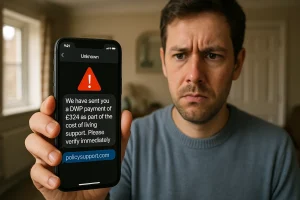
Scammers often exploit trending rumours like the DWP £780 benefits extra payment to trick people into revealing personal or financial details.
These scams usually arrive in the form of text messages, emails, social media posts or even phone calls. While the DWP does issue payments, they never ask for your details via email or text.
Here’s how you can stay safe and avoid being targeted:
- Never respond to texts or calls claiming to be from DWP asking for your bank details
- Do not click on links in unsolicited messages, especially those promising “immediate payment”
- Avoid sharing your National Insurance number or date of birth with unverified sources
- Report suspicious emails or calls directly to Action Fraud or DWP
- Always double-check information using the official GOV UK website
- Look out for spelling errors, odd grammar or fake URLs which are common in scam attempts
Staying informed and cautious can protect your finances. If a payment scheme sounds too good to be true or appears suddenly without official notice, it’s best to verify it before engaging.
What Can You Do If You Missed a Past Cost of Living Payment?
If you believe you were eligible for a cost of living payment but didn’t receive it, there are still steps you can take to understand and potentially resolve the issue. While the dwp 780 benefits extra payment is currently unconfirmed, past support payments had specific rules that could impact whether or not someone qualified.
Understanding your benefit status during the relevant assessment periods is essential. Some people may have had a nil award or received their payments late due to processing errors. It’s worth reviewing all aspects of your case to determine if your situation qualified.
How to Check Eligibility?
Start by checking if you were in receipt of any of the qualifying benefits during the defined assessment windows. These include Universal Credit, Pension Credit, Income Support and others. Use your benefits portal or statements to verify your benefit status at the time. If you weren’t entitled to a payment of at least 1p, this may explain why you missed it.
When to Contact DWP or HMRC?
If you’re still unsure, the next step is to contact the relevant department. Call DWP for any benefit linked payments or reach out to HMRC for tax credit related issues. It’s important to wait until the payment window has fully closed before calling, as payments are often staggered.
- DWP Helpline 0800 169 0310
- HMRC contact for tax credits
- Use your journal if you’re a Universal Credit claimant
These departments can access your case and provide a clear explanation.
Reviewing your Benefits Portal
Log in to your online benefits portal. Most systems will show historical payments and eligibility. Check for notes about nil awards or overpayment deductions. If your payment was delayed or adjusted due to deductions, you may still have been eligible.
Examples of common reasons people miss out:
- Your award was reduced to zero due to high income during that period
- A sanction lowered your benefit payment to nothing
- Your bank account was closed or had outdated details
- Your claim started just after the eligibility period closed
- Technical delays or address errors blocked payment
Resolving these issues can clarify your situation and help you prepare for any future support opportunities.
Are Any DWP Cost of Living Payments Planned for 2025?
As of December 2025, there has been no official confirmation of any new cost of living payments from the DWP for the 2025–2026 financial year.
Despite growing speculation around a DWP £780 benefits extra payment, government sources including GOV.UK have not announced any new support package resembling this figure.
It is common for support updates to be delivered in key fiscal announcements such as the Spring Budget or the Autumn Statement. Until these events occur or official DWP guidance is published, any information shared online should be approached with caution.
While there is no formal scheme like the 2022–2024 cost of living payments currently in place, the situation could change depending on economic conditions. If inflation, energy costs or food prices spike again, the government may respond with targeted relief.
For now, eligible households are encouraged to focus on ongoing support like the Warm Home Discount and Household Support Fund. Monitoring updates through trusted channels is the safest way to avoid being misled by speculative claims.
Stay Informed and Don’t Rely on Online Speculation
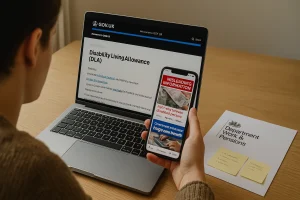
In an era where information spreads quickly, it’s easy to get caught up in speculation. The rumour surrounding the dwp 780 benefits extra payment is an example of how rapidly unverified news can gain momentum. Relying on these rumours can lead to confusion, misplaced expectations and in some cases, falling for scams.
To protect yourself and your finances, keep these key points in mind:
- Always check GOV.UK or official government sources for updates
- Follow the DWP’s verified social media accounts for reliable information
- Ignore headlines from untrustworthy blogs or clickbait articles
- Avoid sharing unconfirmed information, even if it seems helpful
- Be wary of emails or messages promising payments before announcements
Staying informed through official communication channels is the best way to understand your rights and what support is genuinely available.
By relying on facts, you can avoid the uncertainty that comes with internet speculation and ensure you’re ready to act when real support schemes are introduced.
Official Cost of Living Payments from 2022–2024
The timeline of cost of living payments from 2022 to 2024 provides important context for the DWP £780 benefits extra payment rumour.
These payments were issued in response to rising inflation and living expenses, particularly for those receiving means-tested benefits.
The breakdown below shows the officially issued payments, helping clarify the confusion surrounding the £780 figure. Many assume this new sum reflects future aid, when in reality, it may simply represent a portion of what was already distributed.
| Year | Payment Amounts | Issued To | Payment Windows |
|---|---|---|---|
| 2022 | £326 + £324 | Means-tested benefit claimants | July and November 2022 |
| 2023 | £301 + £300 | UC, Pension Credit, Tax Credits | April and October–November 2023 |
| 2024 | £299 | Same groups as 2023 | February 2024 |
Altogether, these payments equal £1,550. The £780 figure likely emerged from people summing parts of these amounts and mistaking them as a new scheme. Understanding these details helps explain the rumour’s origin and dispels any confusion.
Conclusion
The widely discussed DWP £780 benefits extra payment for 2025 has stirred hope, confusion and debate. Yet, as of now, it remains unconfirmed by the UK government or DWP. Analysis shows the figure most likely stems from earlier cost of living payments issued between 2022 and 2024, which, when partially totalled, mirror the rumoured amount.
Despite the absence of a new £780 scheme, households still have access to various support programmes like the Winter Fuel Payment and Household Support Fund. Staying informed through official channels such as GOV.UK is essential in times like these.
Rather than rely on online speculation, it’s best to focus on confirmed assistance while monitoring upcoming budget announcements. If the government does introduce new help in the future, it will be clearly stated on official platforms.
FAQs
Is the DWP £780 benefits extra payment confirmed?
No, there is no official confirmation or government announcement confirming the £780 payment in 2025.
Why is the £780 figure being widely discussed online?
It likely comes from a misinterpretation of past payments, which totalled similar amounts when partially summed.
Who received previous cost of living payments from the DWP?
Households receiving means-tested benefits such as Universal Credit, Pension Credit or Tax Credits were eligible.
Can I get support if I missed a previous payment?
Yes, if you were eligible, contact DWP or HMRC to review your case and check your benefit history.
Will Carer’s Allowance alone make me eligible for support?
No, Carer’s Allowance alone does not qualify; you must also receive a means-tested benefit.
Are there any official support schemes still active in 2025?
Yes, the Winter Fuel Payment, Warm Home Discount, and Household Support Fund are still available.
Where can I find updates on any future DWP payments?
Always check the official GOV.UK website or verified DWP channels for the latest announcements.