
Fuel rationing is spreading across Asia and Europe because governments are trying to manage severe shortages caused by disruption in Middle East oil supplies, especially through the Strait of Hormuz.
Several countries have already introduced limits on how much petrol or diesel people can buy, while others are considering work-from-home rules, lower fuel use and emergency reserves. For people in the UK, this does not mean rationing is certain, but it does mean higher prices, possible shortages and more pressure on transport and businesses.
Key takeaways:
- Bangladesh, Indonesia and Slovenia have already introduced fuel limits.
- The EU is discussing emergency fuel rationing if shortages worsen.
- The UK could face rising costs even without formal restrictions.
- Jet fuel shortages are already affecting flights across Europe.
- Panic buying and hoarding are making the crisis worse.
- Governments are encouraging remote work, public transport and lower fuel use.
How Has the Strait of Hormuz Crisis Triggered Global Fuel Shortages?
The current fuel shortage began when shipping through the Strait of Hormuz was disrupted. This narrow route between Iran and Oman is one of the most important energy corridors in the world. Around 20% of global oil and gas exports pass through it every day.
When oil tankers are delayed or blocked, countries receive less fuel than they normally need. That immediately pushes up prices and creates shortages, especially in places that depend on imported fuel.
Countries in Asia were affected first because they buy large amounts of oil from the Middle East. Europe followed soon after because several cargoes of diesel and jet fuel that were meant for Europe were redirected towards Asian markets.
As a result:
- Oil prices rose from around $70 to more than $109 per barrel
- Diesel prices in Europe surged sharply
- Petrol prices in the UK rose by more than 20p per litre
- Airlines, transport companies and businesses began facing supply problems
Some governments are now treating the crisis as a long-term problem rather than a short disruption. European Energy Commissioner Dan Jorgensen warned that energy prices could remain high for a long time and that governments need to prepare for the worst.
The crisis is also affecting everyday life beyond fuel stations. Food prices, travel costs and business expenses are all rising because transport depends on reliable fuel supplies.
Which Asian Countries Have Already Introduced Fuel Rationing?
Several Asian countries have already introduced fuel controls or emergency measures because they are struggling to maintain normal supplies. Some have limited how much fuel people can buy, while others are reducing office hours, encouraging remote work or closing public buildings to save energy.
Why Is Bangladesh Considered the Country Most at Risk of Running Out of Fuel?
Bangladesh is considered the country most at risk because it imports around 95% of its fuel and has very limited reserves. Reports suggest that the country only has enough diesel for around nine days and enough petrol for roughly two weeks.
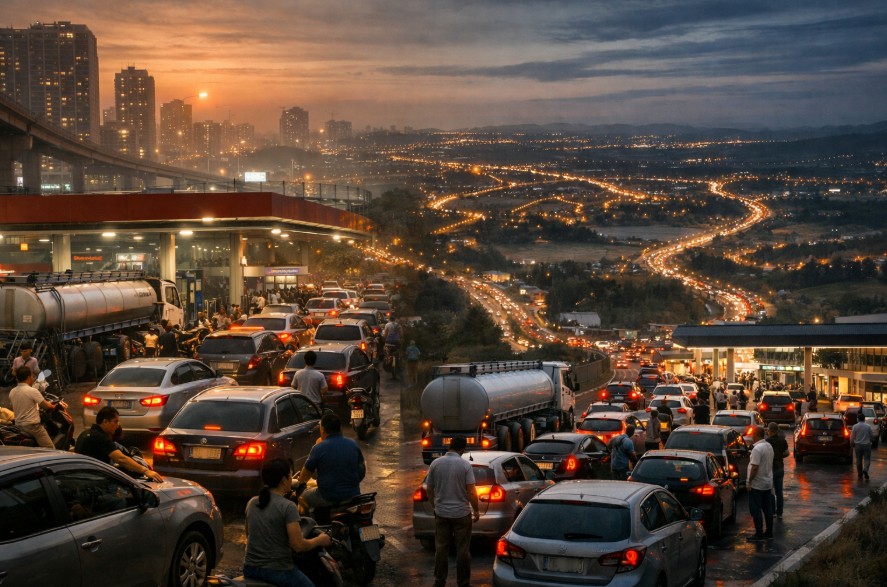
Long queues have formed outside petrol stations in Dhaka and other cities. Some stations have run out completely, while fuel is being sold informally in bottles at much higher prices.
The government has already introduced restrictions including:
- Fuel rationing at petrol stations
- Limits on diesel sales
- Shorter opening hours for markets and shopping centres
- Reduced university and office activity
A 33-year-old commuter named Sajid Ali described the situation clearly:
“This motorcycle is the only convenient way for me to commute, but without the octane, how will I continue. I was lucky, I got the fuel. Dozens of motorists behind me were forced to return as the station ran out of fuel. These days there are fewer vehicles spotted on Dhaka’s streets.”
Bangladesh is also trying to buy fuel from other countries including Singapore, Malaysia, Australia and India. However, buying fuel on the international spot market is much more expensive.
Analysts warn that if the disruption continues for several more weeks, Bangladesh could face serious industrial shutdowns, blackouts and transport problems.
How Are Indonesia, Thailand and the Philippines Limiting Fuel Use?
Indonesia became one of the first countries to introduce formal rationing. Private vehicles are now limited to 50 litres of fuel per day. The government has also instructed some civil servants to work from home in order to reduce fuel consumption.
Thailand is preparing similar plans. Although full rationing has not yet been introduced, officials are discussing fuel limits and emergency measures if supplies become worse.
The Philippines has already declared a national energy emergency because it imports around 98% of its oil from the Gulf region. Government offices are moving towards a four-day week, while workers are being encouraged to share journeys or work remotely.
Common measures across these countries include:
- Limiting petrol and diesel purchases
- Encouraging car sharing
- Asking businesses to reduce travel
- Promoting public transport
- Introducing remote working where possible
Officials believe these steps can reduce demand quickly and stop panic buying from becoming worse. One energy expert said governments are trying to avoid repeating the mistakes of previous crises by acting early rather than waiting until fuel stations run dry.
Why Are South Korea, Australia and New Zealand Urging People to Save Fuel?
South Korea, Australia and New Zealand have not introduced formal rationing yet, but they are strongly encouraging people to reduce fuel use before shortages become severe.
South Korean President Lee Jae Myung recently urged people to “save every drop of fuel”. The government has cut fuel taxes, introduced price controls and is considering keeping coal power stations open for longer.
Australia is asking people to use trains, buses and trams instead of driving. The government wants to protect fuel supplies for farmers, delivery drivers and other essential workers.
Prime Minister Anthony Albanese explained the message directly:
“Enjoy your Easter. If you’re hitting the road, don’t take more fuel than you need — just fill up like you normally would. If you can switch to catching the train or bus or tram to work, do so. That builds our reserves and it saves fuel for people who have no choice but to drive.”
New Zealand is facing similar concerns. Air New Zealand has already begun reducing flights to save fuel, while the government is offering financial support to families struggling with higher fuel prices.
These countries are not yet experiencing the same level of disruption as Bangladesh, but they are trying to reduce fuel use before the situation becomes more serious.
Why Is Europe Beginning to Consider Fuel Rationing?
Europe is beginning to consider fuel rationing because supplies of diesel, petrol and jet fuel are becoming tighter. Although Europe imports fuel from several different regions, it still depends heavily on international shipping and global oil markets.
When Asia starts buying more fuel to replace lost Middle East supplies, Europe has to compete for what remains.
Diesel is becoming a particular concern because it is essential for lorries, farms, factories and deliveries. Several fuel cargoes that were meant for Europe have already been redirected to Asia, pushing prices higher.
European officials are now discussing whether rationing may be necessary if the crisis continues. Dan Jorgensen, the EU’s energy commissioner, warned that governments are preparing for a prolonged energy crisis.
He said:
“This will be a long crisis. Energy prices will be higher for a very long time. We are preparing for the worst-case scenarios, although we have not yet reached the point of needing to ration critical products such as kerosene or diesel.”
That warning has increased concern across the UK and Europe.
Which European Countries Are Already Restricting Fuel Supplies?
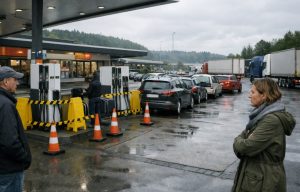
Europe has not yet introduced widespread fuel rationing, but several countries are already limiting supplies or preparing emergency plans. Slovenia was the first country to introduce restrictions, while other countries are considering similar measures if the crisis continues.
Why Did Slovenia Become the First European Country to Introduce Fuel Limits?
Slovenia became the first European country to introduce fuel limits by capping private fuel purchases at 50 litres per vehicle per day. The government said the measure was designed to stop panic buying and protect supplies.
In practice, most drivers do not normally buy 50 litres every day. However, the limit sends a clear message that governments are willing to intervene if shortages worsen.
Slovenia introduced the measure because:
- Fuel imports are becoming more expensive
- Diesel supplies are tightening across Europe
- Panic buying could create local shortages
- Governments want to preserve fuel for essential services
Although the limit is relatively generous, it may be the first step towards stricter controls if the situation continues.
How Could Fuel Rationing Affect the UK Even Though It Is Outside the EU?
The UK is outside the EU, but it would still be affected because Britain depends heavily on imported fuel and European supply chains. The UK also relies on imported diesel and jet fuel from international markets.
Petrol prices in the UK have already increased significantly, while diesel has risen even more sharply. If shortages spread across Europe, British businesses could face delays, higher transport costs and difficulty securing enough fuel.
The UK is especially vulnerable to jet fuel shortages because a large share of its aviation fuel normally comes from Kuwait and other Middle Eastern suppliers.
Possible effects in the UK include:
- Higher petrol and diesel prices
- Delays to deliveries and transport
- More expensive flights and holidays
- Pressure on farms, supermarkets and logistics firms
- Possible calls for voluntary fuel-saving measures
The government has not announced formal rationing, but officials are likely to monitor supplies closely.
Why Are European Airports and Airlines Facing Jet Fuel Restrictions?
Jet fuel is one of the biggest concerns in Europe because airlines cannot operate without reliable fuel supplies. Several airports in Italy have already introduced restrictions on refuelling, particularly for airlines supplied by Air BP Italia.
Airlines are beginning to reduce flights because fuel is becoming more expensive and harder to obtain. Ryanair and other airlines have warned that cancellations may increase if the situation continues into the summer.
Airports in Bologna, Milan, Treviso and Venice have already reported limits on jet fuel.
Across Europe, airlines are responding by:
- Cancelling less profitable flights
- Raising ticket and baggage prices
- Reducing flight frequency
- Using fuel-saving routes and schedules
The UK could be one of the hardest-hit countries because it depends heavily on imported aviation fuel. If jet fuel shortages continue, passengers may face more expensive tickets, delays and fewer available flights.
What Is Demand Destruction and Why Are Governments Talking About It?
Demand destruction happens when people are forced to use less fuel because prices become too high or because governments deliberately reduce consumption. This is becoming a major issue because there may not be enough fuel available for everyone.
Governments are talking about demand destruction because they believe voluntary savings alone may not be enough. If fuel shortages continue, countries may need to reduce total demand by millions of barrels each day.
There are two ways this can happen:
- Managed demand destruction, where governments introduce fuel limits, remote working and lower speed limits
- Unmanaged demand destruction, where prices rise so much that people simply cannot afford fuel
Most governments prefer the first option because it gives them more control.
Possible measures include:
- Lower speed limits on motorways
- Working from home several days a week
- Using buses and trains instead of cars
- Sharing vehicles and reducing unnecessary travel
Economists warn that unmanaged demand destruction is more damaging because it can cause businesses to close, increase unemployment and push up prices across the economy.
How Could Fuel Rationing Affect Your Daily Life in the UK?
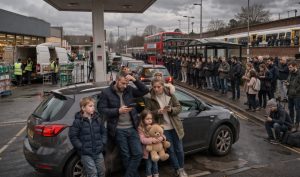
Fuel rationing would affect everyday life in the UK even if formal limits were never introduced. Higher prices and tighter supplies would change how people travel, work and spend money.
Could Petrol and Diesel Limits Affect Commuting and Travel?
If fuel becomes more difficult to obtain, many people may need to drive less often. Commuters who travel long distances by car would be affected first.
Petrol stations could introduce limits on how much fuel each customer can buy. Even without official rationing, many stations may choose to cap purchases during periods of high demand.
You could notice:
- Longer queues at petrol stations
- Higher petrol and diesel prices
- More crowded buses and trains
- Fewer people driving long distances
Families may also reduce leisure travel, weekend trips and holidays because of higher fuel costs.
How Might Businesses, Deliveries and Food Prices Be Impacted?
Businesses would face much higher costs because most goods are transported by lorry or van. If diesel becomes more expensive, companies may pass those costs on to customers.
Food prices are likely to rise because supermarkets rely on regular deliveries. Farmers also depend on fuel for tractors, machinery and transport.
Sectors most at risk include:
- Supermarkets and food suppliers
- Delivery firms
- Construction companies
- Manufacturers
- Taxi and transport services
A small business owner may find that fuel costs suddenly become one of their largest expenses. A delivery company, for example, could struggle to continue operating if diesel prices rise by another 20 or 30 pence per litre.
Could More People Be Asked to Work From Home Again?
One of the easiest ways to reduce fuel use is to reduce commuting. That is why several governments in Asia are already asking civil servants and office workers to work from home.
The UK could introduce similar guidance if fuel shortages worsen. Businesses may encourage employees to work remotely for part of the week in order to save fuel and reduce pressure on transport networks.
This would probably affect:
- Office workers
- Government employees
- Businesses with flexible working arrangements
However, not everyone can work from home. Nurses, shop workers, delivery drivers and factory staff would still need to travel. That means governments may prioritise fuel supplies for essential workers while encouraging others to stay off the roads.
What Emergency Measures Are Governments Using Before Full Fuel Rationing?
Before introducing formal fuel rationing, most governments are trying less severe measures to reduce demand. These policies are designed to slow fuel use while avoiding major disruption.
Measure Purpose Countries Using It
Work from home Reduce commuting fuel use Indonesia, Philippines, Thailand
Four-day working week Cut travel demand Philippines
Fuel tax cuts Keep prices lower temporarily South Korea
Emergency oil reserves Increase fuel supply EU countries
Public transport campaigns Reduce car journeys Australia, South Korea
Lower office hours Save electricity and fuel Bangladesh
Governments are also encouraging:
- Car sharing
- Reduced air conditioning use
- Lower motorway speed limits
- Delaying non-essential travel
These measures are often introduced first because they are easier to accept than formal rationing. They can also buy time while governments search for alternative fuel supplies.
How Are Panic Buying and Fuel Hoarding Making the Crisis Worse?
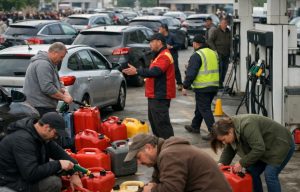
Panic buying is making the fuel crisis much worse because people are buying more than they actually need. When drivers rush to fill extra cans or tanks, petrol stations run out faster, and shortages spread more quickly.
In Bangladesh, panic buying has already caused long queues, angry crowds and even attacks on fuel stations. Some people have reportedly emptied their vehicle tanks and returned several times to buy more fuel.
Fuel hoarding creates several problems:
- It leaves less fuel available for everyone else
- It increases pressure on petrol stations
- It pushes prices even higher
- It creates unnecessary fear
Experts say that shortages often become worse because people panic, not simply because there is not enough fuel. Governments are therefore urging people to buy only what they normally need and avoid stockpiling.
Could the UK Introduce Fuel Rationing in the Coming Months?
The UK could introduce fuel rationing if the crisis becomes significantly worse, but there is currently no official plan to do so. The government is more likely to begin with softer measures such as asking people to work from home, reduce unnecessary journeys and use public transport.
Formal rationing would probably only happen if:
- Fuel imports fell sharply
- Petrol stations began running out regularly
- Businesses could not obtain enough diesel
- Emergency reserves became too low
The UK has strategic fuel reserves and multiple import routes, which means it is better protected than some countries in Asia. However, if global shortages continue for several months, the government may eventually need to consider temporary restrictions.
For now, the biggest risk for most people is likely to be higher prices rather than strict limits.
What Can Households and Businesses Do to Prepare for Possible Fuel Restrictions?
Households and businesses can prepare by reducing unnecessary fuel use now rather than waiting for shortages to become more severe.
| Household Actions | Business Actions |
|---|---|
| Keep your fuel tank above half full | Review delivery routes |
| Combine journeys where possible | Allow remote working |
| Use public transport occasionally | Reduce non-essential travel |
| Avoid panic buying | Build small emergency reserves |
| Check local travel alternatives | Improve vehicle efficiency |
You can also:
- Plan ahead for essential journeys
- Keep your car maintained to improve fuel efficiency
- Discuss flexible working with your employer
- Review how rising fuel costs may affect your budget
Businesses should identify which activities depend most heavily on fuel and create a backup plan. A company that relies on deliveries, for example, may need to adjust schedules or raise prices if fuel costs continue to rise.
What Can Asia and Europe Learn From Previous Energy Crises?
Asia and Europe can learn that acting early is usually more effective than waiting for a crisis to become severe. During the COVID-19 pandemic and the 2022 energy crisis, countries that introduced remote working, public transport support and clear communication were able to reduce demand more smoothly.
Governments also learned that panic buying can spread quickly if people do not trust official information. That is why many countries are now trying to explain the situation openly and encourage sensible fuel use.
Another lesson is that countries need stronger long-term energy security. Relying too heavily on imported oil leaves countries vulnerable when global supply chains are disrupted.
The current crisis may push more governments to invest in renewable energy, electric vehicles and alternative fuel supplies in the future.
Will Fuel Supplies Return to Normal Soon?
Fuel supplies may improve eventually, but most experts believe the crisis could continue for several months. Much depends on whether shipping through the Strait of Hormuz returns to normal.
Even if the route reopens quickly, it would still take time for oil production, shipping and fuel deliveries to recover. Some analysts believe normal conditions could return within three to six months, while others think shortages and high prices may last much longer.
Countries are also competing for the same limited fuel supplies, which means prices may remain high even after the immediate crisis ends.
For the UK, this means petrol and diesel costs could stay elevated throughout the year, even if formal rationing never happens.
Conclusion: What Should You Expect if Fuel Rationing Expands Across Asia and Europe?
Fuel rationing across Asia and Europe is no longer just a possibility. Several countries have already introduced limits, while others are preparing emergency plans in case supplies worsen.
The UK is not yet facing formal rationing, but it is already experiencing higher prices and growing pressure on fuel supplies.
If the crisis continues, you should expect:
- More expensive petrol and diesel
- Higher travel and delivery costs
- Possible pressure to work from home
- Greater use of public transport and car sharing
The most important thing is not to panic. Governments still have emergency reserves and several options before strict rationing becomes necessary. However, the situation is serious enough that households and businesses should begin preparing now.
FAQs
Could fuel rationing happen in the UK even if there is no official shortage?
Yes, the UK could introduce temporary fuel limits if imports fall sharply or if panic buying begins to affect supplies. However, the government would probably try softer measures first, such as encouraging remote working and public transport.
Why are diesel shortages considered more serious than petrol shortages?
Diesel is used by lorries, farms, factories and delivery vehicles, so shortages can affect food supplies and businesses very quickly. Petrol shortages mainly affect private drivers, while diesel shortages can impact the whole economy.
Which countries are currently most affected by fuel rationing?
Bangladesh is currently one of the most affected countries because it imports most of its fuel and has very limited reserves. Indonesia and Slovenia have also introduced purchase limits, while several other countries are preparing similar plans.
How long could the current fuel crisis last?
Experts believe the disruption could last anywhere from a few months to the end of the year, depending on global oil supplies. Even if the situation improves, fuel prices may remain higher than normal for some time.
Will fuel rationing affect food and supermarket prices?
Yes, food prices could rise because farms, delivery companies and supermarkets all rely heavily on fuel. If diesel becomes more expensive or harder to find, those extra costs are usually passed on to customers.
Should households store extra petrol or diesel at home?
No, storing large amounts of fuel at home is unsafe and can make shortages worse for everyone else. It is usually better to keep your vehicle reasonably fuelled and avoid panic buying.
Could more people be asked to work from home again?
Yes, working from home is one of the easiest ways for governments and businesses to reduce fuel demand. Several countries in Asia have already introduced remote working measures to save fuel.