

For most British households, the way money leaves the account has quietly changed shape. Not so long ago, an evening’s entertainment meant cash on the bar, a card swiped at the cinema kiosk, or a cheque posted off to renew a magazine.
Today the spending is smoother, faster and far harder to notice. A tap of a phone settles the coffee, a monthly direct debit handles the streaming service, and a digital wallet stores the card details so nobody has to fish them out. This shift towards subscriptions and e-wallets has reshaped not just how people pay, but how they choose to fill their free time in the first place.
That change matters most in the leisure economy, where convenience and choice now go hand in hand. The same instinct that draws someone to compare broadband bundles or streaming tiers also shapes how they weigh up entertainment websites, including the online casinos that UK reviewers rank and compare each year.
Comparison guides for 2026 line up familiar names such as 888Casino, William Hill and Betfred, judging each on the strength of its welcome offers, the quality of its software, the security measures protecting an account, and the breadth of betting and game options on hand.
For an adult deciding where to spend a quiet evening, those review pages do the legwork the way a price-comparison site does for energy or insurance turning a crowded, confusing market into a shortlist that is easy to understand at a glance.
How Wallets and Subscriptions Changed UK Leisure?
The Quiet Rise of the Digital Wallet
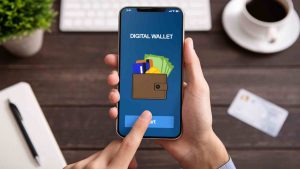
Walk through any British high street and the contactless habit is impossible to miss. Apple Pay and Google Pay have made the physical card feel almost ornamental, and PayPal has spent two decades teaching people that an online purchase need not involve typing sixteen digits.
E-wallets work because they remove friction. The fewer steps between wanting something and paying for it, the more likely a person is to follow through.
That convenience reshapes leisure choices in subtle ways. A wallet that already holds verified details lowers the barrier to trying a new streaming service, booking a last-minute theatre ticket, or topping up a gaming account.
The decision becomes less about the hassle of paying and more about whether the entertainment is worth the money. For consumers, that puts the focus squarely where it belongs: on value, enjoyment and how a service measures up against its rivals.
Subscriptions Reshape What People Pay For
The subscription model has crept into almost every corner of British life. Netflix and Disney+ set the template, Spotify normalised paying monthly for music, and now everything from razor blades to fitness apps arrives on a recurring bill. Research from the consumer sector suggests the average UK household juggles several active subscriptions at once, often without keeping close track of the total.
This matters because subscriptions change the psychology of spending. A one-off purchase feels like a decision; a subscription feels like a backdrop. Once the direct debit is set up, it runs quietly until someone notices it.
That is excellent news for businesses that earn loyalty, and a useful prompt for consumers to audit what they actually use. The leisure brands that thrive are the ones that keep proving their worth month after month, rather than relying on a customer’s inertia.
Why Payment Habits and Entertainment Sites Connect?
Entertainment websites sit at an interesting crossroads. They have to attract both the people who want to be entertained and, in many cases, the partners and suppliers who keep the experience running game studios, payment firms and content creators among them.
Economists describe arrangements like this as two-sided markets, where the value of a service to one group depends on how many people are on the other side. The classic academic treatment, an overview of two-sided markets, explains why getting the pricing balance right is so delicate: lean too hard on one side and the whole thing wobbles.
Payment convenience is one of the levers that keeps that balance steady. When paying is effortless, more people stay engaged, which makes the service more attractive to the suppliers feeding into it.
It is the same flywheel that powers app stores, ride-hailing apps and food-delivery services and it explains why so much investment now goes into smoothing the checkout rather than the product itself.
What This Means for the Careful Consumer?

For the everyday spender, the lesson is less about technology and more about awareness. Smooth payments are a genuine convenience, but they also make it easier to lose track of where the money goes.
Setting a monthly leisure budget, reviewing wallet-linked subscriptions every few months, and using independent review sites to compare value before committing are all sensible habits.
The economics behind these services reward attention, too. As one analysis of pricing and network effects makes clear, the businesses that grow fastest are those that pull users in and keep them there. That is no bad thing when a service genuinely earns its keep but it is exactly why a clear-eyed consumer benefits from pausing before each renewal.
Spending Smarter on Free Time
The British way of paying for fun has been quietly rebuilt around taps, wallets and recurring bills. The upside is real: more choice, less faff, and entertainment available the moment the mood strikes. The trick is to let convenience serve the spender rather than the other way around comparing options, knowing the monthly total, and choosing leisure that genuinely earns a place in the budget.