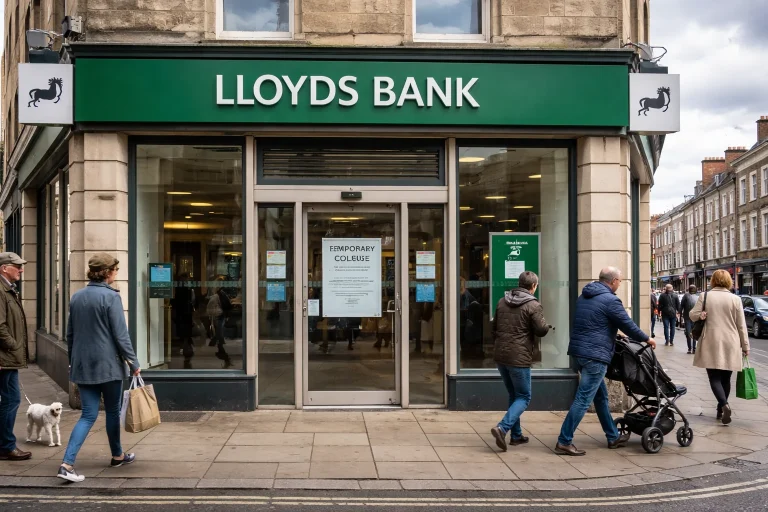


Why Are UK Banks Introducing These New Rule Changes Now?
The introduction of these rules is largely driven by growing concerns around fairness, transparency, and financial inclusion in the UK banking system. Over recent years, there has been increased public and political pressure to address situations where customers lost access to banking services without sufficient warning or explanation.
The UK government, particularly through policy discussions in 2025, recognised that stronger protections were needed. These changes aim to prevent individuals and businesses from being suddenly left without essential financial services.
Several key factors influenced this decision:
- Rising complaints about unexpected account closures
- Concerns over the lack of transparency from banks
- The need to support small businesses relying on stable banking
- Increased focus on consumer rights and protections
- High-profile cases that exposed gaps in existing rules
As one government representative explained when announcing the policy:
“Under the new rules, customers will receive more notice of account closures, be entitled to an explanation as to why their account has been closed and have more opportunity to challenge such decisions.”
These updates reflect a broader effort to balance financial regulation with fairness, ensuring banks can manage risk while still treating customers responsibly.
What Is De-banking and Why Is It a Growing Concern in the UK?

De-banking refers to the process where banks close accounts or refuse to offer services to certain customers. While sometimes necessary, it has become a growing concern due to its impact on both individuals and businesses.
What Does De-banking Mean for Individual Customers?
For individuals, de-banking can be disruptive and stressful. Losing access to your bank account can affect your ability to receive income, pay bills, or manage daily finances. In many cases, customers may not have immediate alternatives, which can lead to financial instability.
Key concerns include:
- Difficulty accessing wages or benefits
- Challenges in paying rent or utilities
- Emotional stress due to financial uncertainty
Banks often justify closures due to risk concerns, but without clear explanations, customers can feel confused and powerless.
How Can De-banking Affect Small Businesses and Organisations?
For small businesses, de-banking can have even more serious consequences. A sudden account closure can disrupt operations, delay payments, and damage relationships with suppliers or customers. Businesses rely heavily on banking services for daily transactions. Without access, they may struggle to function effectively.
Common impacts include:
- Interrupted cash flow
- Loss of customer trust
- Difficulty securing alternative banking quickly
These risks have led to increasing calls for better protection and clearer communication from banks.
Why Did the Nigel Farage Case Bring National Attention to This Issue?
The issue of de-banking gained widespread attention following a high-profile case involving a political figure. The situation highlighted concerns about whether decisions were being made fairly and transparently.
Initially, the account closure was linked to commercial reasons, but later findings suggested other factors were involved. This raised serious questions about how banks assess customers and whether decisions could be influenced by non-financial considerations.
As one widely discussed viewpoint reflected:
“Banks say closures are sometimes necessary to manage risks such as money laundering, terrorism financing and reputational damage, but concerns have been raised about cases where accounts have been shut without a clear explanation.”
This case became a turning point, pushing regulators and policymakers to act and introduce stronger safeguards for customers across the UK.
What Exactly Will Change Under the New Banking Rules from April 2026?
From April 2026, the Lloyds, HSBC, and NatWest rule changes will introduce clear and structured protections for customers. These changes apply to new banking agreements and aim to standardise how account closures are handled across the UK.
The most important updates include longer notice periods, clearer communication, and stronger rights for customers. These rules apply not only to traditional banks but also to payment service providers.
Here’s a simple breakdown:
| Change Area | Old Rule | New Rule (From April 2026) |
|---|---|---|
| Notice Period | Around 60 days | Minimum 90 days |
| Explanation | Not always required | Mandatory written reason |
| Customer Rights | Limited clarity | Stronger ability to challenge |
| Coverage | Standard accounts | Includes basic bank accounts |
| Applicability | Existing norms | New contracts only |
These changes ensure that you are not left in the dark if your account is being closed. Instead, you are given time, clarity, and the opportunity to take action if needed.
How Will These Lloyds, HSBC, NatWest Bank’s Rule Changes Affect You Directly?

These updates are designed to directly improve your experience as a banking customer. They provide more time, clearer communication, and stronger rights when dealing with account closures.
What Should You Expect If Your Bank Account Is Closed?
If your account is closed under the new rules, you will receive a written explanation outlining the reason. This helps you understand the situation rather than being left uncertain.
You can expect:
- Clear communication from your bank
- A formal notice period before closure
- Guidance on next steps
This ensures you are not caught off guard and can plan accordingly.
How Much Time Will You Have to Respond or Switch Banks?
You will now have at least 90 days to respond to the closure notice. This extended period gives you enough time to:
- Open a new account
- Transfer funds and payments
- Inform employers or clients
This is particularly important for those who rely heavily on banking services for daily life or business operations.
What Rights Do You Have to Challenge a Bank’s Decision?
One of the most important aspects of the new rules is your right to challenge decisions. If you believe your account has been unfairly closed, you can raise a complaint and escalate it if necessary.
Your rights include:
- Requesting clarification from the bank
- Filing a formal complaint
- Escalating the issue to the Financial Ombudsman Service
As one official statement highlighted:
“Delivering economic security for working people is at the heart of our Plan for Change and strengthening protections against debanking will protect people’s and businesses’ access to banking services.”
These rights ensure that you are treated fairly and have a voice in the process.
Are There Any Exceptions to These New Banking Rules?
Yes, there are certain situations where banks may not be able to follow the full 90-day notice period. These exceptions are primarily related to legal and regulatory obligations.
For example, if a bank suspects financial crime such as money laundering or terrorism financing, it may need to act quickly to comply with the law. In such cases, providing advance notice could interfere with investigations or legal requirements.
Banks are also required to manage risks effectively, which means they may need to close accounts immediately in high-risk situations. However, these exceptions are limited and must be justified.
Overall, while the rules aim to protect customers, they also ensure that banks can continue to meet their legal responsibilities and maintain the integrity of the financial system.
What Should You Do If Your Bank Plans to Close Your Account?

If you receive notice that your account will be closed, it’s important to act quickly and stay organised. The new rules give you time, but taking the right steps early can make the process smoother.
Start by carefully reviewing the explanation provided by your bank. This will help you understand why the decision was made and whether you agree with it.
Here are practical steps you should consider:
- Open a new bank account as soon as possible
- Transfer standing orders and direct debits
- Inform your employer, clients, or service providers
- Keep records of all communication with your bank
- Raise a complaint if you believe the decision is unfair
If needed, you can escalate your complaint to the Financial Ombudsman Service for an independent review. Being proactive ensures that you minimise disruption and maintain control over your finances during the transition.
What Do These Rule Changes Mean for the Future of UK Banking?
The Lloyds, HSBC, and NatWest rule changes signal a shift towards a more transparent and customer-focused banking system in the UK. These updates strengthen consumer protections and ensure that customers are treated fairly.
They also encourage banks to be more accountable in their decision-making processes. This can help rebuild trust between financial institutions and customers.
In the long term, these changes are expected to benefit both individuals and businesses by providing greater stability and clarity. At the same time, banks must continue to balance these protections with the need to manage risks effectively.
Overall, the future of UK banking is likely to be more transparent, fair, and responsive to customer needs.
Conclusion
The Lloyds, HSBC, and NatWest rule changes represent an important step towards fairer banking in the UK. By introducing longer notice periods, clear explanations, and stronger rights for customers, these rules ensure you are better protected if your account is ever at risk of closure.
While banks still need to manage risks and comply with legal requirements, the balance is shifting towards greater transparency and accountability. For you, this means fewer surprises and more control over your financial situation.
As these changes come into effect from April 2026, staying informed and prepared will help you navigate any challenges confidently. Ultimately, these updates aim to create a banking system that works more effectively for everyone.
FAQs
What are the Lloyds, HSBC, and NatWest rule changes in simple terms?
These changes require banks to give you at least 90 days’ notice and a clear written explanation before closing your account. They are designed to give you more time and transparency to respond.
When will the new UK banking rules come into effect?
The new rules will apply from 28 April 2026. They mainly affect new contracts agreed from that date onwards.
Do these rules apply to all types of bank accounts?
Yes, the rules cover most personal accounts, including basic bank accounts. They also apply to payment service providers, not just traditional banks.
Can a bank still close my account without notice?
In rare cases, yes, especially if there are legal concerns like suspected financial crime. However, these situations are exceptions and must follow strict regulations.
How can I challenge a bank’s decision to close my account?
You can first raise a complaint directly with your bank and ask for clarification. If unresolved, you can escalate the issue to the Financial Ombudsman Service.
Will these changes help small businesses as well?
Yes, small businesses will benefit from more notice and clearer communication. This helps them prepare and avoid disruption to their operations.
Why is de-banking considered a serious issue?
De-banking can leave individuals or businesses without access to essential financial services. This can disrupt daily life, income, and overall financial stability.